Anno Domini xxx — dccl
From Jesus to the Church Fathers
Trace how Christianity was handed down through a sourced graph of apostles, bishops, theologians, and martyrs. Every link is tagged documented, tradition, or disputed.
206 figures · 317 relationships · 247 documented links. Read the methodology.
Get one early Church quote each morning, with historical context in plain English. See today's quote · Support more source work.
Public resources
Free maps, guides, and study routes
Beginner paths, bishop lists, question guides, calendar routes, and reading shelves for self-study or teaching.
Support and sponsor
Help keep the Church Fathers graph free
Support source checking, page maintenance, visual explanations, and optional sponsorships for existing pages.
The full lineage
All 206 figures as a horizontal timeline. Each bar spans a lifespan, colored by region. Hover to highlight connections. Click any bar to lock the chain — then scroll to trace it across the centuries, or condense to just the chain.
Each bar spans birth to death. Color = region. Gold border = bishop. Hover to highlight connections temporarily. Click to lock and scroll horizontally to trace the chain.
The chain, told plainly
Ten people, almost seven hundred years. Each link below rests on a cited primary source — the kind a librarian would accept. Click any name for the full bio and every connection.
- 1
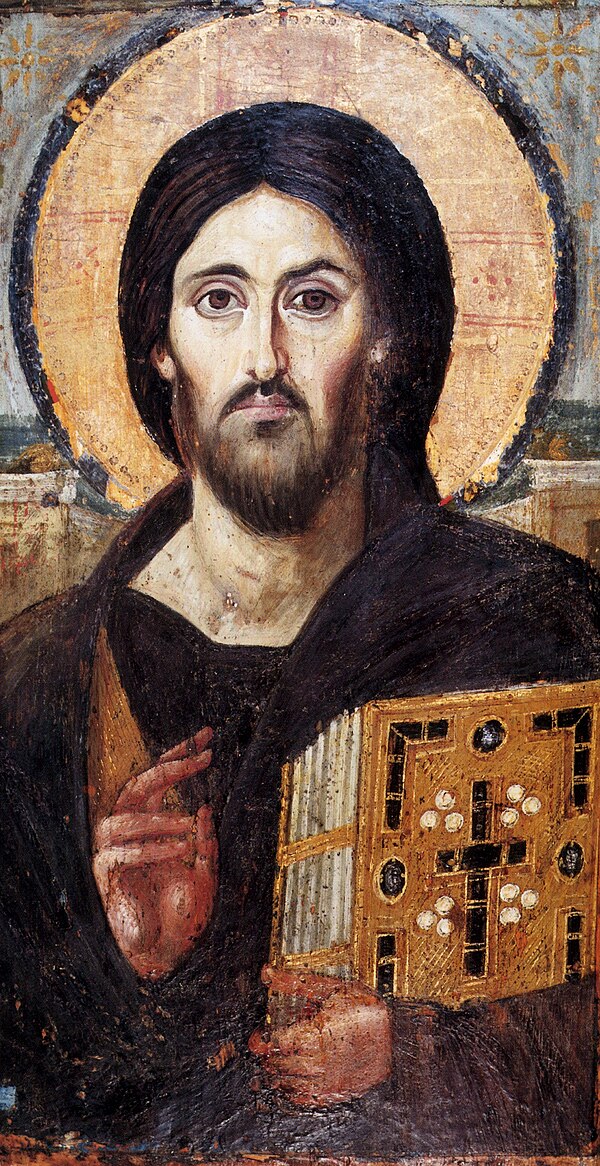
Jesus of Nazareth
c. -4 – c. 30Central figure of Christianity. Jewish teacher from Nazareth, crucified under Pontius Pilate c. AD 30; confessed by Christians as the Messiah and Son of God. Called and taught the Twelve Apostles.
- 2taught by
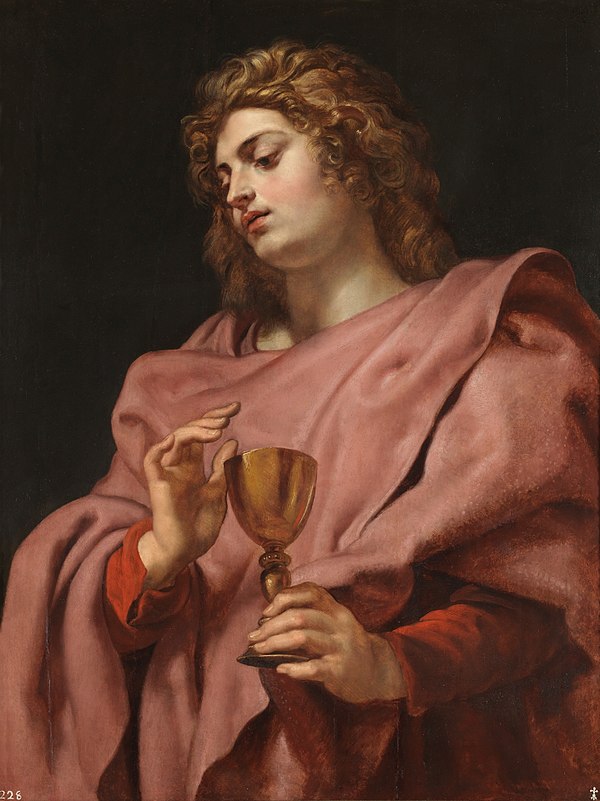
John the Apostle
c. 6 – c. 100 · Bishop of EphesusSon of Zebedee, brother of James, one of the Twelve and of the inner three. By tradition resided in Ephesus, taught Polycarp and Papias, and lived to the reign of Trajan.
- 3taught by
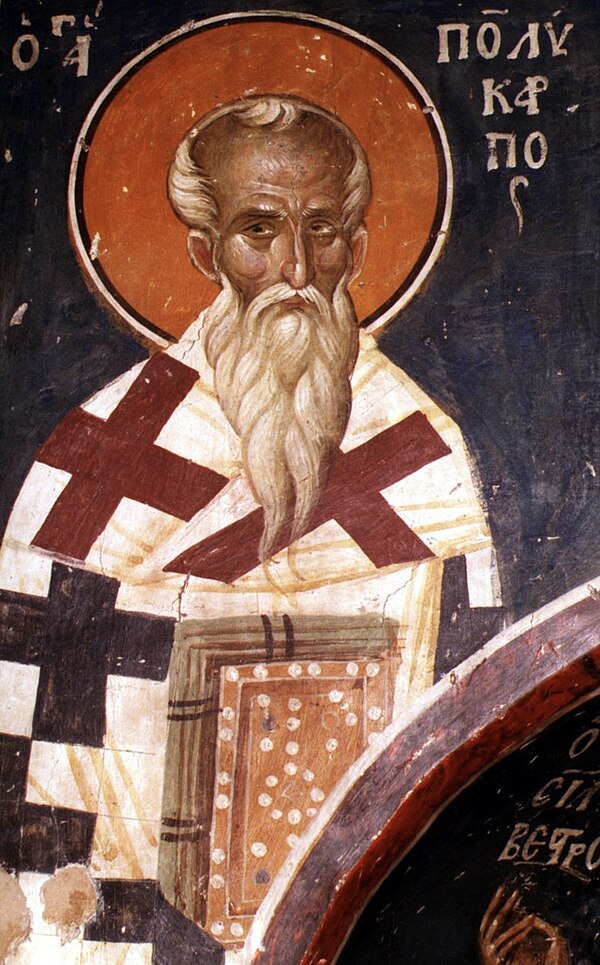
Polycarp of Smyrna
c. 69 – c. 155 · Bishop of SmyrnaBishop of Smyrna and (per Irenaeus) disciple of John the Apostle. Wrote to the Philippians; martyred by burning c. 155-156. Teacher of Irenaeus of Lyons.
Apostolic Fathers — taught by disciples of the apostles, written under persecution.
- 4taught
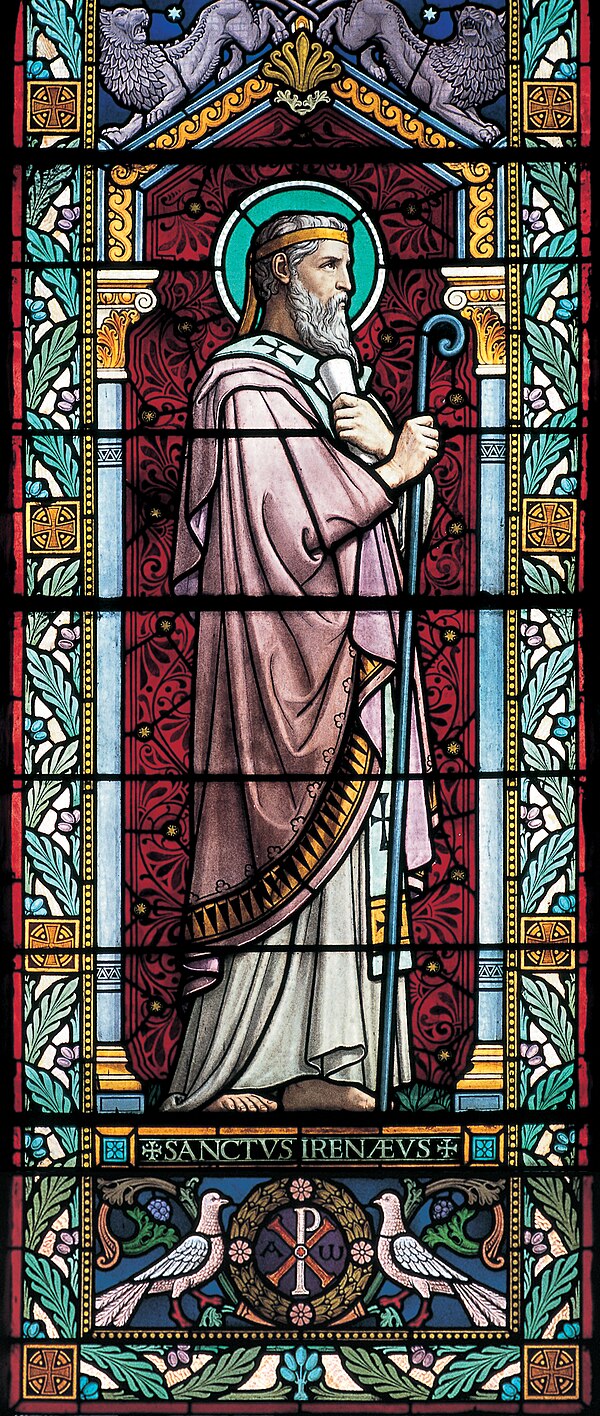
Irenaeus of Lyons
c. 130 – c. 202 · Bishop of LyonsBishop of Lyons, disciple of Polycarp, and author of Against Heresies, the foundational anti-Gnostic work. Bridge between apostolic and ante-Nicene eras.
Ante-Nicene — Apologists and bishops define orthodoxy against Gnostic and Marcionite teaching.
- 5taught by— attested by tradition
Hippolytus of Rome
c. 170 – c. 235Roman presbyter (and possibly antipope) who wrote the Refutation of All Heresies and the Apostolic Tradition. Exiled to Sardinia under Maximinus Thrax. Some scholars split this figure into two; tradition treats him as one.
- 6met— attested by tradition
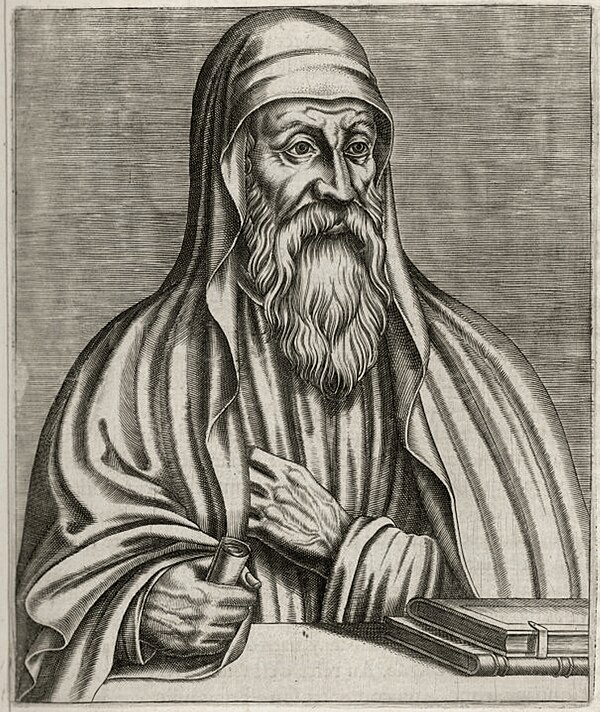
Origen of Alexandria
c. 185 – c. 254Towering Alexandrian biblical scholar and theologian; produced the Hexapla, On First Principles, Against Celsus, and vast commentaries. Tortured under Decius and died from injuries.
- 7cited
Basil of Caesarea
330 – 379 · Bishop of Caesarea MazacaBishop of Caesarea in Cappadocia, founder of cenobitic monastic rules in the East, author of On the Holy Spirit. One of the three Cappadocian Fathers.
Nicene era — after Constantine (313), the great councils settle Trinitarian doctrine.
- 8corresponded
Ambrose of Milan
c. 339 – 397 · Bishop of MilanBishop of Milan and one of the four Latin Doctors. Confronted emperors Theodosius and Valentinian; baptized Augustine in 387.
- 9baptized by
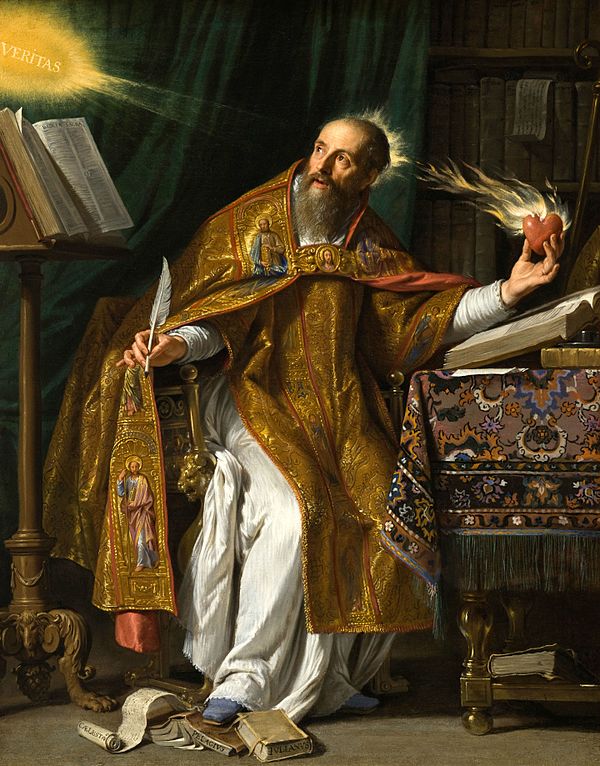
Augustine of Hippo
354 – 430 · Bishop of Hippo RegiusBishop of Hippo and the most influential Latin Father. Author of Confessions, City of God, On the Trinity, and the anti-Pelagian works.
Late Patristic — Augustine in the West, the Cappadocians in the East, theology systematized.
- 10cited
Bede the Venerable
c. 673 – 735Anglo-Saxon Benedictine monk at Jarrow. Author of Historia Ecclesiastica Gentis Anglorum, the principal source for early English Christianity. Wrote extensive biblical commentaries drawing on Augustine, Jerome, Ambrose, and Gregory the Great. Declared Doctor of the Church.
Early Medieval — patristic learning preserved and transmitted through monasteries.
These are ten of the 206 figures we track. The full lineage — every Apologist, Cappadocian, desert father, and pope through John of Damascus — is mapped above. Click anyone there to retrace the chain through them.
Get one early Church quote each morning, with the historical context in plain English.