Read this for iconoclasm and the last major Father in the dataset.
Three Treatises on the Divine Images
John of DamascusThe great defense of icons and a natural closing book for the patristic age.
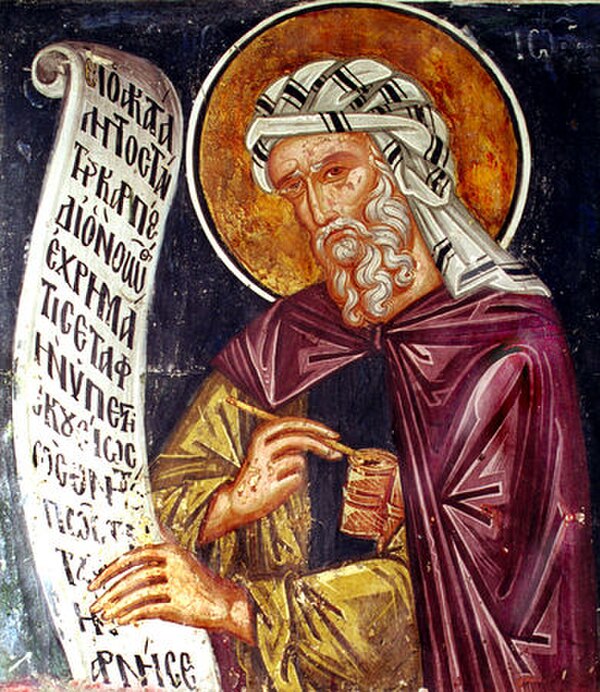
Greek monk at Mar Saba and the traditional last of the Greek Fathers. Author of the Fount of Knowledge (including Dialectica, On Heresies, and De Fide Orthodoxa) — the great synthesis of Greek patristic theology. Wrote three Orations Against Those Who Attack the Holy Images defending icons during the iconoclast controversy.
John of Damascus stands near the end of the patristic age. Living under Muslim rule and writing from the monastery of Mar Saba, he gathered Greek patristic theology into a systematic form in the Fount of Knowledge and defended holy images during the iconoclast controversy. His argument for icons was not decorative: if the Word truly became visible flesh, matter can bear witness to God. Later Byzantine and Latin theologians both inherited his synthesis.
A cover-visible starting point chosen from the curated reading path, either by this figure or by their era.
The great defense of icons and a natural closing book for the patristic age.
Loading…
Third book of the Fount of Knowledge — the great systematic theology of the Christian East.
Defense of icons during iconoclasm — set Eastern Christian aesthetics for a millennium.
Vast catena of patristic + biblical excerpts; preserved many otherwise-lost passages.
Composed canons still sung in Eastern liturgy (e.g. the Easter canon).
As an Amazon Associate we earn from qualifying purchases.