Desert Fathers
AD 250 – 500
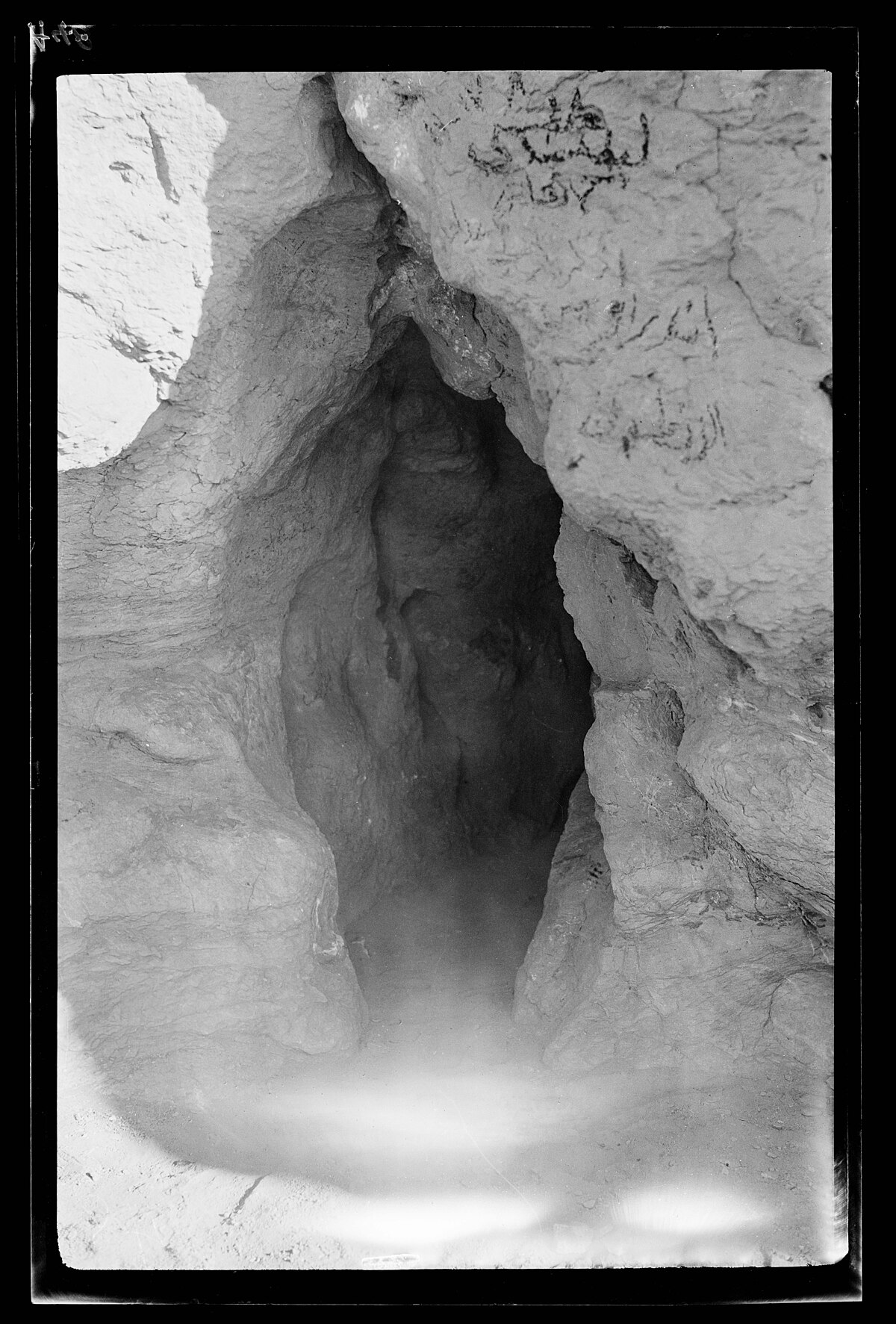
When persecution stopped, the radicals went to the desert. Once Constantine made Christianity legal in 313, dying for the faith was no longer an option. So thousands of Christians, mostly in Egypt and Syria, went out into the wilderness instead — to fast, pray, weep, fight demons, and try to live the gospel literally. They invented monasticism in the process.
Anthony of Egypt is the prototype: a young man who heard 'sell what you have and give to the poor' read in church around 270 and walked into the Egyptian desert that afternoon. He stayed for sixty years. Athanasius wrote his Life around 360, and the book detonated across the empire — Augustine reads it in the Confessions and converts on the spot. Pachomius founds the first communal monastery (a koinonia) on the Nile around 320. Macarius the Great gathers a colony at Scetis. By 400 there are thousands of monks in the Egyptian desert alone.
The Sayings of the Desert Fathers — the Apophthegmata Patrum — are the literature of the movement: short, dry, often funny stories about humility, anger, sex, food, and silence. Evagrius Ponticus systematises desert spirituality into the eight thoughts (later the seven deadly sins). John Cassian carries it west and writes the Conferences and Institutes for Latin readers; Benedict reads Cassian and builds the Rule on him. Every Western and Eastern monk after this point is a child of these people.
Major figures
87 figures placed in this era. Showing the most prominent.
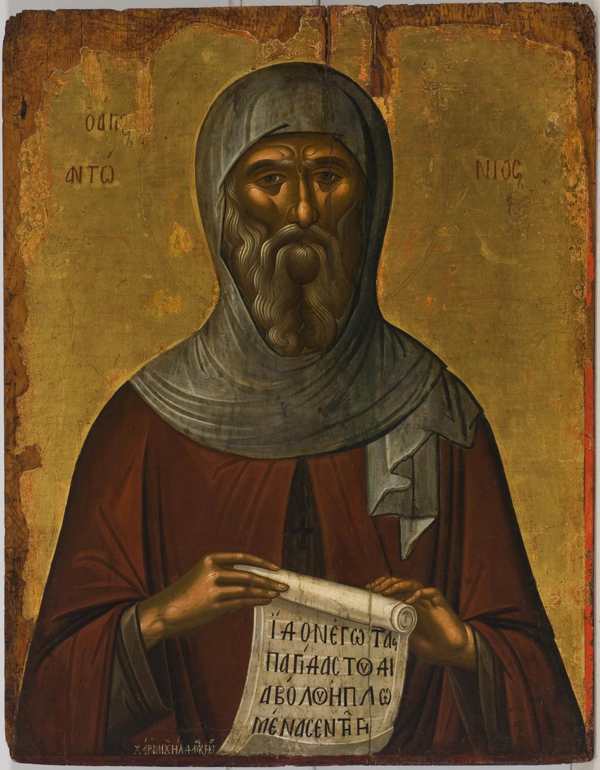
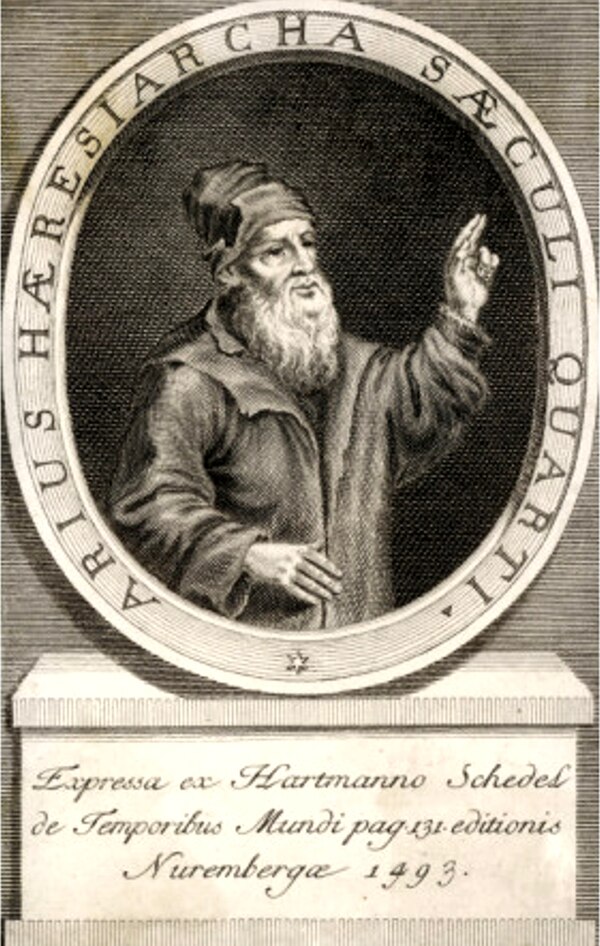
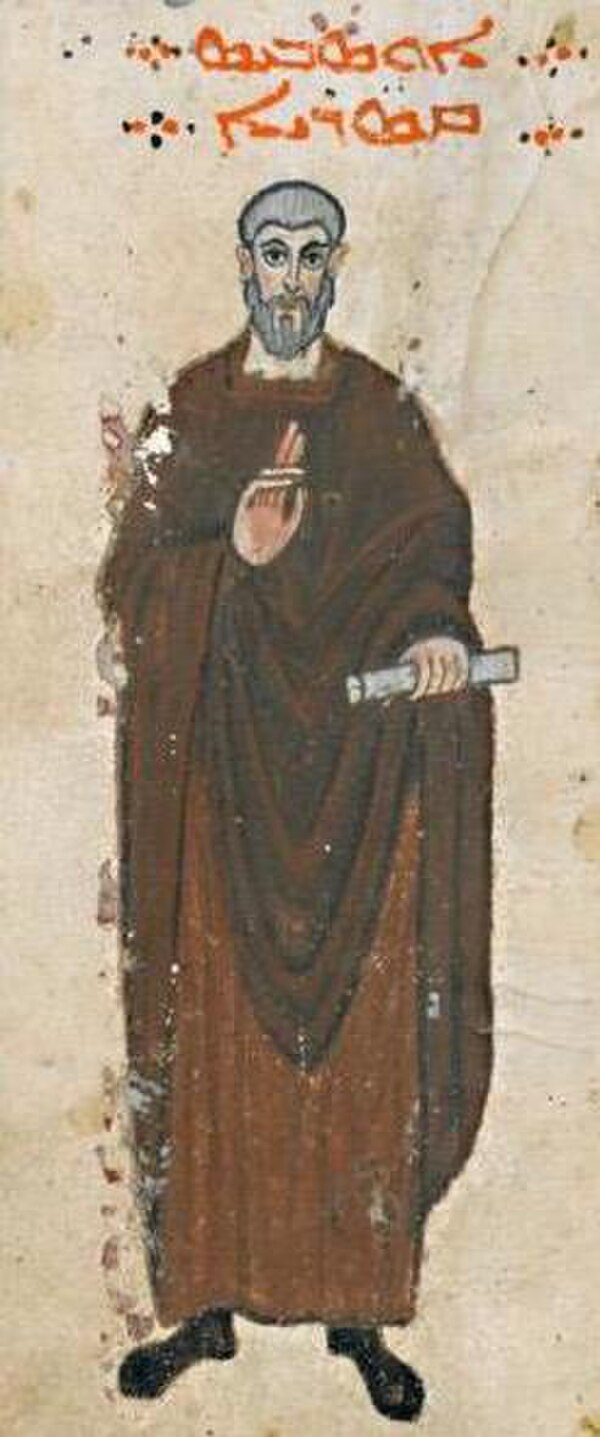
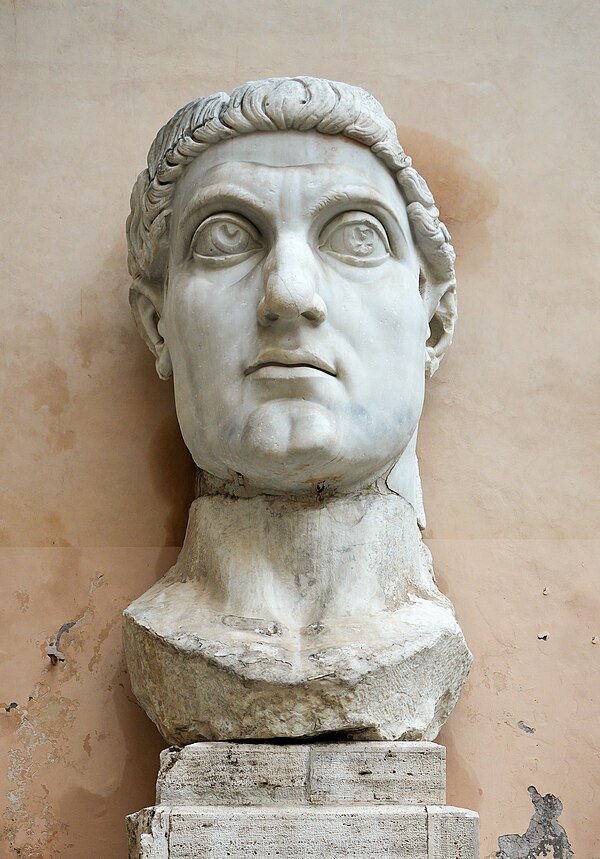
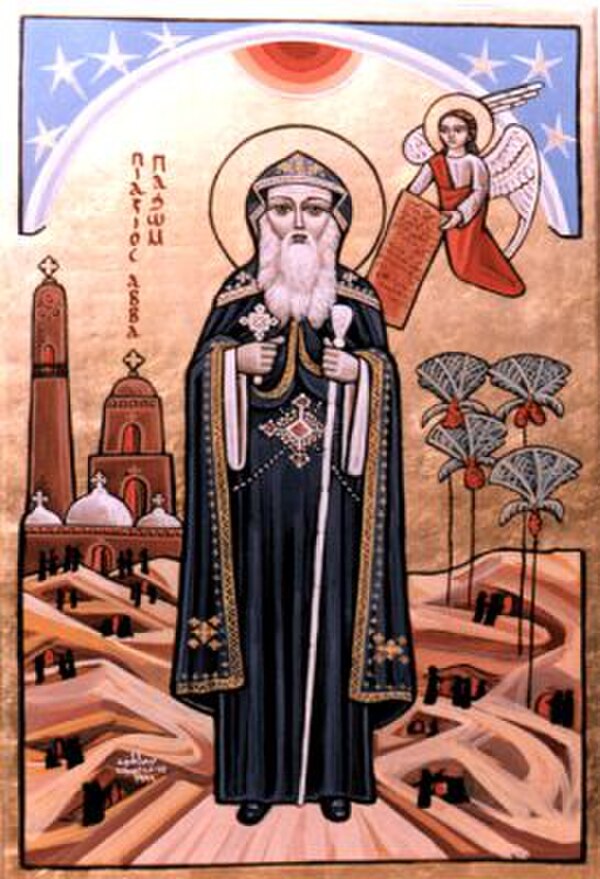
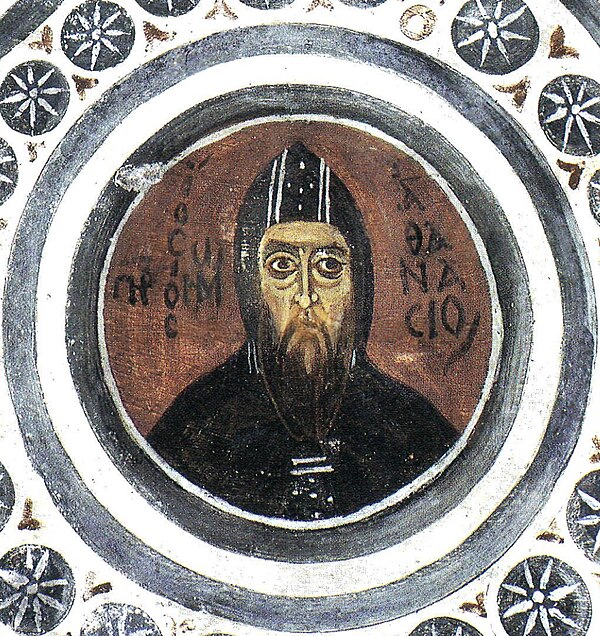
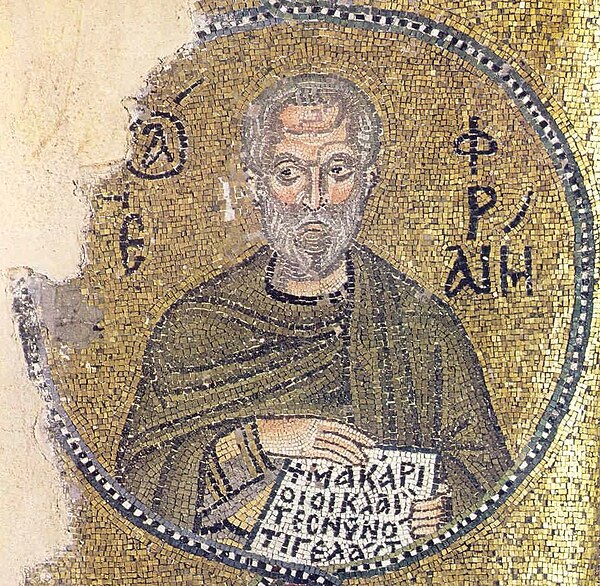
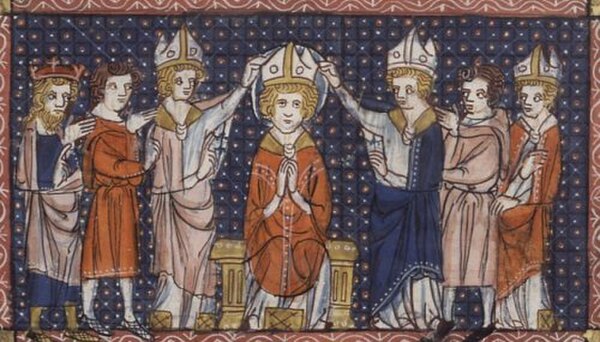
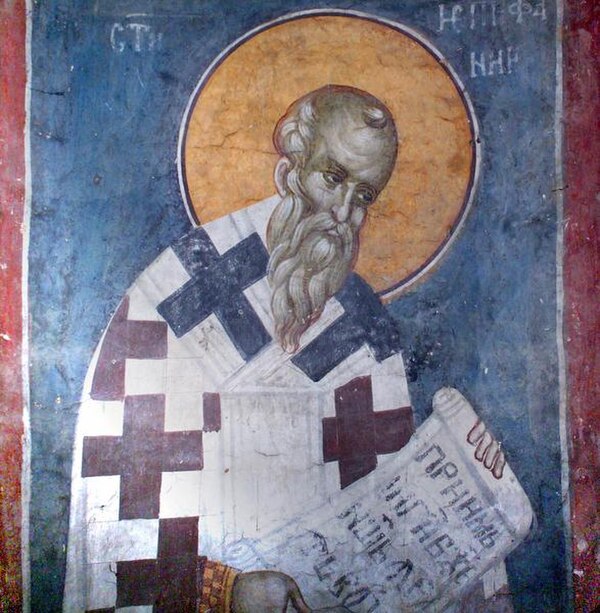
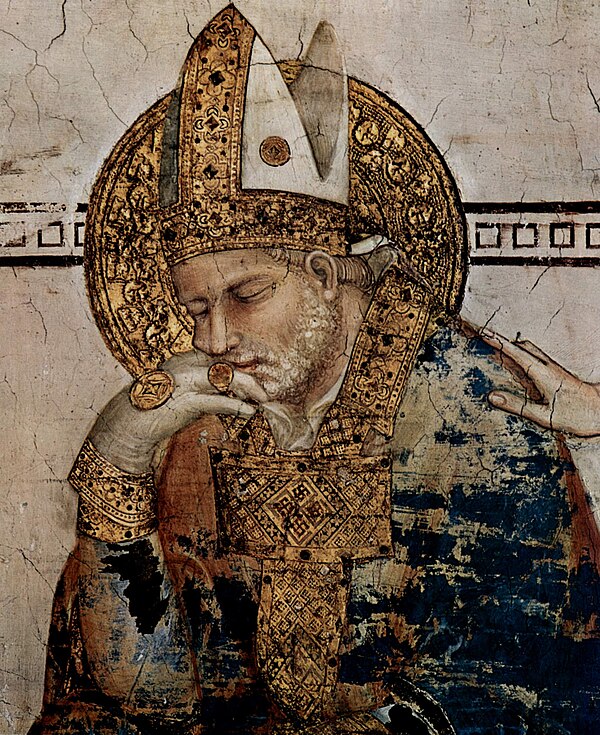
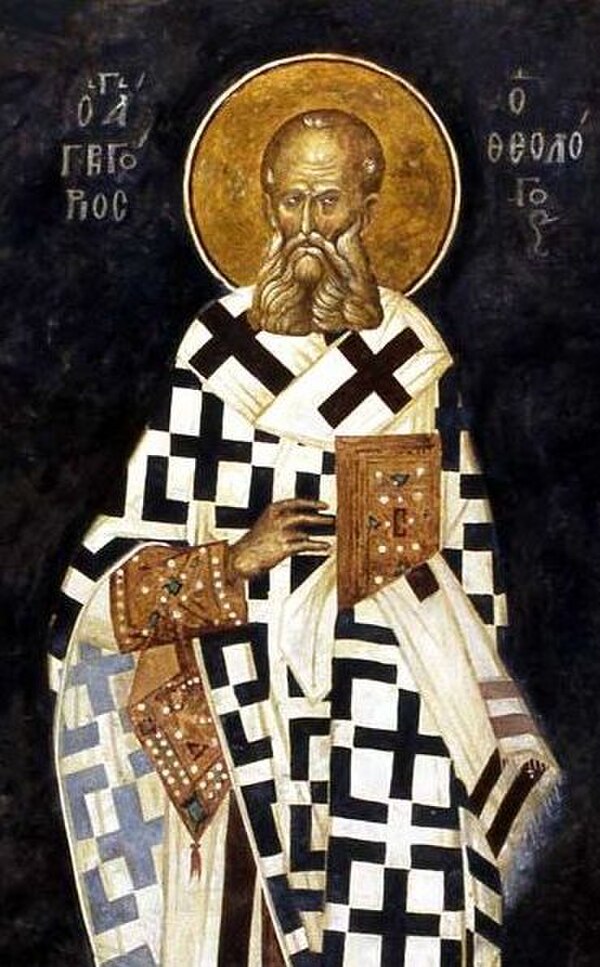
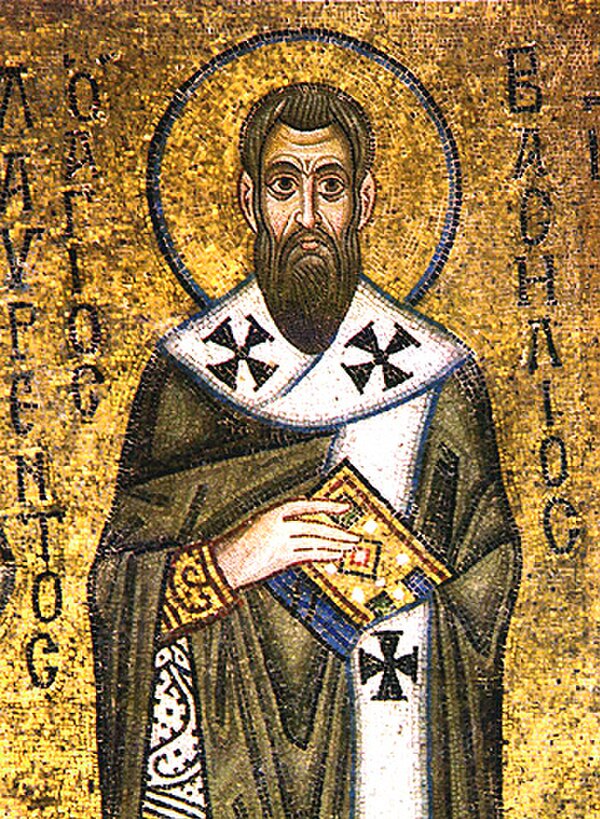
Plus 75 more — see the full directory.
What was decided
- Asceticism becomes the new martyrdom — the highest form of Christian life.
- Monasticism splits into eremitic (solitary) and cenobitic (communal) forms.
- The eight thoughts / seven deadly sins schema is established (Evagrius, Cassian).
- Spiritual fatherhood — the staretz / abba relationship — becomes a core institution.
Recommended books for Desert Fathers
A short reading shelf for this era, chosen from the works already attached to figure pages.
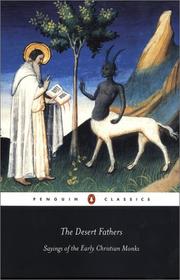
Short sayings from Egyptian monasticism: memorable, strange, practical, and easy to read in small doses.