Schisms
The arguments that didn't end. Judaizers to 1054.
The patristic age was decided by argument, and the arguments that didn't get resolved hardened into schisms. Some healed. Some are still holding the church apart 1,500 years later.
Every council was a fight. Nicaea wasn't a calm theological seminar — it was a 4th-century empire trying to stop civil war over the status of the Son. Chalcedon split Egypt and Syria off from Rome and Constantinople, and that split has held longer than the period of unity that preceded it. Most of the schisms below were pastoral before they were dogmatic: who can be readmitted after apostasy, whose bishop is the real one, whose icon is acceptable. Theology came in to defend or attack the answer.
What follows is every major split the first thousand years produced — through the Great Schism of 1054, where this site stops. Resolved schisms in green; "officially resolved but bitter for centuries" in amber; the ones still in force in red. For each you'll find the question, who decided what, and the figures whose names you'll meet repeatedly.
We've included a few non-doctrinal schisms (Novatianist, Donatist, Meletian) because they shaped doctrine downstream. We've left out minor regional disputes that didn't outlive their bishops. The Great Schism is the closing case — by then the patristic age has ended and a different story has begun.
Books for the arguments
A short shelf for the controversies behind this page: Gnosticism, Nicaea, Christology, and icons.

On the Incarnation
Athanasius of AlexandriaShort, readable, and central: why God became man, written from inside the Nicene fight.

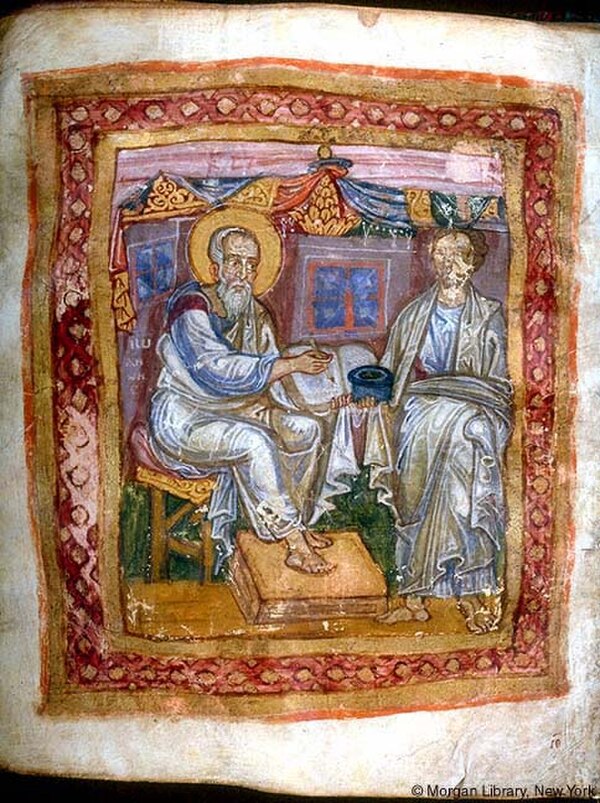
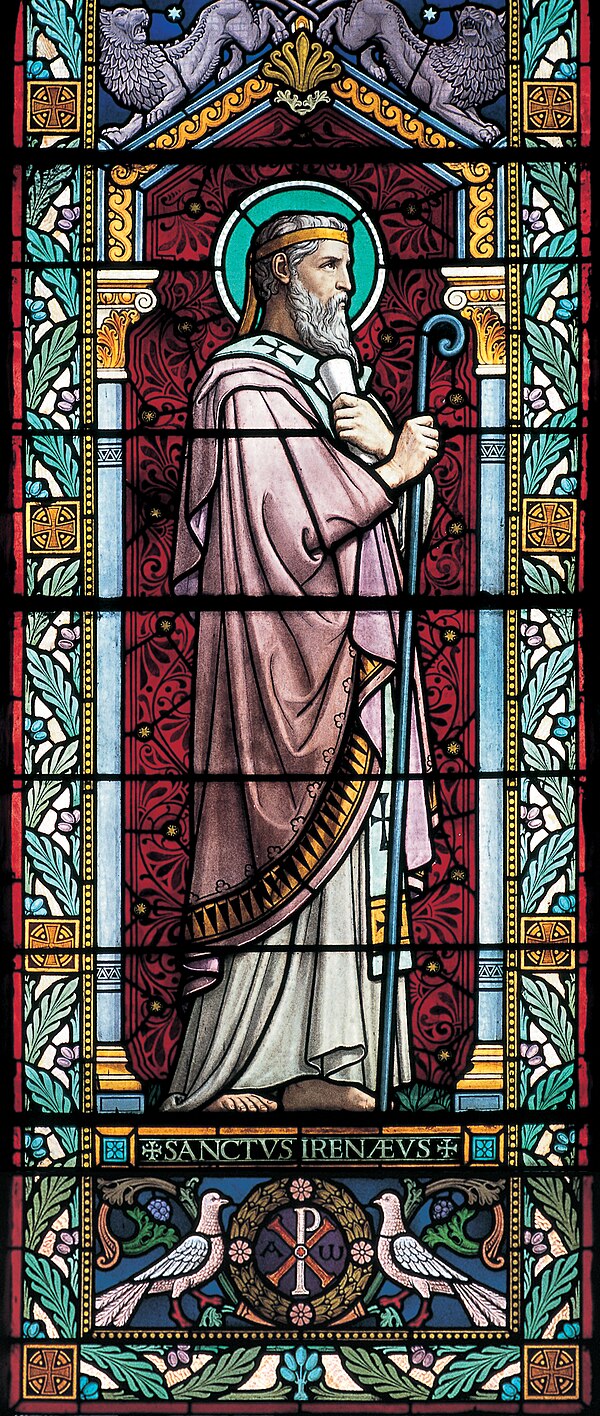
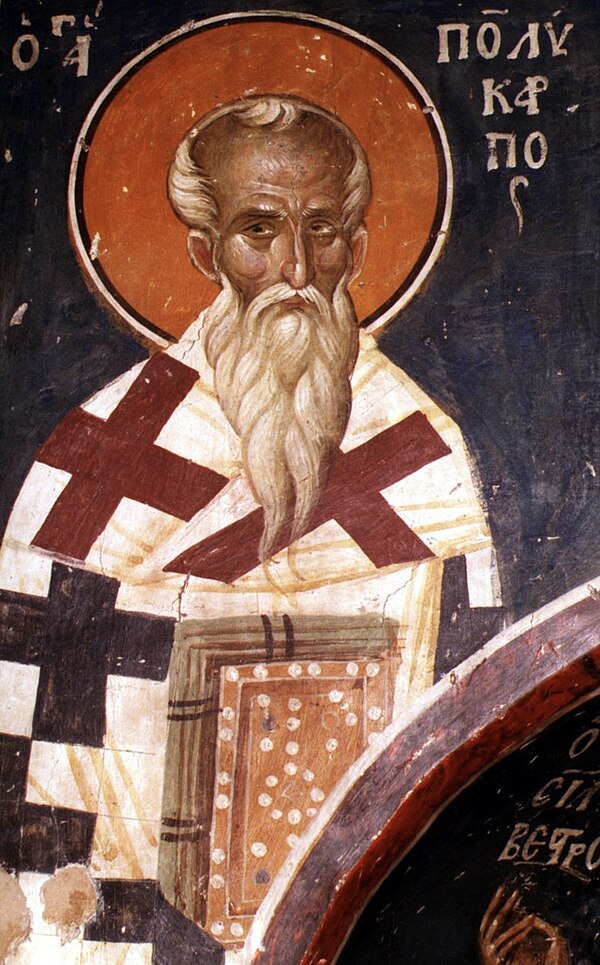
The key text for public apostolic tradition, anti-gnostic argument, and the chain from John to Polycarp to Irenaeus.
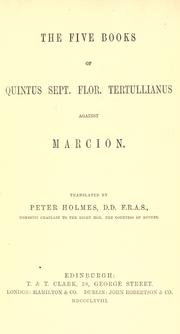
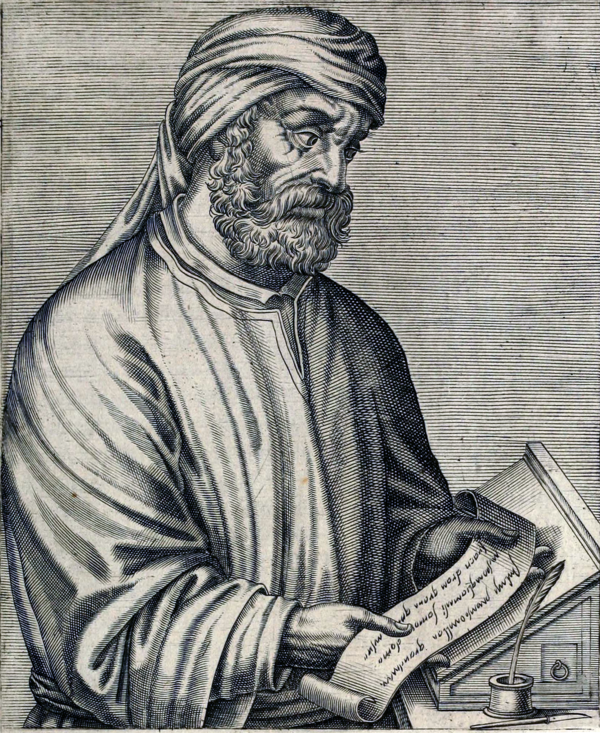
The classic Latin attack on Marcion's rejection of the Old Testament and two-god theology.
Fifteen schisms, AD 30 – 1100
Each band's width is the years the schism was live. Color by outcome. Click any band to jump to its detail card.
The Judaizing controversy
48–70resolvedDid gentile converts have to keep the Mosaic Law?
The first Christian split decision. Without it, Christianity stays a Jewish sect.
- Pauline Christianity
- Jewish-Christian conservatives
Council of Jerusalem (c. AD 50) — Acts 15. Gentiles in without circumcision.
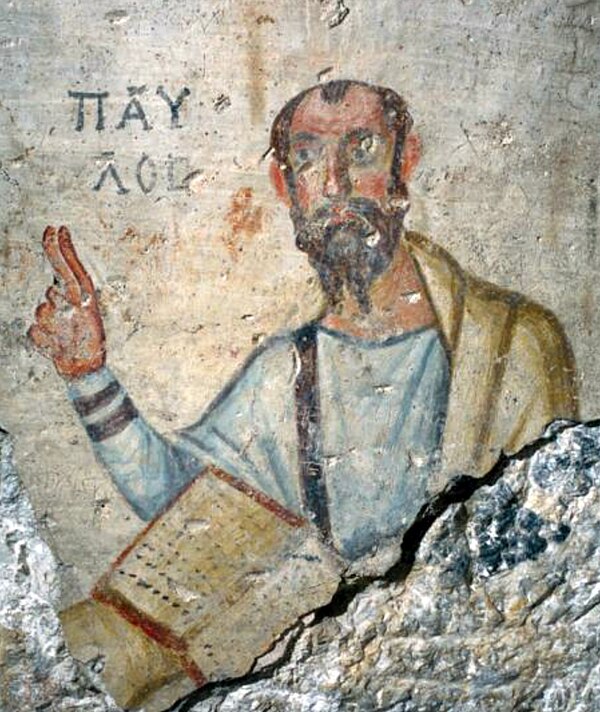
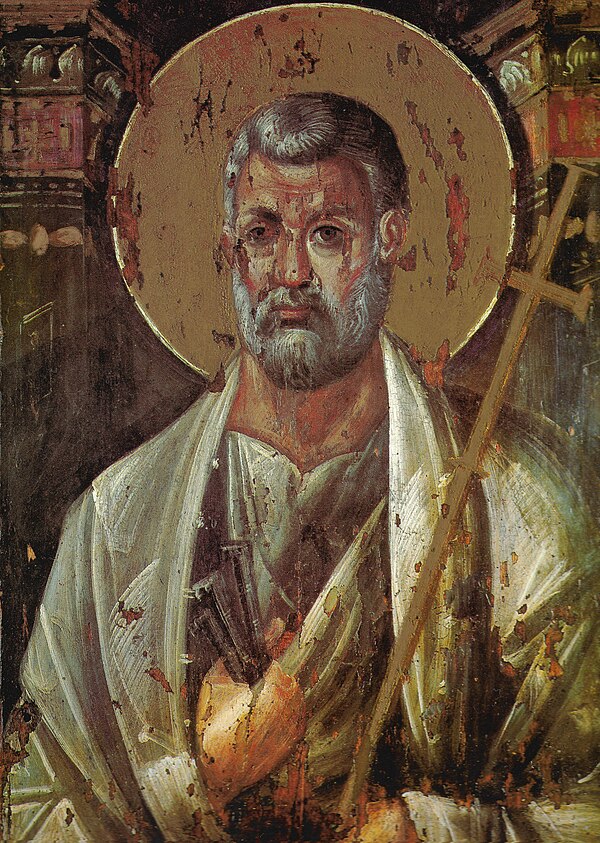
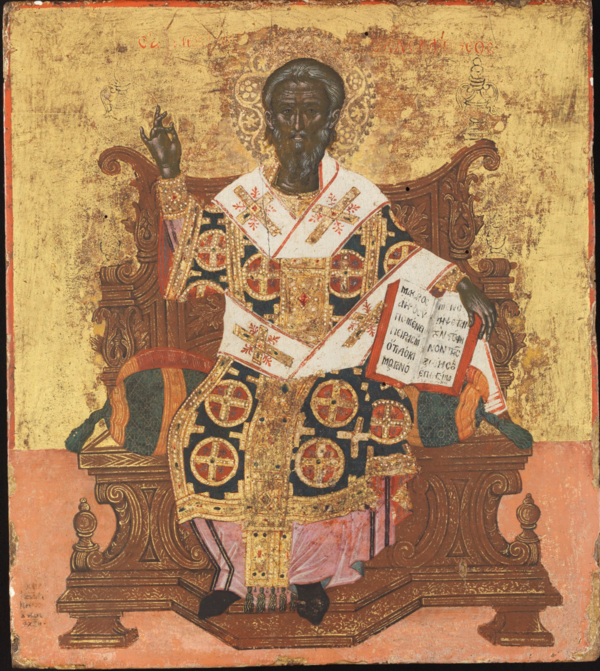
Marcion and the rejection of the Old Testament
144–200resolvedIs the God of the Hebrew Bible the same as the Father of Jesus?
Marcion taught two gods — the wrathful Demiurge of the OT vs. the loving Father of Jesus. The church drew the canon partly to refute him.
- Mainstream church
- Marcionites
Marcion expelled from Roman church 144. Tertullian's Adversus Marcionem 207. The OT is canonical Christian scripture.
Novatianist schism
251–600schism (long-lived)Could the church readmit Christians who had lapsed under persecution?
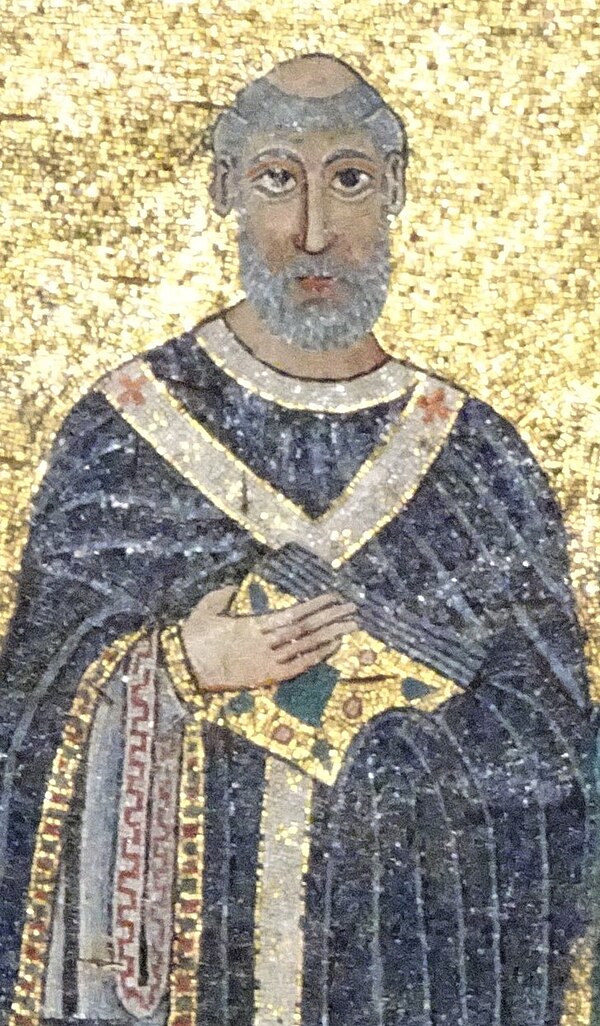
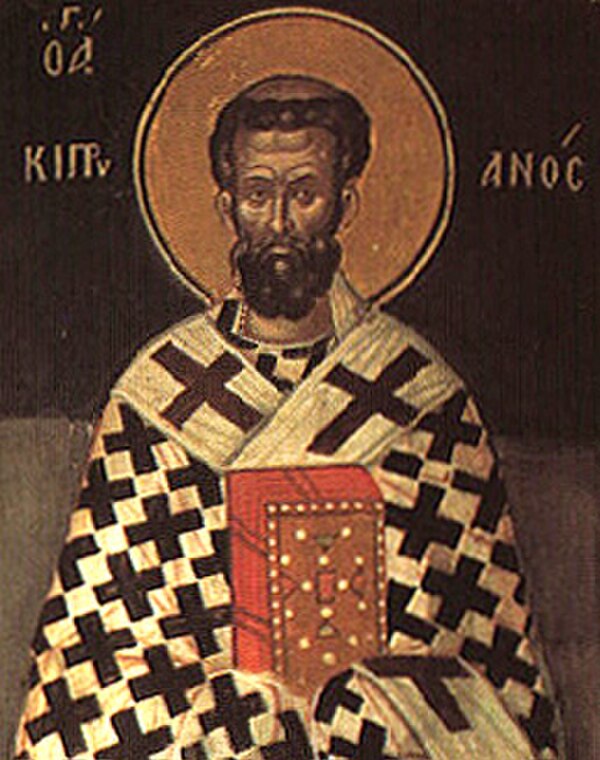
Decian persecution forced the question of mercy vs. purity. Cornelius said mercy; Novatian said purity. Cyprian backed Cornelius.
- Catholic church (Cornelius)
- Novatianists (Novatian)
Cornelius elected pope 251. Lapsed could be readmitted after penance. Novatian and his followers schismatic; movement persisted into the 6th c.
Donatist schism
311–411resolved (formally) but bitter for centuriesAre sacraments valid when administered by lapsed clergy?
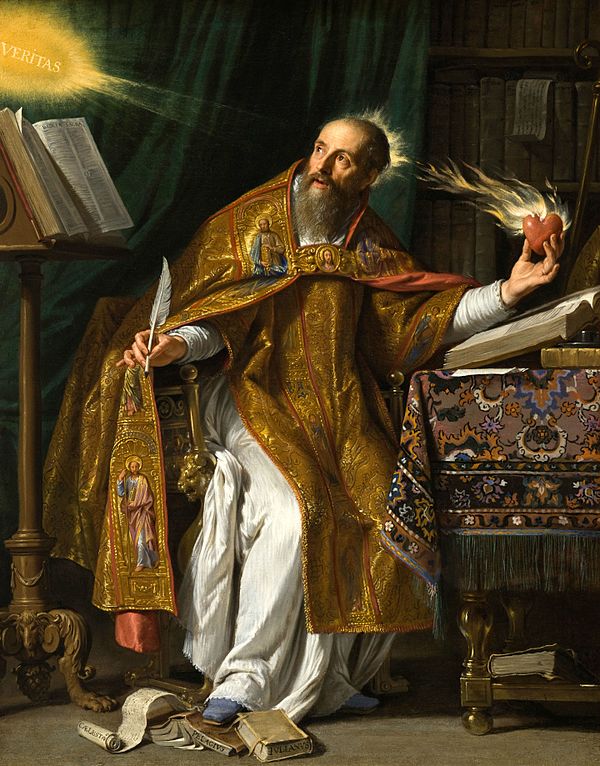
After Diocletian's persecution, North African Christians split over whether bishops who had handed over scriptures could ordain. Augustine spent decades fighting this.
- Catholic church (Caecilian)
- Donatists
Council of Carthage 411 (under Augustine's leadership) ruled definitively against Donatists. Sacraments valid ex opere operato regardless of minister's state.
Arian controversy
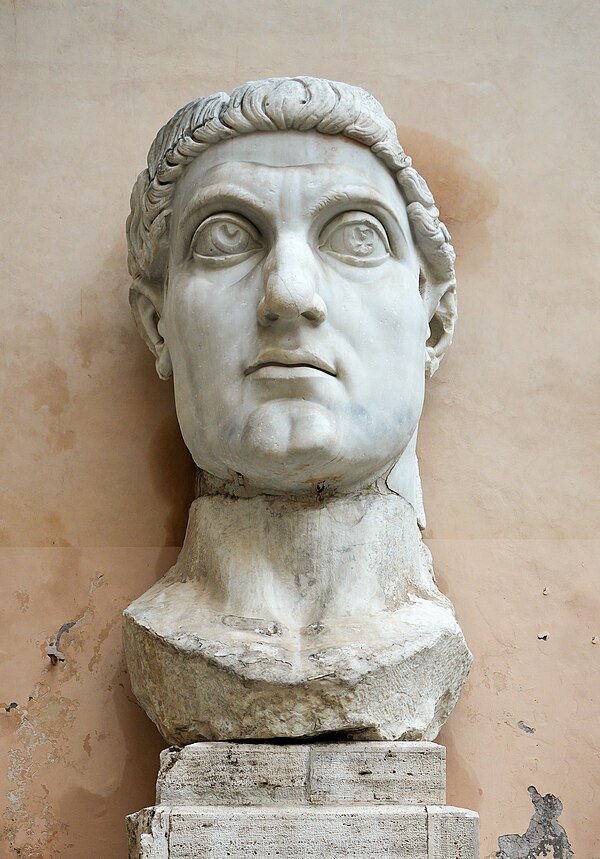
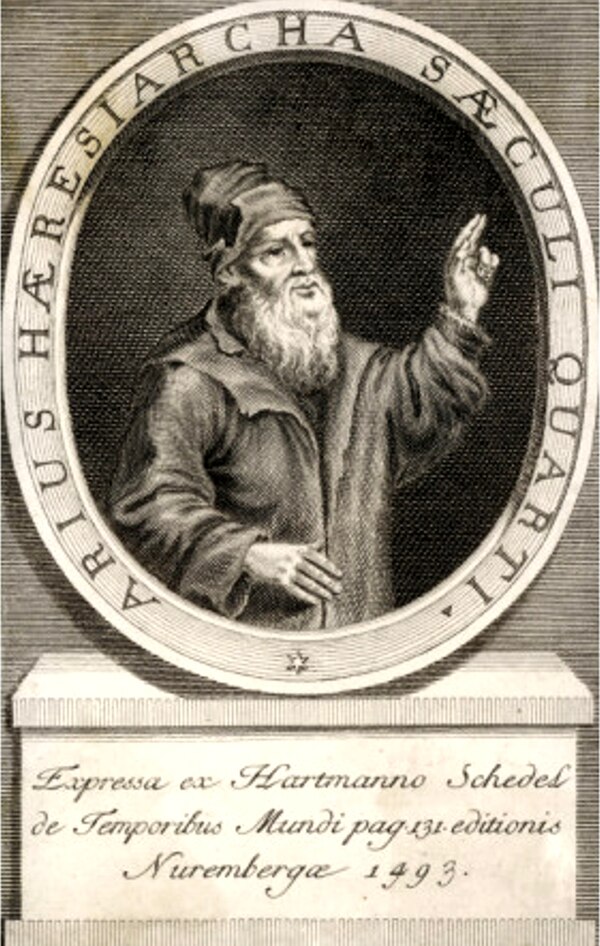
318–381resolved (Nicene side wins)Is the Son fully God or the highest creature?
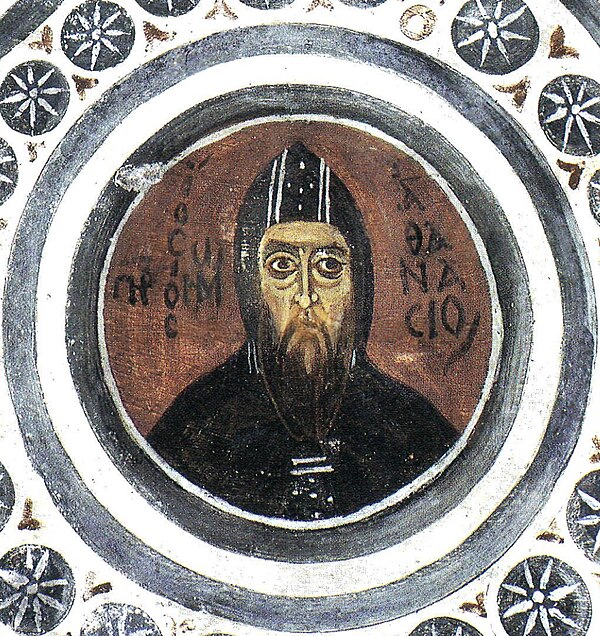
The defining theological war of the 4th century. Almost split the empire as well as the church. Athanasius spent 17 of his 45 years as bishop in exile for refusing to compromise.
- Nicene party
- Arians
- Semi-Arians
Nicaea 325 (homoousios), Constantinople 381 (final settlement of Trinitarian doctrine).
Apollinarian controversy
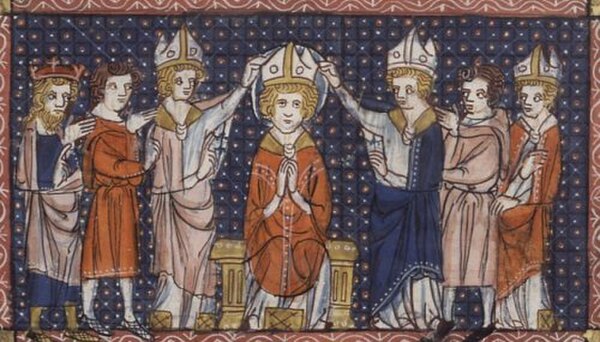
360–381resolvedDid Christ have a human mind?
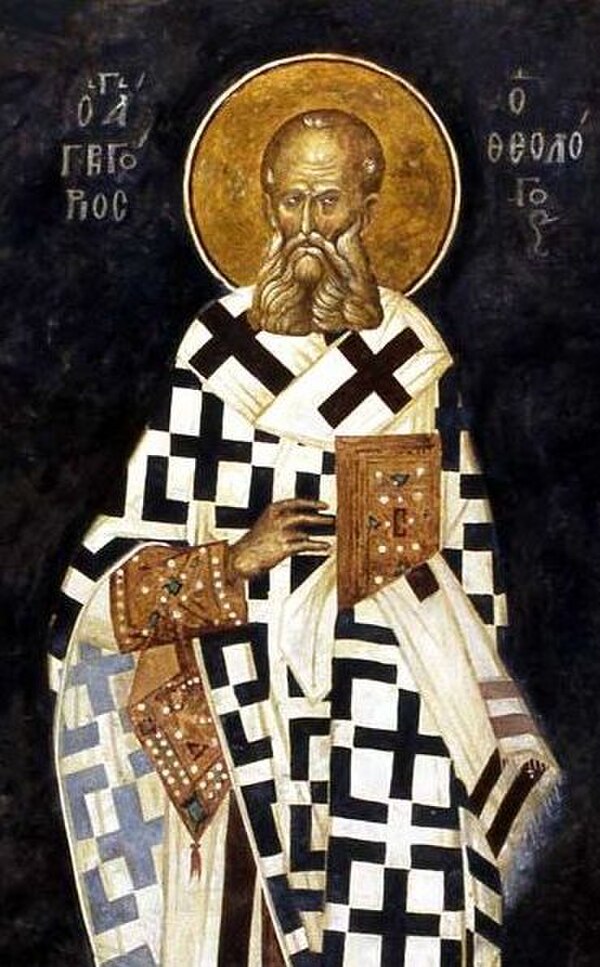
Apollinaris taught the Logos replaced Christ's human mind. Gregory of Nazianzus's reply set the rule: full humanity for full salvation.
- Catholic church
- Apollinarians
Constantinople 381 condemned Apollinaris's denial of Christ's human rational soul. 'What is not assumed is not healed' (Gregory of Nazianzus, Letter 101).
Meletian schism of Antioch
362–415resolvedMultiple bishops claiming the same see during the Arian aftermath.
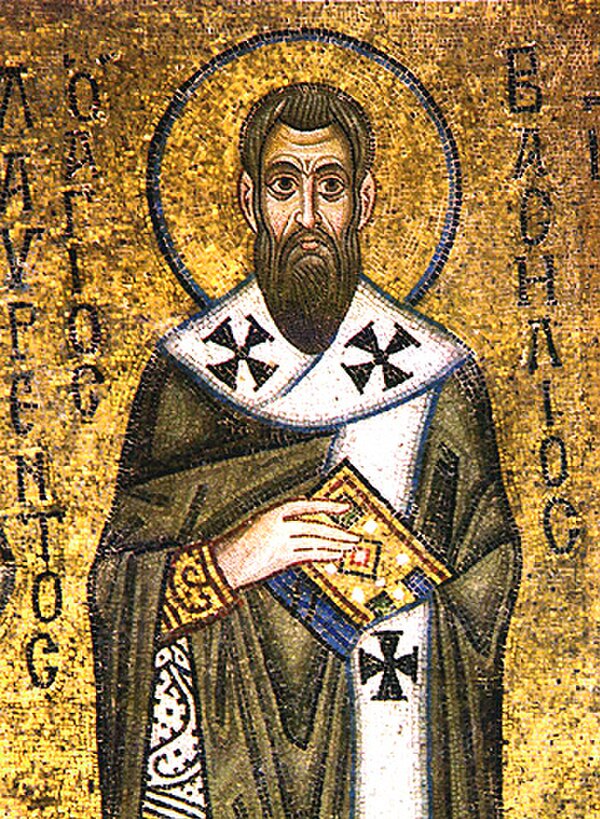
At one point Antioch had four men each claiming to be its rightful bishop. The chaos shaped Cappadocian Trinitarian thought as Basil + Gregory worked to reconcile factions.
- Meletians
- Eustathians
- Apollinarians
- Arians
Healed gradually after Meletius's death; one bishop again under Alexander 415.
Nestorian controversy
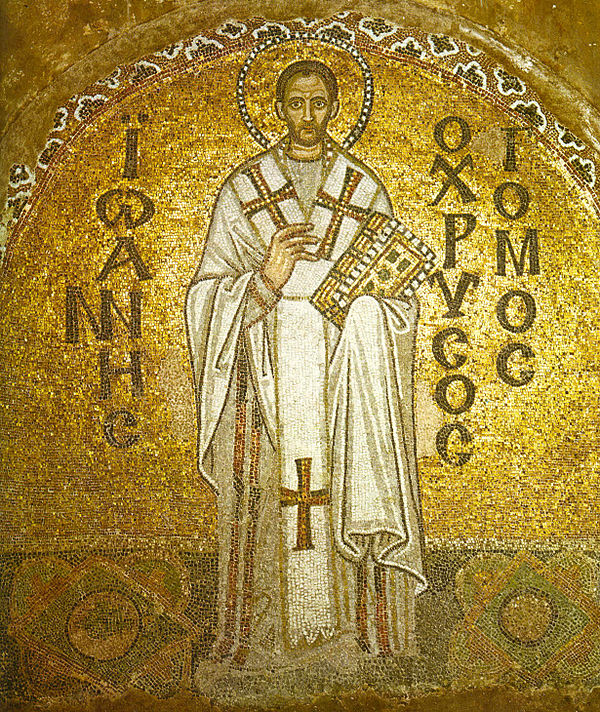
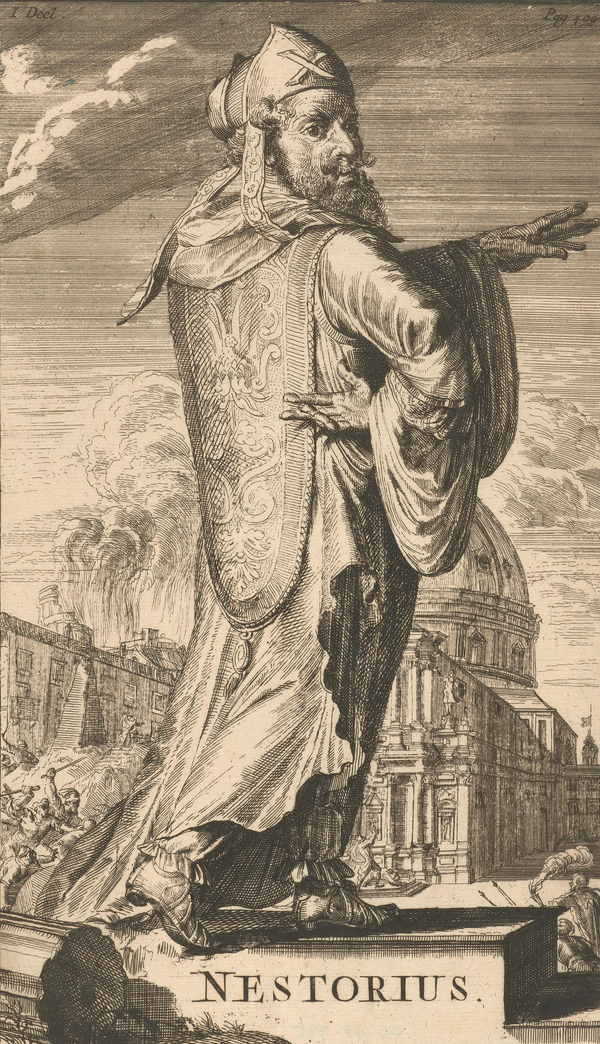
428–451schism (Church of the East to this day)Is Mary 'Mother of God' (Theotokos) or only 'Mother of Christ'?
About words, but really about how to talk about the union of God and man in one person. Echoes through every later Christological dispute.
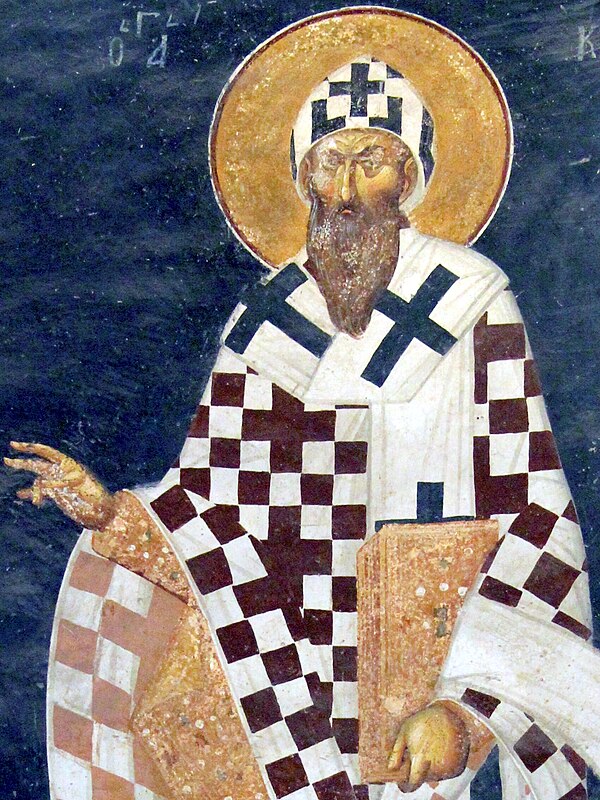
- Cyril of Alexandria's party
- Nestorius and the Antiochenes
Ephesus 431 condemned Nestorius. Theotokos affirmed. Many Antiochene churches and Persian-Christian churches went with Nestorius — Church of the East persists today.
Chalcedonian / Monophysite schism
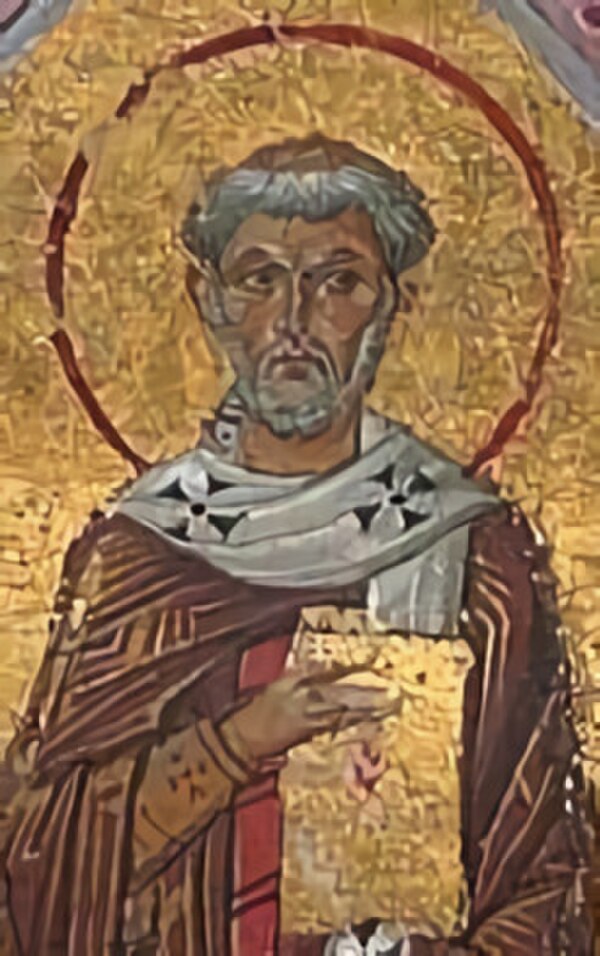
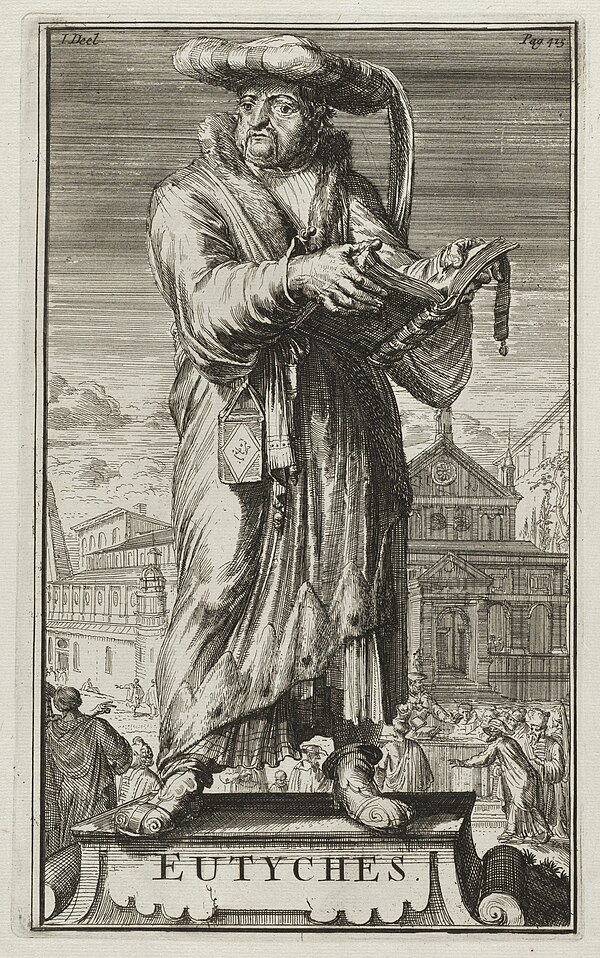
451–600schism (Oriental Orthodox to this day)Is Christ in two natures (divine + human) or one nature after the union?
The deepest, longest-running schism the patristic age produced. Modern ecumenical dialogue (Chambésy 1990) suggests the dispute was largely about language — but the structural split has held for 1,500 years.
- Chalcedonian (Catholic + Orthodox)
- Miaphysite (Coptic, Syriac, Armenian, Ethiopian)
Chalcedon 451 affirmed two natures in one person ('hypostatic union'). Egypt and Syria largely rejected Chalcedon — those churches persist as Oriental Orthodox today.
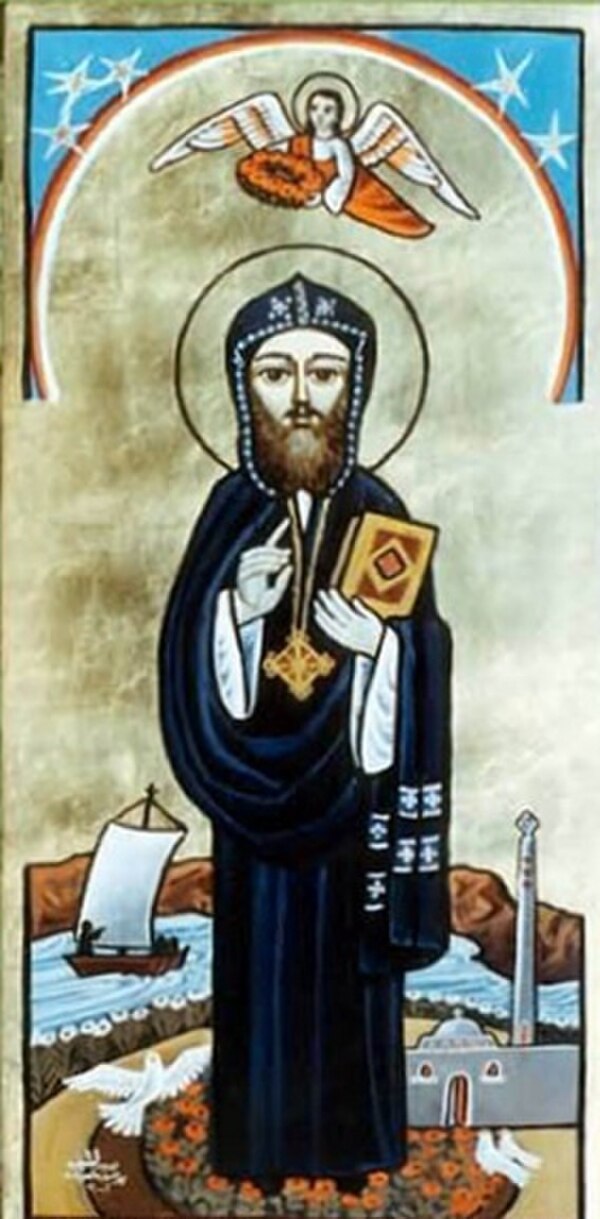
Acacian schism
484–519resolvedCould Constantinople be in communion with Rome while tolerating anti-Chalcedonians?
Eastern emperor Zeno's Henotikon tried to fudge Chalcedon to placate the East; Rome wouldn't have it. 35 years of broken communion. Sets the pattern.
- Rome (Pope Felix III)
- Constantinople (Acacius)
Healed under Pope Hormisdas 519. Constantinople signed the Formula of Hormisdas affirming papal primacy. First formal Rome–Constantinople schism.
Three Chapters controversy
543–553resolved formally; western resentment lingeredShould the church condemn three long-dead Antiochene theologians retroactively?
Justinian tried to win back the miaphysites by condemning their old enemies. African bishops resisted. The Aquileian schism over this lasted to 698.
- Justinian's party
- Western (especially African) bishops
Constantinople II (553) condemned Theodore of Mopsuestia, Theodoret of Cyrus's writings against Cyril, and Ibas's letter. Pope Vigilius bullied into agreement.
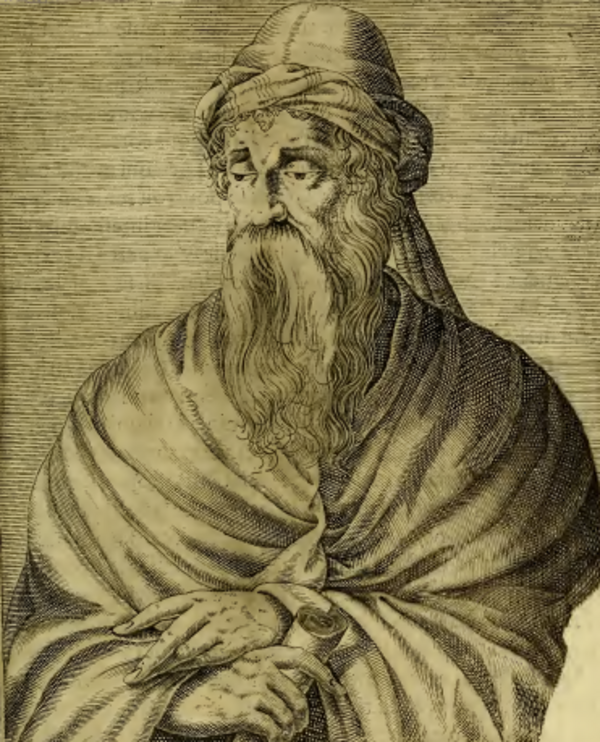
Monothelite controversy
630–681resolvedDoes Christ have one will or two?
Heraclius and Constans II promoted one will to win miaphysites back. Maximus the Confessor refused, was tortured, exiled, mutilated. The council vindicated him posthumously.
- Imperial / monothelite
- Dyothelite (Maximus, Rome)
Constantinople III (680–681) affirmed two wills, one personal subject. Maximus the Confessor died for this position before he was vindicated.
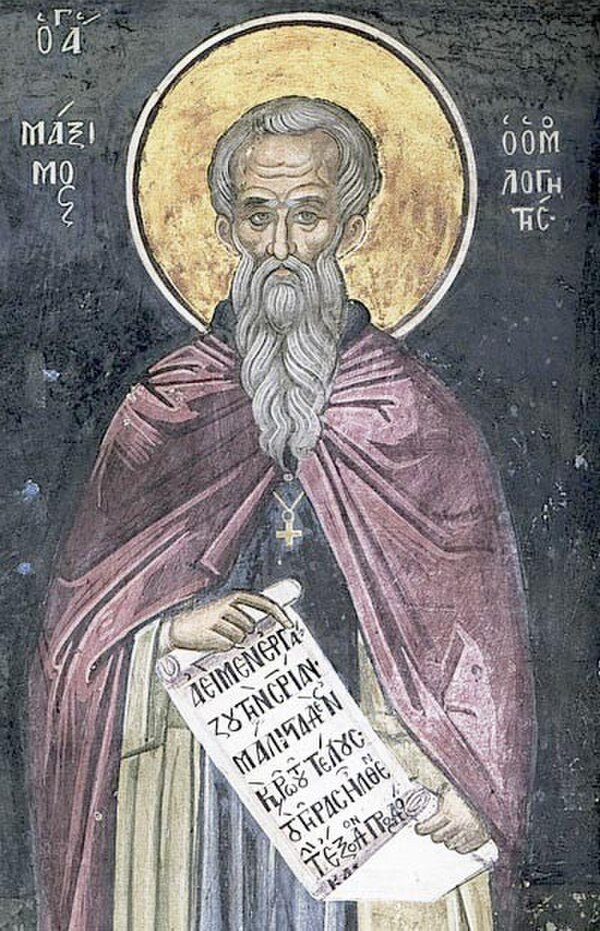
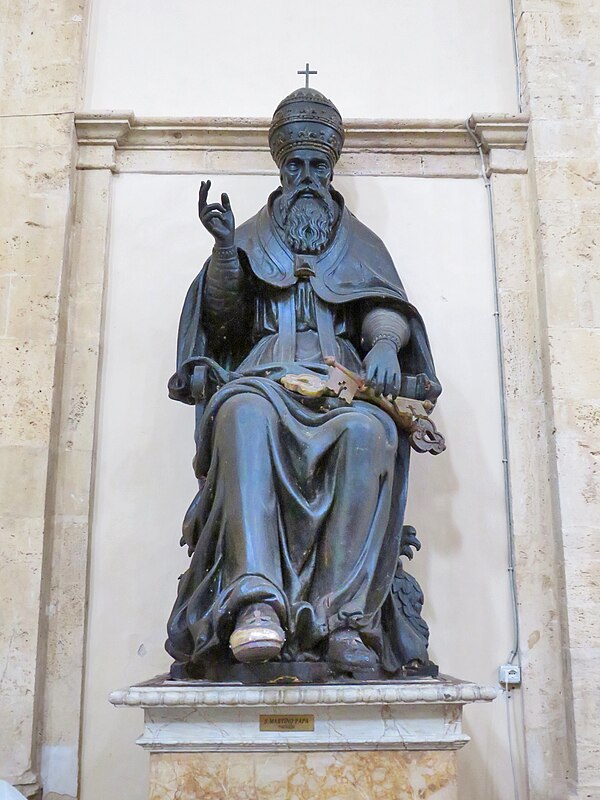
Iconoclasm
726–843resolvedShould Christians make and venerate icons?
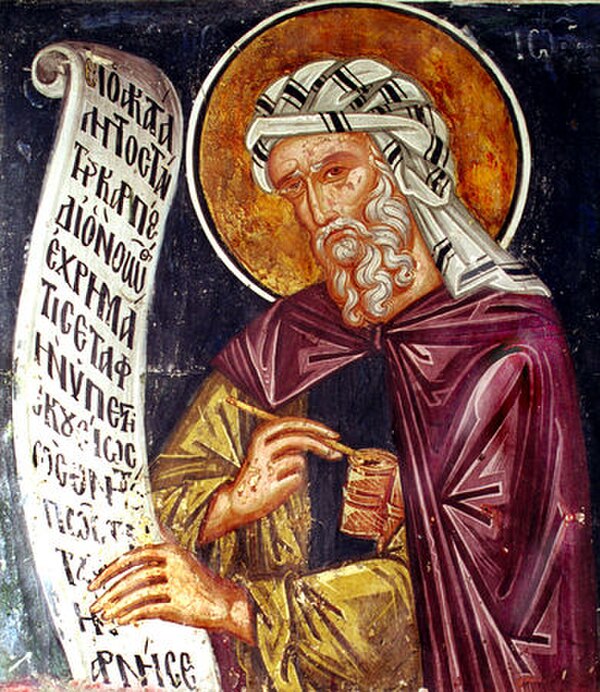
John of Damascus, working at the court of a Muslim caliph, defended icons against Byzantine emperors who wanted them destroyed. The site closes here — John is the last Father.
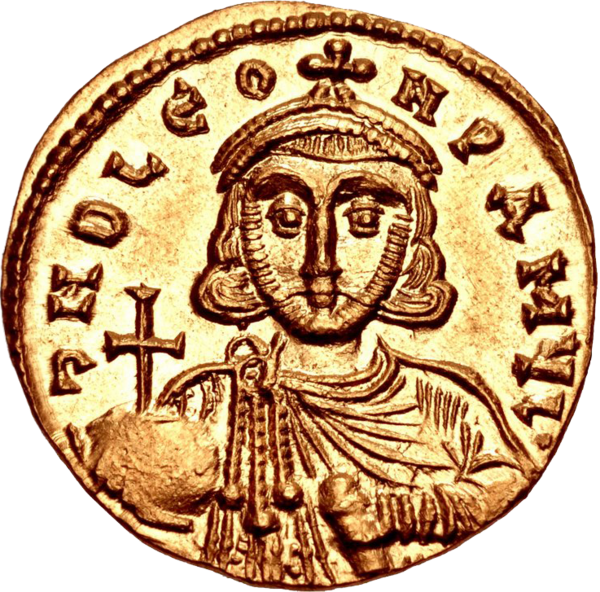
- Iconoclasts (Byzantine emperors Leo III, Constantine V, etc.)
- Iconodules (John of Damascus, Theodore the Studite, Empress Irene, Empress Theodora)
Nicaea II (787) affirmed icon veneration. Final restoration 843 — 'Triumph of Orthodoxy' still celebrated annually in Eastern churches.
Photian schism
863–879resolved (briefly)Filioque, papal primacy, and Slavic mission territory all at once.
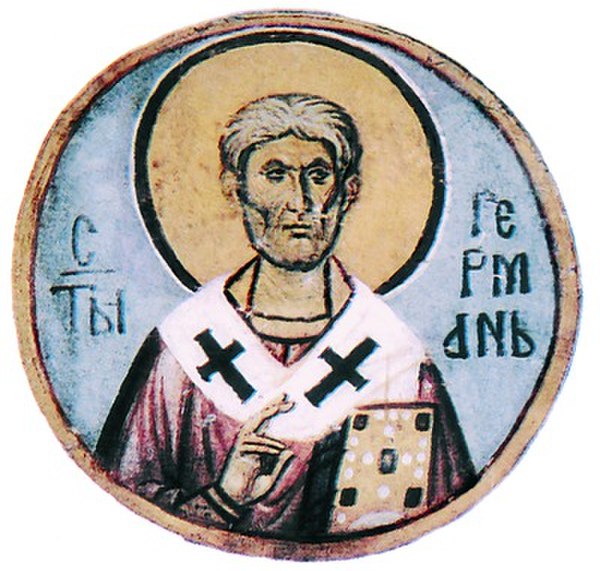
Photius condemned the Western addition of 'and from the Son' to the creed and rejected papal claims to universal jurisdiction. After his time, all the issues remained.
- Pope Nicholas I + Pope Adrian II
- Patriarch Photius
Healed under Pope John VIII 879–880, but the underlying tensions (filioque, papal claims, jurisdictional disputes) all flared again in 1054.
The Great Schism
1054schism (still in effect)Rome and Constantinople formally excommunicate each other.
The unhealed split that closes the patristic story. Filioque, papal primacy, unleavened bread, married clergy — most issues had patristic-era roots. The breach has lasted longer than the healed period preceding it.
- Western (Catholic) church
- Eastern (Orthodox) churches
Mutual excommunications by Cardinal Humbert and Patriarch Cerularius in July 1054. The excommunications were formally lifted in 1965 — but the churches remain separated.
After 1054
The Reformation, the English Reformation, and the modern denominational splits all sit downstream of the patristic settlement — and all of them are out of scope for this site, which closes with the patristic age. They aren't unimportant. They just belong to a different chapter.
If your interest is in those, you'll need different resources — for now, this site closes at 1054 because that's when the church's first thousand years ends and a different story begins.