Apostolic Fathers
AD 100 – 150
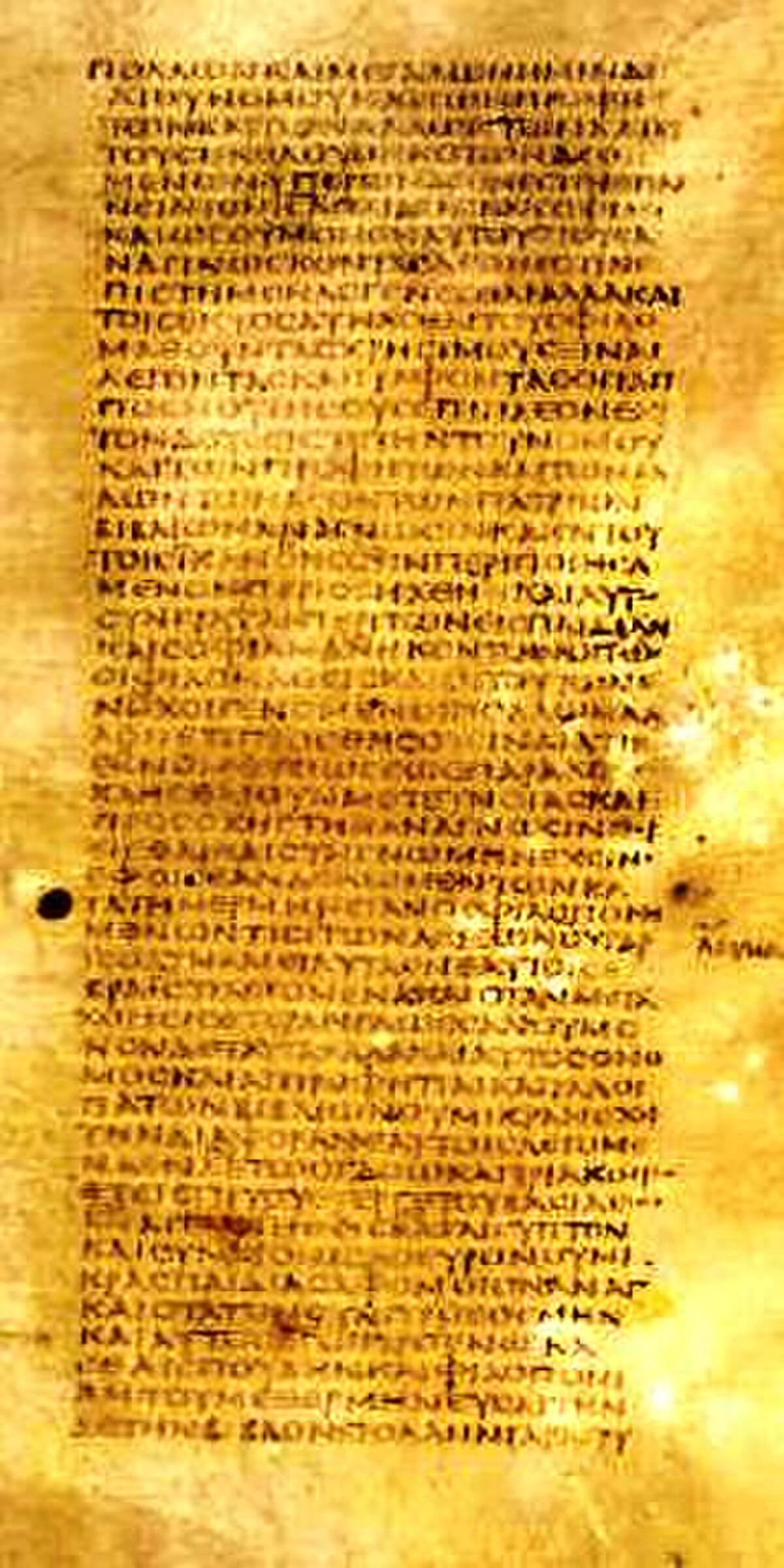
The first Christians who weren't Christians by birth. The apostles were dead or dying when this generation was being formed; they grew up hearing about Jesus from people who'd touched him and heard him talk. None of them wrote a gospel. They wrote letters — to congregations in trouble, to bishops they'd never met, to the emperors who were starting to notice.
Three names carry the weight of the period. Clement of Rome, writing to the Corinthians around AD 96, is already invoking apostolic authority to settle a leadership dispute — the first non-canonical Christian text we have. Ignatius of Antioch, on his way to martyrdom in Rome around 110, fires off seven letters that fix the shape of the church: one bishop per city, no Eucharist without him, hold the line on the real humanity and real divinity of Christ. Polycarp of Smyrna, taught by John himself, lives until 155 and becomes the bridge from the apostles to Irenaeus and the next century.
By 150 AD, Christianity has shape: a single bishop per city, a fixed weekly Eucharist, an emerging canon, a refusal to sacrifice to the emperor. The Didache circulates as a manual for new churches. The Shepherd of Hermas circulates as devotional reading. The faith is no longer being made up; it is being passed on.
Major figures
44 figures placed in this era. Showing the most prominent.
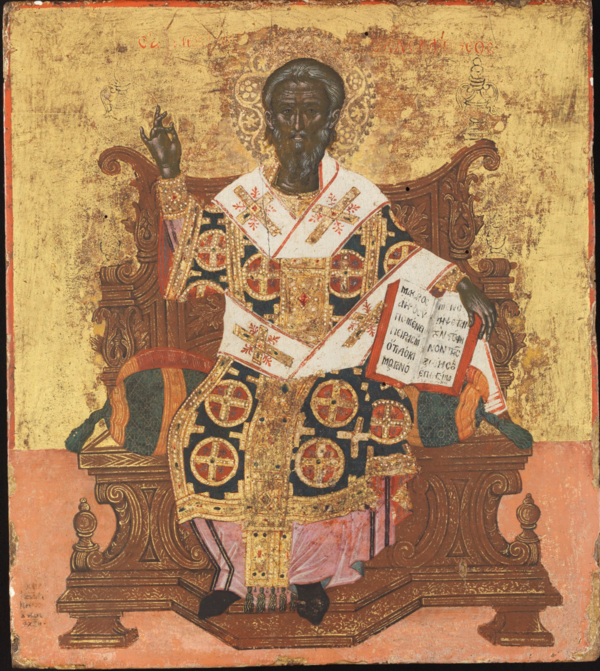
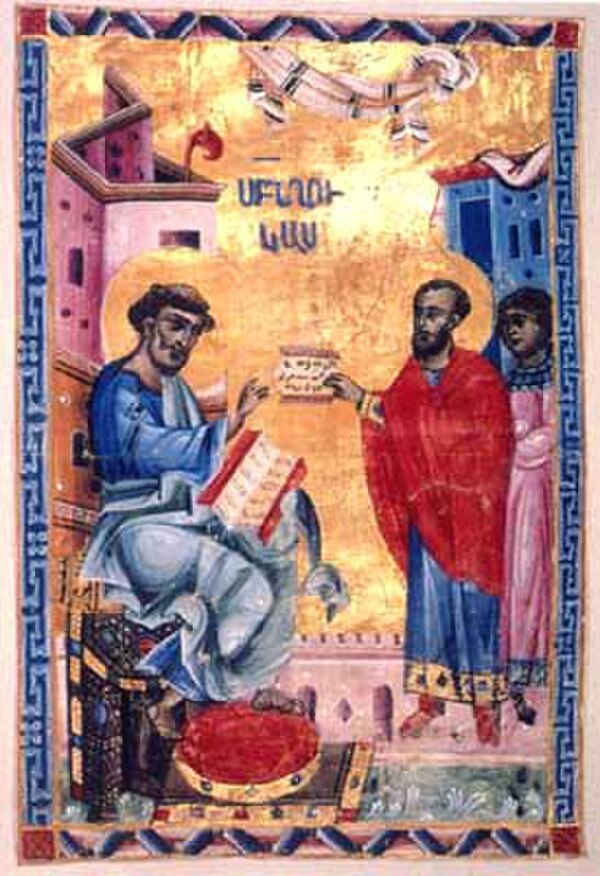
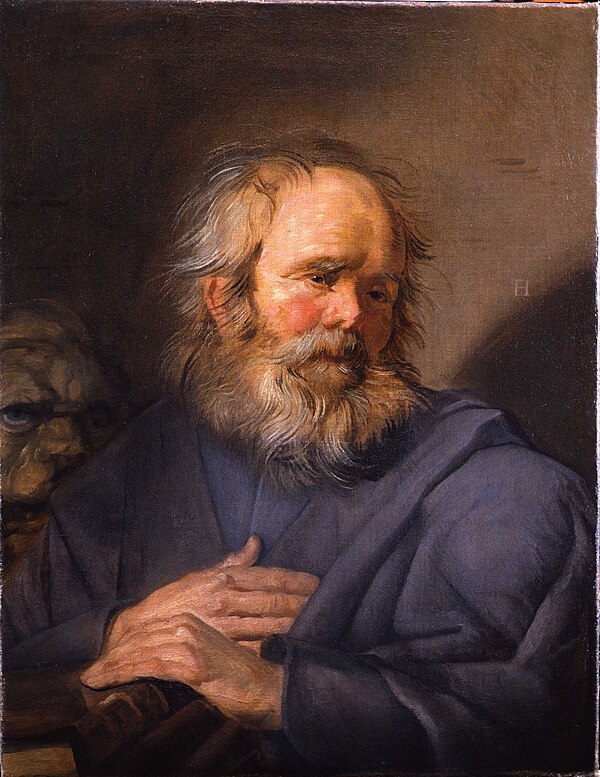
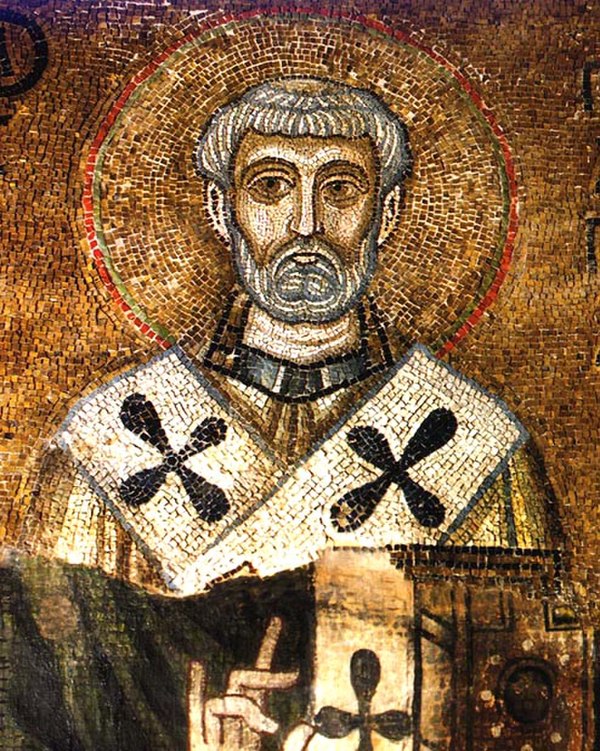
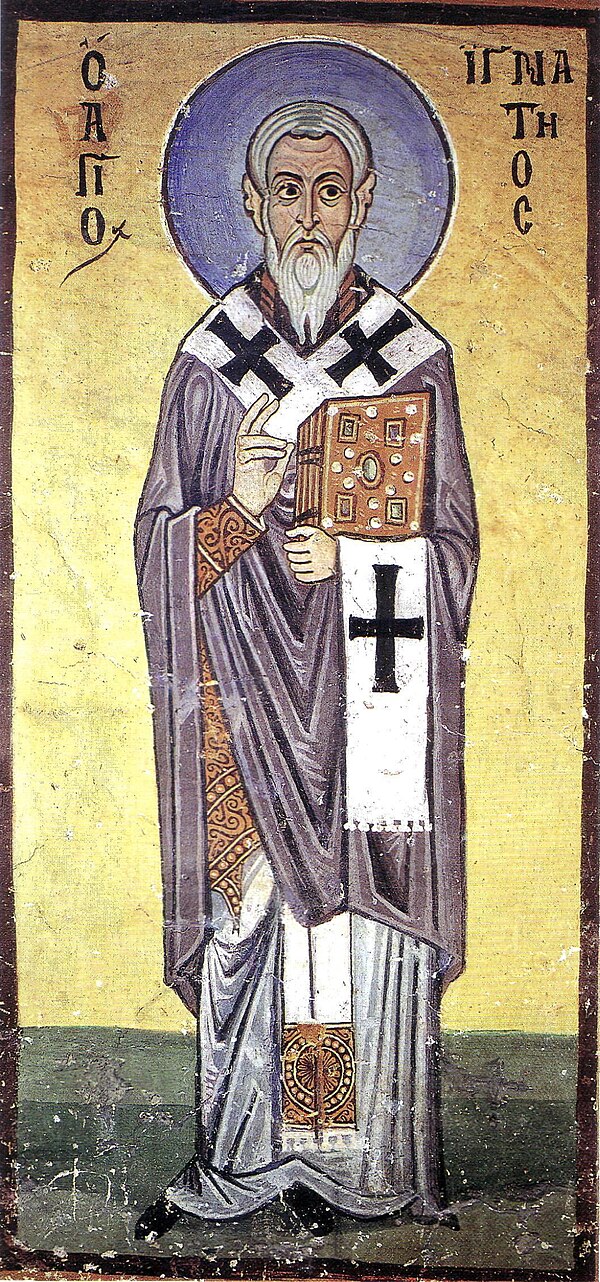
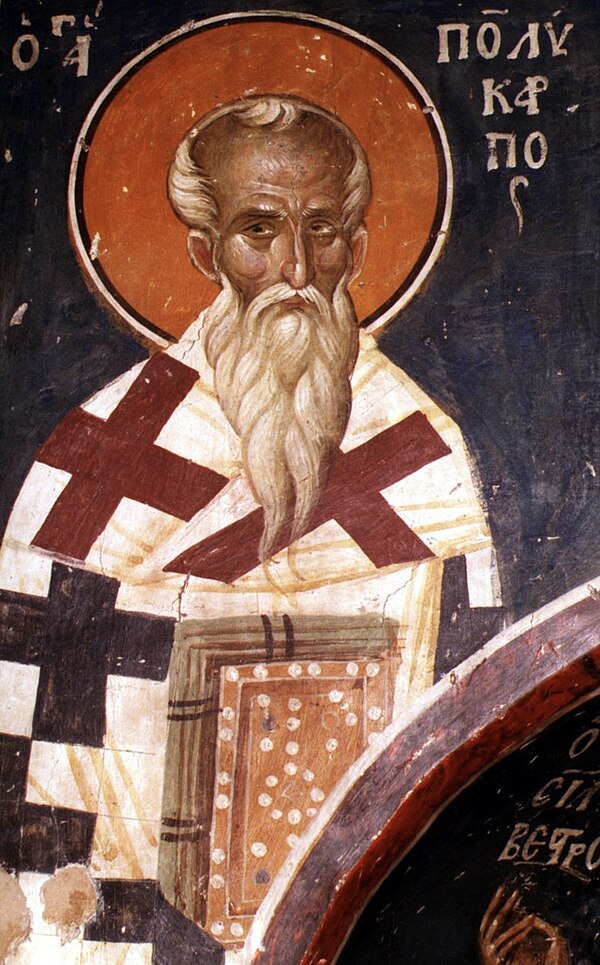
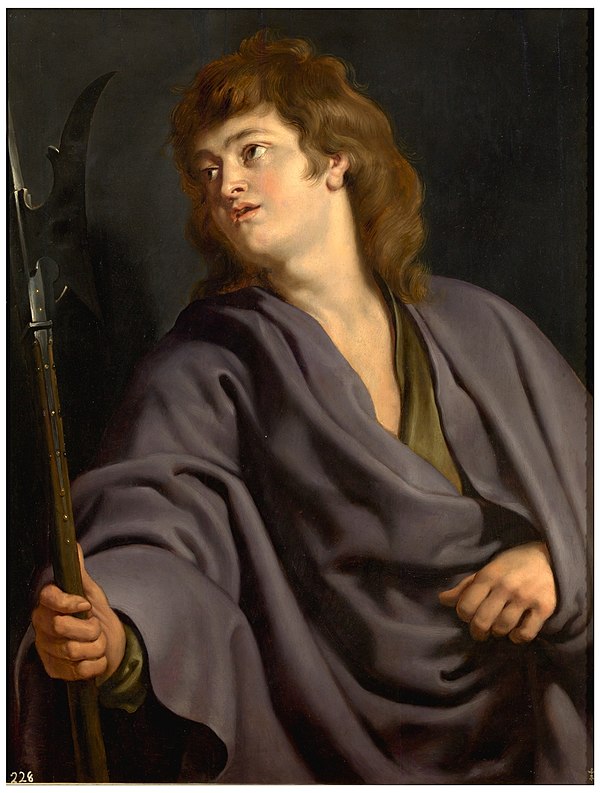
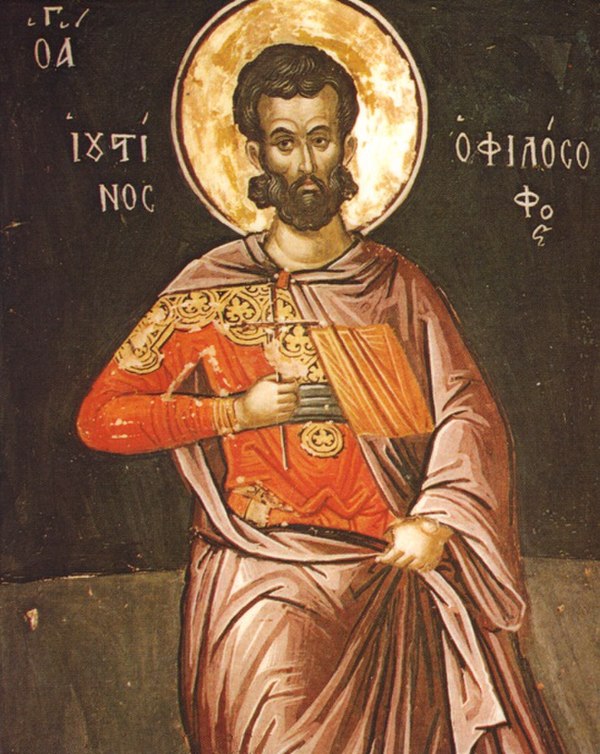
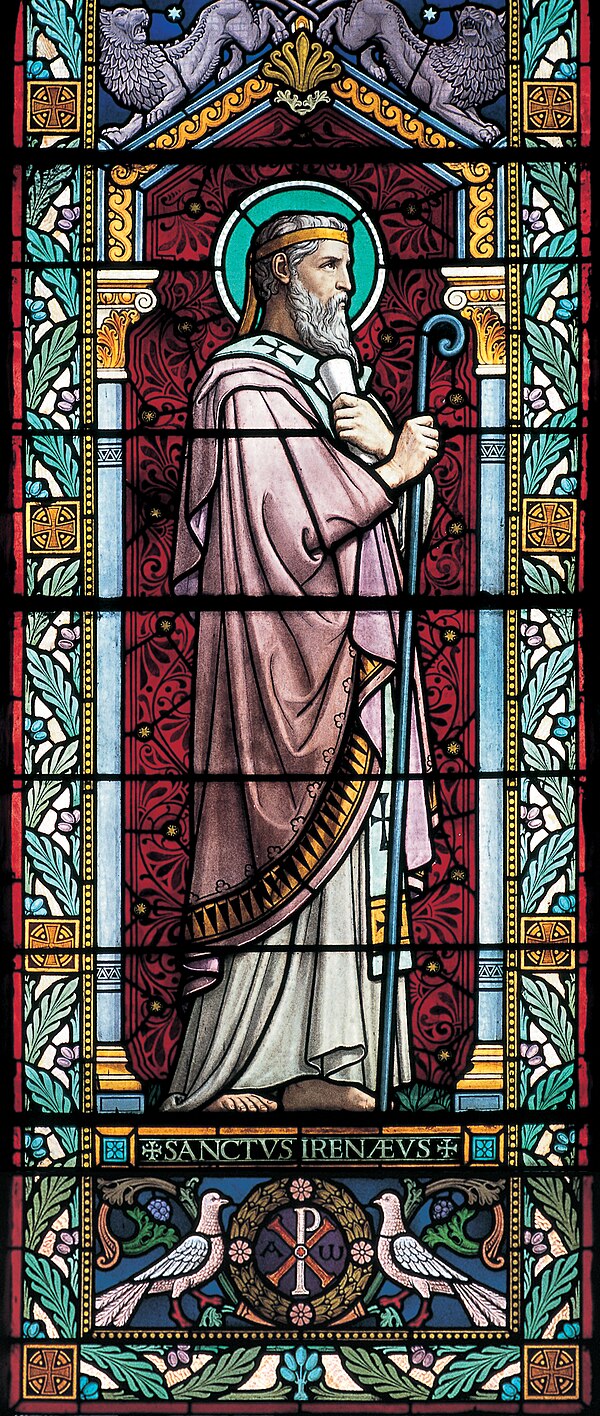

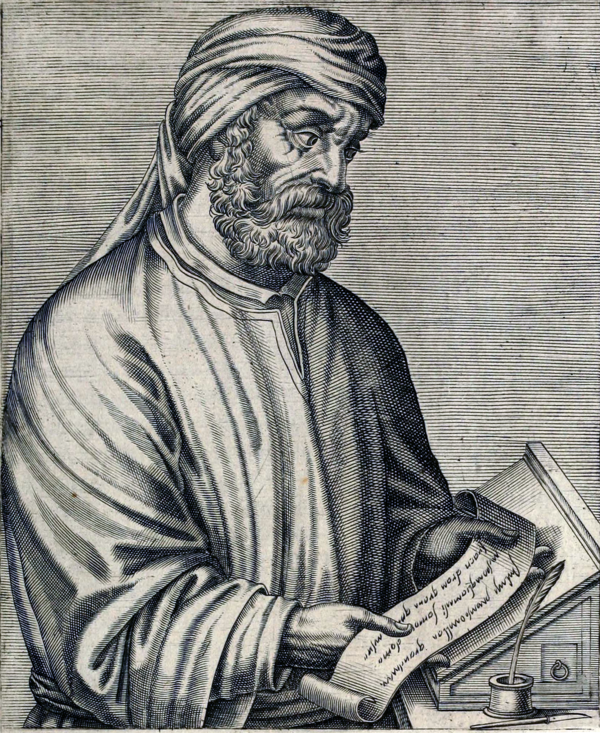
Plus 32 more — see the full directory.
What was decided
- Monepiscopacy: one bishop per city, presbyters and deacons under him.
- No Eucharist apart from the bishop or his delegate.
- Christ is fully God and fully man — Docetism rejected.
- The Old Testament is Christian scripture (against Marcion).
Recommended books for Apostolic Fathers
A short reading shelf for this era, chosen from the works already attached to figure pages.
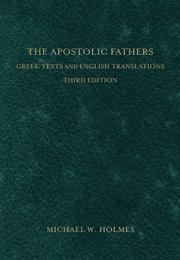
Best first collection for Clement, Ignatius, Polycarp, the Didache, Barnabas, Hermas, and Papias in one place.