Ante-Nicene
AD 200 – 325
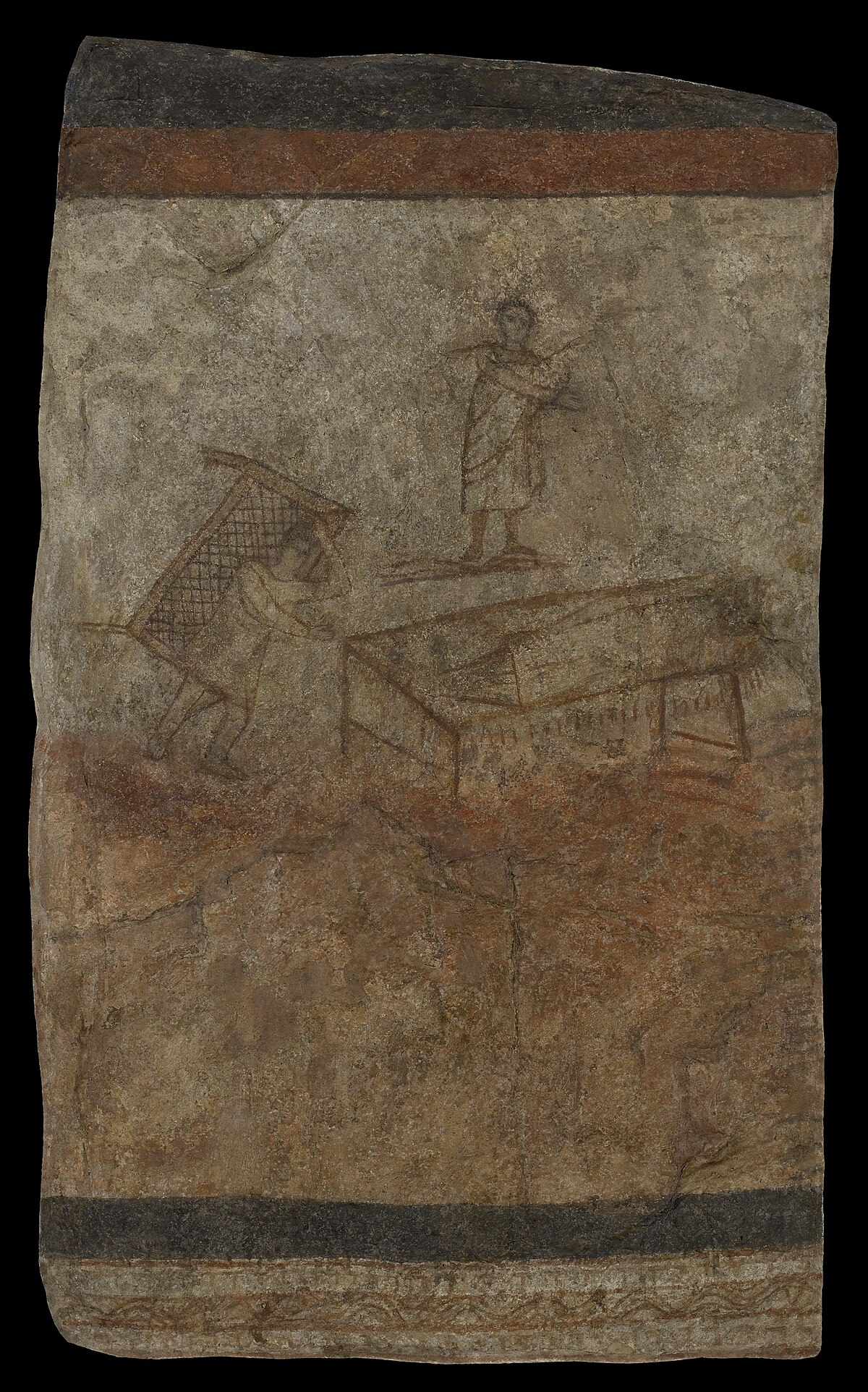
The two centuries before Constantine are when Christianity stops being a fringe movement and becomes a durable institution. Three things drive the period: persecution, theological consolidation, and the rise of the great catechetical schools.
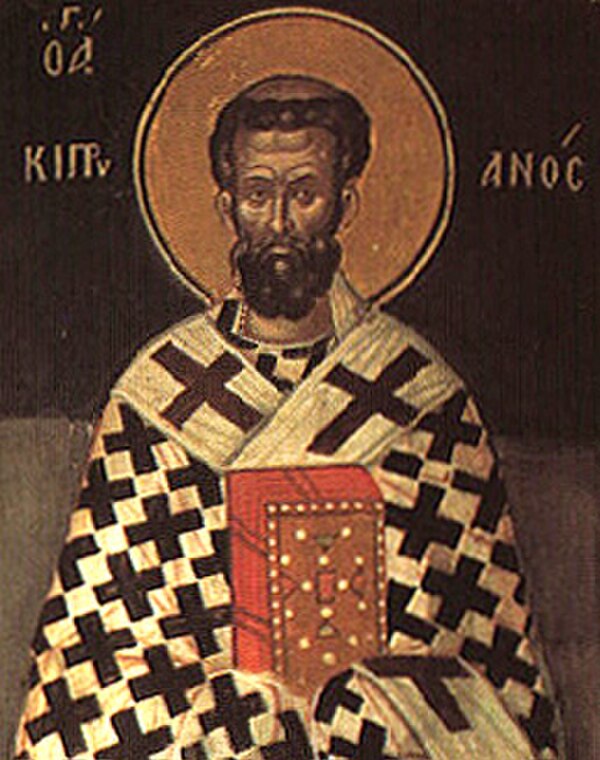
Persecution comes in waves — Severus (202), Decius (250), Valerian (257), and finally the Great Persecution under Diocletian (303–311), the most systematic and bloody of all. Cyprian of Carthage is martyred in 258 wrestling with what to do with Christians who lapsed; the church almost splits over forgiveness. Origen of Alexandria, the most prolific theologian of antiquity, is tortured in the Decian persecution and dies of his injuries. Through it all the church grows.
On the theological side, Tertullian invents Latin Christian vocabulary — Trinity, person, substance — out of legal Latin. Origen builds the first systematic biblical scholarship and the first speculative theology, both wildly ambitious and later partly condemned. By the time Constantine wins at the Milvian Bridge in 312 and legalises Christianity in 313, the church has bishops in every major city, an established creed shape, a Latin and a Greek theological tradition, and a brewing fight about whether the Son is fully God or a high creature. That fight breaks open in Alexandria in 318 and lands at Nicaea in 325.
Major figures
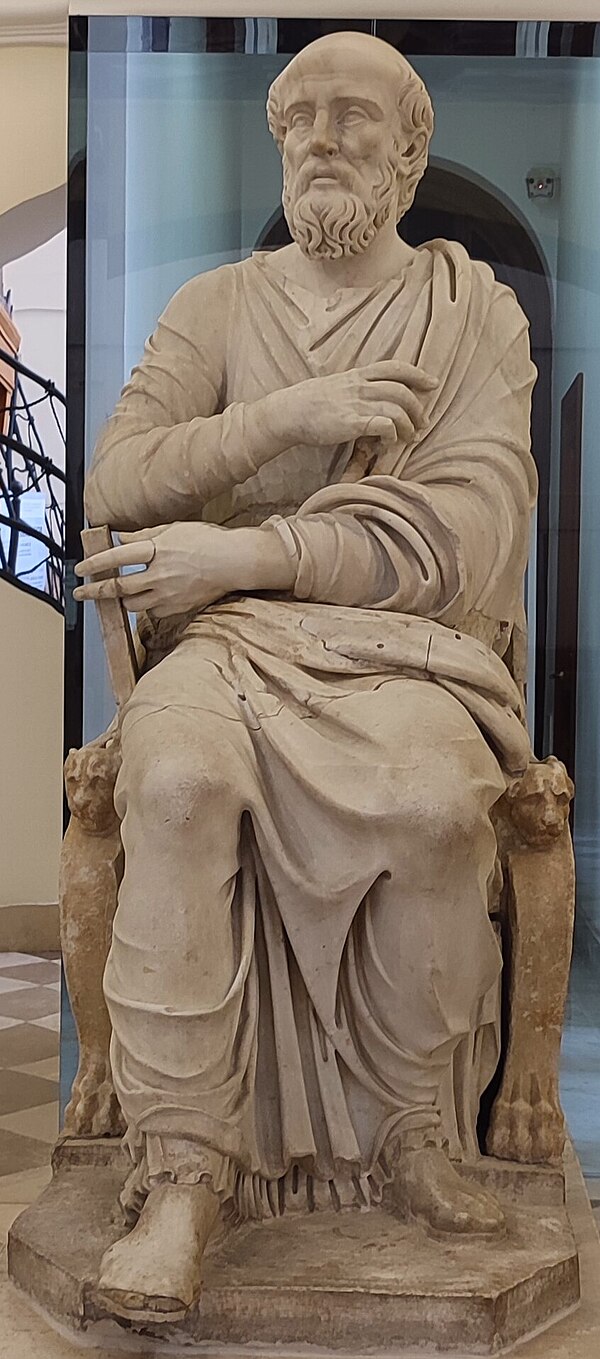
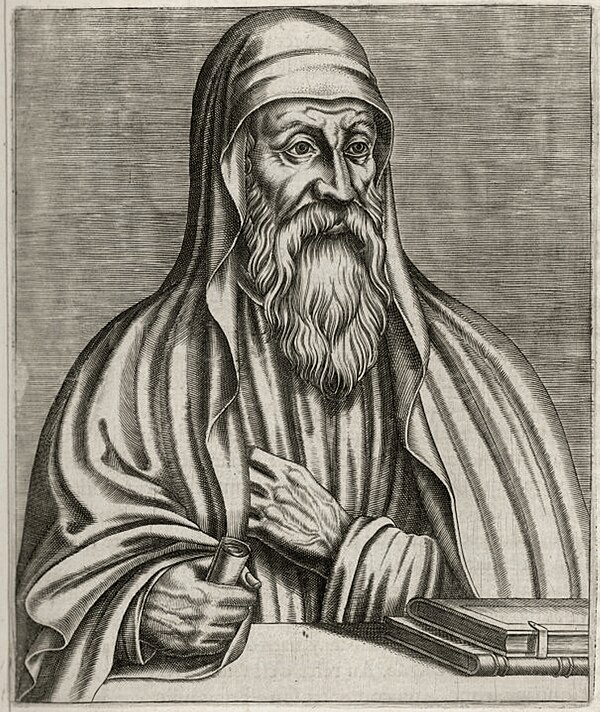
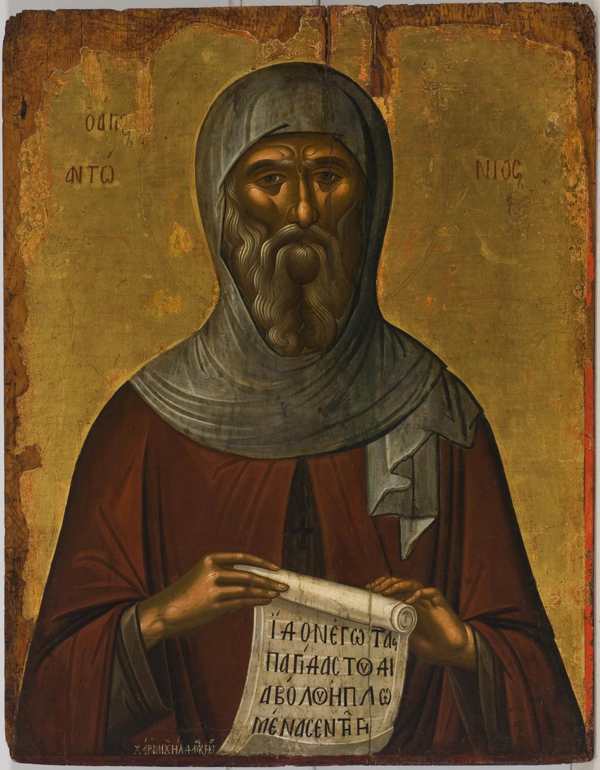
81 figures placed in this era. Showing the most prominent.
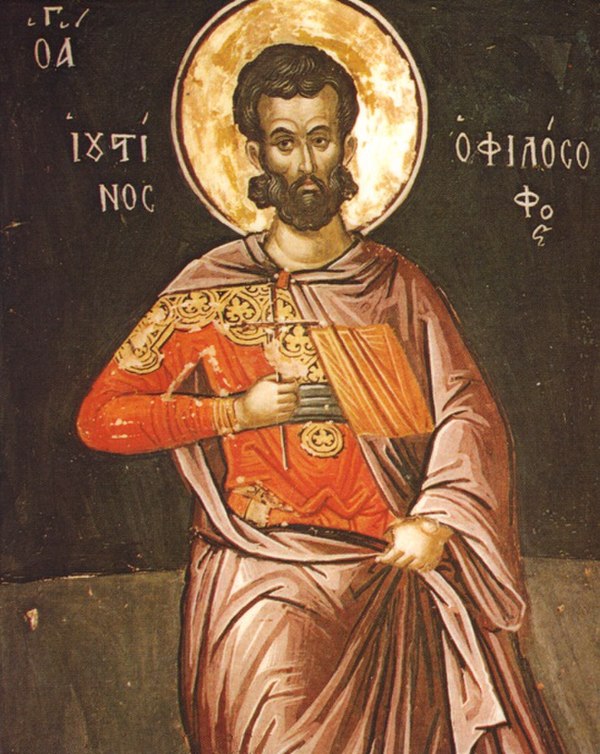
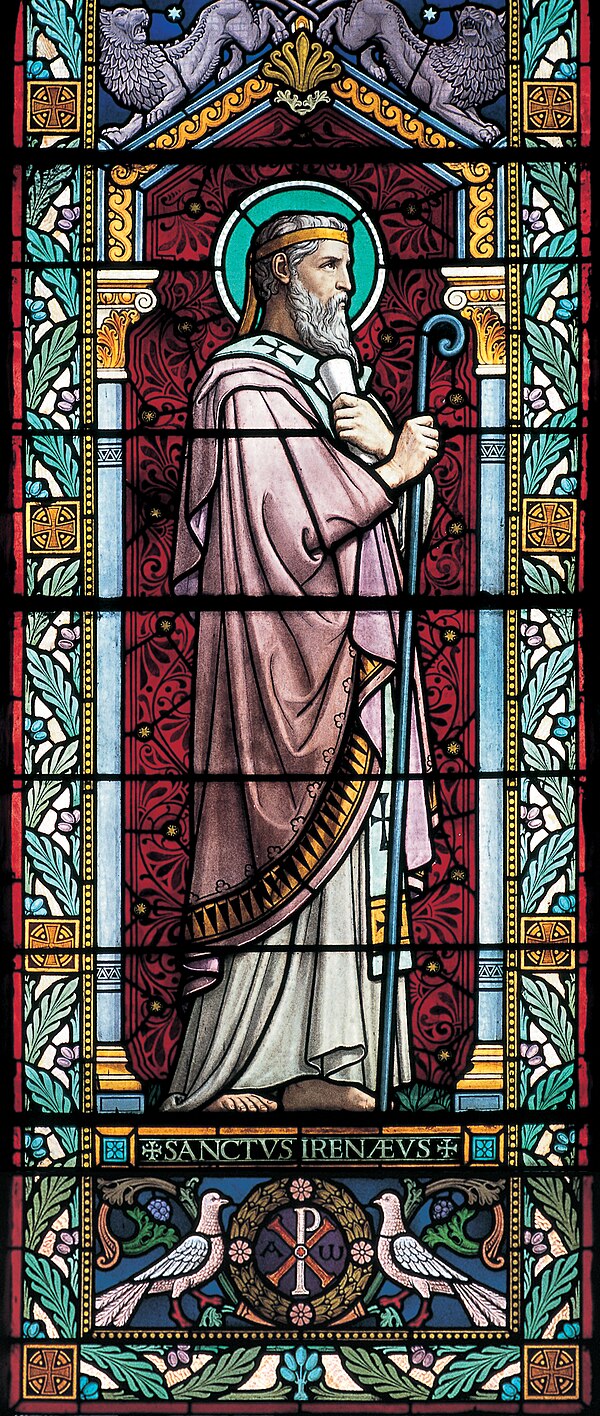

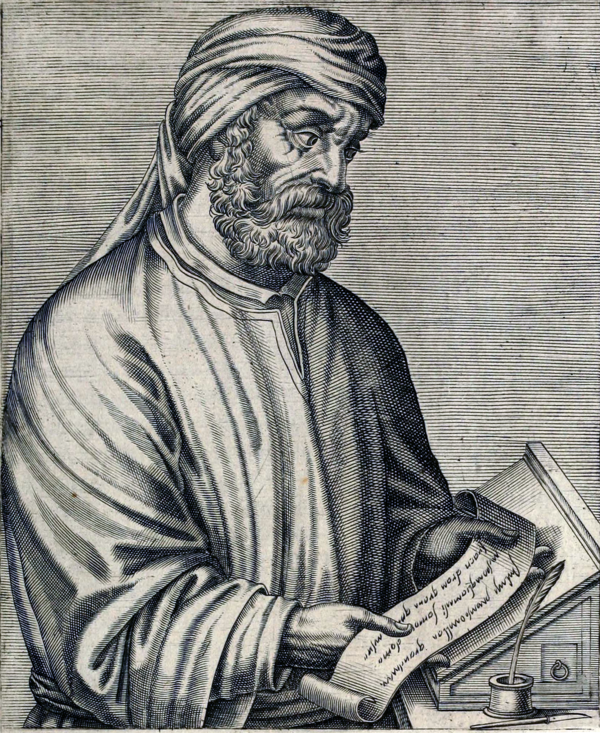
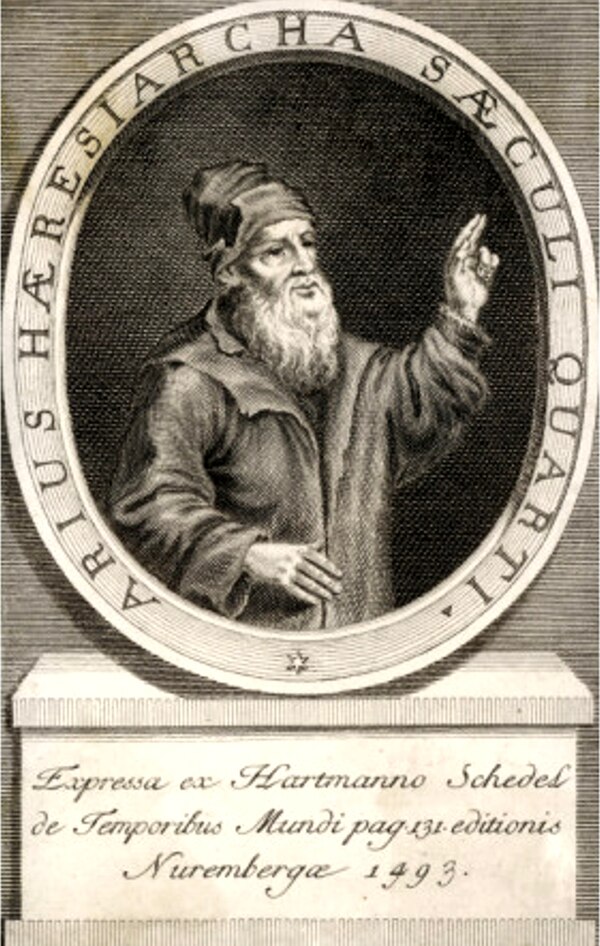

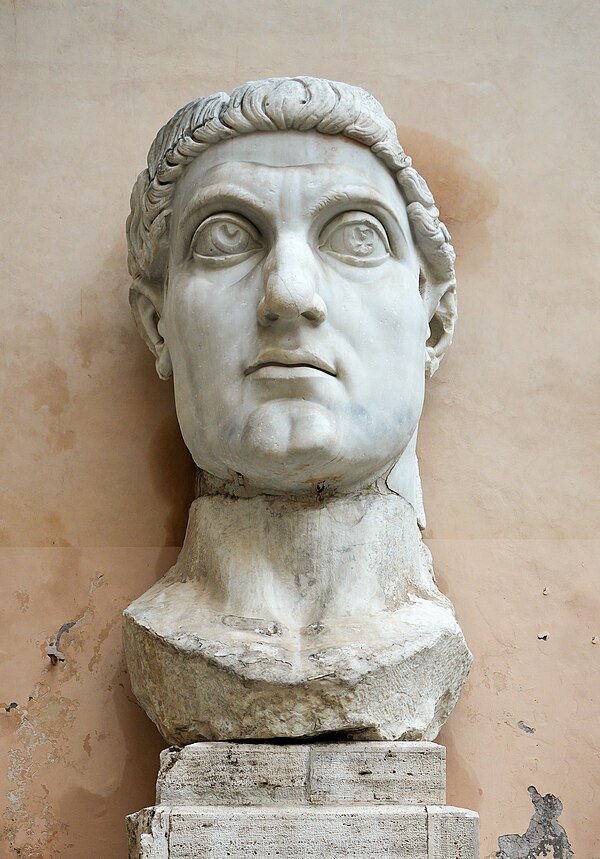
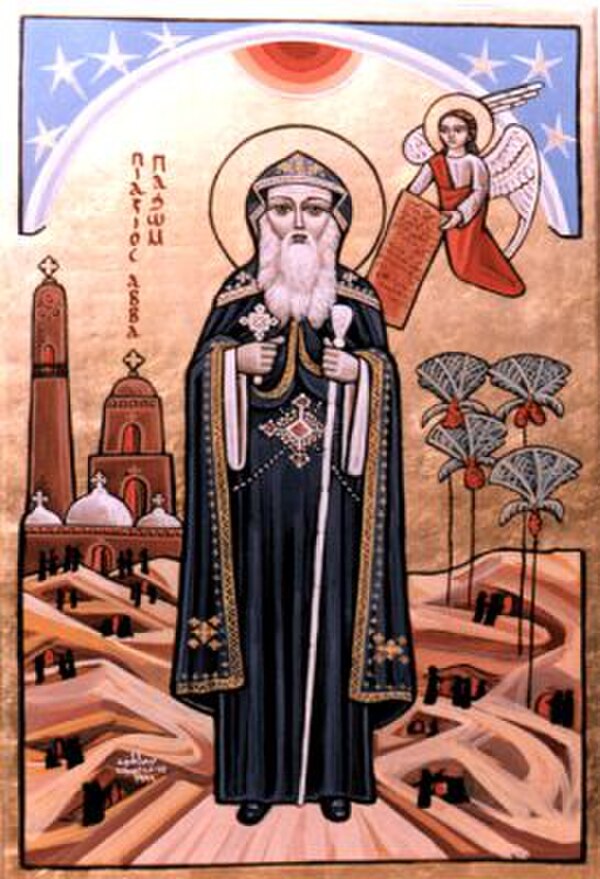
Plus 69 more — see the full directory.
What was decided
- Trinitarian and Christological vocabulary (persona, substantia, hypostasis) takes shape.
- Apostolic succession + rule of faith + scripture are the three-legged stool of orthodoxy.
- The Son is homoousios — of the same substance as the Father (Nicaea, against Arius).
- Easter date partially standardised at Nicaea.
- Lapsed Christians can be readmitted to communion after penance (against Novatianism).
Recommended books for Ante-Nicene
A short reading shelf for this era, chosen from the works already attached to figure pages.

The key text for public apostolic tradition, anti-gnostic argument, and the chain from John to Polycarp to Irenaeus.

On First Principles (De Principiis)
Origen of AlexandriaThe bold, influential, and later contested system that explains why Origen became impossible to ignore.
The classic Latin attack on Marcion's rejection of the Old Testament and two-god theology.