Nicene era
AD 325 – 451
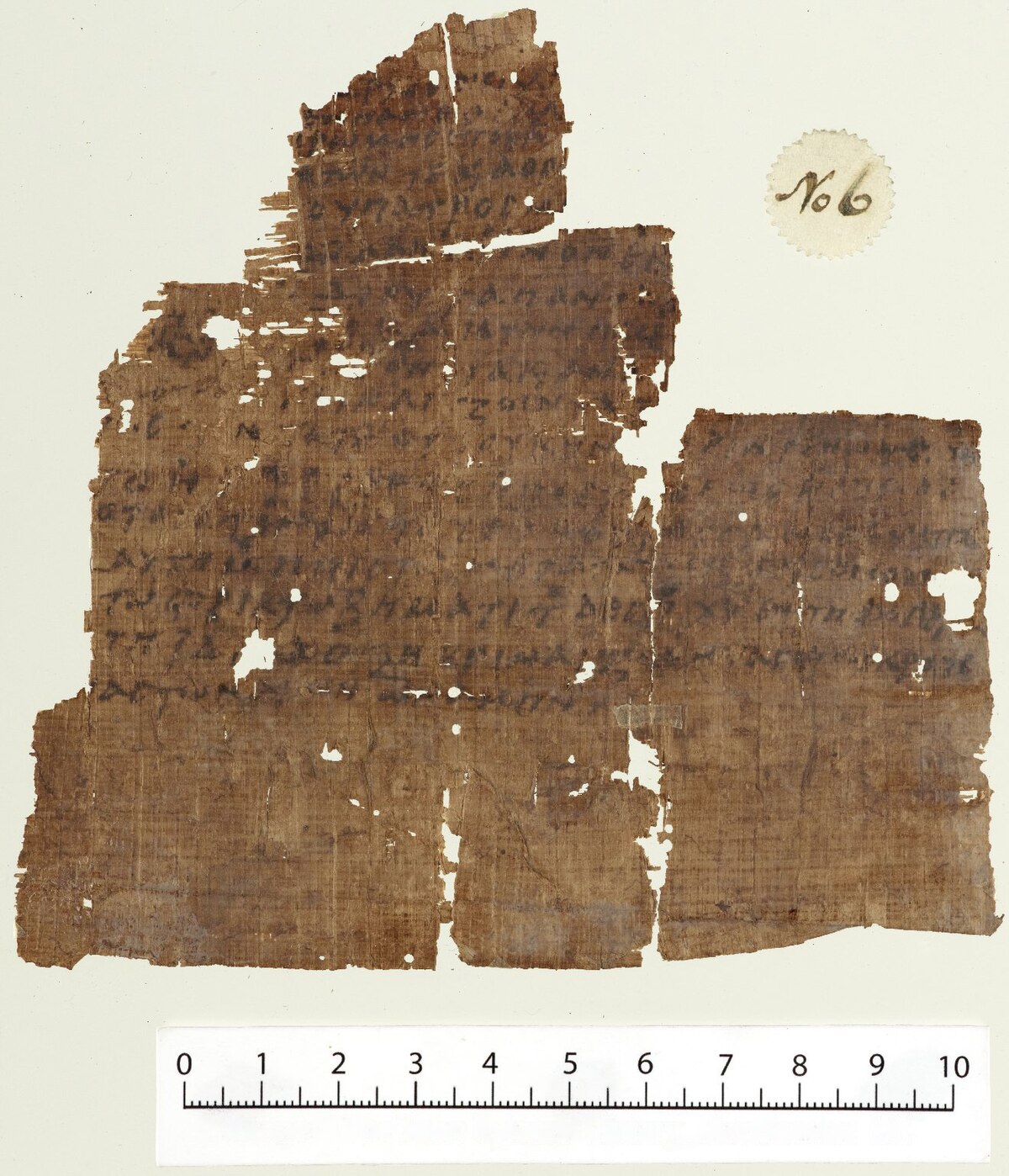
The Nicene era is the century and a quarter when the church and the empire fuse, and the four ecumenical councils define what Christians are still arguing about today. By 380 Theodosius makes Nicene Christianity the official religion of the Roman empire. By 451 the council of Chalcedon has carved out the boundaries of orthodoxy on the Trinity and the person of Christ that Catholic, Orthodox, and most Protestant churches still hold.
The fight after Nicaea is brutal. Arius is condemned, but Arianism doesn't die — it captures imperial favour for fifty years. Athanasius of Alexandria is exiled five times defending the homoousios. The Cappadocians — Basil the Great, Gregory of Nazianzus, Gregory of Nyssa — finally win the argument at Constantinople in 381 by clarifying that God is one ousia in three hypostases. The creed we say in church on Sunday comes from this council, not Nicaea.
Then the fight moves to Christology. If Christ is fully God and fully man, how does that work? Nestorius says two persons; Cyril of Alexandria says one. Ephesus (431) goes to Cyril. Eutyches over-corrects and says one nature; Chalcedon (451) condemns him too and lands on 'one person in two natures, without confusion or division.' Meanwhile in the Latin west Augustine of Hippo writes the Confessions, the City of God, and the anti-Pelagian treatises, and effectively founds Western theology single-handed. Rome falls to Alaric in 410 while he's writing.
Major figures
67 figures placed in this era. Showing the most prominent.
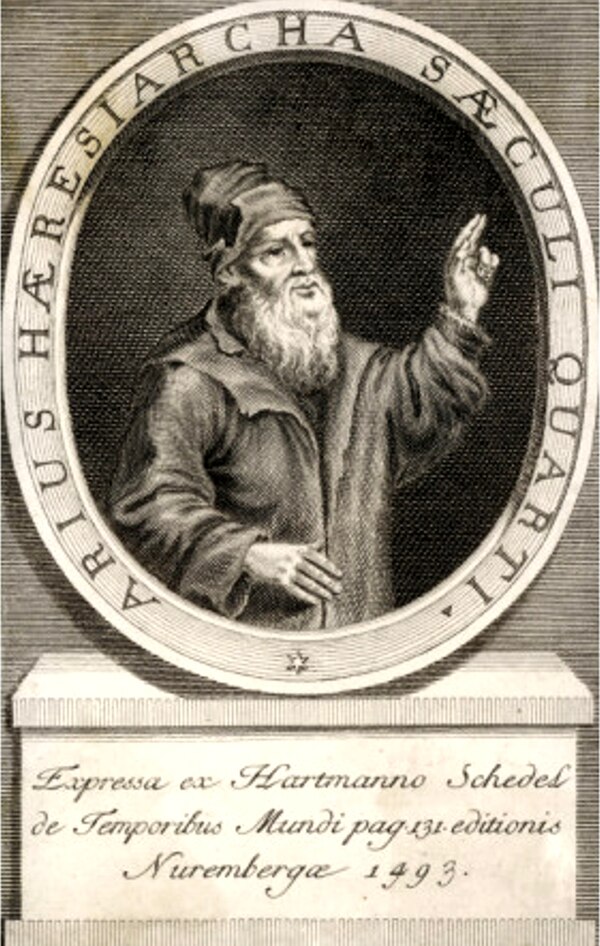
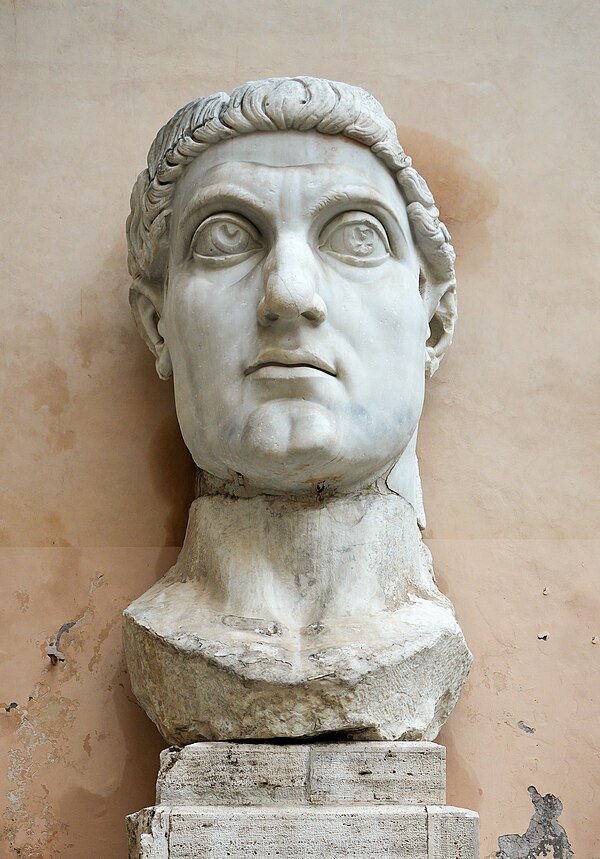
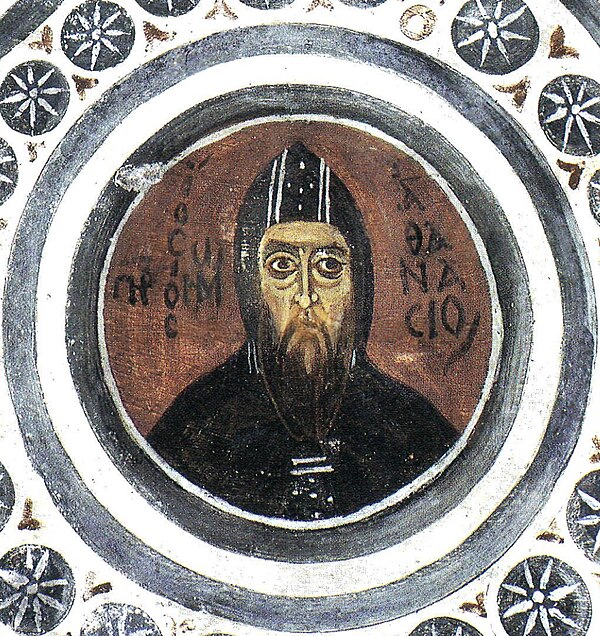
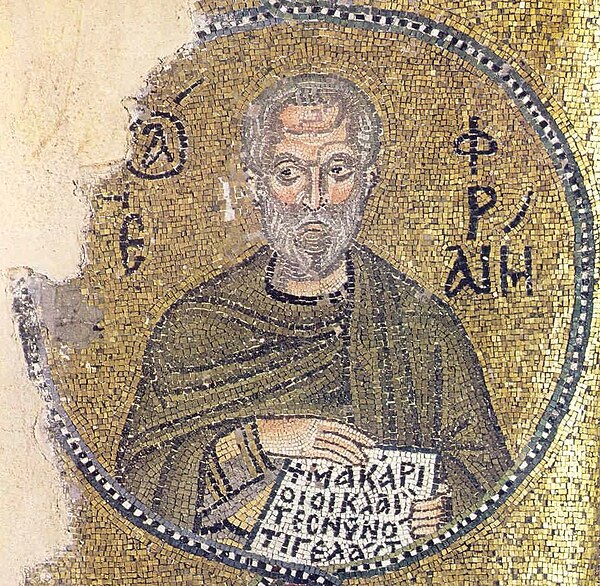
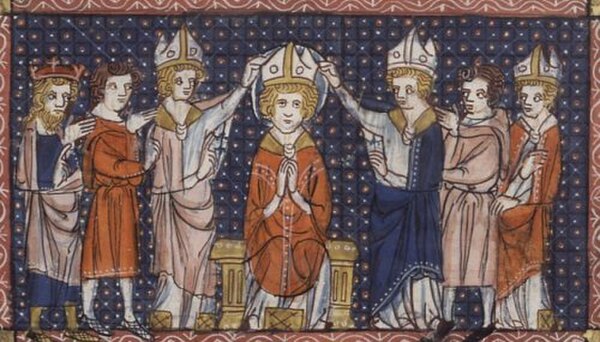
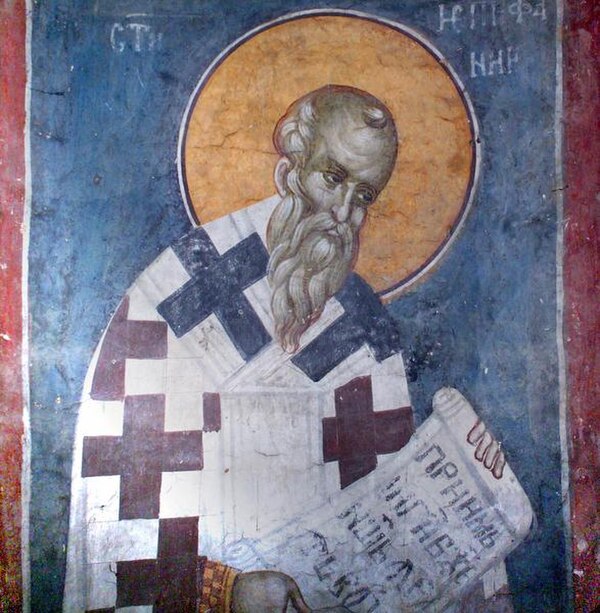
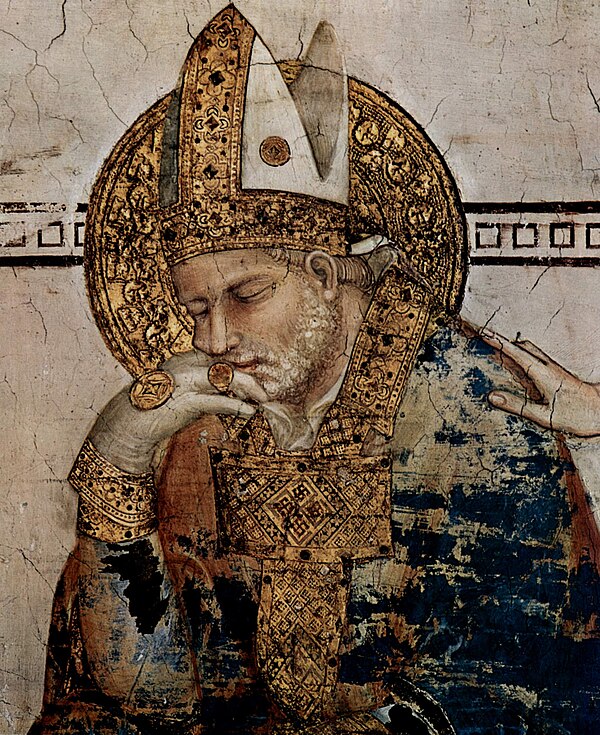
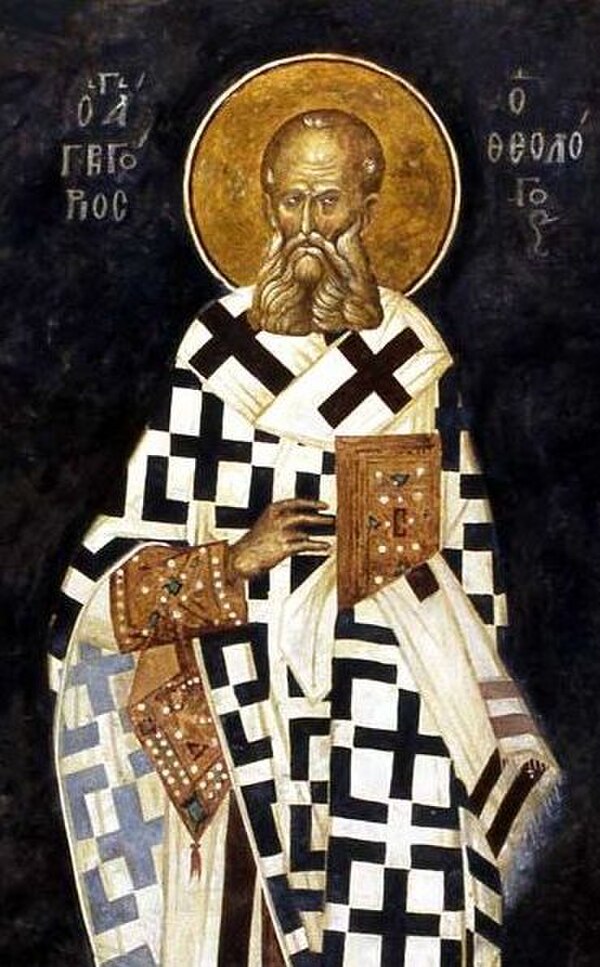
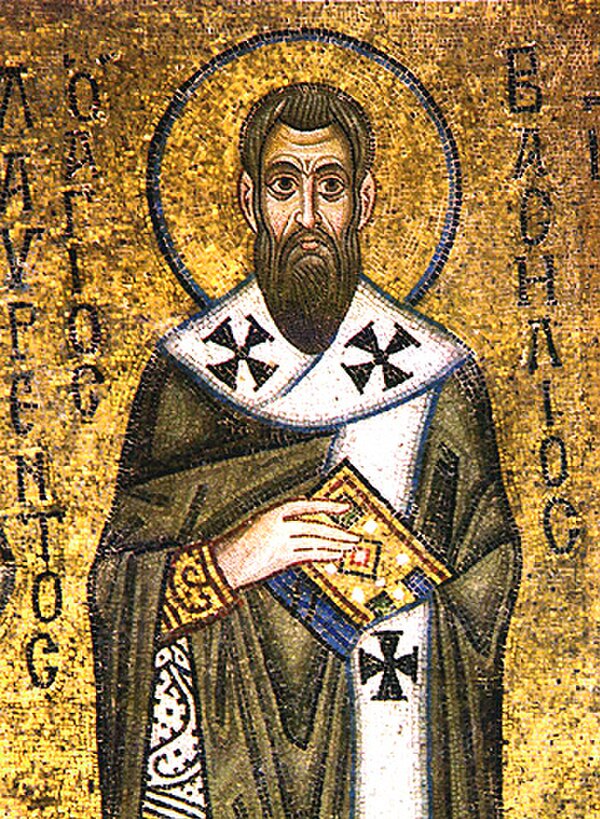
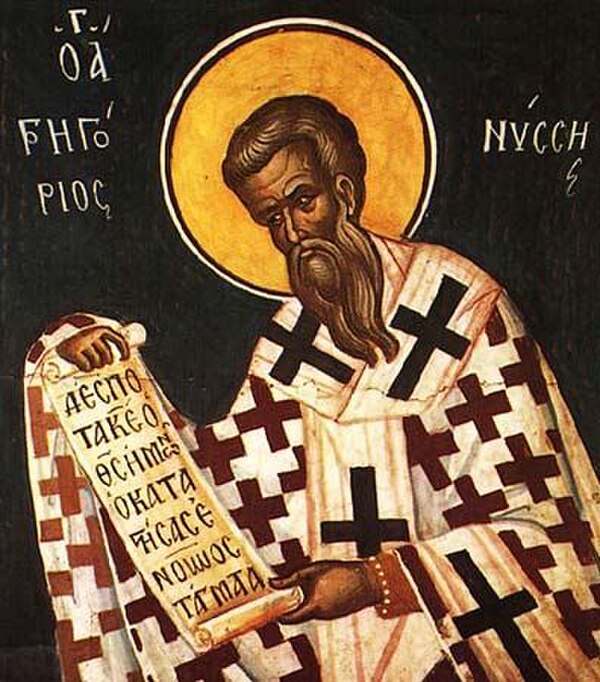
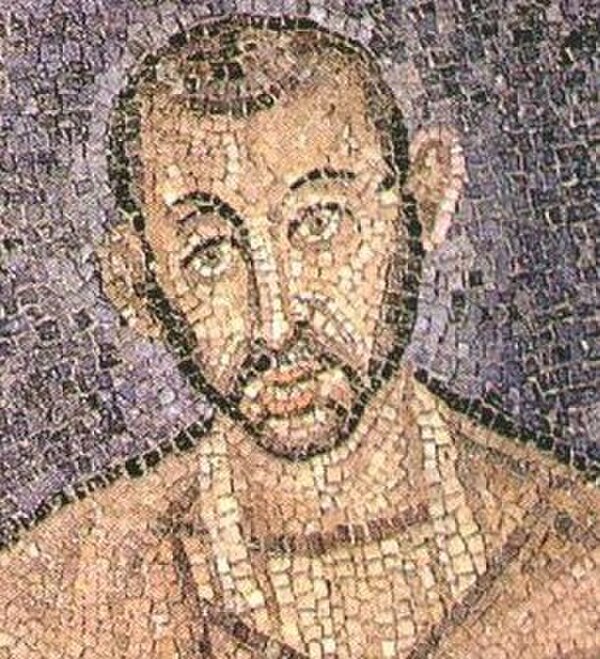
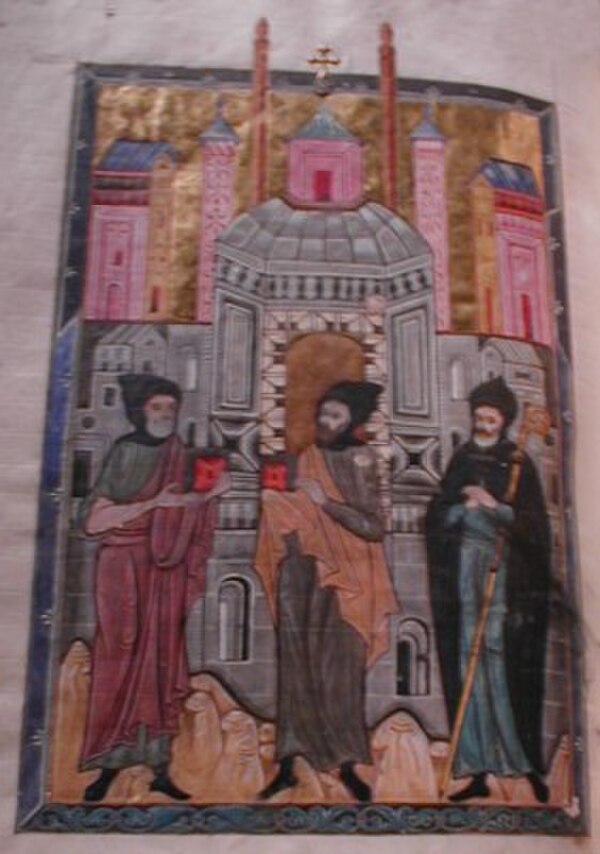
Plus 55 more — see the full directory.
What was decided
- The Father, Son, and Holy Spirit are one God in three hypostases (Constantinople 381).
- Mary is Theotokos — God-bearer — not merely Christotokos (Ephesus 431).
- Christ is one person in two natures, divine and human, without confusion (Chalcedon 451).
- The Nicene-Constantinopolitan Creed is fixed as the universal creed.
- Pelagianism — that humans can take the first step toward God without grace — is condemned.
Recommended books for Nicene era
A short reading shelf for this era, chosen from the works already attached to figure pages.

On the Incarnation
Athanasius of AlexandriaShort, readable, and central: why God became man, written from inside the Nicene fight.
The ancient source behind a huge amount of what we know about bishops, martyrs, succession lists, and early controversies.
On the Holy Spirit
Basil of CaesareaBasil gives the mature Cappadocian defense of the Spirit's divinity after Nicaea.