Apostolic age
AD 5 – 100
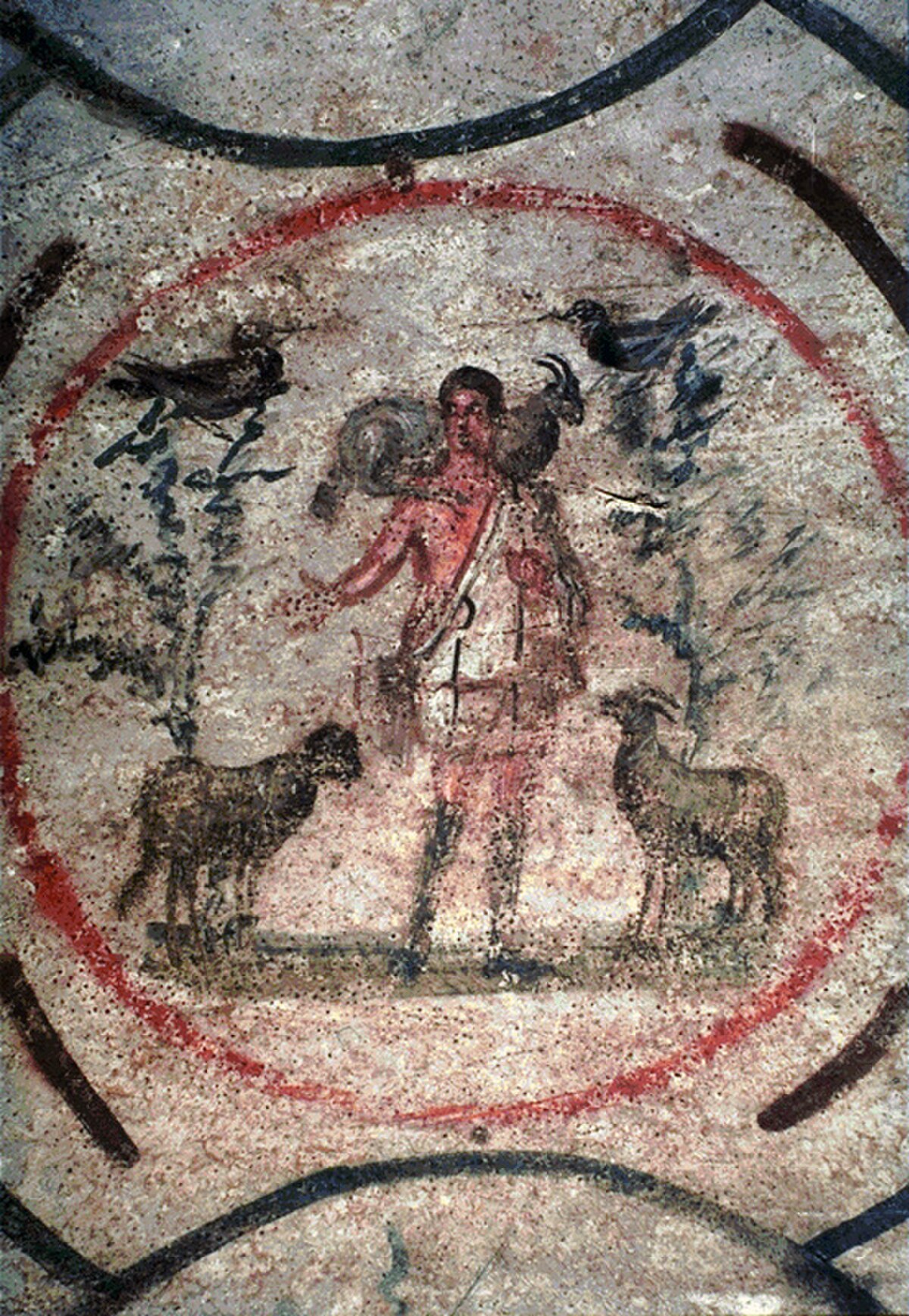
This is the only generation that touched Jesus. Everyone after them is downstream. Within seventy years of the crucifixion, twelve Galileans and a Pharisee from Tarsus had pushed a Jewish messianic movement out of Jerusalem and into every major city of the empire — Antioch, Ephesus, Corinth, Rome, Alexandria. Most of them were dead by the end of it. Tradition counts eleven of the Twelve as martyrs.
The dominant fact of the period is the destruction of Jerusalem in AD 70. Before it, Christianity is a sect inside Judaism arguing about the messiah; after it, the temple is gone, the Jewish-Christian church in Jerusalem scatters, and the centre of gravity moves north and west into the Greek-speaking diaspora. Paul has already done most of the work of making that transition theologically possible — circumcision is not required, gentiles are in, the law is fulfilled in Christ. The Council of Jerusalem (c. AD 50) settled it before the temple even fell.
By the time John dies on Patmos around AD 95–100, the New Testament canon is largely written: four gospels, Acts, the Pauline corpus, the catholic epistles, Revelation. There is no central authority yet. Bishops are emerging but still indistinguishable from presbyters in most places. The faith is being carried by people who heard the apostles in person and are now teaching the next generation what they were told.
Major figures
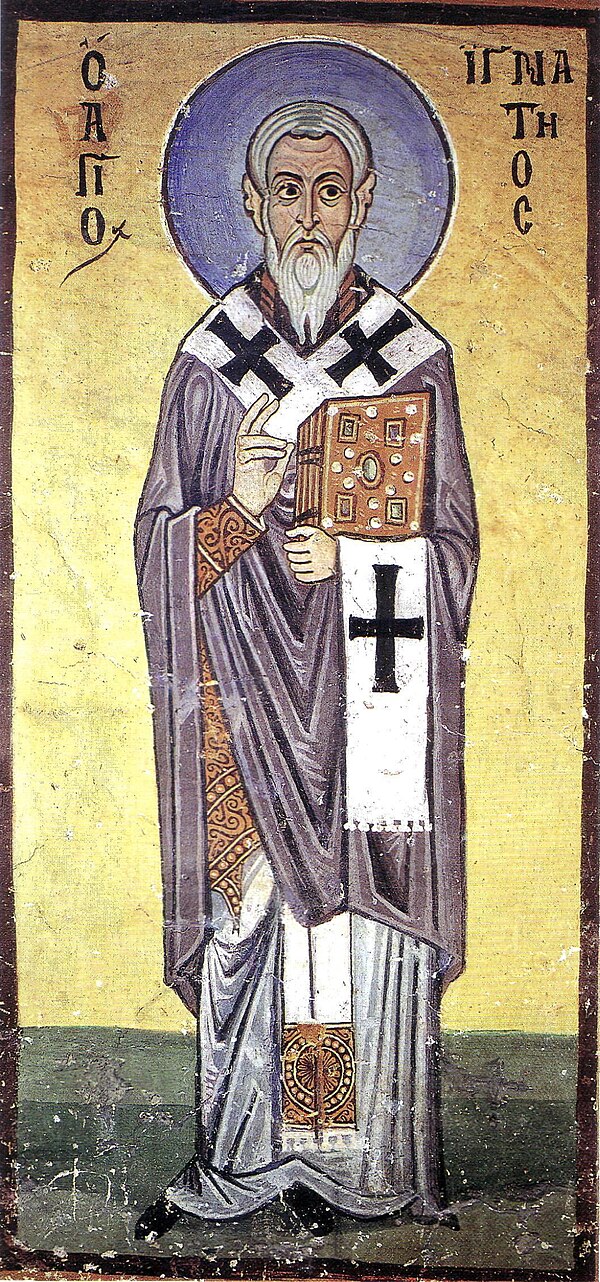
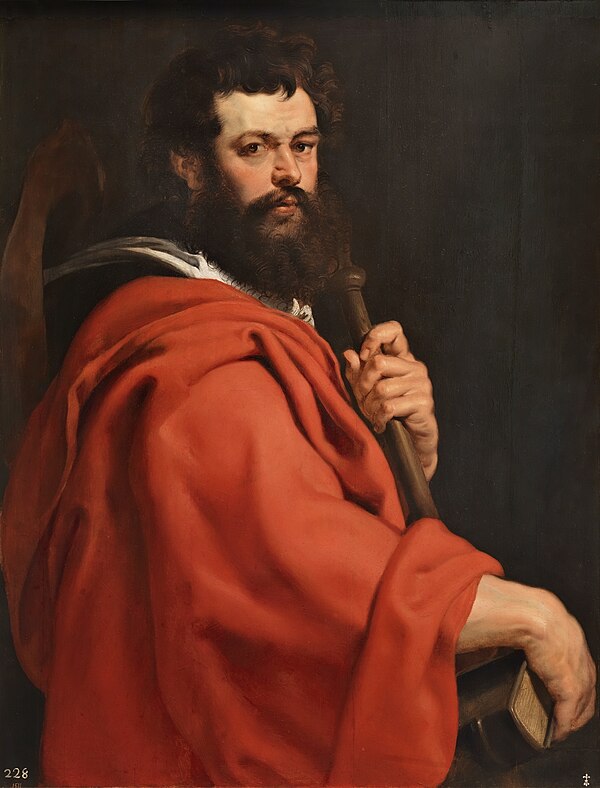
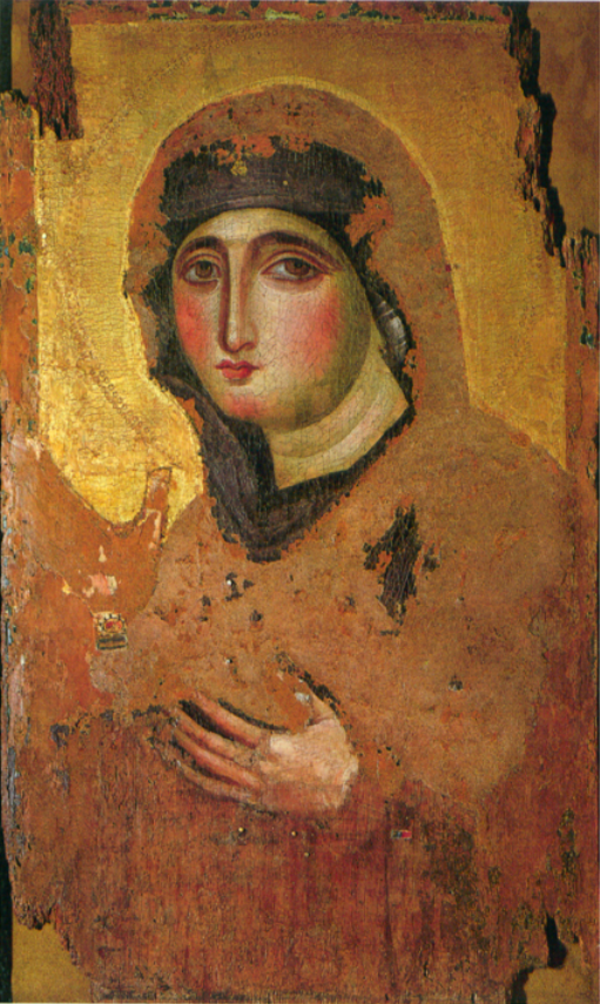
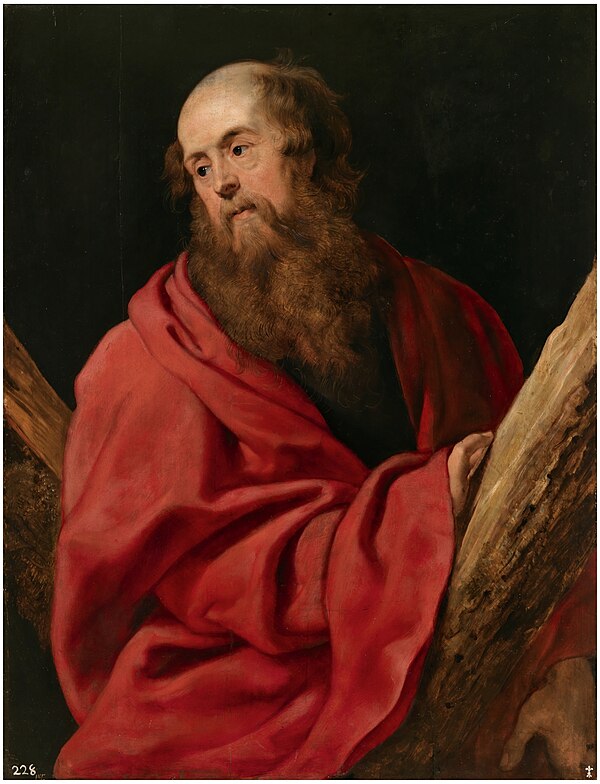
40 figures placed in this era. Showing the most prominent.
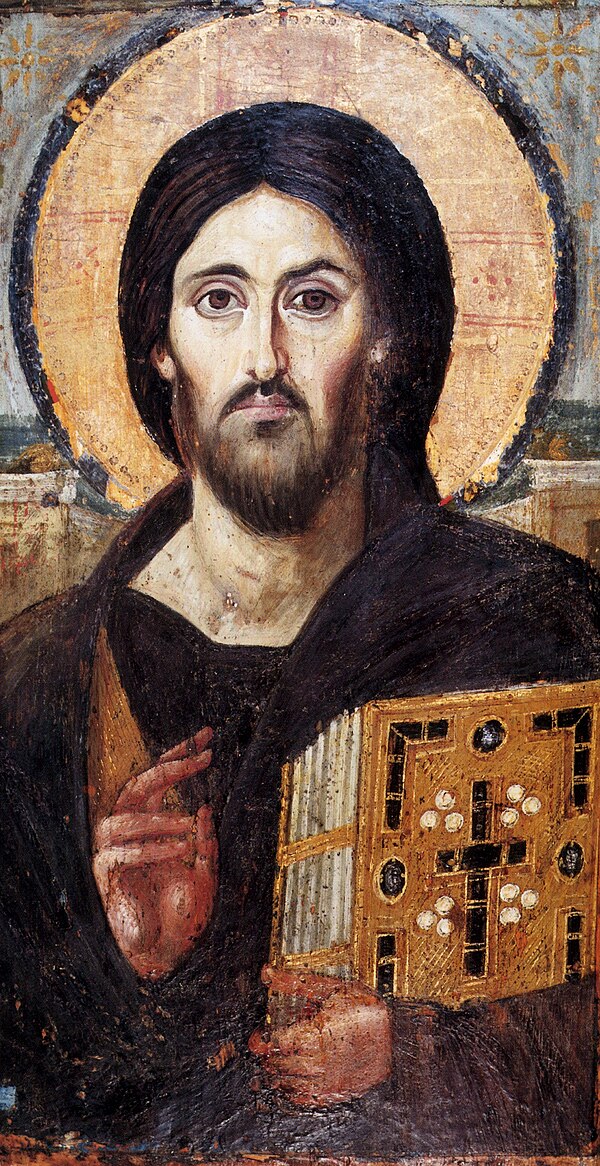
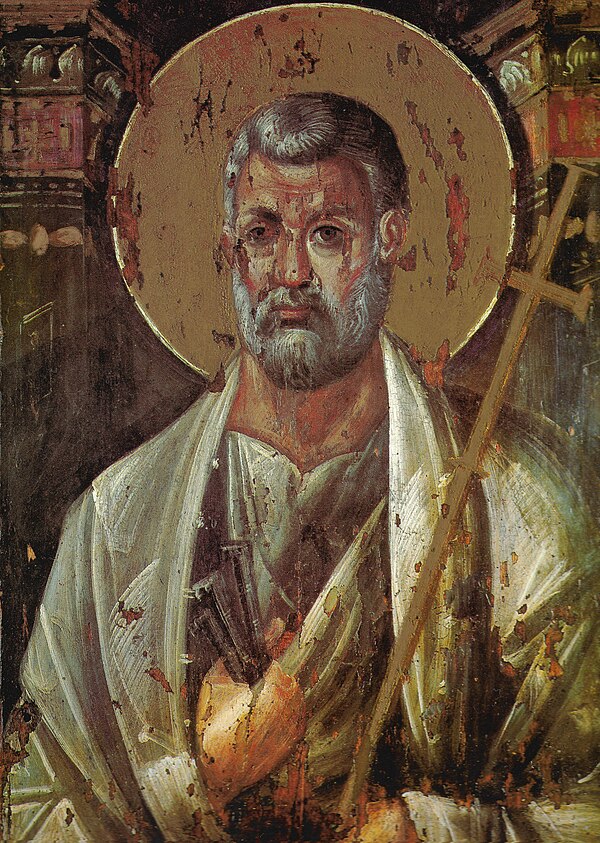
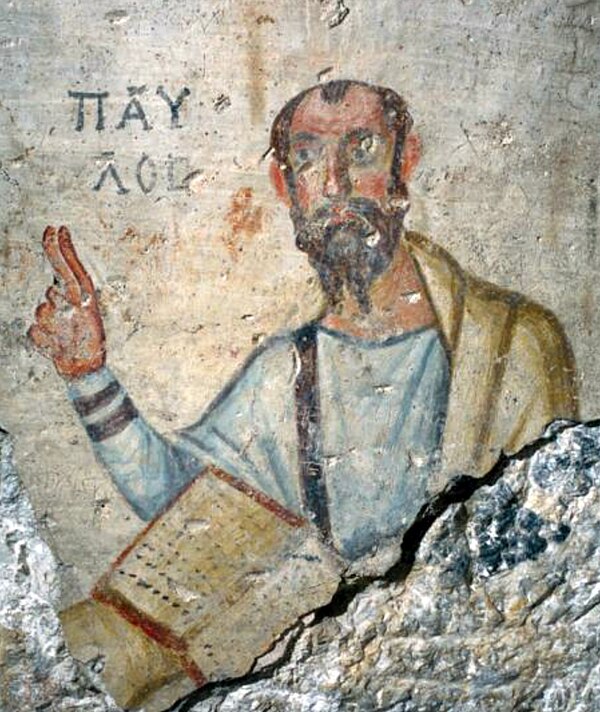
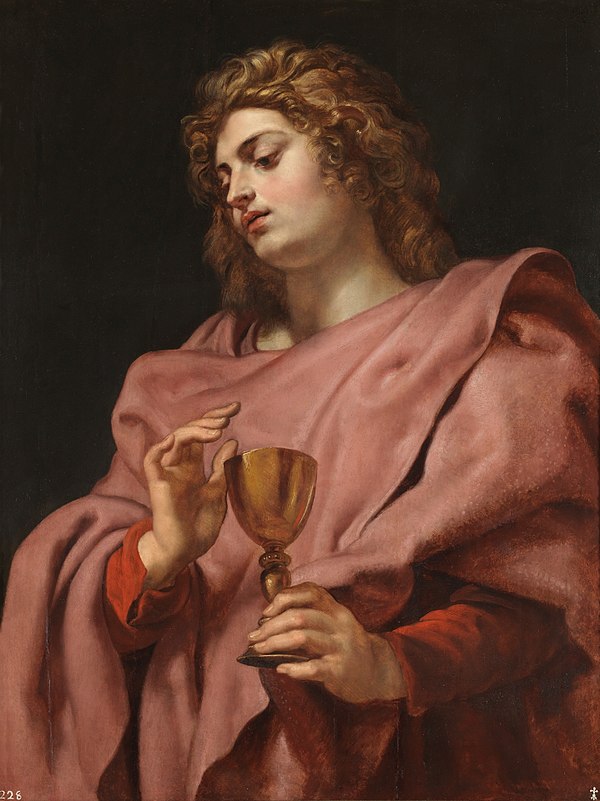
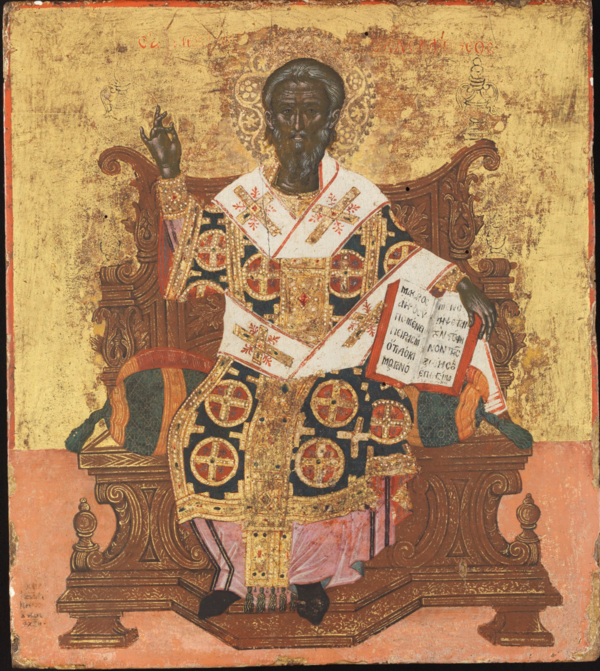
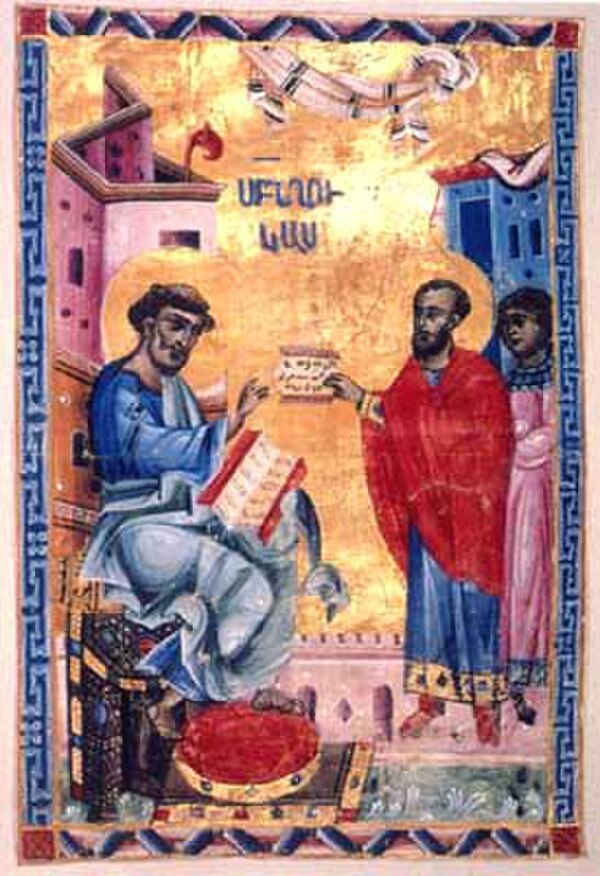

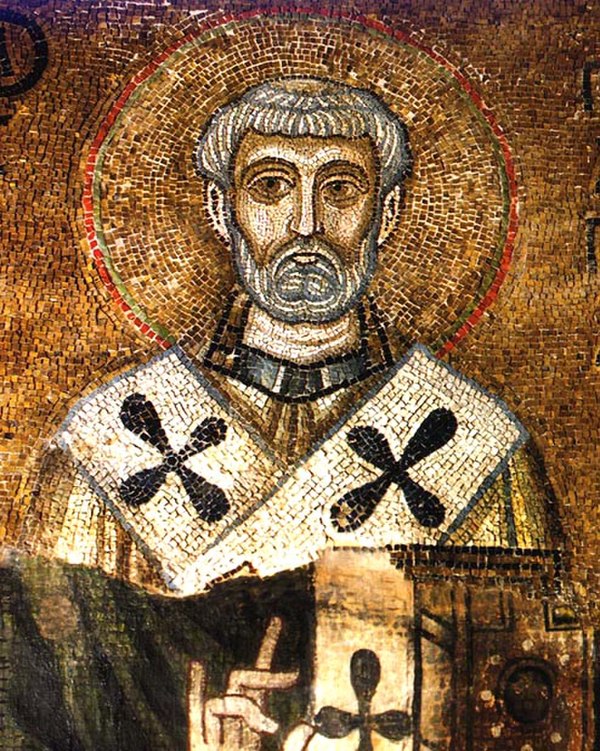
Plus 28 more — see the full directory.
What was decided
- Gentiles join the church without becoming Jews first.
- The four canonical gospels and Pauline corpus take written form.
- A threefold ministry — bishop, presbyter, deacon — begins to crystallise.
- The Eucharist on the Lord's Day (Sunday) is the universal weekly act.