Eras of the Patristic Age
Seven hundred and fifty years, eight overlapping chapters. Each era has its own crisis, its own controversies, its own settlement. Click any band to dive in.
These divisions are conventional — historians draw the lines slightly differently. We follow the standard pattern, with one addition: the Desert Fathers run as a parallel movement from the late Ante-Nicene through the Post-Nicene, so they get their own band.
All eight at a glance
Each band's width on the axis is its real year span. Bands stack vertically when they overlap (the Desert movement runs through three of the others).
Number after the year range = figures we've placed in that era. Some figures appear in more than one (e.g. Athanasius bridges Ante-Nicene and Nicene).
Apostolic age
AD 5 – 10040 figuresJesus, the Twelve, Paul. The New Testament being written.
This is the only generation that touched Jesus. Everyone after them is downstream. Within seventy years of the crucifixion, twelve Galileans and a Pharisee from Tarsus had pushed a Jewish messianic movement out of Jerusalem and into every major city of the empire — Antioch, Ephesus, Corinth, Rome, Alexandria. Most of them were dead by the end of it. Tradition counts eleven of the Twelve as martyrs.
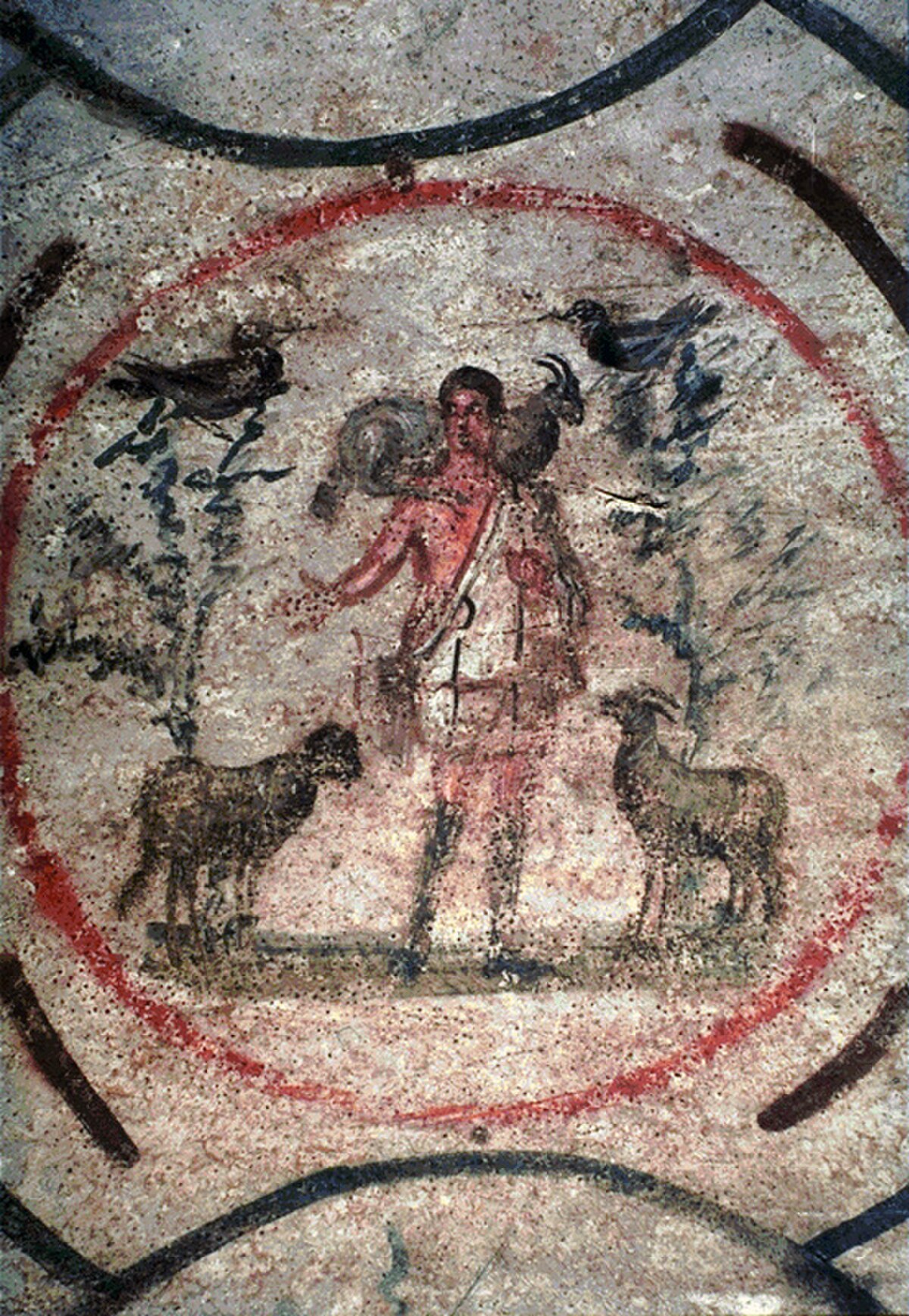
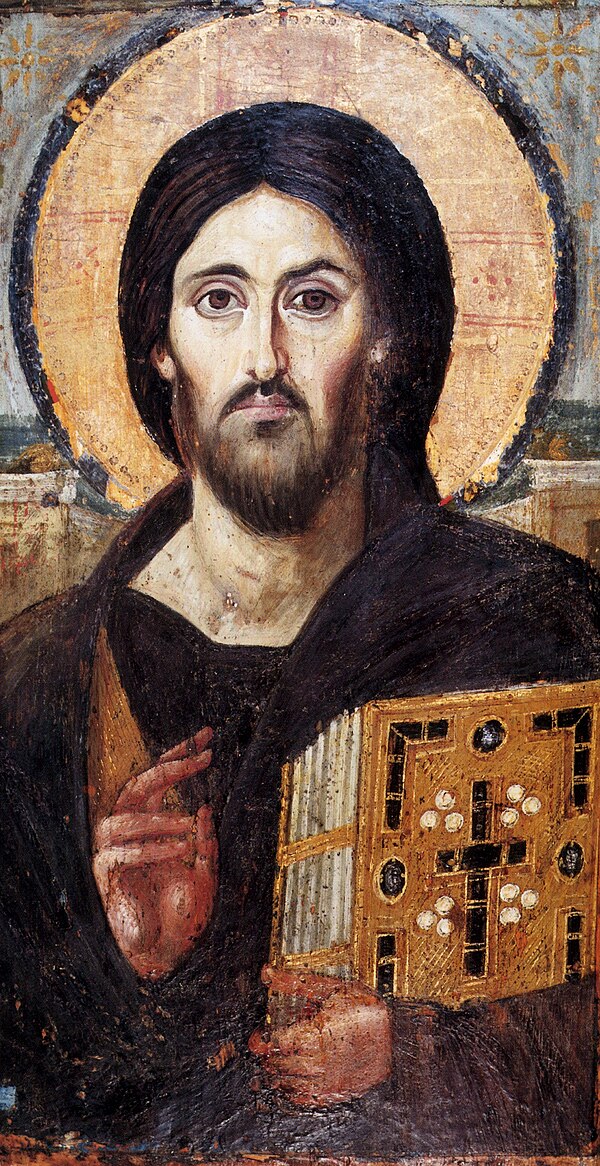 Jesusc. -4 – c. 30
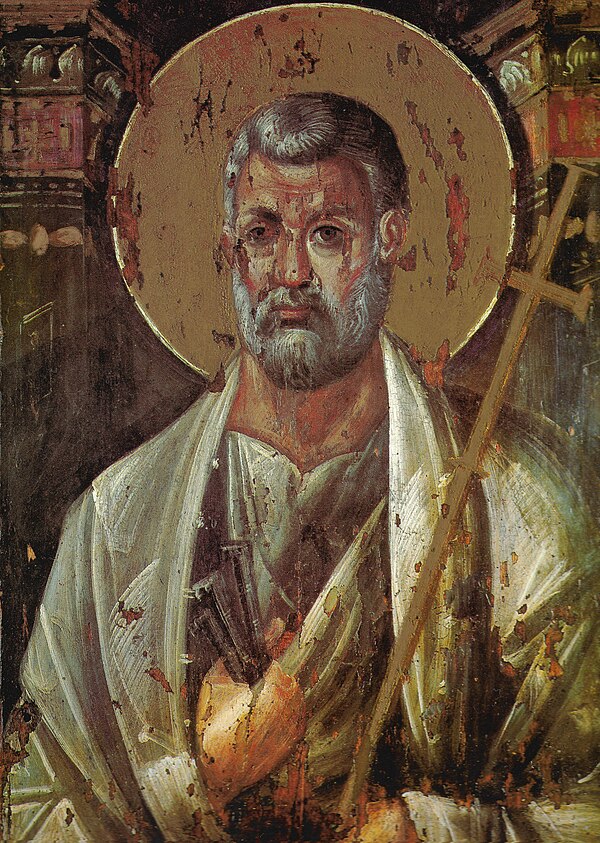 Peterc. 1 – c. 64
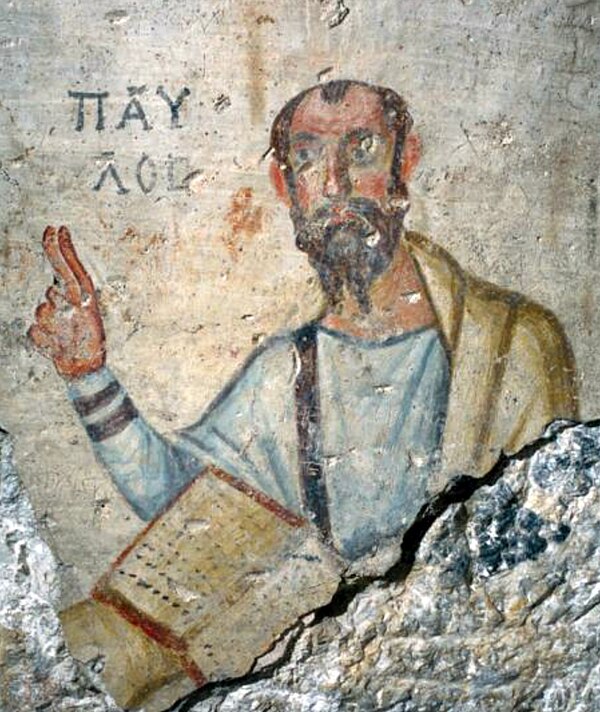 Paulc. 5 – c. 65
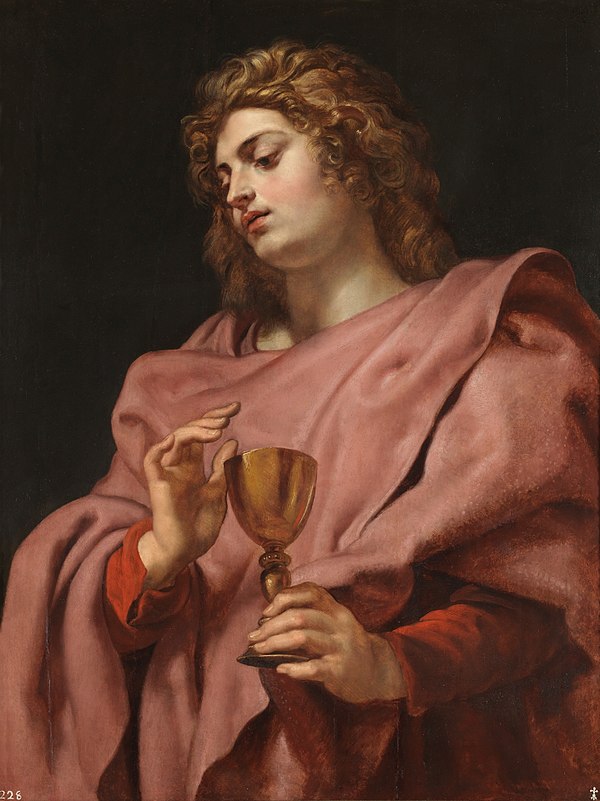 John the Apostlec. 6 – c. 100
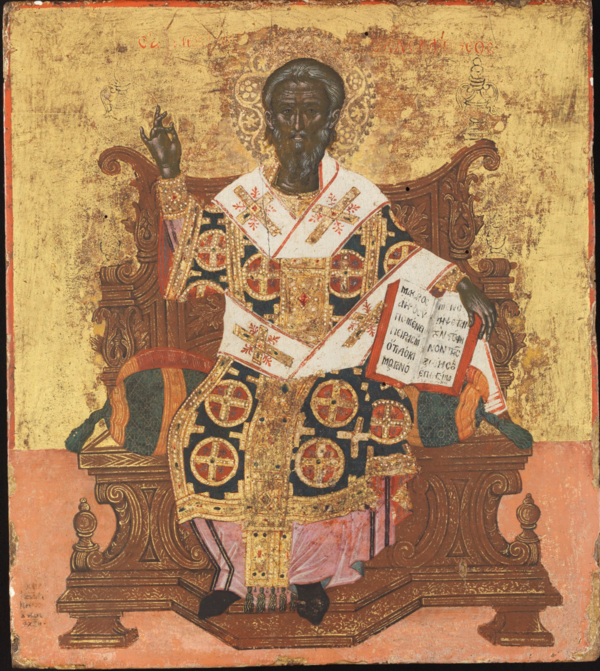 James the Justc. 1 – c. 62
Apostolic Fathers
AD 100 – 15044 figuresThe generation that knew the apostles or their immediate students.
The first Christians who weren't Christians by birth. The apostles were dead or dying when this generation was being formed; they grew up hearing about Jesus from people who'd touched him and heard him talk. None of them wrote a gospel. They wrote letters — to congregations in trouble, to bishops they'd never met, to the emperors who were starting to notice.
 James the Justc. 1 – c. 62
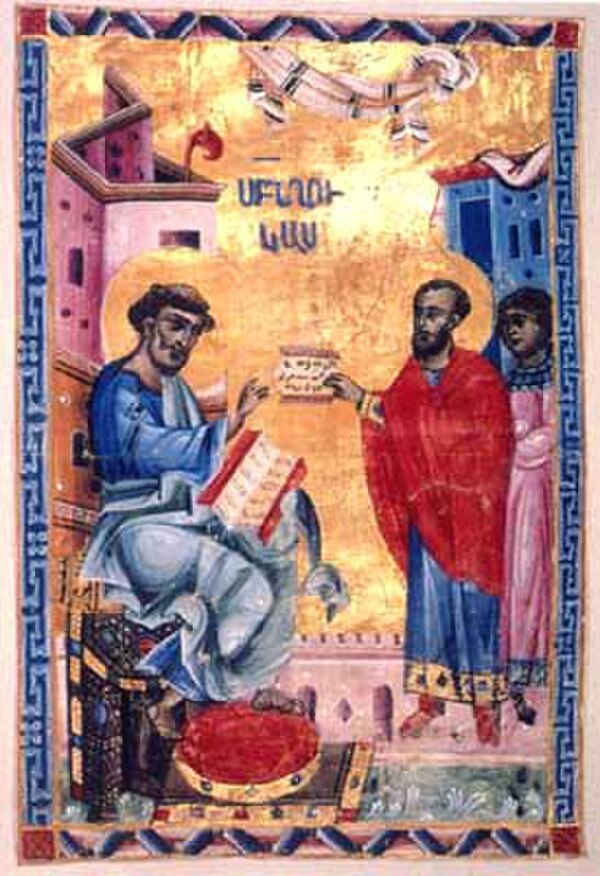 Luke the Evangelistc. 1 – c. 84
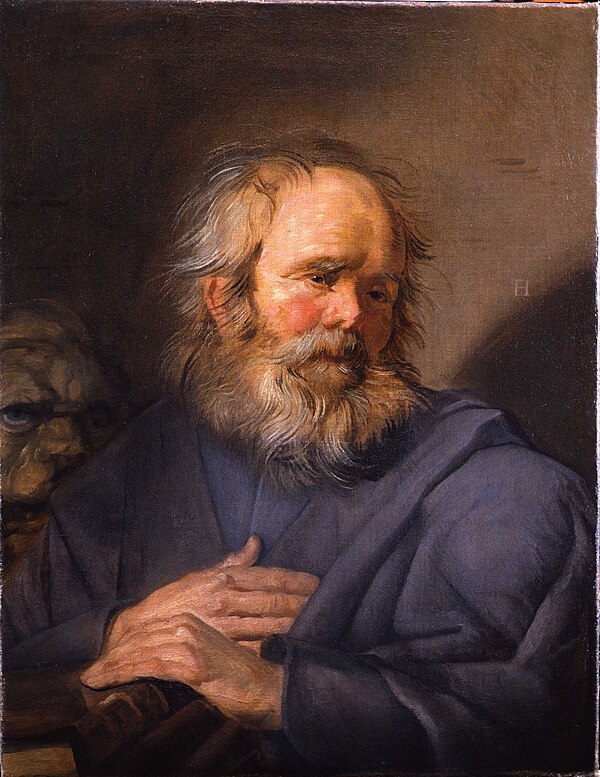 Mark the Evangelistc. 5 – c. 68
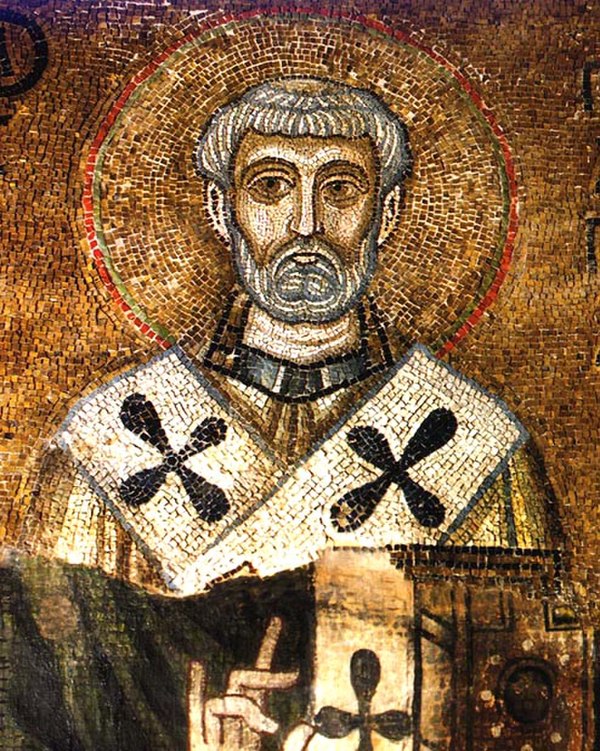 Clementc. 35 – c. 99
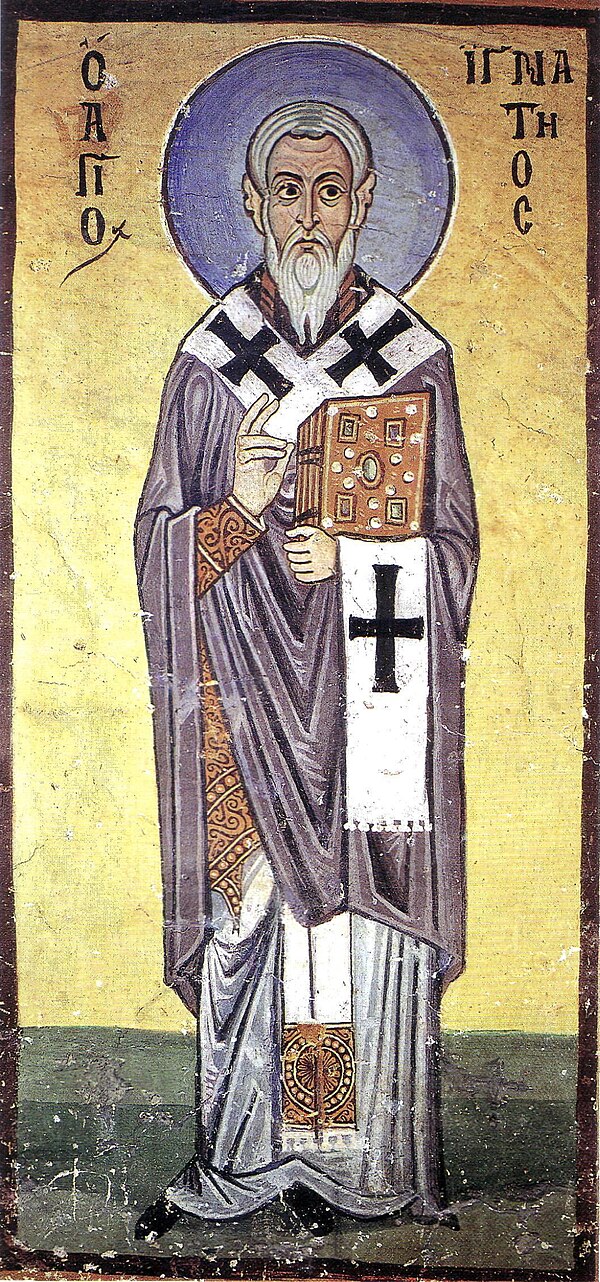 Ignatiusc. 35 – c. 108
Apologists
AD 130 – 20042 figuresChristians defending the faith in writing to pagans and heretics.
Once Christianity got big enough that emperors and philosophers had to take notice, it had to learn to argue back. The Apologists are the first Christians to write for outsiders — addressing emperors directly, refuting pagan philosophy on its own terms, taking the gnostic and Marcionite heresies apart line by line.
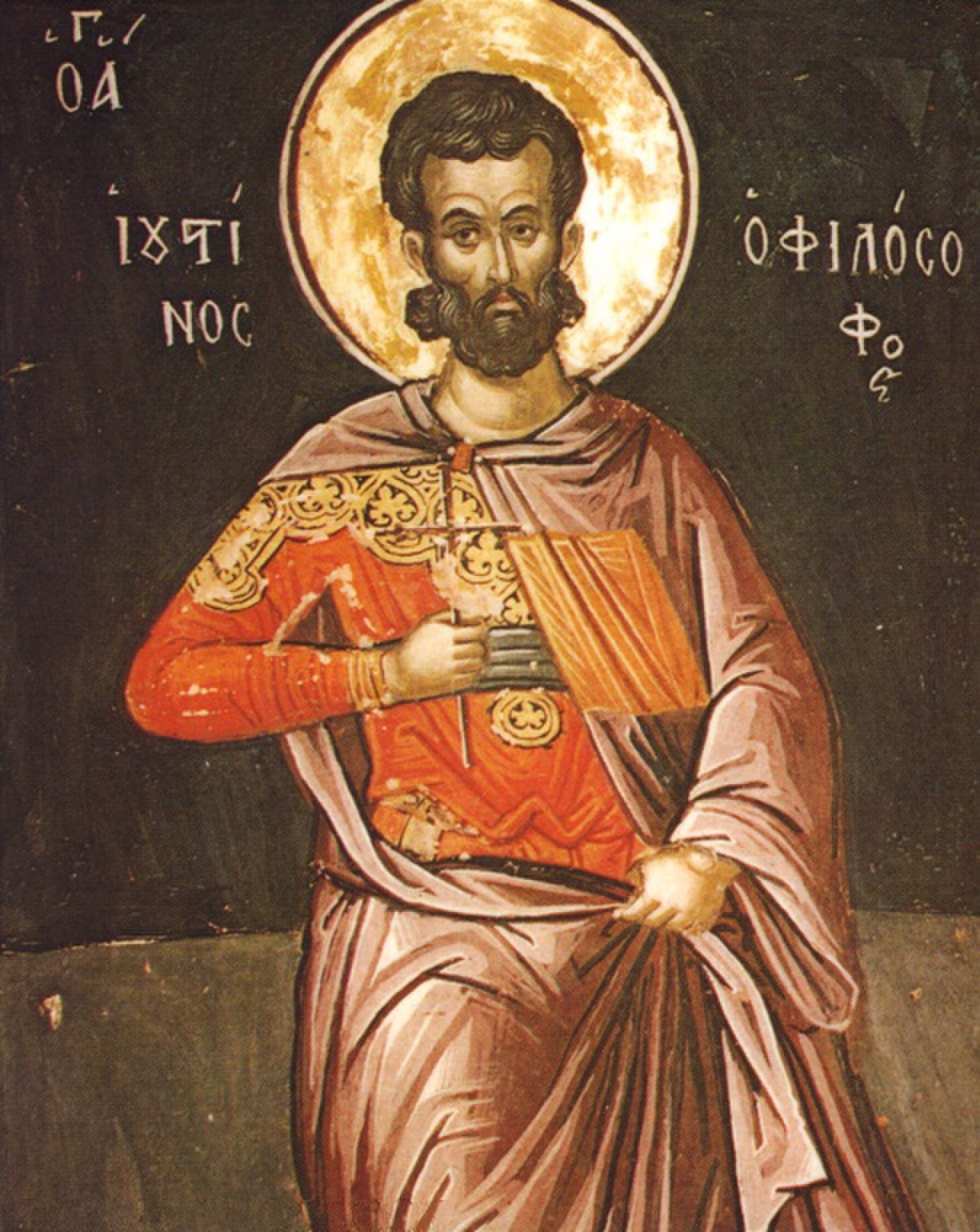
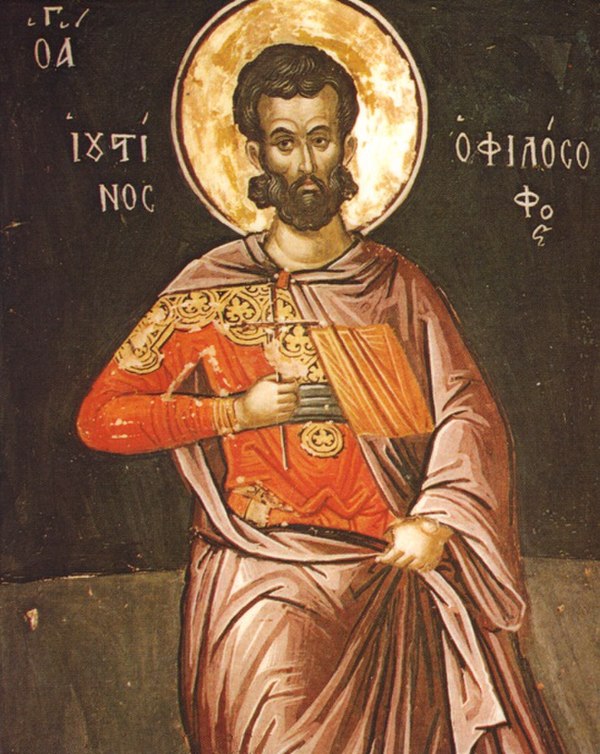 Justin Martyrc. 100 – c. 165
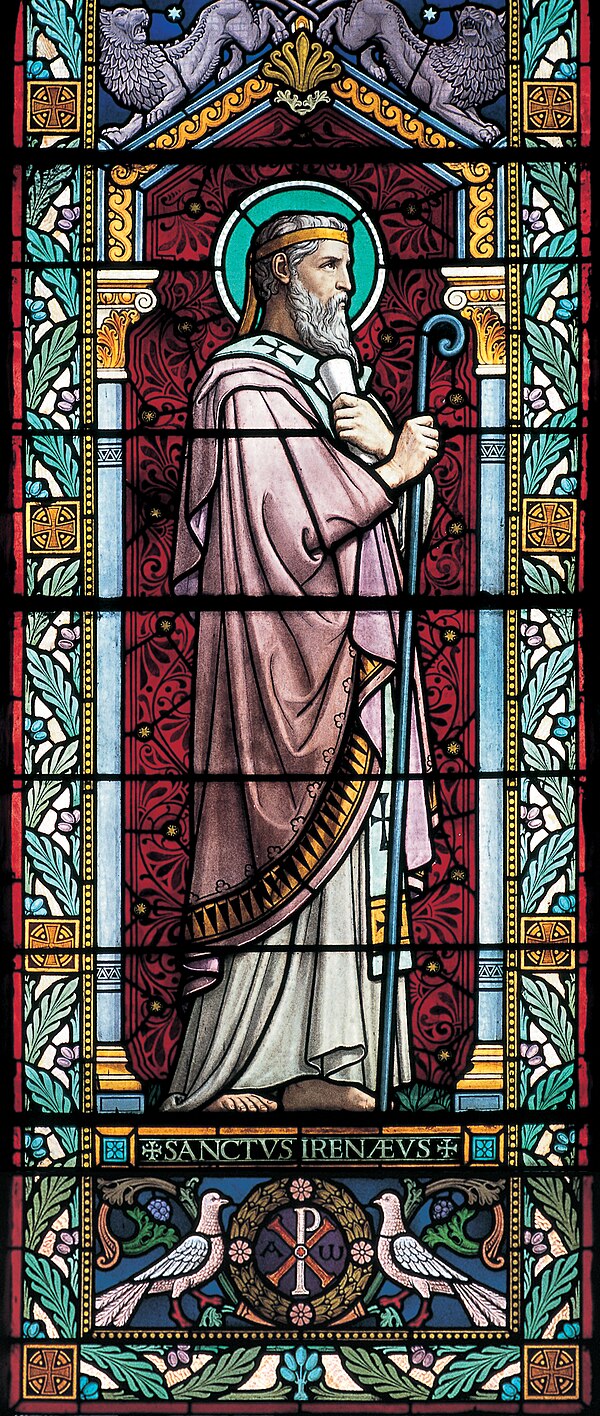 Irenaeusc. 130 – c. 202
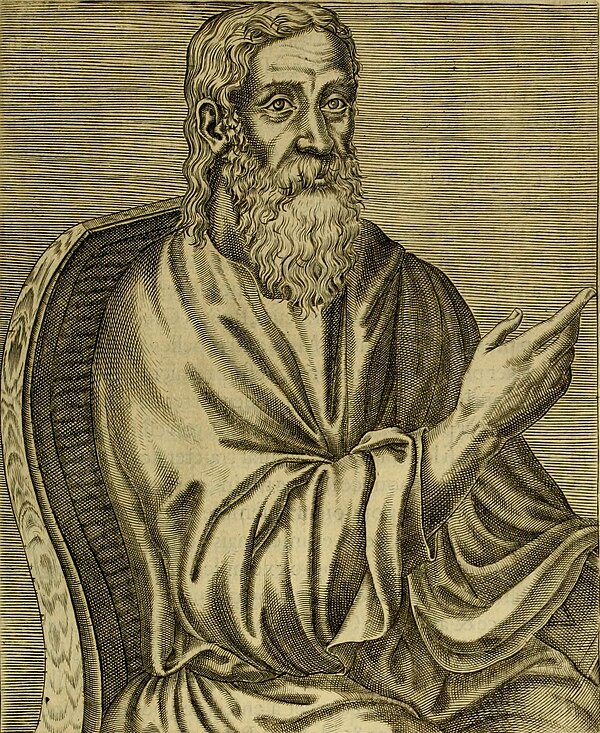 Clementc. 150 – c. 215
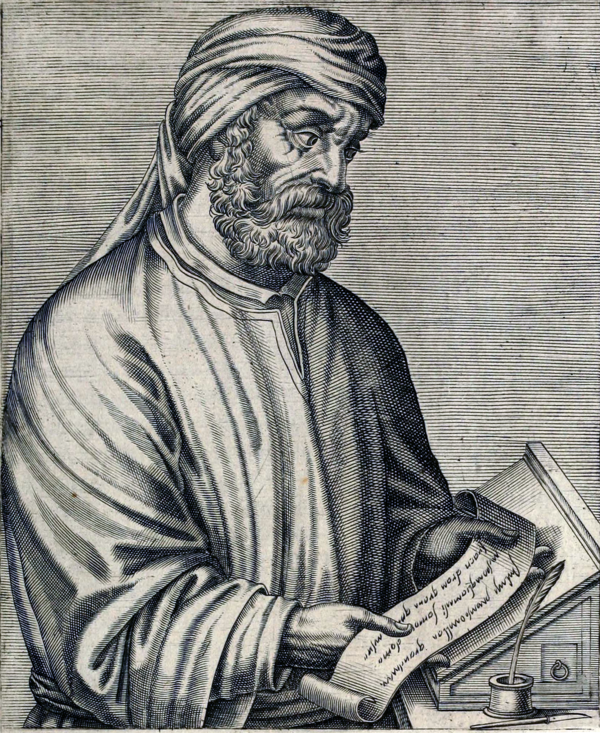 Tertullianc. 155 – c. 220
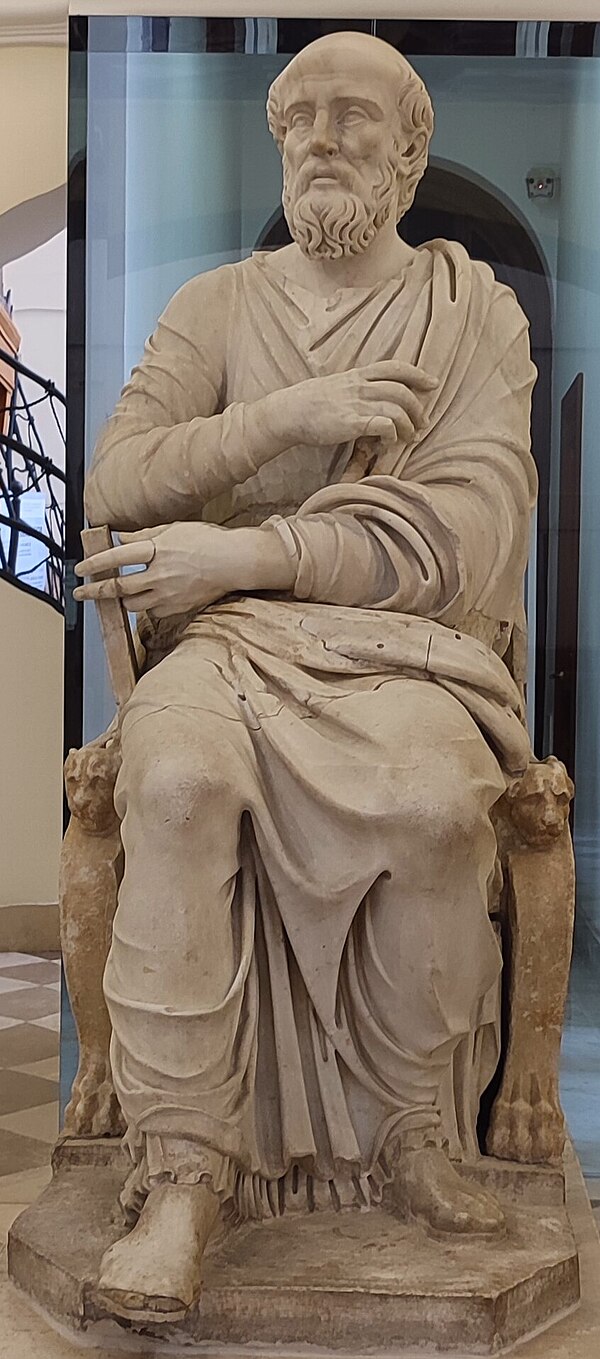 Hippolytusc. 170 – c. 235
Ante-Nicene
AD 200 – 32581 figuresBishops define orthodoxy under persecution. Ends with the Council of Nicaea.
The two centuries before Constantine are when Christianity stops being a fringe movement and becomes a durable institution. Three things drive the period: persecution, theological consolidation, and the rise of the great catechetical schools.
 Justin Martyrc. 100 – c. 165Irenaeusc. 130 – c. 202Clementc. 150 – c. 215Tertullianc. 155 – c. 220Hippolytusc. 170 – c. 235
Desert Fathers
AD 250 – 50087 figuresEgyptian and Syrian ascetic movement; overlaps Ante-Nicene through Post-Nicene.
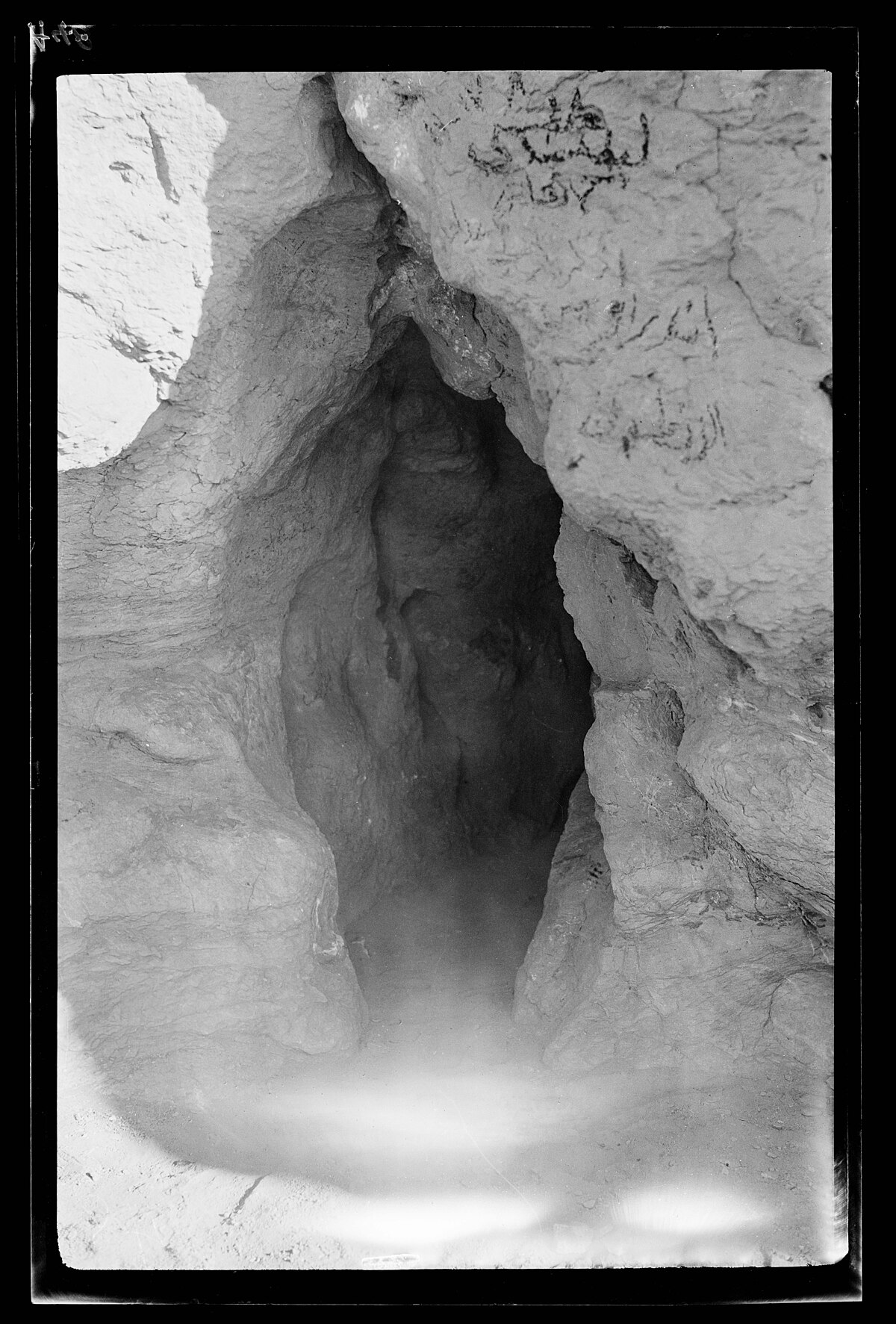
When persecution stopped, the radicals went to the desert. Once Constantine made Christianity legal in 313, dying for the faith was no longer an option. So thousands of Christians, mostly in Egypt and Syria, went out into the wilderness instead — to fast, pray, weep, fight demons, and try to live the gospel literally. They invented monasticism in the process.
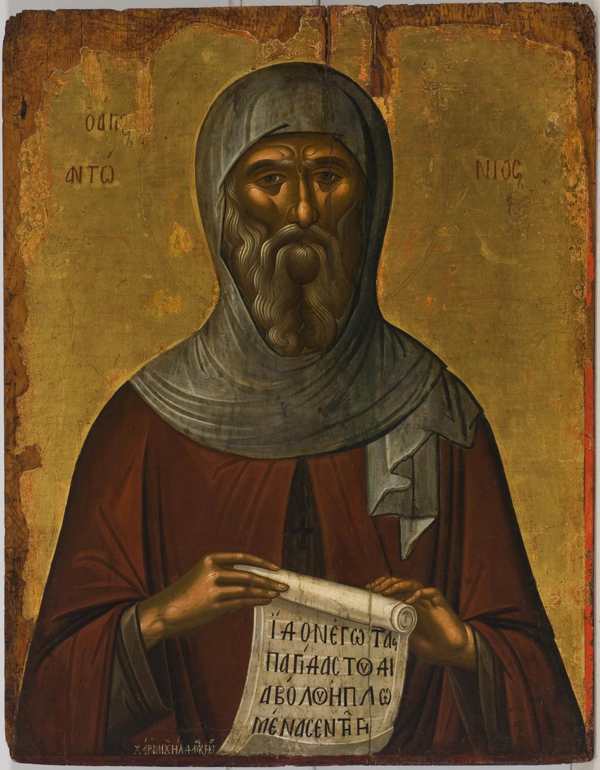 Anthony the Greatc. 251 – 356
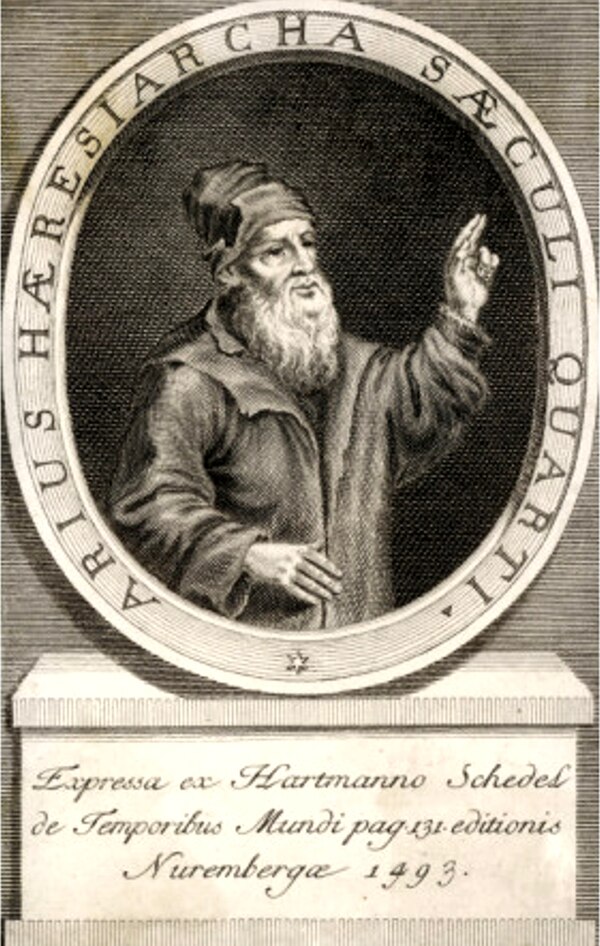 Ariusc. 256 – 336
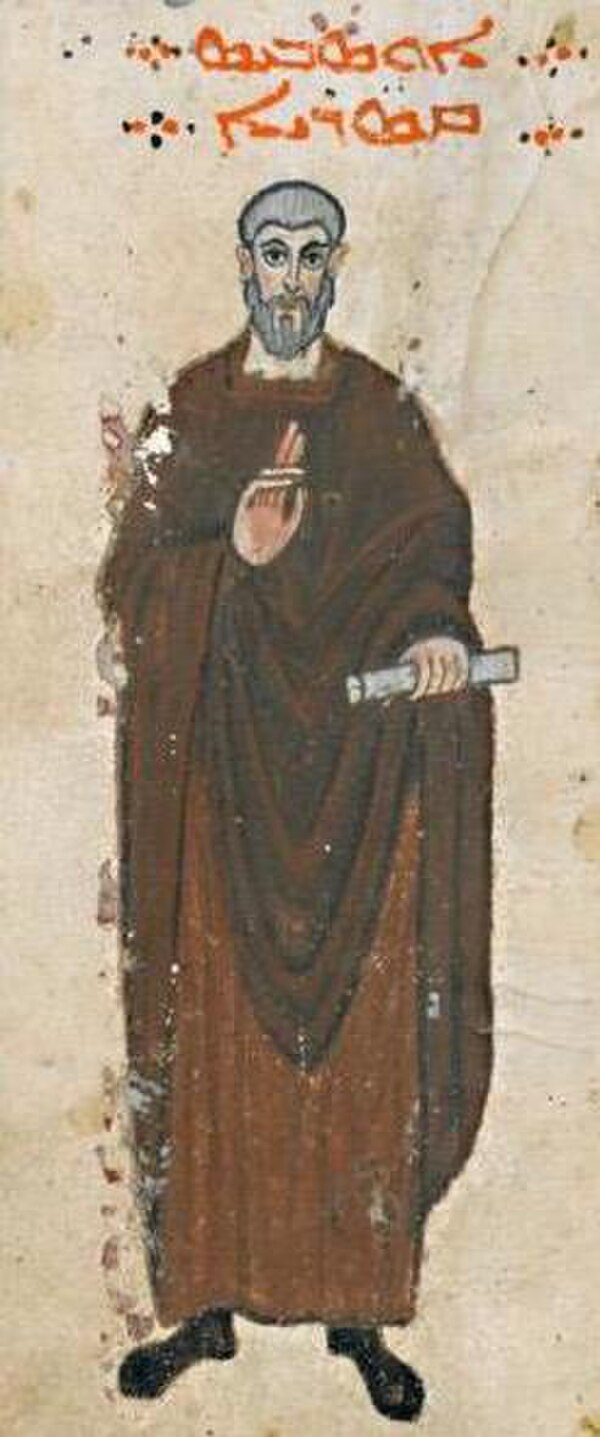 Eusebiusc. 263 – c. 339
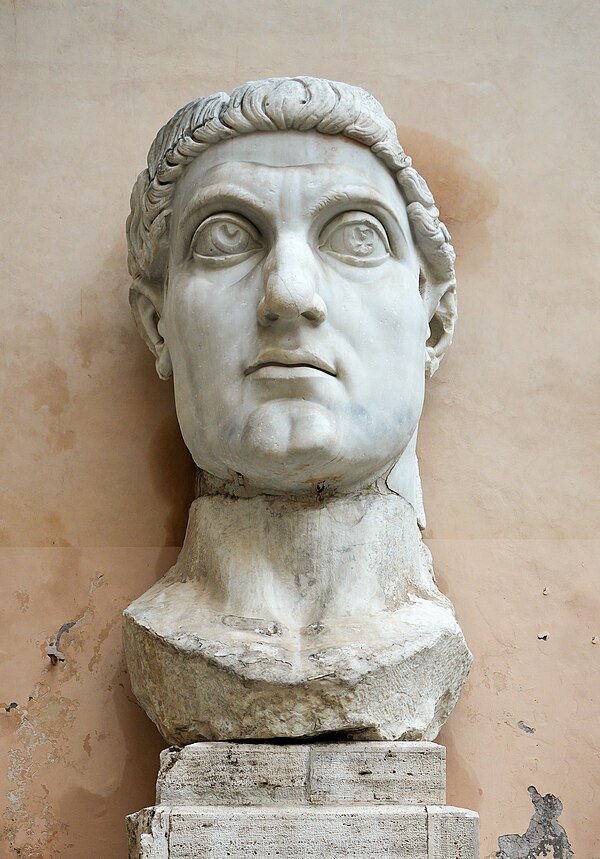 Constantine the Greatc. 272 – 337
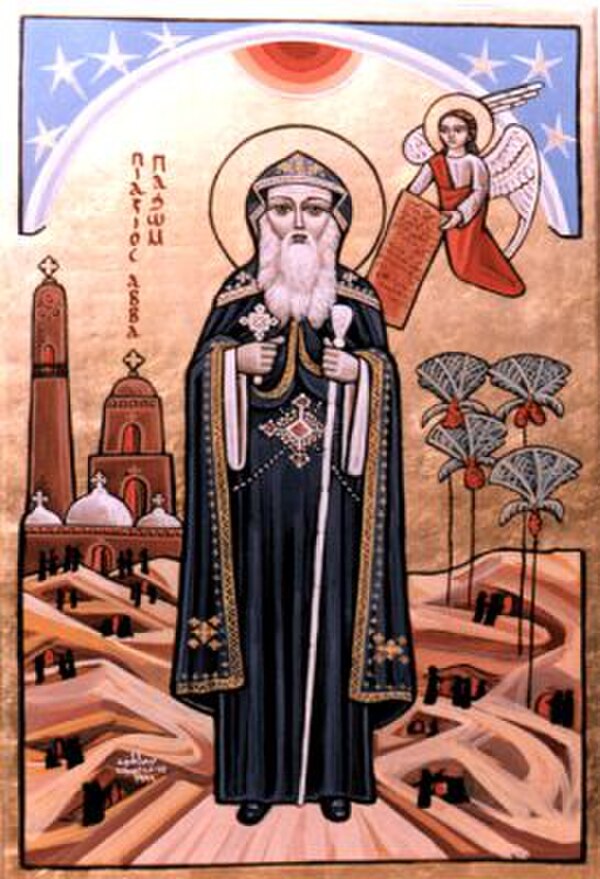 Pachomius the Greatc. 292 – 348
Nicene era
AD 325 – 45167 figuresThe great councils — Nicaea, Constantinople, Ephesus, Chalcedon.
The Nicene era is the century and a quarter when the church and the empire fuse, and the four ecumenical councils define what Christians are still arguing about today. By 380 Theodosius makes Nicene Christianity the official religion of the Roman empire. By 451 the council of Chalcedon has carved out the boundaries of orthodoxy on the Trinity and the person of Christ that Catholic, Orthodox, and most Protestant churches still hold.
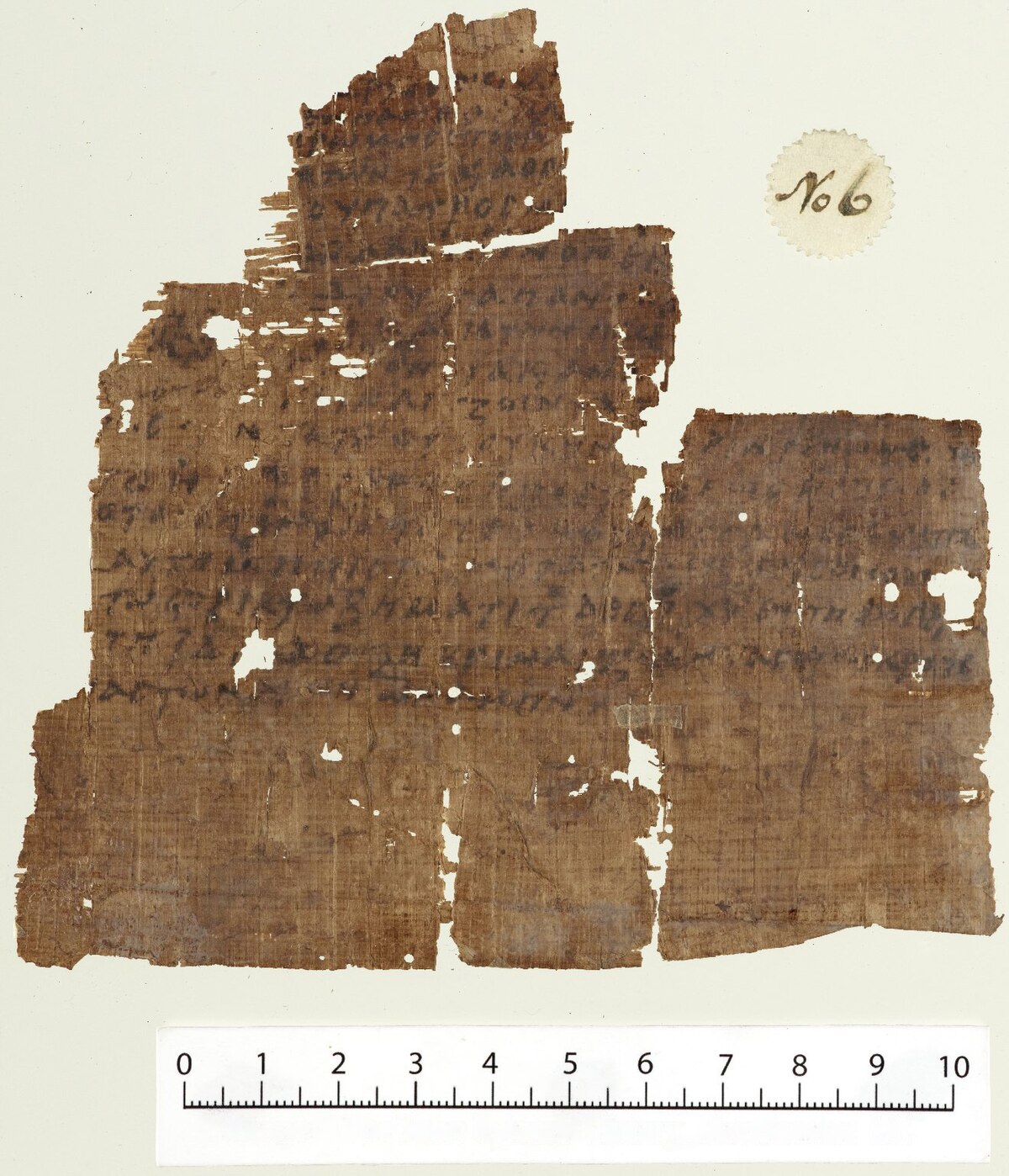 Ariusc. 256 – 336Constantine the Greatc. 272 – 337
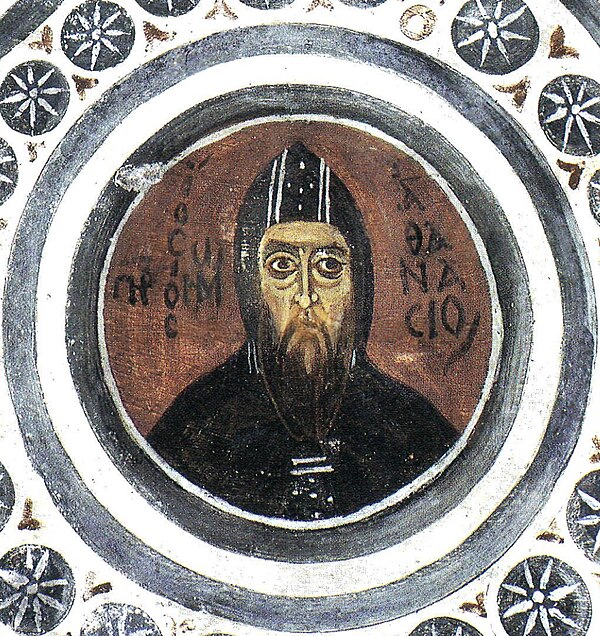 Athanasiusc. 296 – 373
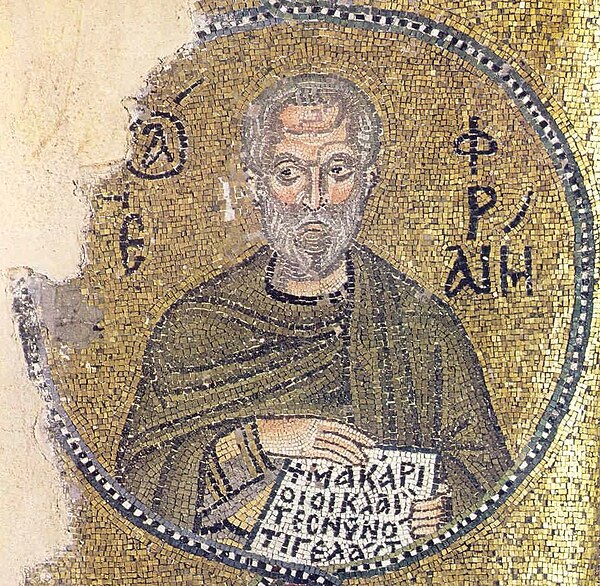 Ephrem the Syrianc. 306 – 373
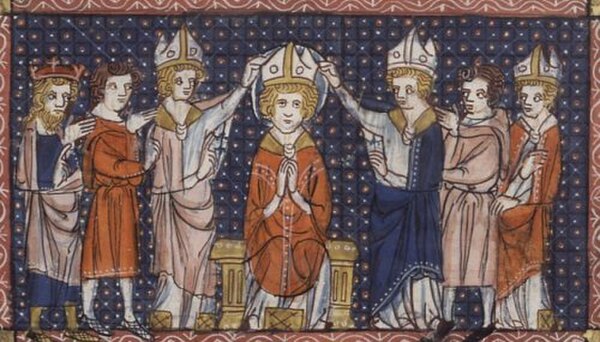 Hilaryc. 310 – 367
Post-Nicene
AD 451 – 60053 figuresChristology aftermath, the rise of monasticism, and Augustine's legacy.
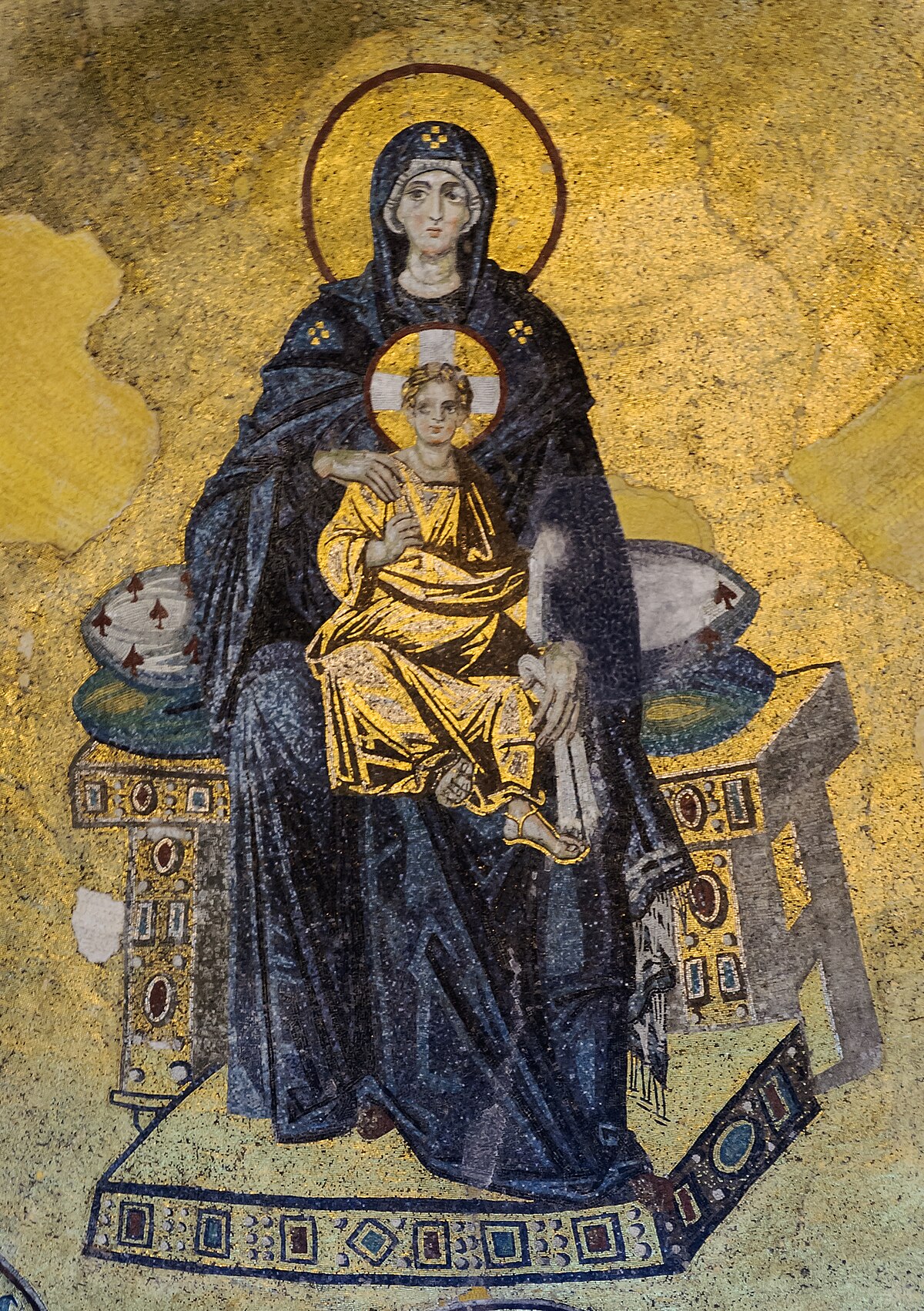
Chalcedon settled the doctrine but split the church. The Coptic, Ethiopian, Syriac, and Armenian churches reject Chalcedon as too Nestorian and go their own way — they are still going their own way fifteen centuries later. The Byzantine emperors spend the rest of the century trying and failing to reconcile them; Justinian's Three Chapters edict (544) and the Second Council of Constantinople (553) are the high-water mark of that effort.
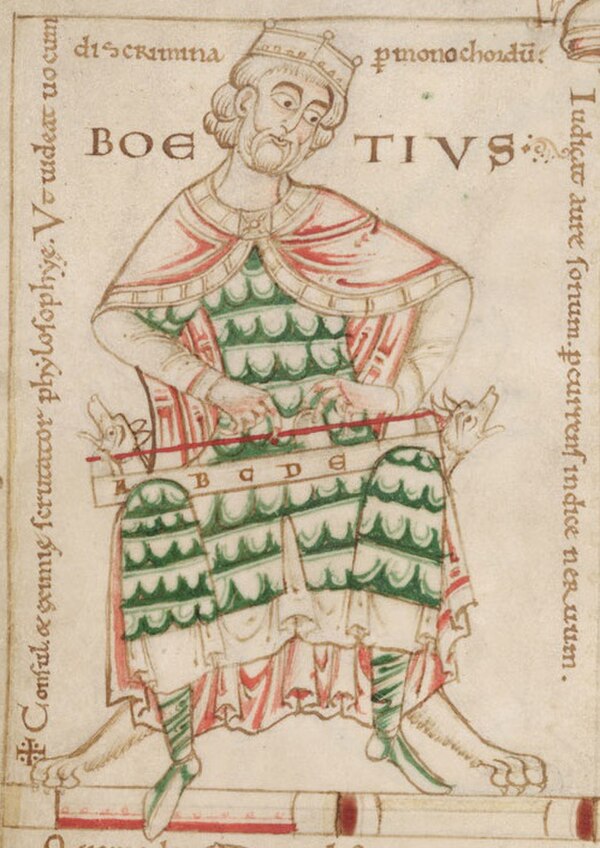 Boethiusc. 477 – c. 524
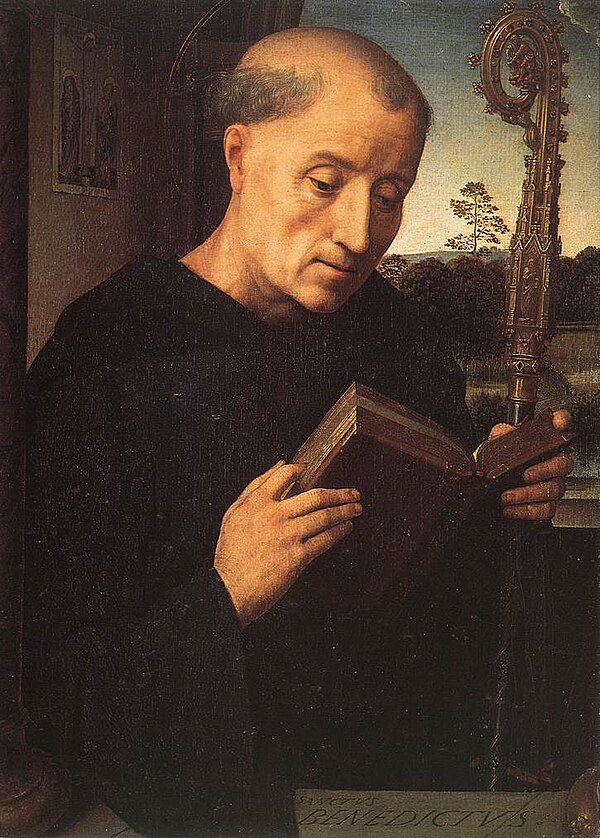 Benedictc. 480 – c. 547
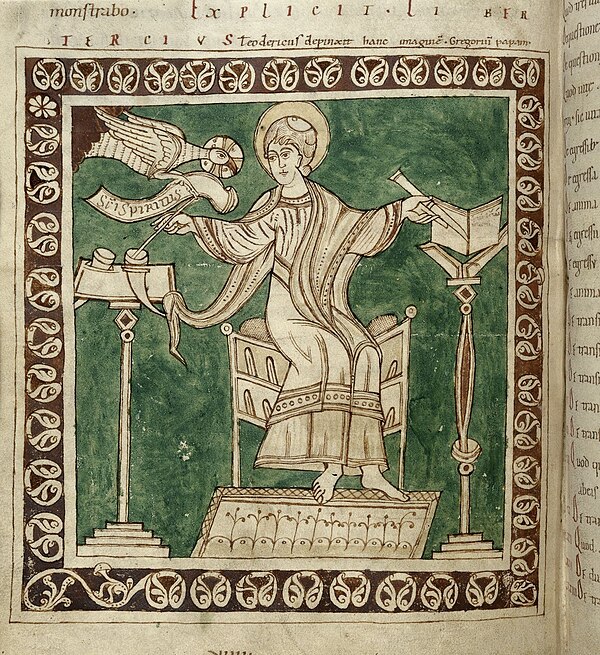 Pope Gregory I (the Great)c. 540 – 604
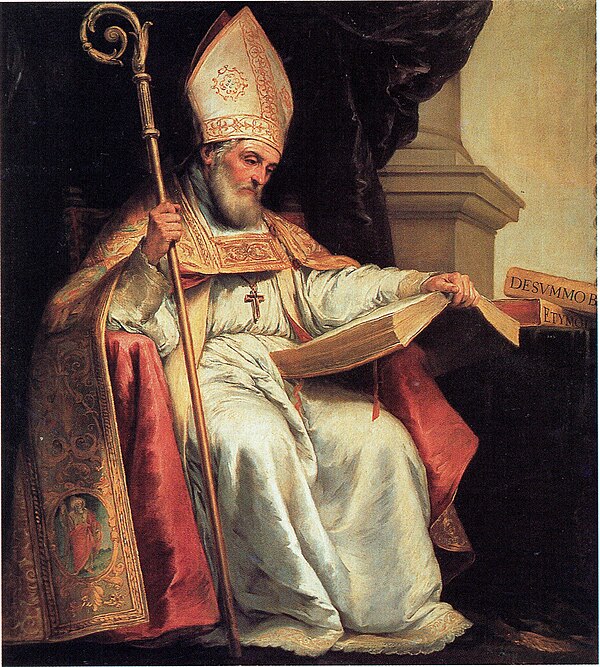 Isidorec. 560 – 636
Early Medieval
AD 600 – 75053 figuresPatristic learning carried by monasteries. Closes with John of Damascus.
Theology in this period is done in monasteries, not cities. The western half of the old empire is now a patchwork of Frankish, Anglo-Saxon, Visigothic, and Lombard kingdoms, and the bishops have either died, fled, or become petty kings. What survives of patristic learning survives because monks copy it. Cassiodorus had the right idea a century earlier; now it's policy. Bede in Northumbria writes the Ecclesiastical History of the English People in 731 with a library of two hundred volumes that monks shipped to him from Rome.
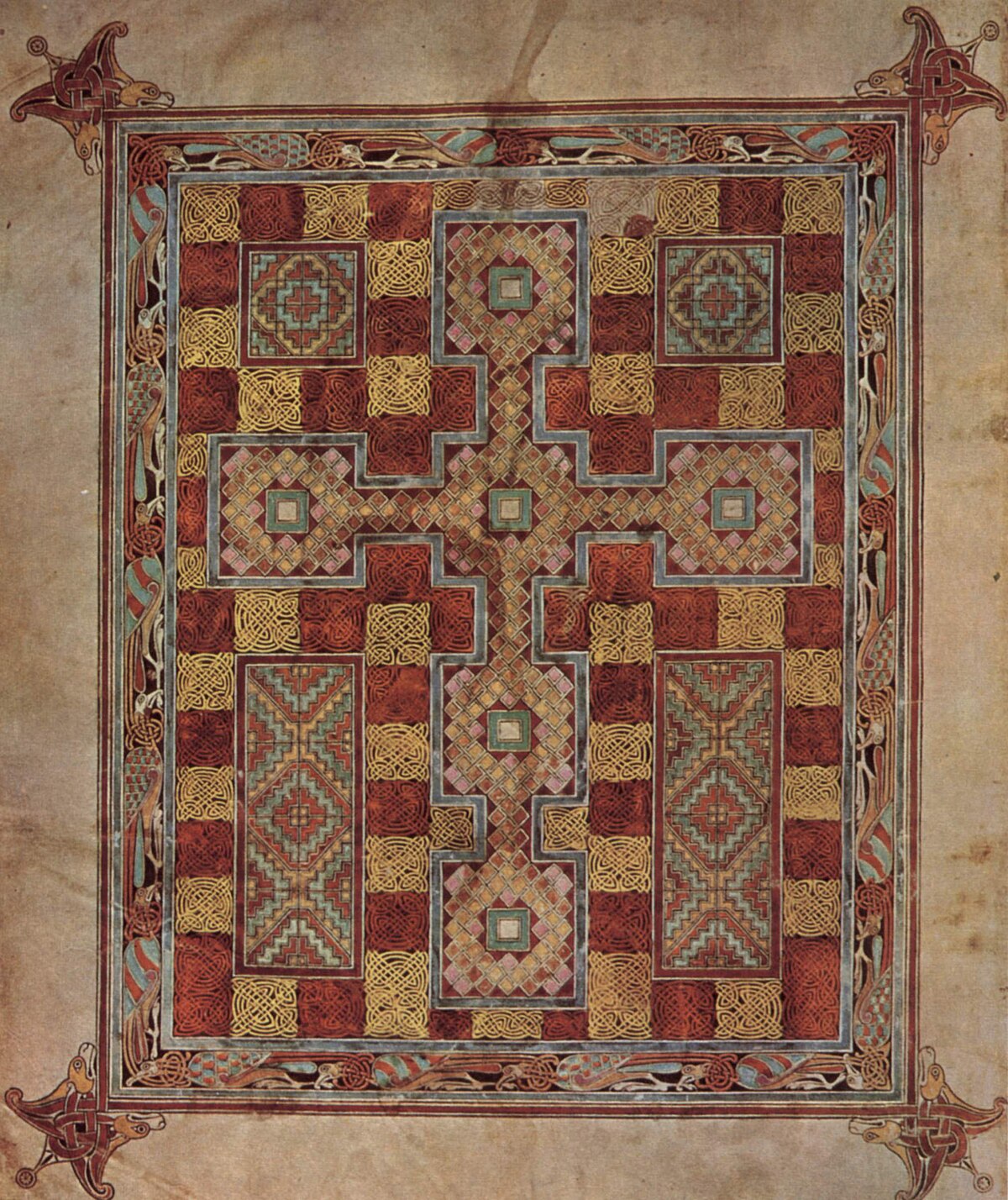 Boethiusc. 477 – c. 524Benedictc. 480 – c. 547Pope Gregory I (the Great)c. 540 – 604Isidorec. 560 – 636