Apostolic succession: early bishops and sees
Apostolic succession proper. 113 bishops across 53 cities, ordered by the date of their earliest known occupant.
A see is the city a bishop is bishop of. "The see of Antioch" means the bishopric of Antioch — the office, the chair, the man who sits in it. Episcopal succession is the chain of men who have sat in that chair, each (in tradition) ordained by the previous. For Catholics and Orthodox this chain, traced back to one of the apostles, is what guarantees a bishop's authority.
Five sees become especially load-bearing in the first six centuries — Rome, Alexandria, Antioch, Jerusalem, and (later) Constantinople — and by the fifth century these are formally called patriarchates. They were the cities with apostolic foundation stories (Peter at Rome and Antioch, Mark at Alexandria, James at Jerusalem) and the political weight to convene councils and adjudicate disputes. The other sees on this page are smaller links in the same chain: a Hilary at Poitiers, an Ambrose at Milan, a Bede's bishop at Lindisfarne.
The honest caveat: many of these lists are reconstructions. First-century Roman and Antiochene successions were assembled by Irenaeus and Eusebius from sources (Hegesippus's notebooks) we no longer have. Where a bishop appears with no dates, the data simply doesn't survive — we show what's there and leave the gaps visible.
Index
- Rome (31)
- Jerusalem (3)
- Alexandria (8)
- Ephesus (4)
- Antioch (9)
- Hierapolis (1)
- Smyrna (1)
- Gortyna (1)
- Sardis (1)
- Athens (1)
- Lyons (1)
- Carthage (1)
- Neocaesarea (1)
- Olympus (1)
- Armenia (1)
- Caesarea (1)
- Constantinople (7)
- Nazianzus (1)
- Ancyra (1)
- Poitiers (2)
- Salamis (Cyprus) (1)
- Laodicea in Syria (1)
- Tours (2)
- Caesarea Mazaca (1)
- Tarsus (1)
- Nyssa (1)
- Milan (1)
- Sebaste (1)
- Iconium (1)
- Aquileia (1)
- Mopsuestia (1)
- Hippo Regius (1)
- Nola (1)
- Thagaste (1)
- Helenopolis (1)
- Calama (1)
- Armagh (1)
- Eclanum (1)
- Cyrrhus (1)
- Batnae of Serugh (1)
- Ruspe (1)
- Arles (1)
- Canterbury (2)
- Seville (2)
- Saragossa (1)
- Toledo (1)
- Nineveh (1)
- York (1)
- Lindisfarne (1)
- Sherborne (1)
- Edessa (1)
- Gortyn (Crete) (1)
- Mainz (1)
Rome
West31 bishops, c. 1–683.
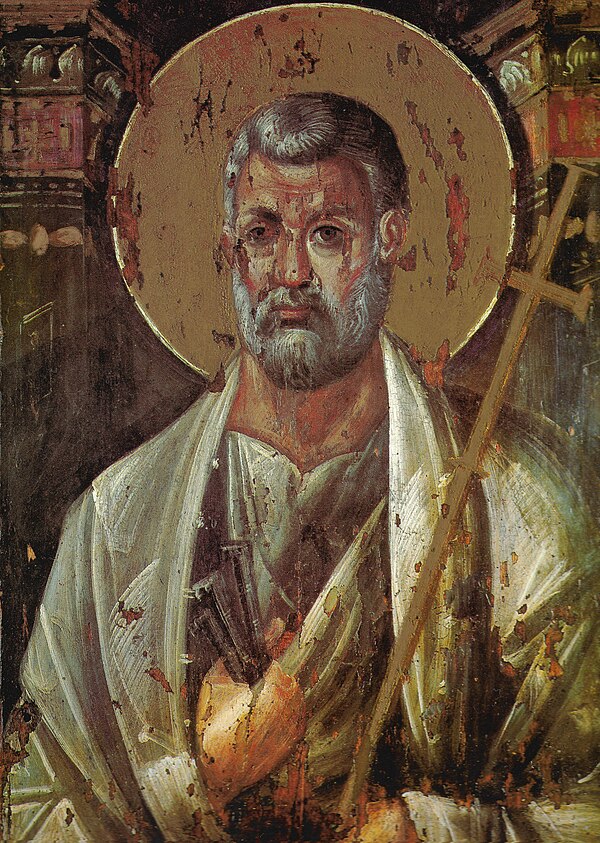 Peterc. 1 – c. 64
Chief of the Twelve Apostles.
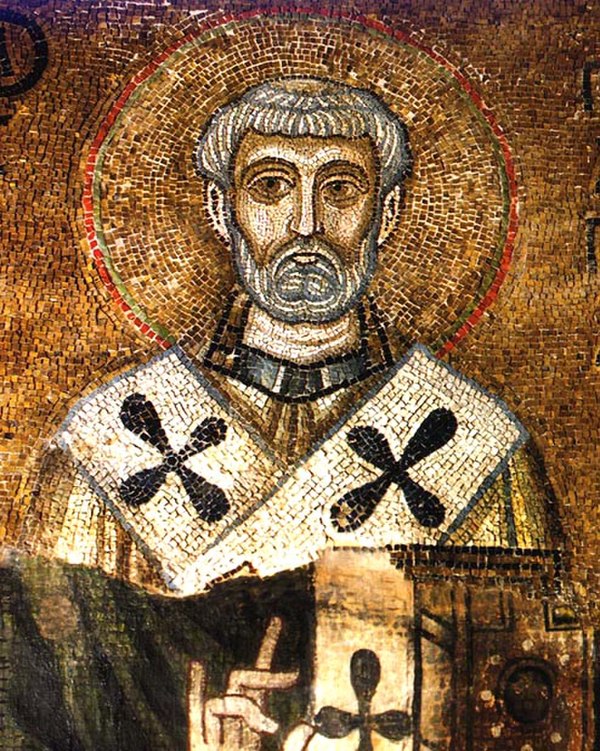 Clement of Romec. 35 – c. 99
Bishop of Rome late in the 1st century. Author of 1 Clement to the Corinthian church c. AD 96 — the earliest surviving Christian document outside the New Testament.
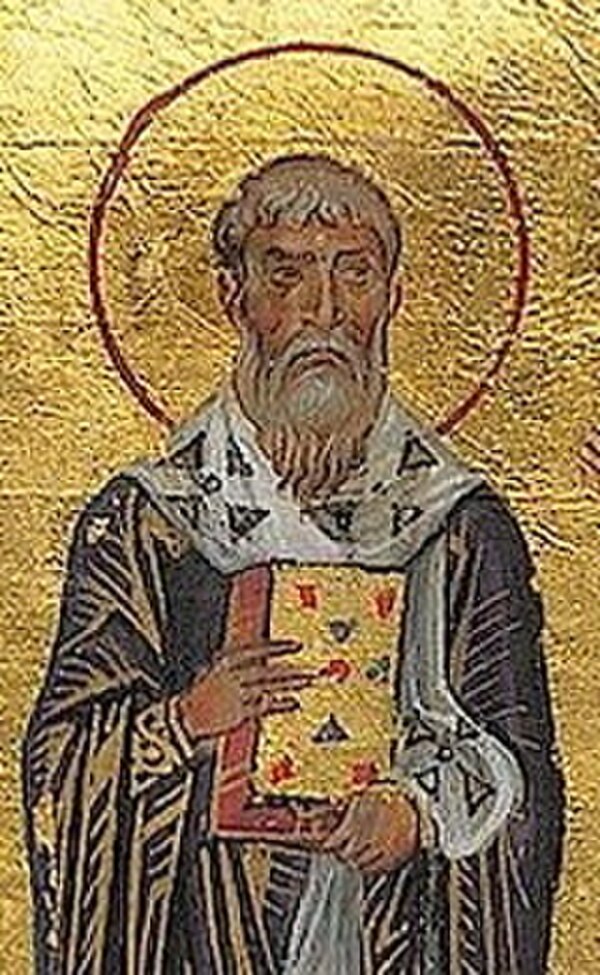 Linus of Romec. 16* – c. 76
Listed by Irenaeus and Eusebius as the first bishop of Rome after Peter and Paul. Often identified with the Linus greeted in 2 Timothy 4:21.
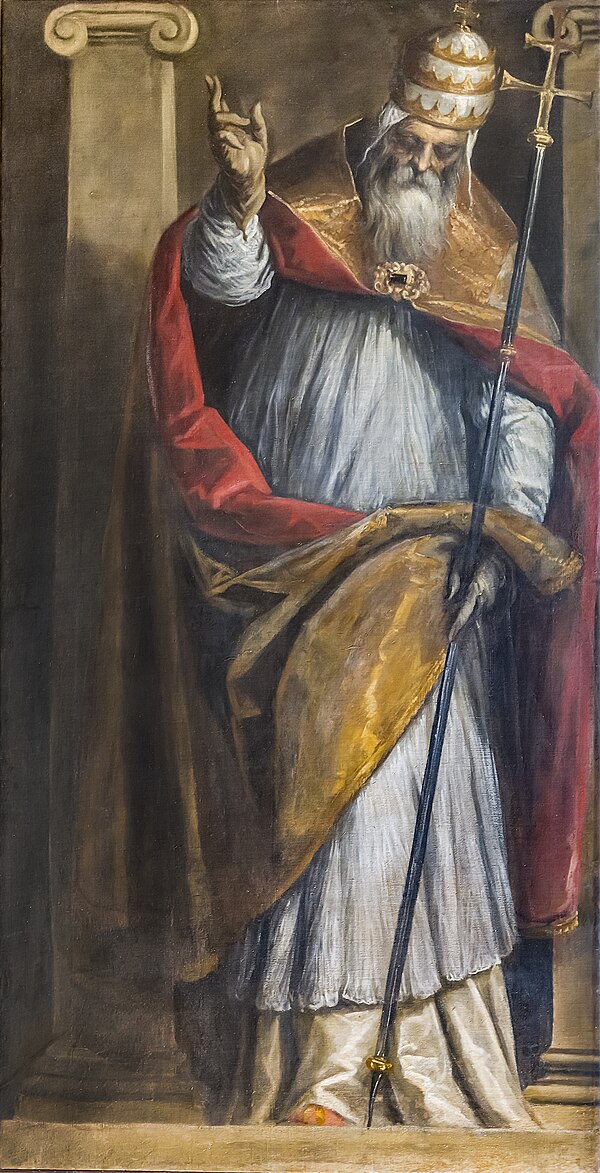 Anacletus of Romec. 32* – c. 92
Second successor of Peter at Rome per Irenaeus' list. Almost no biographical detail survives beyond the succession lists.
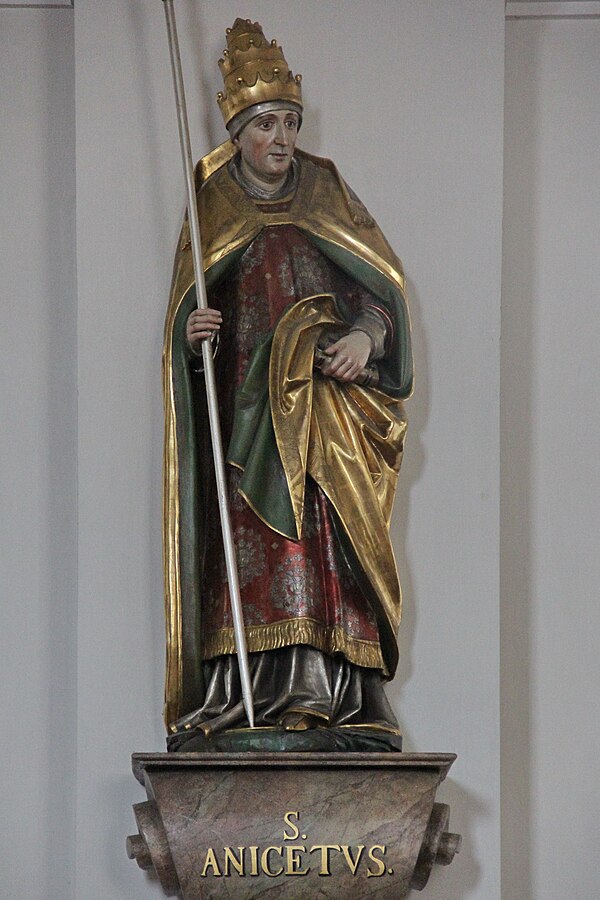 Pope Anicetusc. 100 – c. 168
Bishop of Rome c. 157-168. Hosted Polycarp of Smyrna in Rome during the Easter dating dispute; they parted in peace though disagreeing.
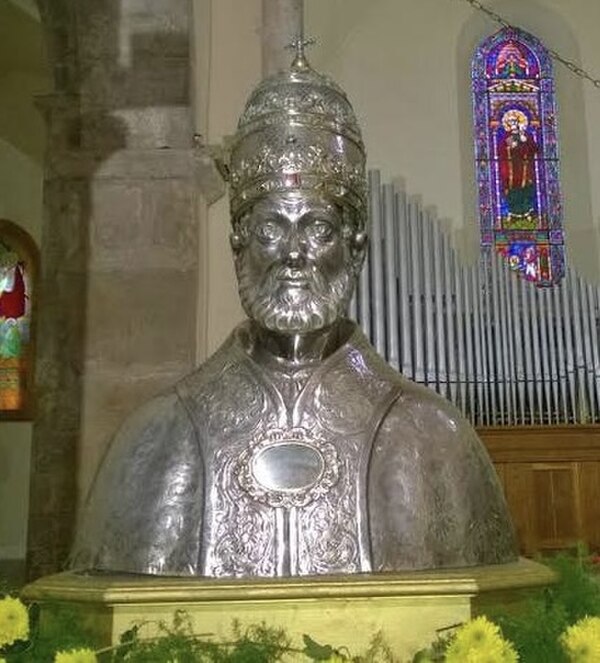 Pope Soterc. 110 – c. 174
Bishop of Rome c. 168-174. Corresponded with Dionysius of Corinth and sent aid to other churches.
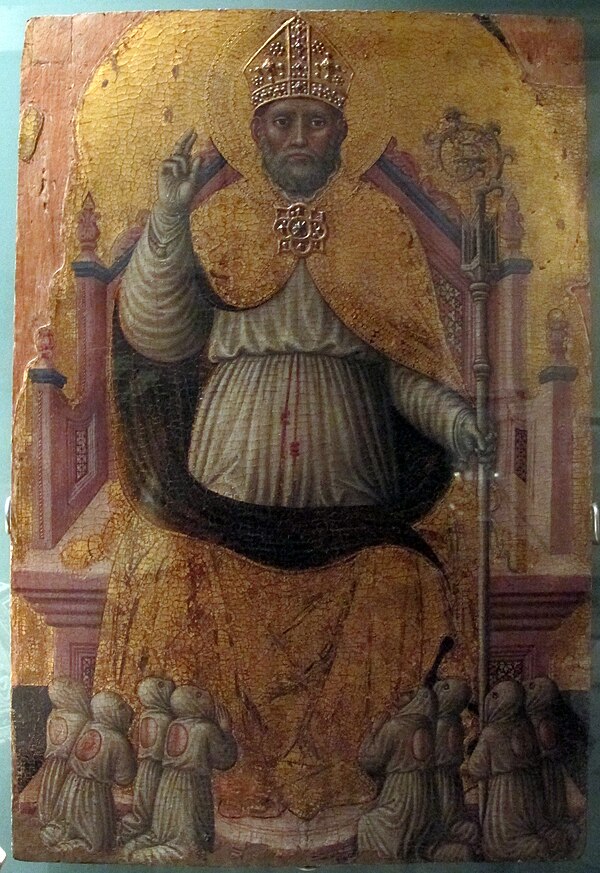 Pope Eleutheriusc. 120 – c. 189
Bishop of Rome c. 174-189. Received Irenaeus as envoy from the Gallic confessors during the Montanist crisis.
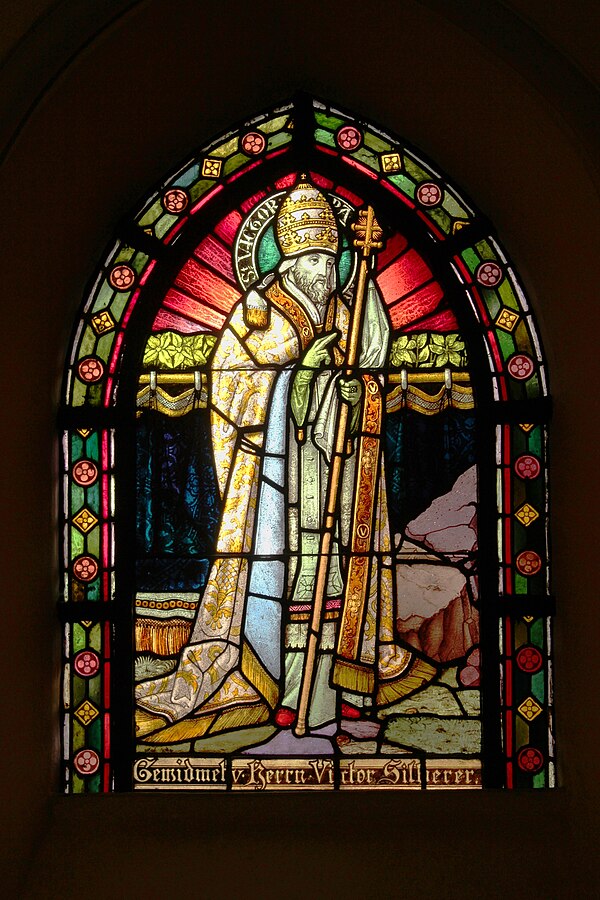 Pope Victor Ic. 130 – c. 199
First Latin-speaking bishop of Rome (c. 189-199). Excommunicated the Asian churches over the Quartodeciman controversy; rebuked by Irenaeus.
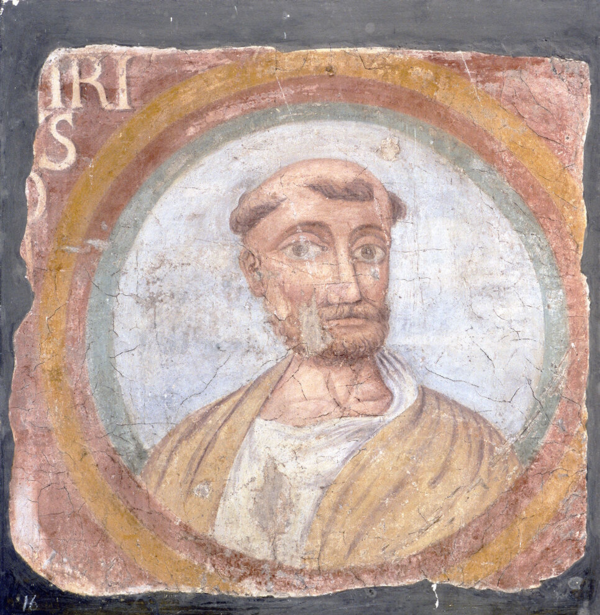 Pope Zephyrinusc. 150 – c. 217
Bishop of Rome 199-217. Criticised by Hippolytus as theologically weak in the modalist controversy.
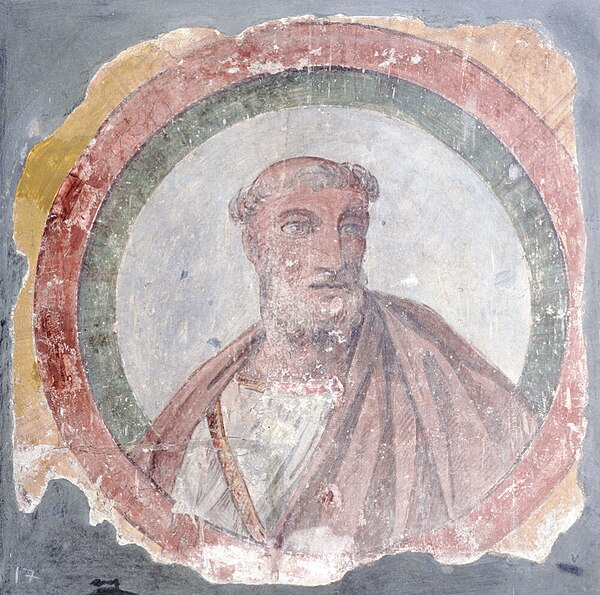 Pope Callixtus Ic. 155 – c. 222
Bishop of Rome 217-222. Former slave; relaxed penitential discipline, drawing fire from Hippolytus and Tertullian. Tradition records him as a martyr.
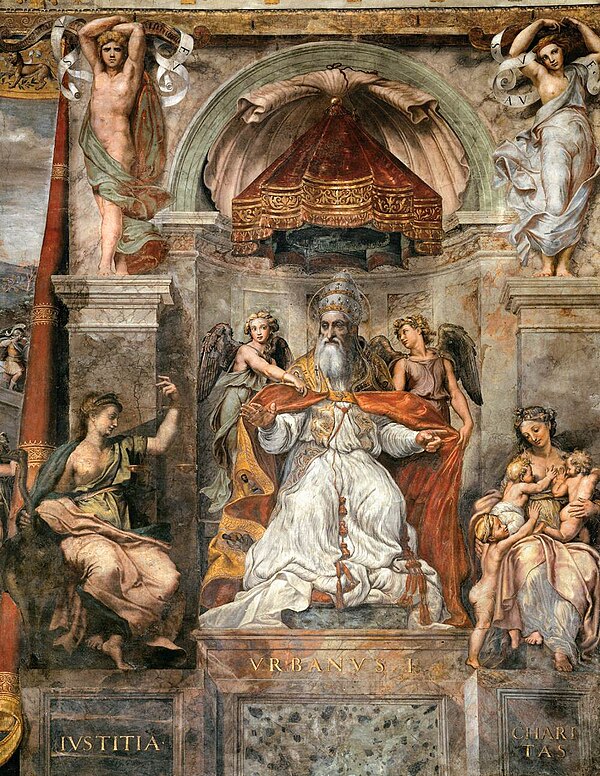 Pope Urban Ic. 175 – 230
Bishop of Rome 222-230. Successor of Callixtus I; little reliable detail survives.
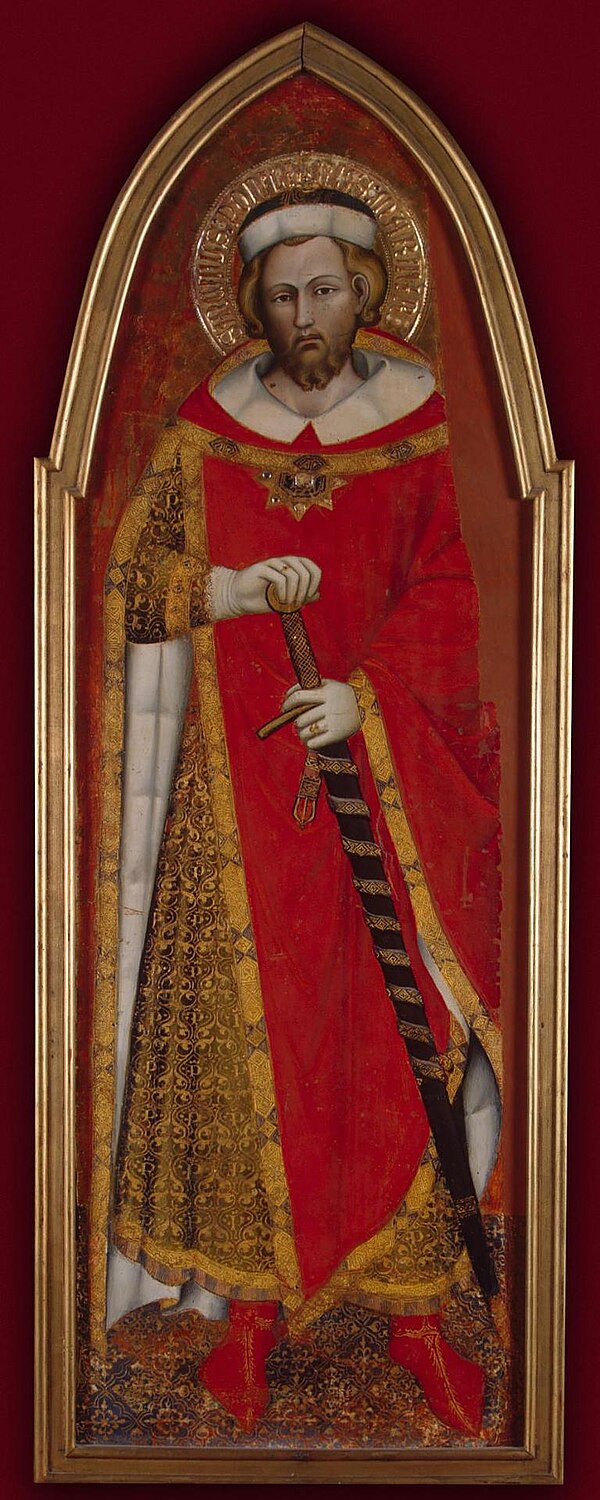 Pope Pontianc. 180 – 235
Bishop of Rome 230-235. Exiled with Hippolytus to Sardinia under Maximinus Thrax; resigned the see and died there.
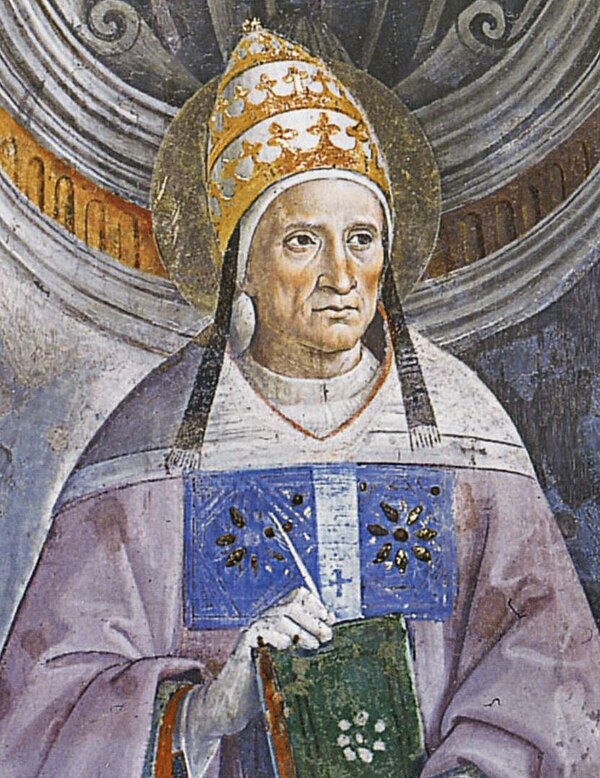 Pope Anterusc. 180 – 236
Bishop of Rome for about 40 days, November 235 to January 236.
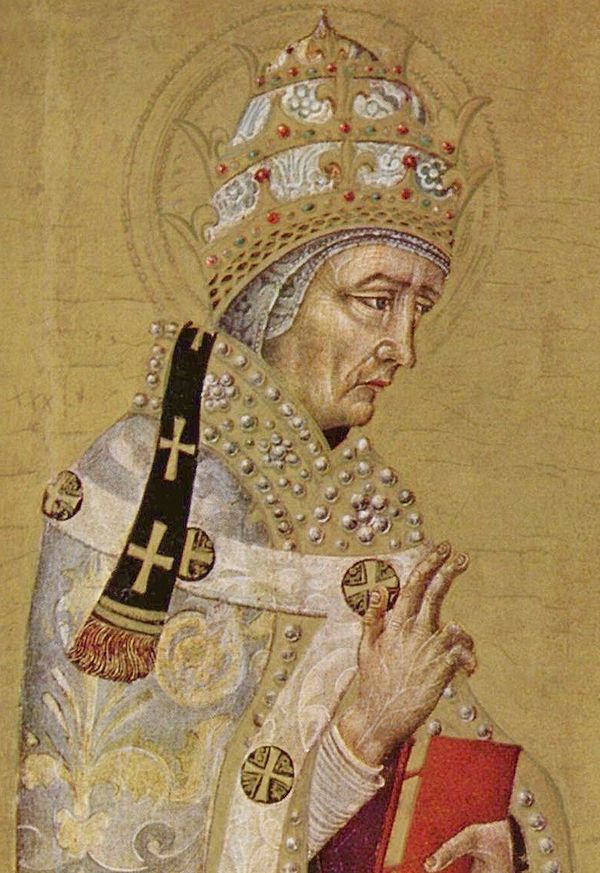 Pope Fabianc. 200 – 250
Bishop of Rome 236-250. Organised the Roman titular churches; martyred 20 January 250 in the Decian persecution.
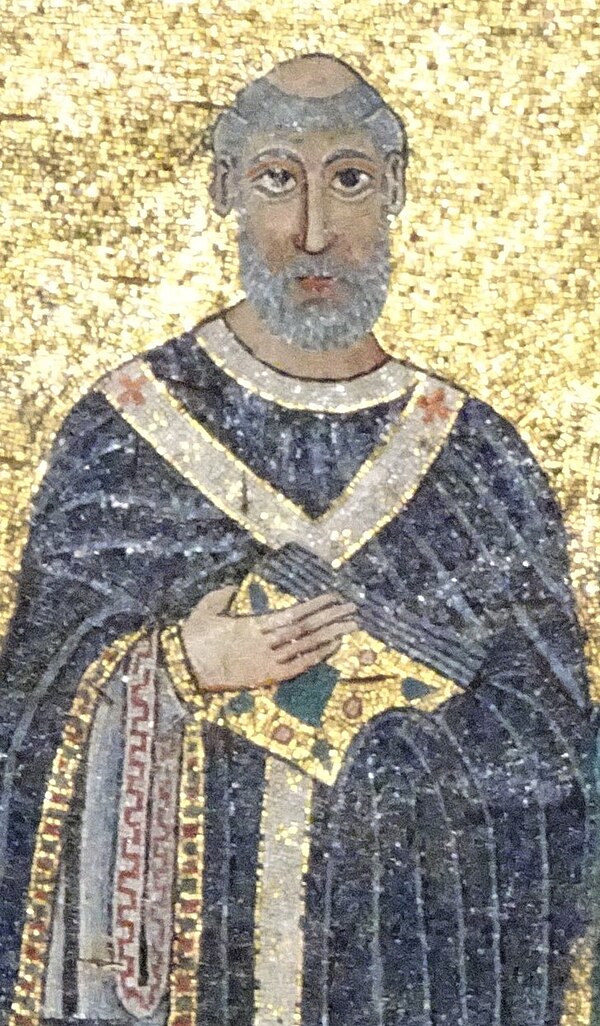 Pope Corneliusc. 200 – 253
Bishop of Rome 251-253; opposed by the rigorist Novatian. Cyprian of Carthage backed his legitimacy. Died in exile under Gallus, counted as martyr.
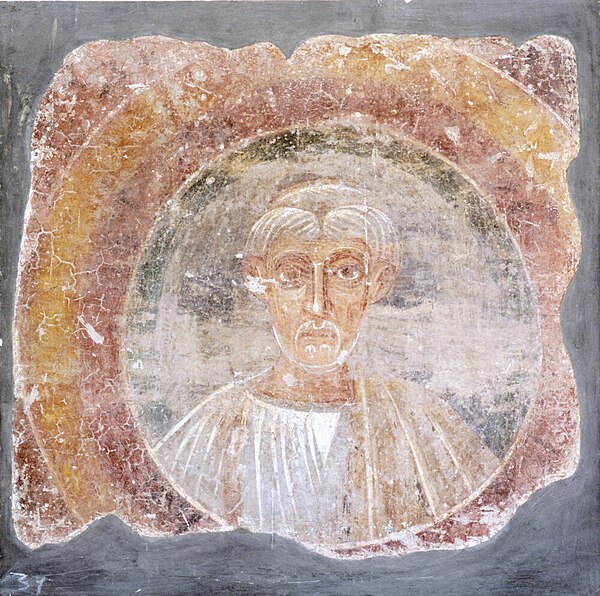 Pope Lucius Ic. 200 – 254
Bishop of Rome 253-254. Briefly exiled, then returned; supported Cyprian's lenient stance toward the lapsed.
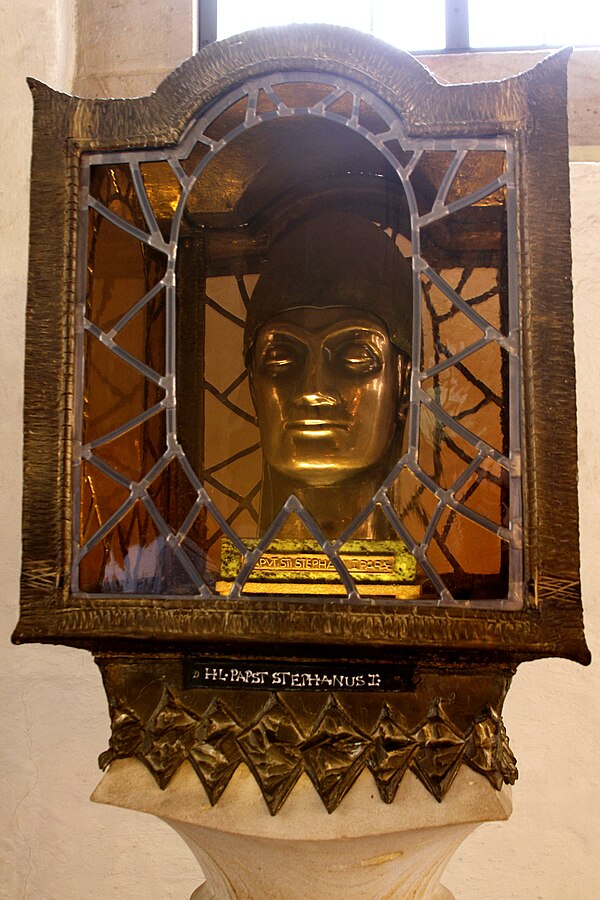 Pope Stephen Ic. 200 – 257
Bishop of Rome 254-257. Disputed bitterly with Cyprian and the African church over the rebaptism of those baptised by heretics, insisting Roman tradition not require it.
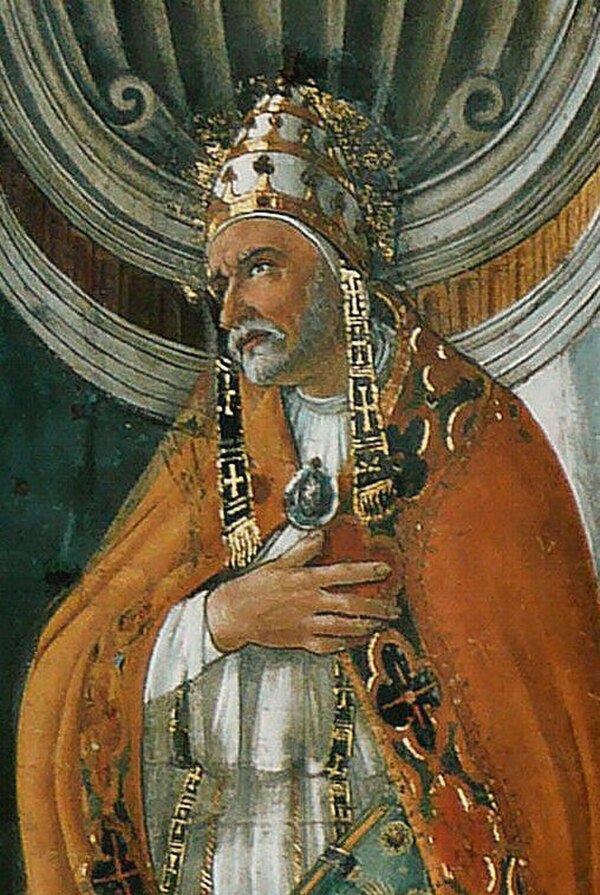 Pope Sixtus IIc. 200 – 258
Bishop of Rome 257-258. Healed the breach with the African church over rebaptism. Beheaded at the cemetery of Praetextatus 6 August 258 under Valerian.
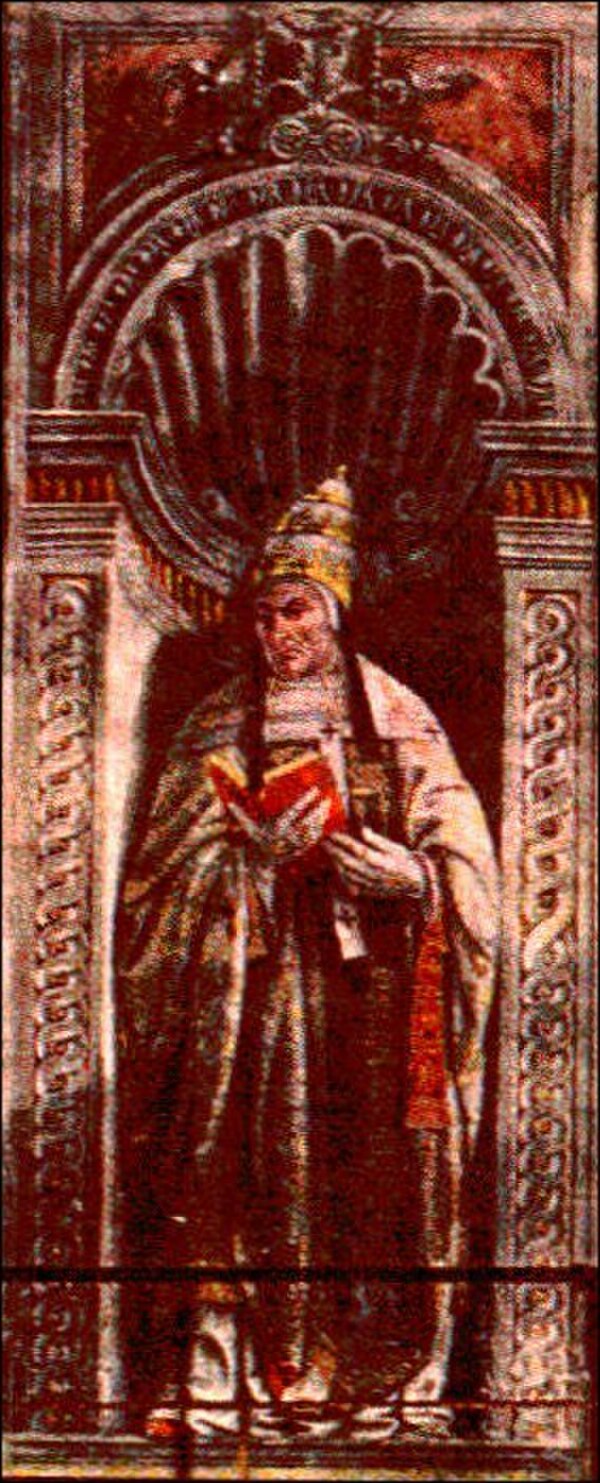 Pope Dionysiusc. 200 – 268
Bishop of Rome 259-268. Clarified Trinitarian language in correspondence with Dionysius of Alexandria over Sabellian and Subordinationist concerns.
 Pope Felix Ic. 220 – 274
Bishop of Rome 269-274. Active during the deposition of Paul of Samosata at Antioch.
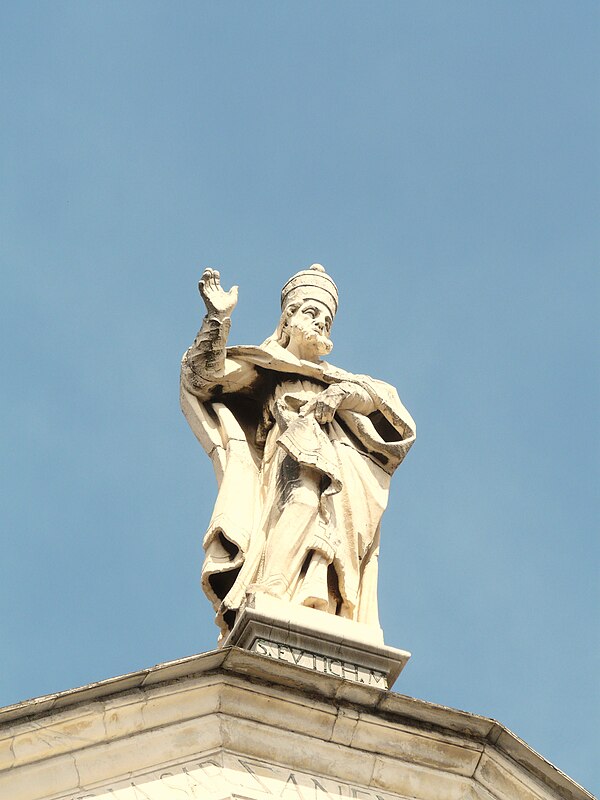 Pope Eutychianc. 230 – 283
Bishop of Rome 275-283; little of substance is preserved beyond the Liber Pontificalis notice.
- Pope Caiusc. 240 – 296
Bishop of Rome 283-296. Reign saw the lull before the Diocletianic persecution.
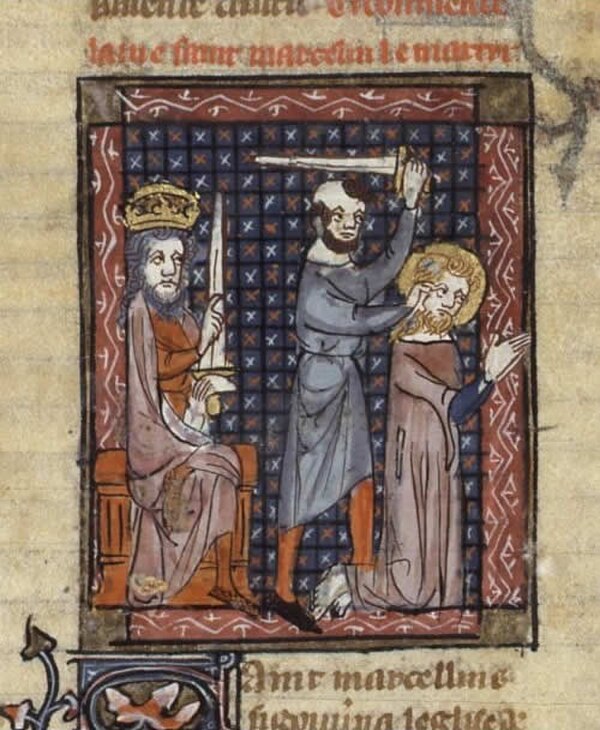 Pope Marcellinusc. 250 – 304
Bishop of Rome 296-304. Reign covered the outbreak of the Diocletianic persecution; his conduct during it was later disputed by the Donatists.
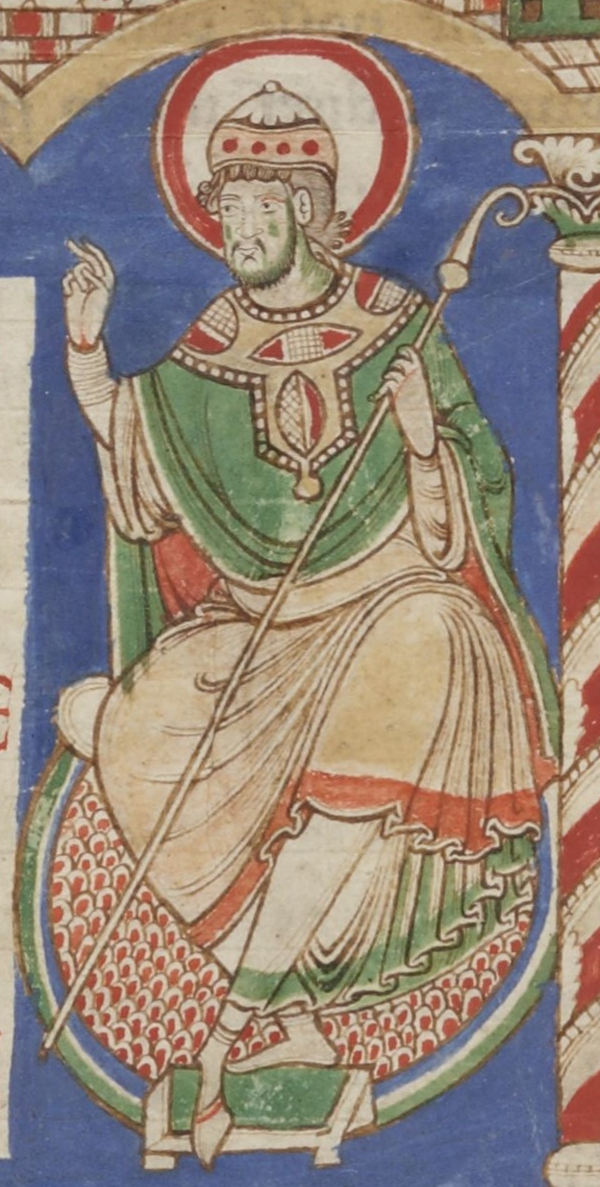 Pope Damasus Ic. 305 – 384
Bishop of Rome 366-384. Patron of Jerome who commissioned the Vulgate. Established the canon of Scripture at the Roman Synod (382).
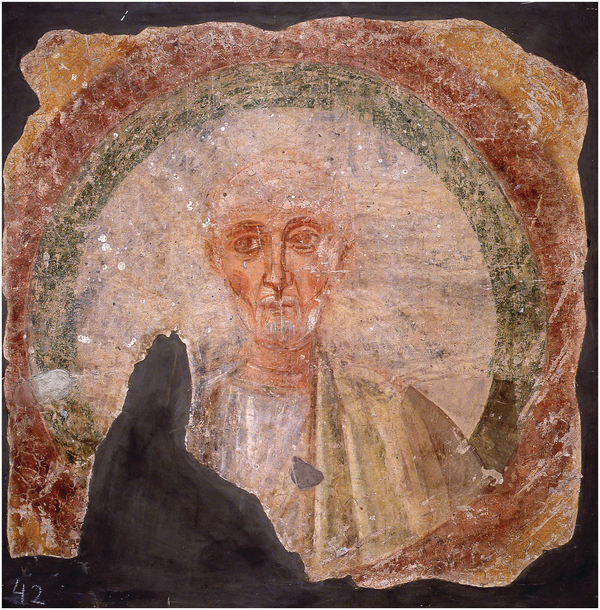 Pope Innocent Ic. 360 – 417
Bishop of Rome 401-417. Defended John Chrysostom and confirmed the African councils' condemnation of Pelagianism (417).
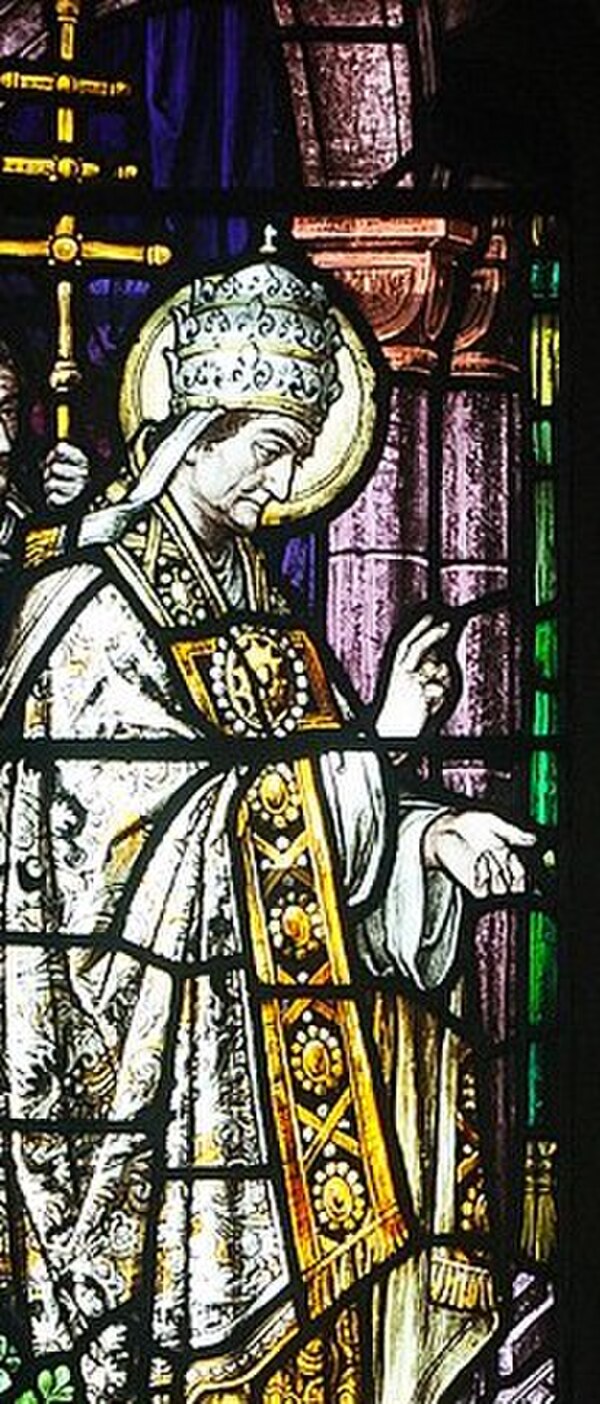 Pope Celestine Ic. 376 – 432
Bishop of Rome 422-432. Backed Cyril of Alexandria against Nestorius and sent legates to Ephesus (431); reportedly sent Palladius to Ireland (431).
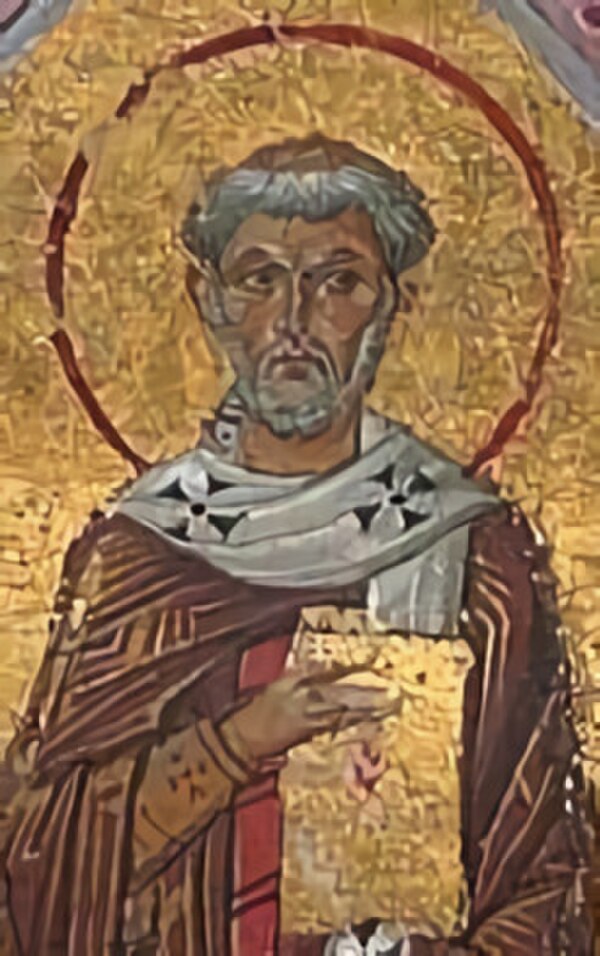 Pope Leo Ic. 400 – 461
Bishop of Rome 440-461. His Tome (Epistula 28) was acclaimed at the Council of Chalcedon (451). Negotiated with Attila in 452.
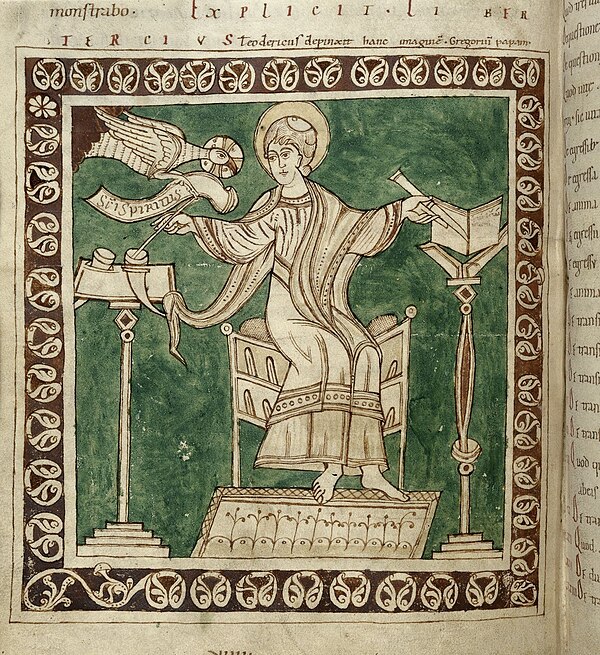 Pope Gregory I (the Great)c. 540 – 604
Pope from 590-604 and one of the four traditional Latin Doctors of the Church.
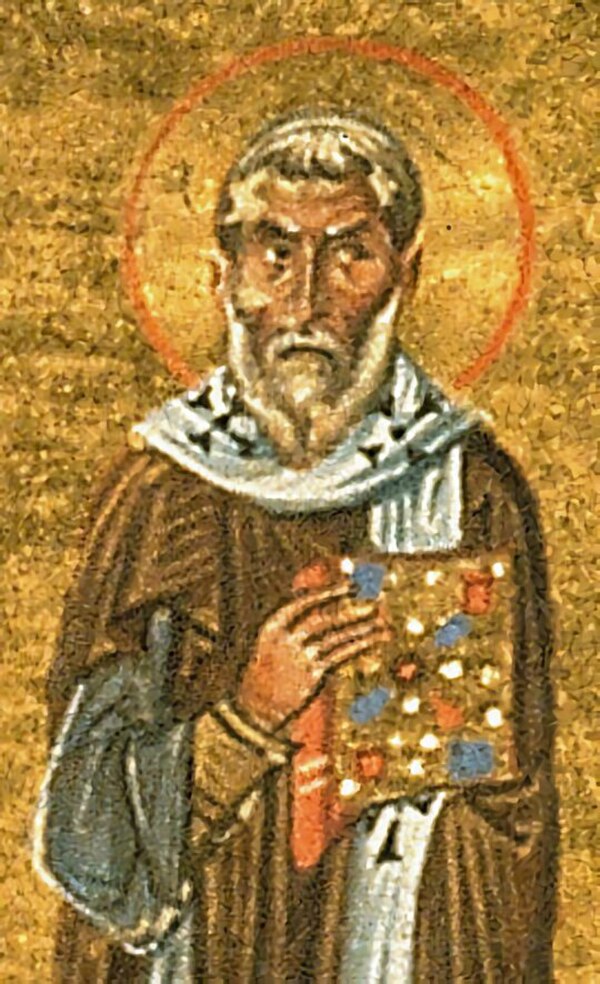 Pope Agathoc. 577 – 681
Pope (678-681) whose dogmatic letter to the Third Council of Constantinople (680-681) was accepted as a definitive statement of dyothelite Christology, condemning Monothelitism.
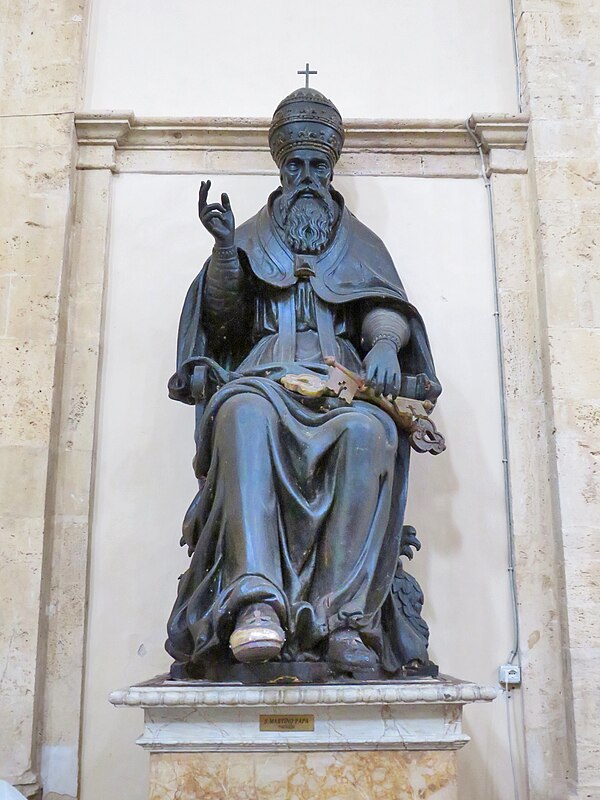 Pope Martin Ic. 590 – 655
Pope (649-655) who convened the Lateran Council of 649 condemning Monothelitism.
- Pope Leo IIc. 611 – 683
Pope (682-683) who confirmed the decrees of the Third Council of Constantinople, ratifying the condemnation of Monothelitism (and of his predecessor Honorius for negligence).
Jerusalem
Palestine3 bishops, c. 1–638.
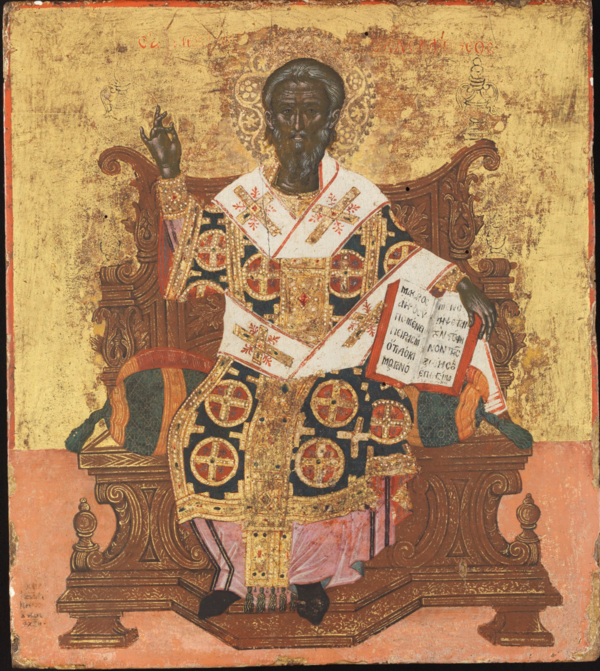 James the Justc. 1 – c. 62
Called 'brother of the Lord' in the New Testament (Galatians 1:19; Mark 6:3) — Catholic and Orthodox tradition reads this as kinsman or step-brother through Joseph's prior marriage; most Protestants read it as a literal sibling.
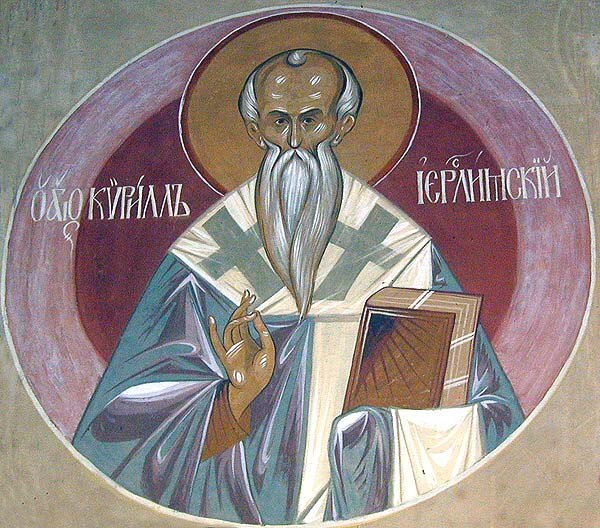 Cyril of Jerusalemc. 313 – 386
Bishop of Jerusalem. His Catechetical Lectures are a primary witness to fourth-century baptismal preparation and liturgy.
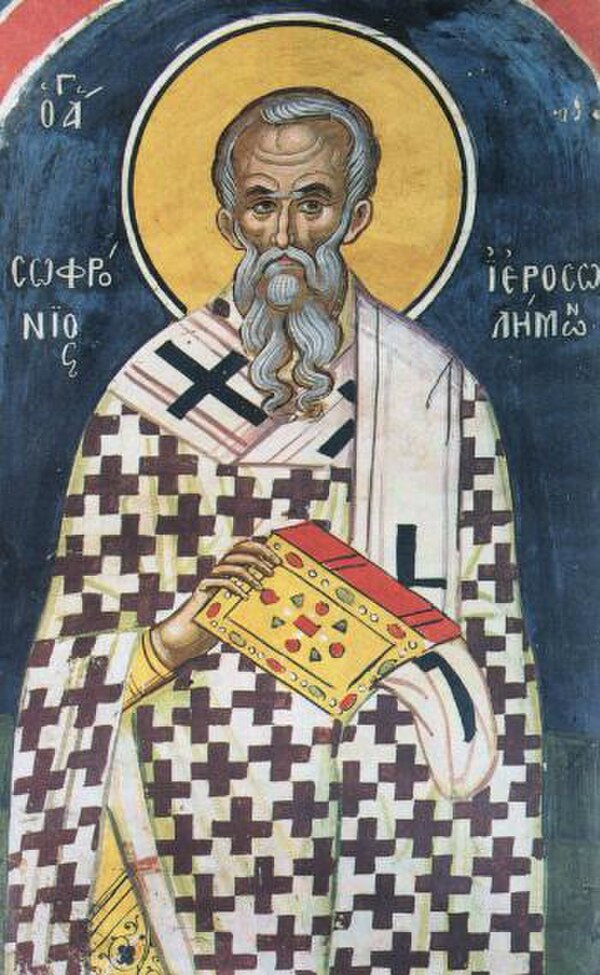 Sophronius of Jerusalemc. 560 – 638
Patriarch of Jerusalem (634-638).
Alexandria
Egypt8 bishops, c. 5–454.
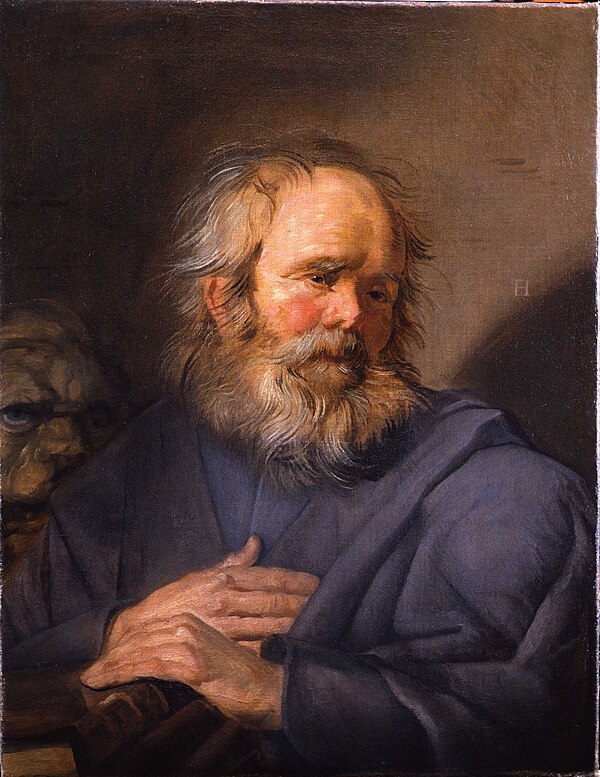 Mark the Evangelistc. 5 – c. 68
Companion of Paul and Barnabas, then 'interpreter' of Peter at Rome (per Papias). Traditional author of the Gospel of Mark and founder of the church of Alexandria.
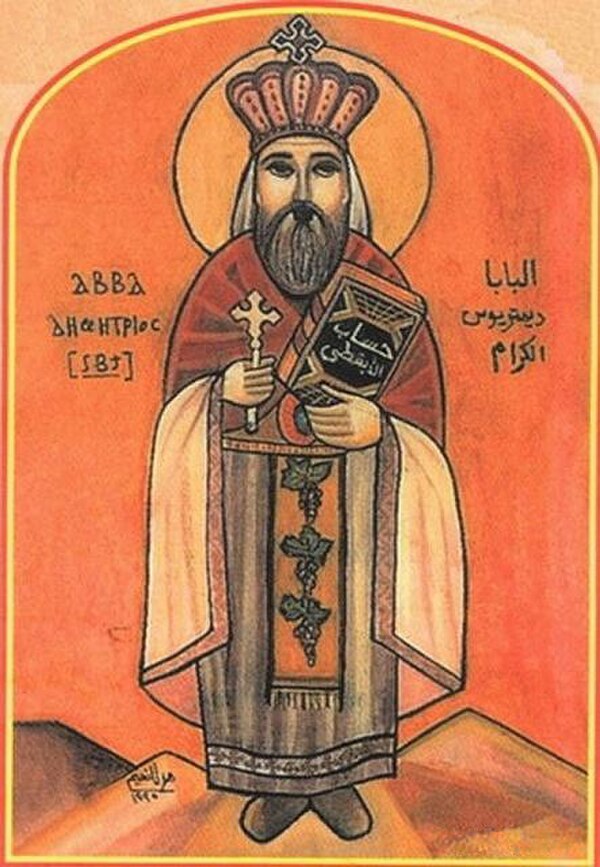 Demetrius of Alexandriac. 130 – 231
11th bishop of Alexandria (189-231). Appointed Origen head of the Catechetical School, then later opposed and condemned him after his ordination outside Alexandria.
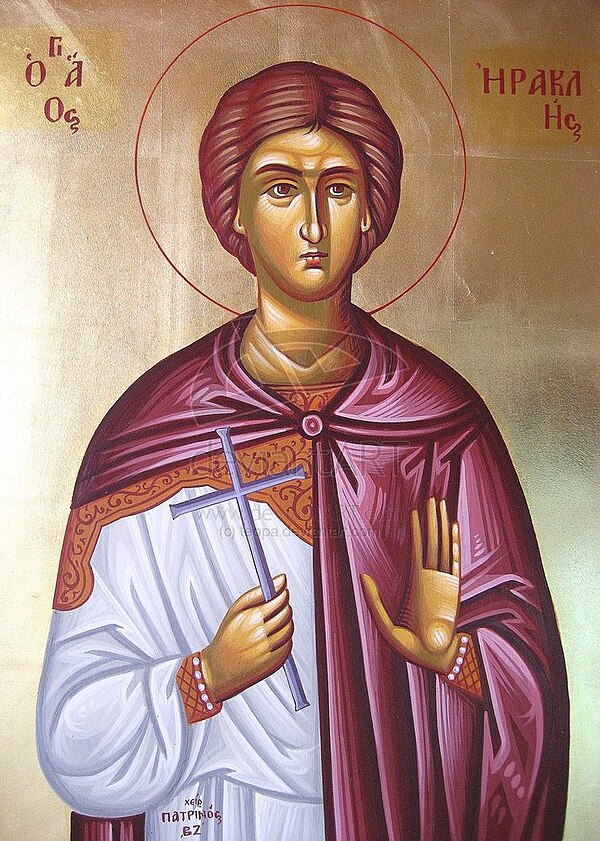 Heraclas of Alexandriac. 180 – 247
13th bishop of Alexandria (231-247); pupil of Origen and his successor at the Catechetical School before becoming patriarch.
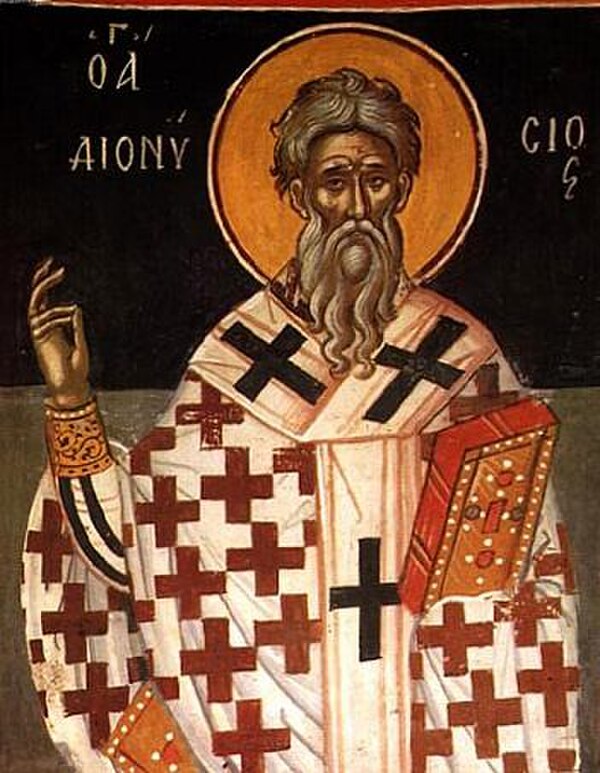 Dionysius of Alexandriac. 190 – c. 265
Pupil of Origen, head of the Catechetical School, then 14th bishop of Alexandria (247-265). Wrote against Sabellianism and on the authorship of Revelation.
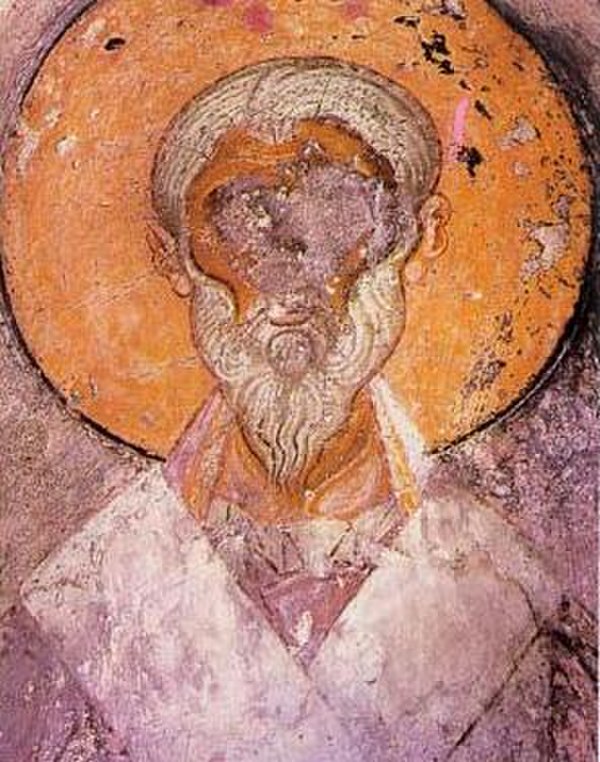 Alexander of Alexandriac. 250 – 326
Patriarch of Alexandria 313-326. First to condemn Arius locally (c. 318); led the orthodox party at Nicaea; mentor of Athanasius.
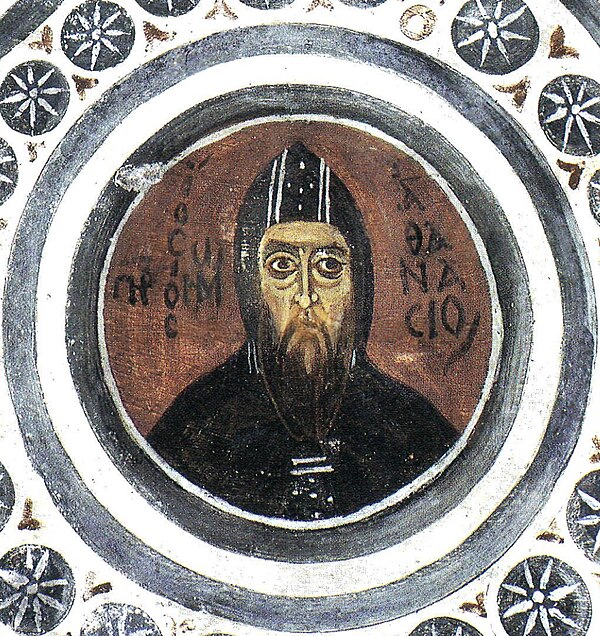 Athanasius of Alexandriac. 296 – 373
Bishop of Alexandria and chief defender of Nicene orthodoxy against Arianism. Five times exiled. Wrote On the Incarnation and the Vita Antonii.
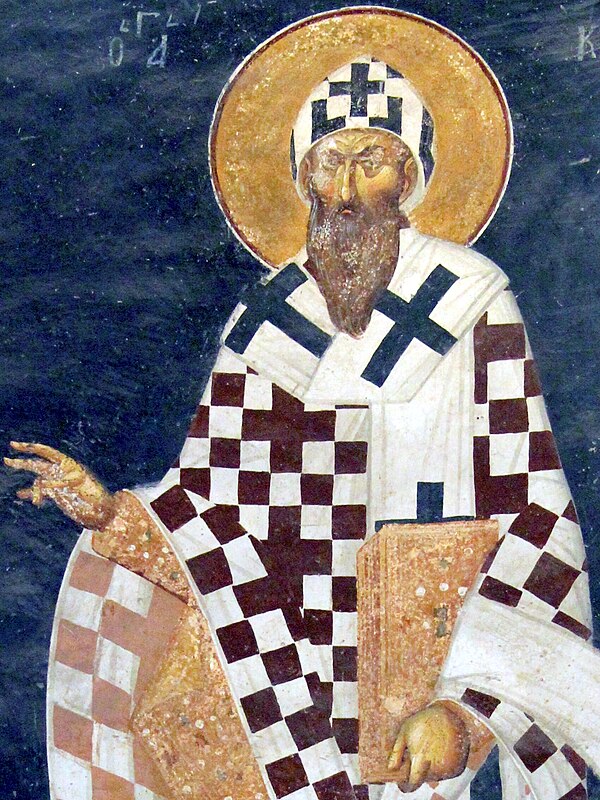 Cyril of Alexandriac. 376 – 444
Patriarch of Alexandria. Chief architect of Christological orthodoxy; presided over the Council of Ephesus (431) which condemned Nestorius.
- Dioscorus of Alexandriac. 390 – 454
Patriarch of Alexandria 444-451. Successor of Cyril; presided over the 'Robber Synod' of Ephesus (449); deposed at Chalcedon (451).
Ephesus
Asia Minor4 bishops, c. 6–196.
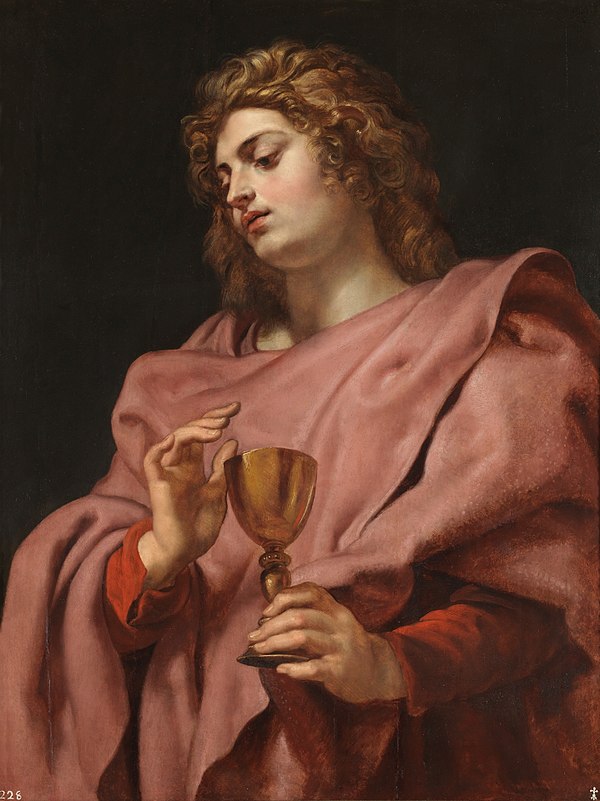 John the Apostlec. 6 – c. 100
Son of Zebedee, brother of James, one of the Twelve and of the inner three. By tradition resided in Ephesus, taught Polycarp and Papias, and lived to the reign of Trajan.
- Timothyc. 17 – c. 97
Companion and disciple of Paul, addressee of 1-2 Timothy. Traditionally first bishop of Ephesus; martyred under Nerva or Trajan per later acta.
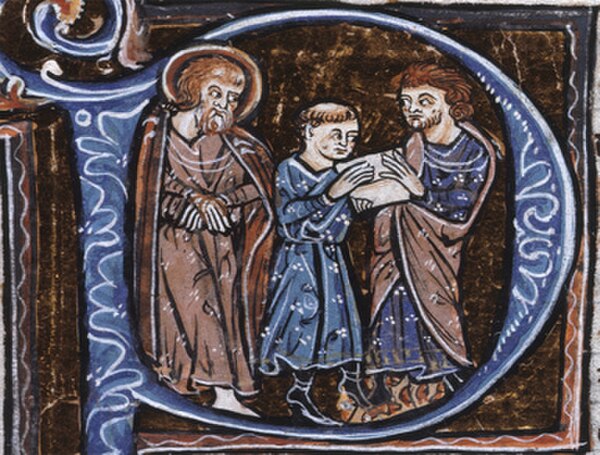 Onesimusc. 49* – c. 109
Slave of Philemon converted by Paul (Philem. 10). Often identified with the bishop Onesimus of Ephesus greeted by Ignatius in his letter to the Ephesians.
- Polycrates of Ephesusc. 130 – c. 196
Bishop of Ephesus; led the Asian churches in defending the Quartodeciman Easter against Pope Victor I c. 190.
Antioch
Syria9 bishops, c. 35–538.
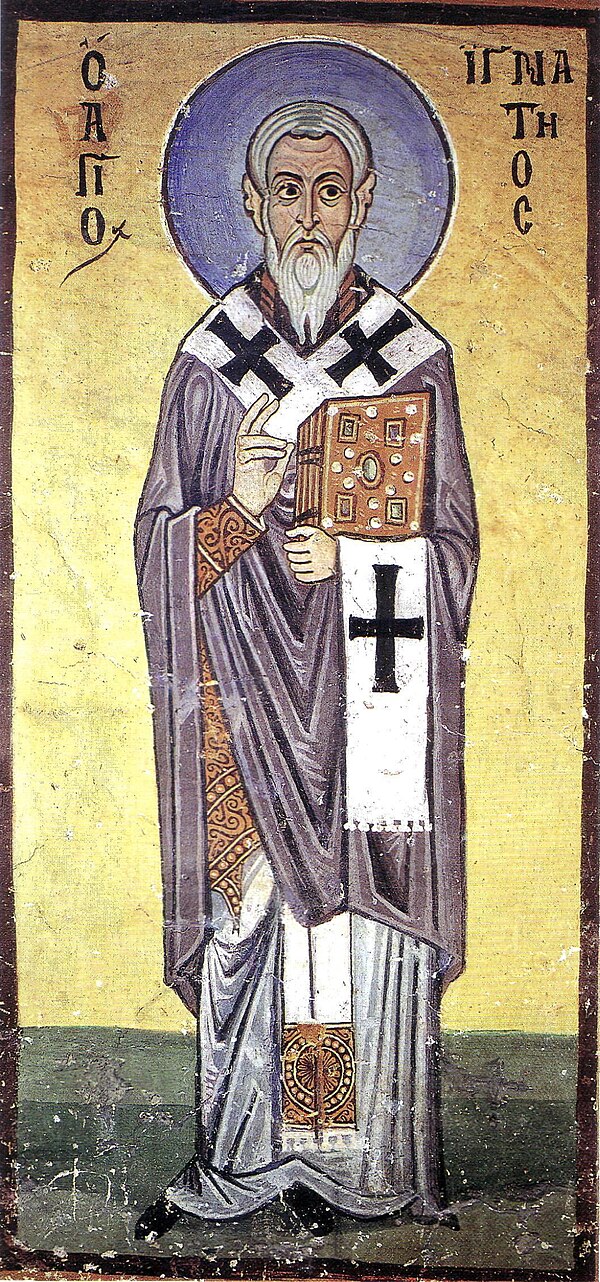 Ignatius of Antiochc. 35 – c. 108
Bishop of Antioch, arrested and sent to Rome under Trajan c. 107-110, writing seven letters en route to the churches and to Polycarp. Martyred in Rome.
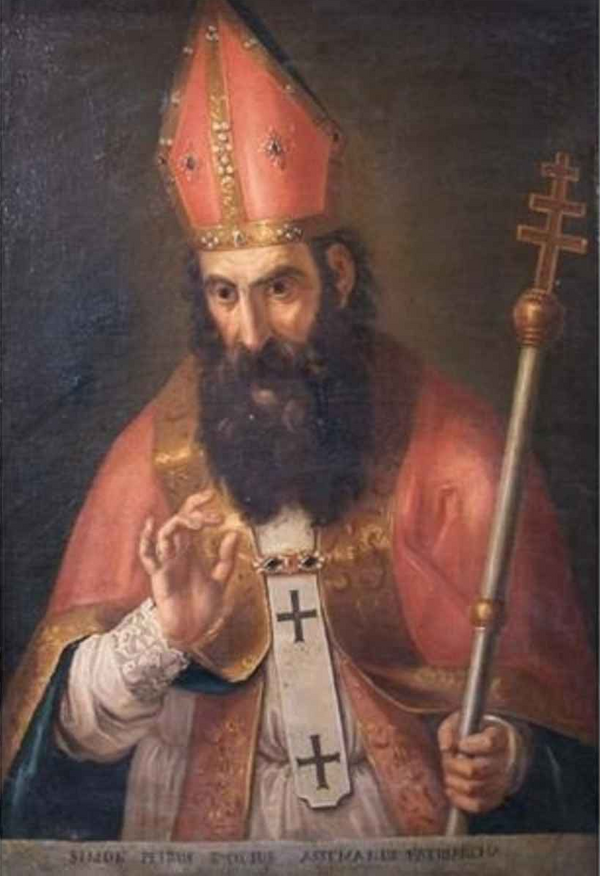 Evodius of Antiochc. 7* – c. 67
First bishop of Antioch after Peter per Eusebius and Origen. Said to have coined the term 'Christian' in some later traditions.
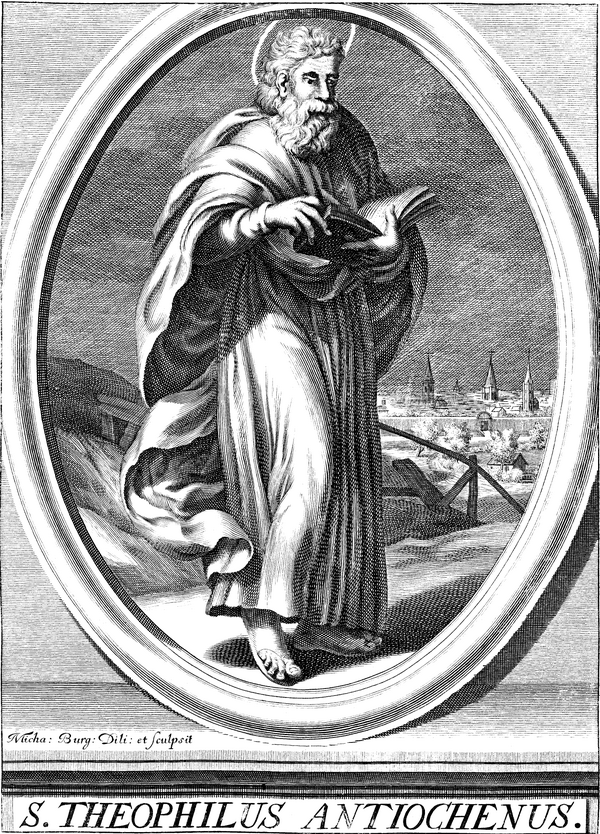 Theophilus of Antiochc. 120 – c. 184
Sixth bishop of Antioch; author of the three books Ad Autolycum, the earliest Christian work to use the term 'Trinity' (trias).
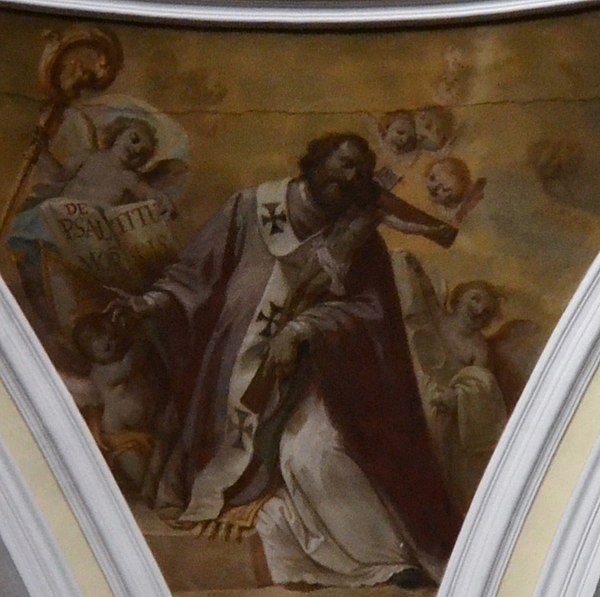 Serapion of Antiochc. 140 – c. 211
Eighth bishop of Antioch (c. 191-211). Wrote against the use of the Gospel of Peter at Rhossus.
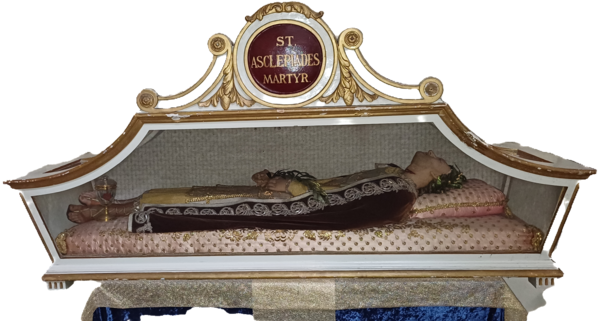 Asclepiades of Antiochc. 150 – c. 220
Ninth bishop of Antioch, succeeding Serapion c. 211; counted among the confessors of his day.
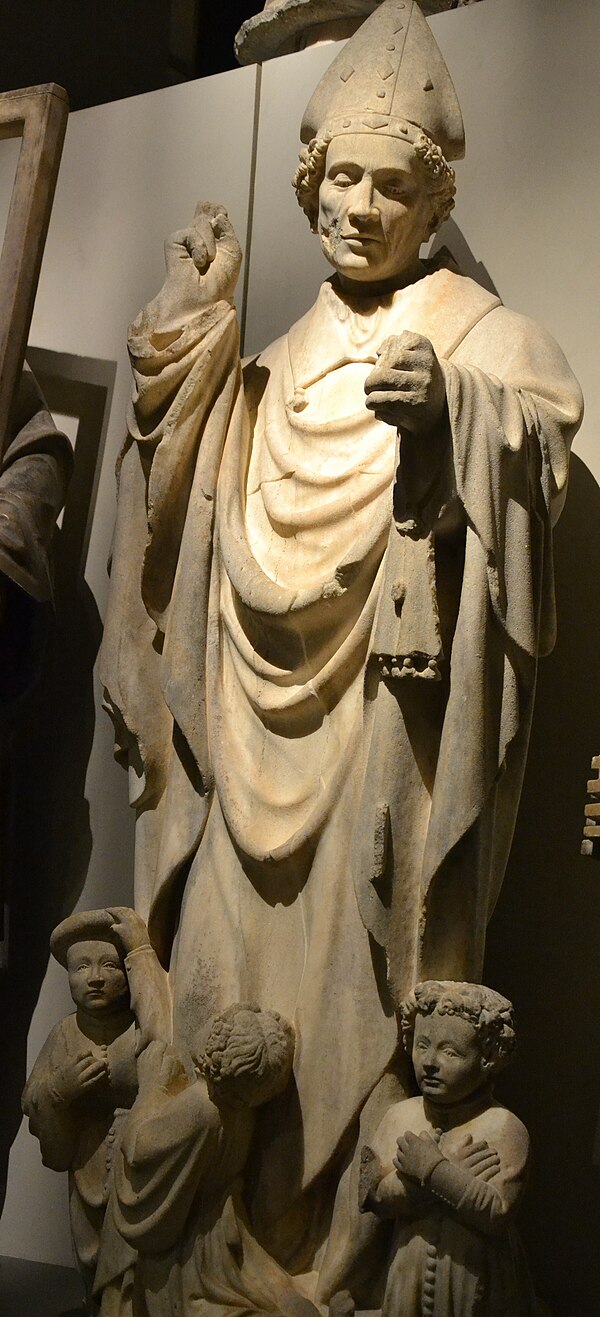 Babylas of Antiochc. 180 – 253
Bishop of Antioch (c. 237-253); died in prison during the Decian persecution. Famous in tradition for barring Emperor Philip the Arab from the Easter liturgy.
- Demetrian of Antiochc. 200 – c. 260
Bishop of Antioch c. 253-260, succeeding Babylas; succeeded by Paul of Samosata.
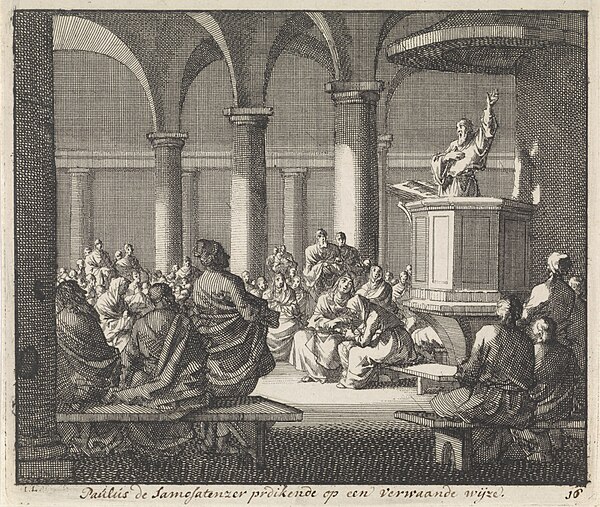 Paul of Samosatac. 200 – c. 275
Bishop of Antioch c. 260-268; deposed by a synod for adoptionist Christology. Considered heterodox; an important precursor case for Nicene-era Christological debates.
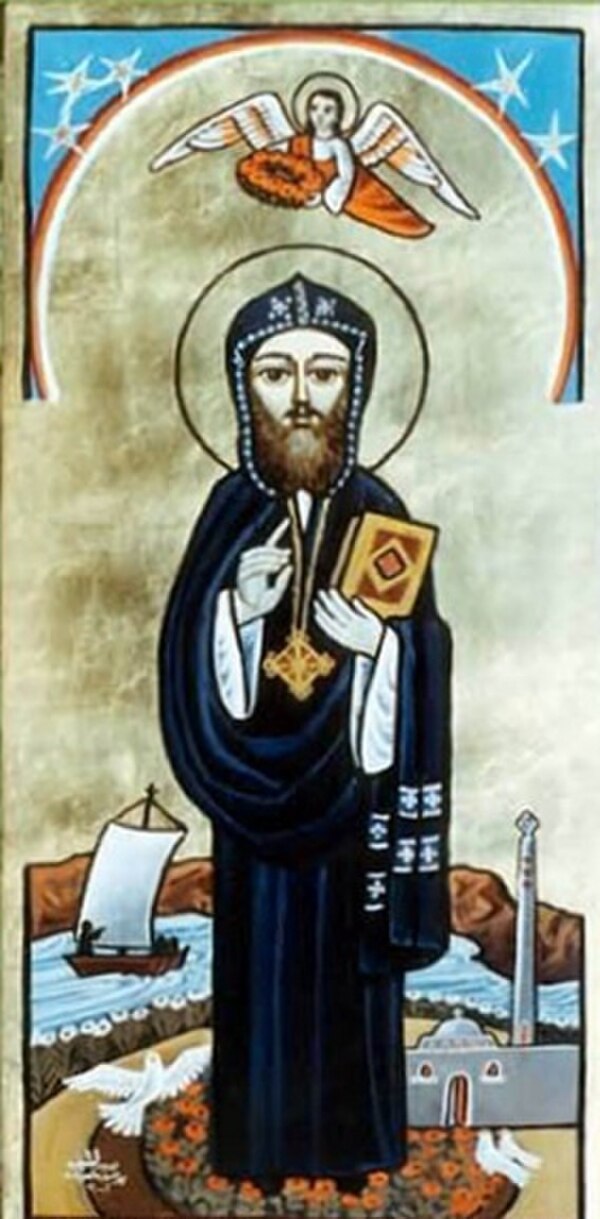 Severus of Antiochc. 465 – 538
Patriarch of Antioch (512-518) and the most important systematic theologian of miaphysite (non-Chalcedonian) Christianity.
Hierapolis
Asia Minor1 bishop, c. 60–130.
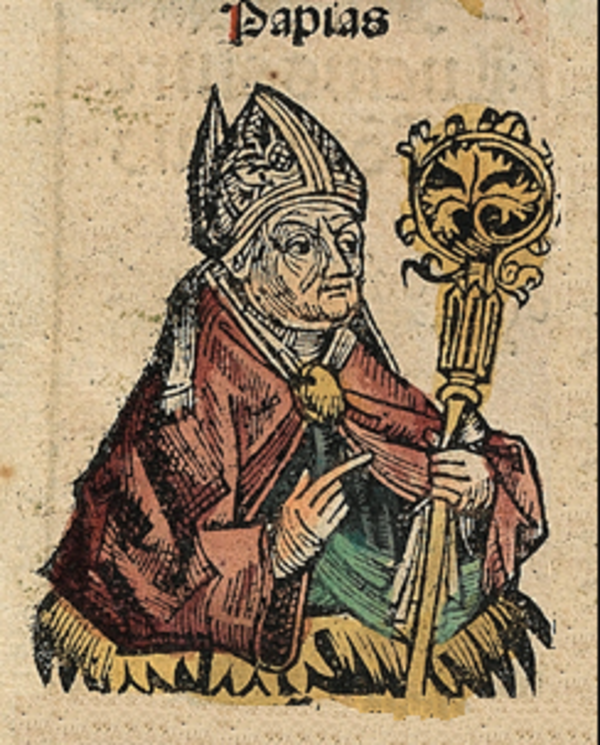 Papias of Hierapolisc. 60 – c. 130
Bishop of Hierapolis in Phrygia. Author of the lost five-book 'Exposition of the Sayings of the Lord'; preserves the earliest testimony about the composition of Matthew and Mark.
Smyrna
Asia Minor1 bishop, c. 69–155.
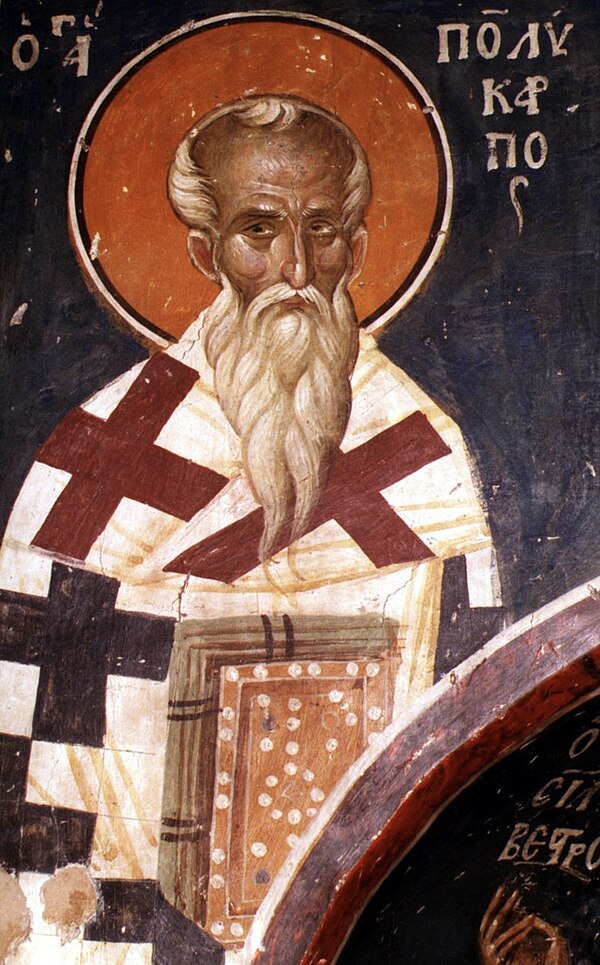 Polycarp of Smyrnac. 69 – c. 155
Bishop of Smyrna and (per Irenaeus) disciple of John the Apostle. Wrote to the Philippians; martyred by burning c. 155-156. Teacher of Irenaeus of Lyons.
Gortyna
Other1 bishop, c. 96–96.
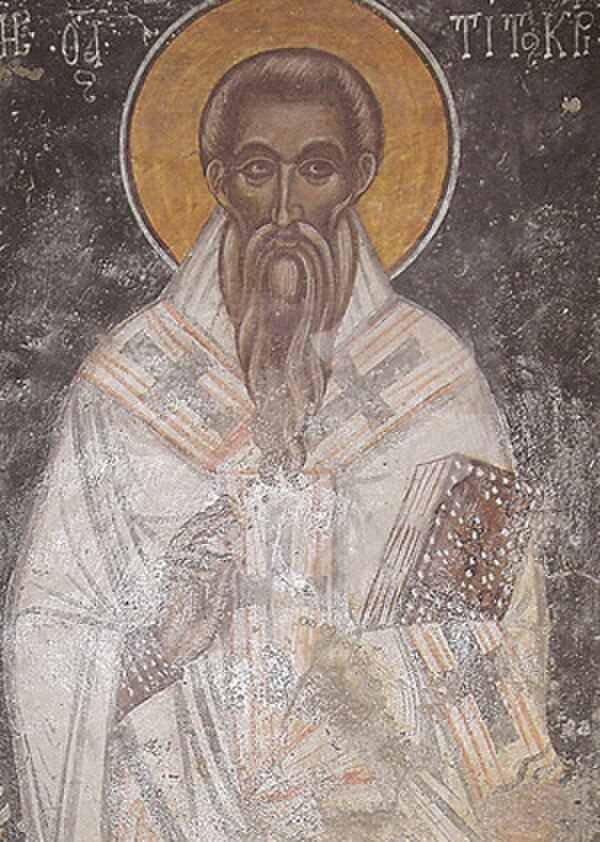 Titusc. 36* – c. 96
Greek companion of Paul, addressee of the Epistle to Titus. Left in Crete to organize the church; traditionally first bishop of Gortyna.
Sardis
Asia Minor1 bishop, c. 110–180.
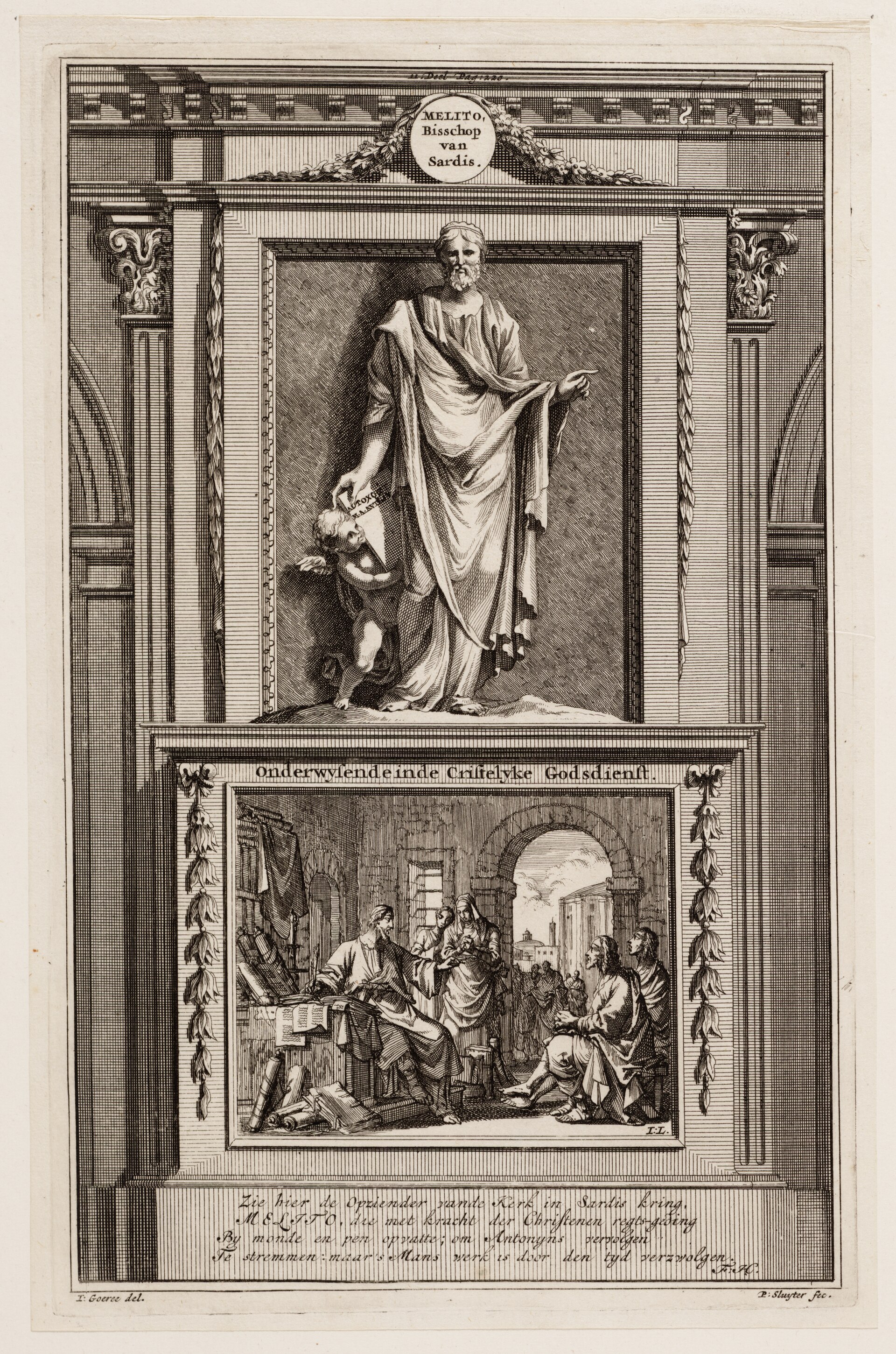 Melito of Sardisc. 110 – c. 180
Bishop of Sardis, author of Peri Pascha (On the Pascha) and an Apology to Marcus Aurelius. Quartodeciman in his Easter observance.
Athens
East1 bishop, c. 129–129.
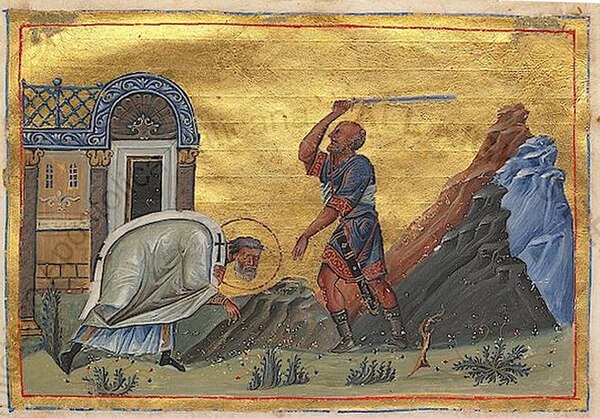 Quadratus of Athensc. 69* – c. 129
Earliest known Christian apologist, who addressed an apology to Hadrian c.
Lyons
Gaul1 bishop, c. 130–202.
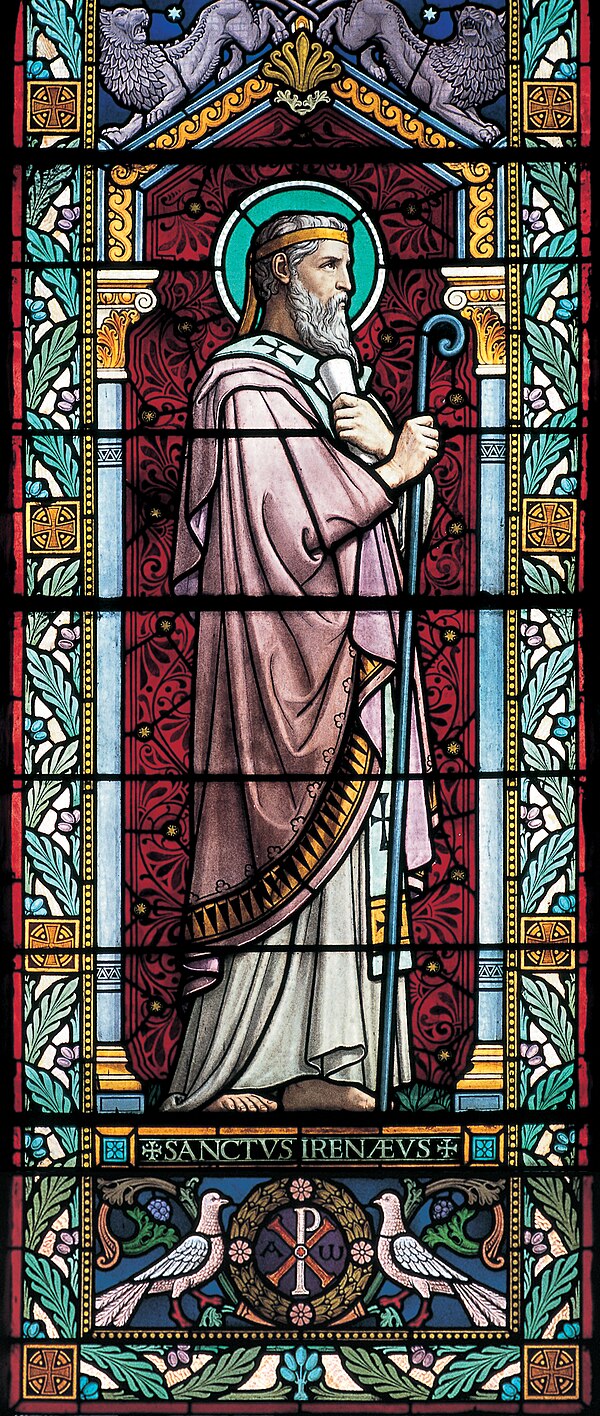 Irenaeus of Lyonsc. 130 – c. 202
Bishop of Lyons, disciple of Polycarp, and author of Against Heresies, the foundational anti-Gnostic work. Bridge between apostolic and ante-Nicene eras.
Carthage
Africa1 bishop, c. 200–258.
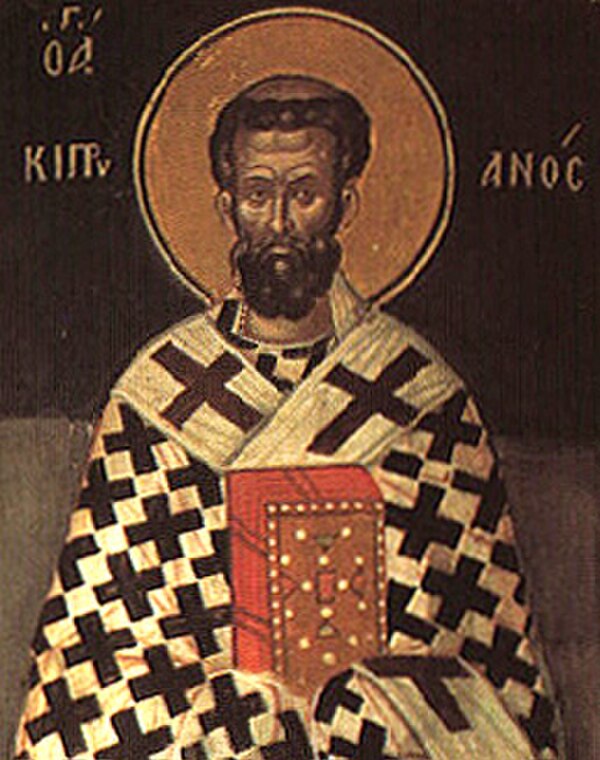 Cyprian of Carthagec. 200 – 258
Bishop of Carthage from 248/9; led the African church through the Decian and Valerianic persecutions. Wrote De Unitate Ecclesiae and 81 letters. Martyred 14 September 258.
Neocaesarea
Asia Minor1 bishop, c. 213–270.
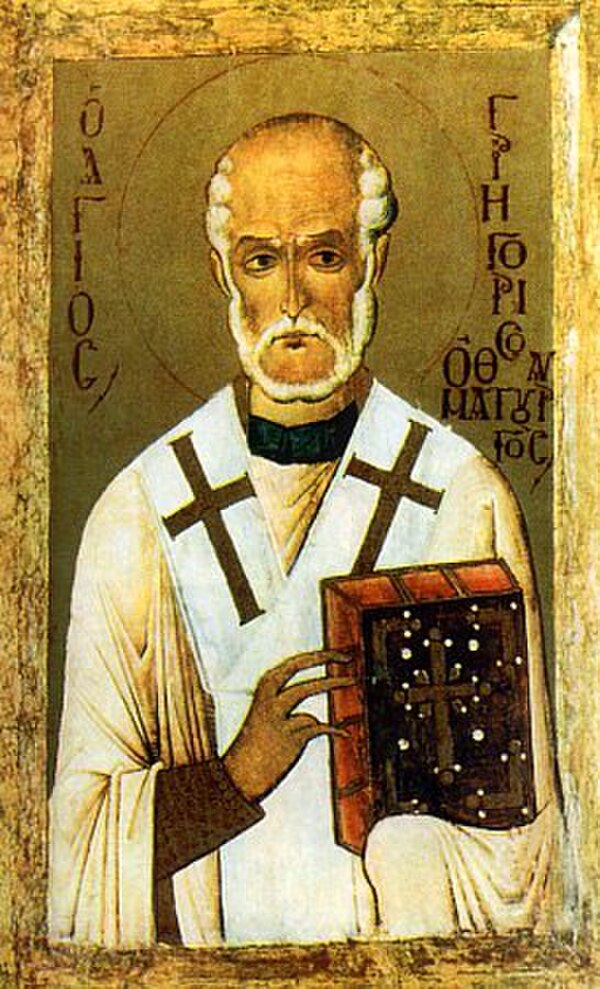 Gregory Thaumaturgusc. 213 – c. 270
Pupil of Origen at Caesarea; bishop of Neocaesarea in Pontus. Wrote a Panegyric on Origen and a creed; renowned for miracles.
Olympus
Asia Minor1 bishop, c. 250–311.
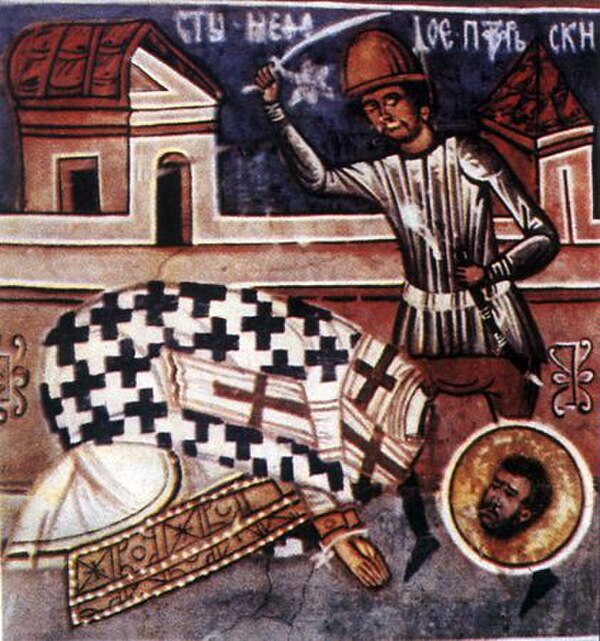 Methodius of Olympusc. 250 – c. 311
Bishop of Olympus in Lycia; critic of Origen's doctrine of the resurrection and pre-existence of souls.
Armenia
East1 bishop, c. 257–331.
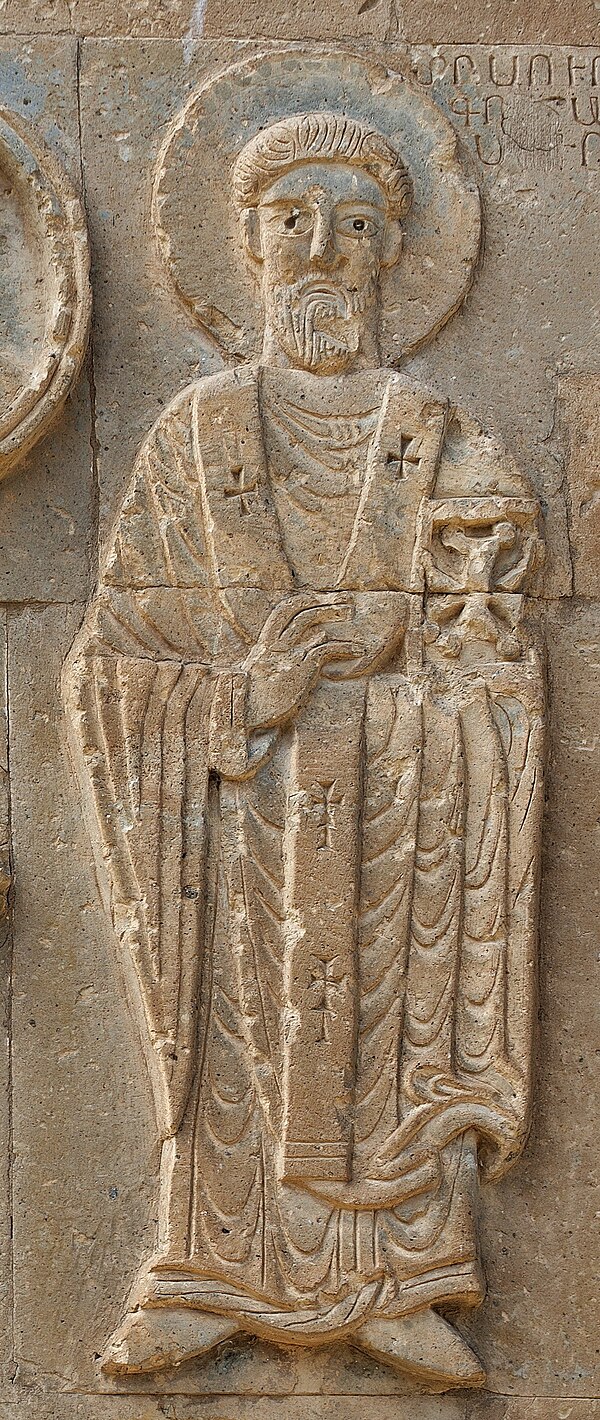 Gregory the Illuminatorc. 257 – c. 331
Apostle and patron saint of Armenia. Converted King Tiridates III, leading to Armenia's adoption of Christianity (c. 301).
Caesarea
Palestine1 bishop, c. 263–339.
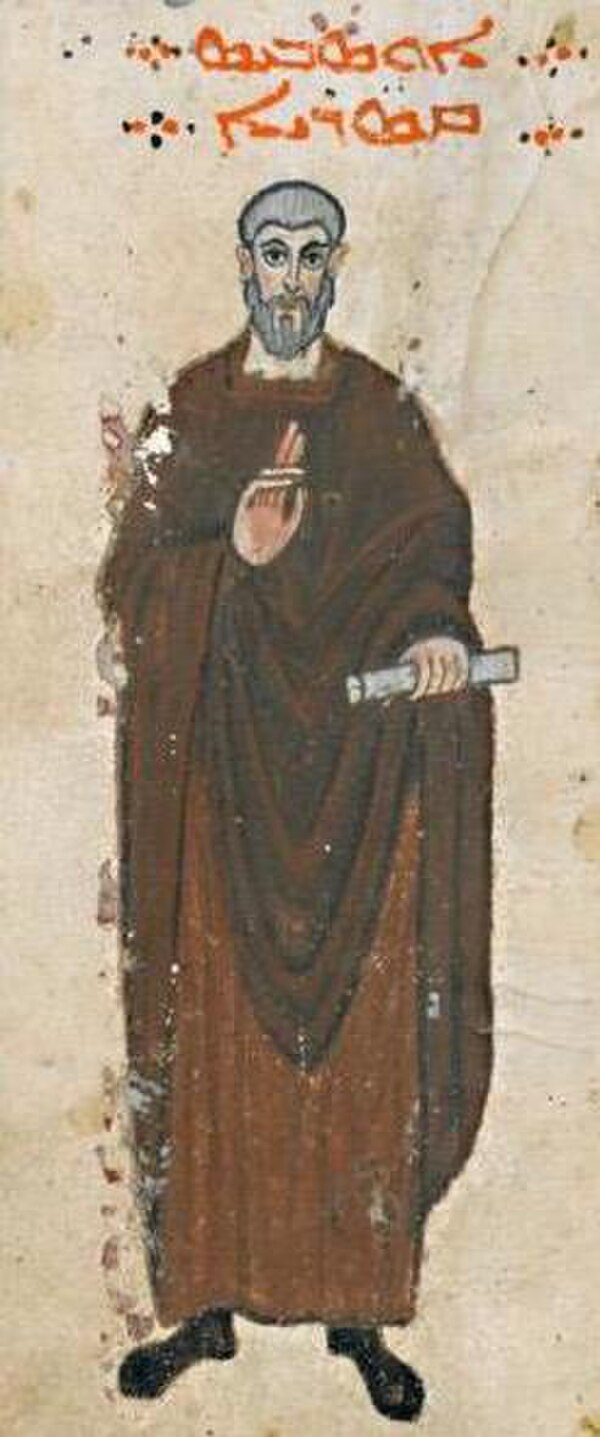 Eusebius of Caesareac. 263 – c. 339
Bishop of Caesarea; the 'Father of Church History,' author of Historia Ecclesiastica, Praeparatio Evangelica, Demonstratio Evangelica, and the Life of Constantine.
Constantinople
East7 bishops, c. 270–740.
- Eusebius of Nicomediac. 270 – c. 341
Bishop of Nicomedia, then of Constantinople. Leader of the Arian party at and after Nicaea. Baptized Constantine on his deathbed.
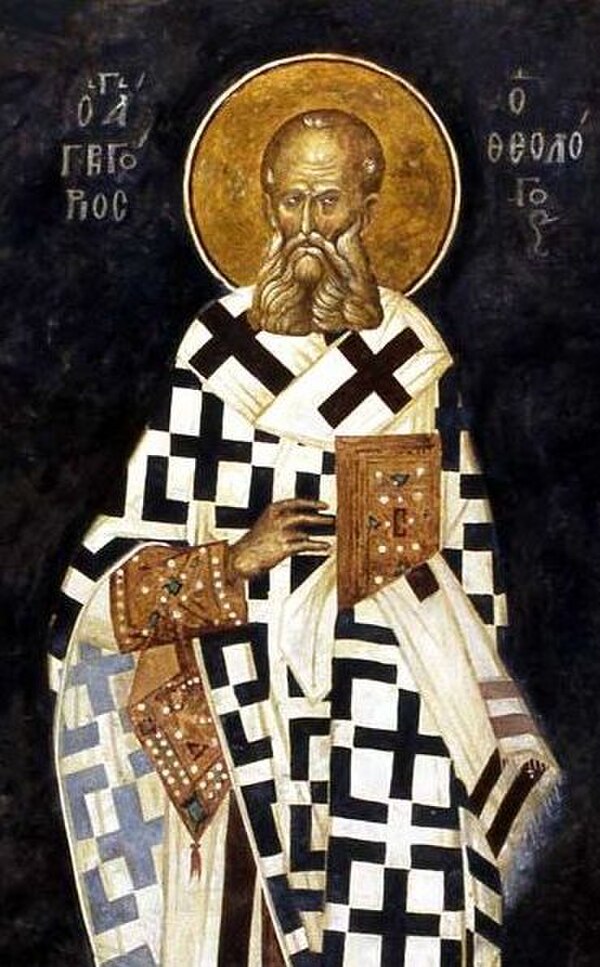 Gregory of Nazianzusc. 329 – 390
Cappadocian Father, briefly Archbishop of Constantinople (380-381) and presider over the First Council of Constantinople.
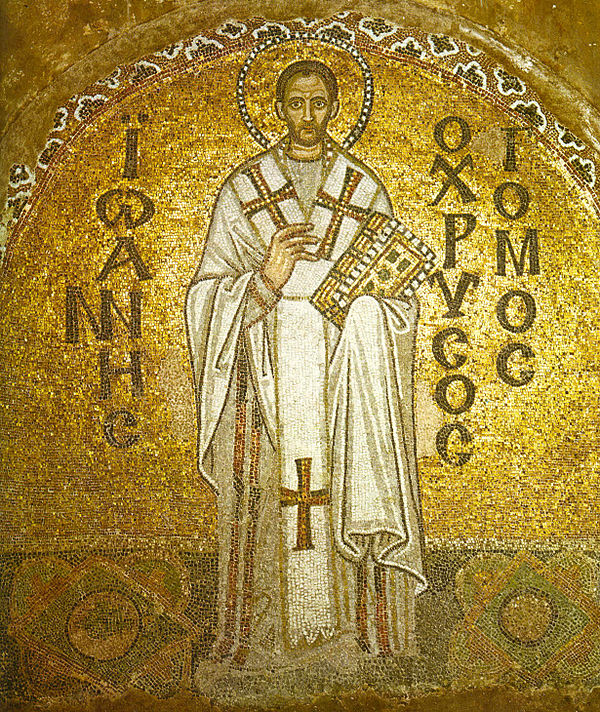 John Chrysostomc. 349 – 407
Archbishop of Constantinople, called 'Golden-Mouth' for his preaching. Greatest preacher of the Greek Fathers; deposed and exiled at the Synod of the Oak (403).
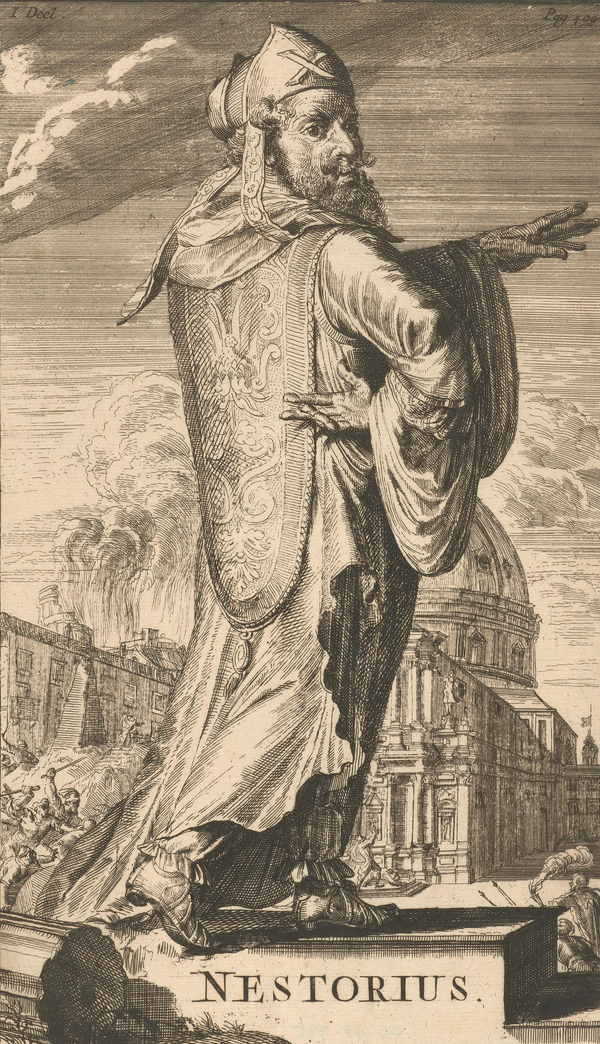 Nestoriusc. 386 – c. 451
Archbishop of Constantinople (428-431). Condemned at Ephesus (431) for distinguishing two persons in Christ and denying the title Theotokos. Heretic.
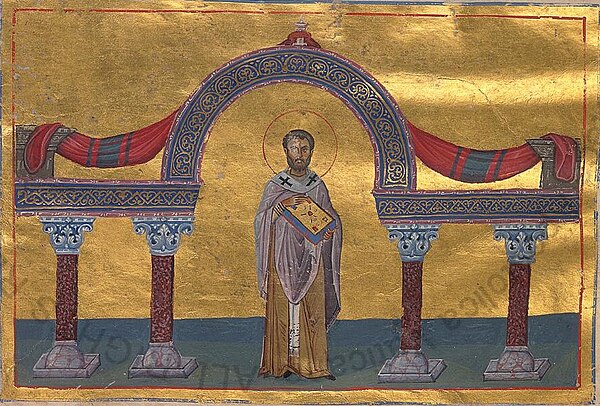 Flavian of Constantinoplec. 390 – 449
Archbishop of Constantinople 446-449. Recipient of Leo's Tome; condemned Eutyches at the Home Synod (448); deposed and beaten at the 'Robber Council' of Ephesus (449).
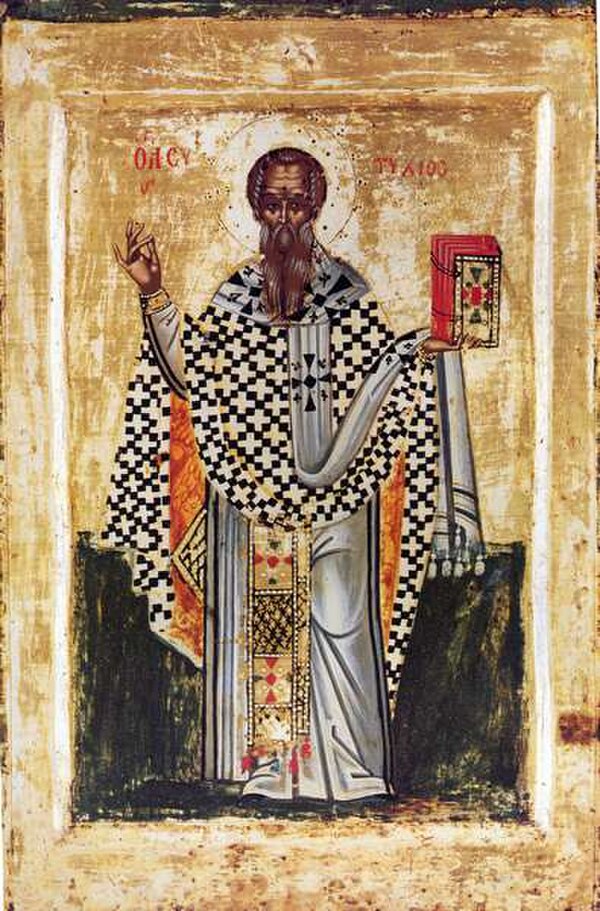 Eutychius of Constantinoplec. 512 – 582
Patriarch of Constantinople (552-565, 577-582).
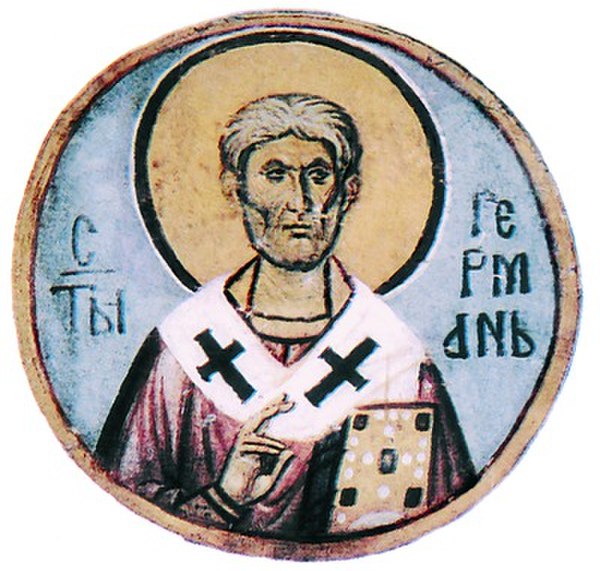 Germanus I of Constantinoplec. 634 – c. 740
Patriarch of Constantinople (715-730).
Nazianzus
Asia Minor1 bishop, c. 276–374.
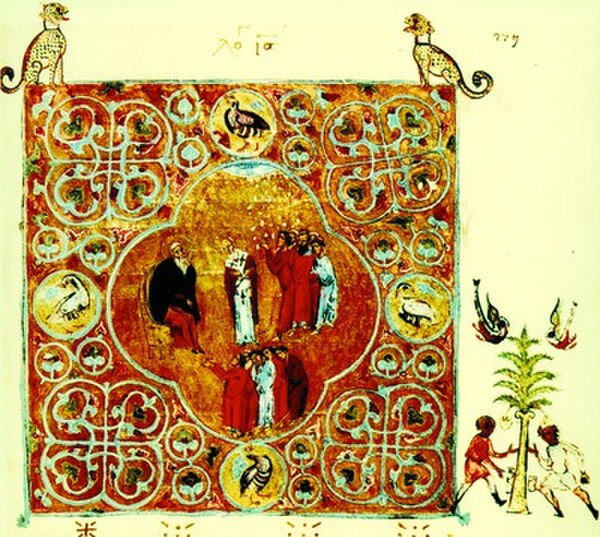 Gregory the Elder of Nazianzusc. 276 – 374
Bishop of Nazianzus and father of Gregory the Theologian. Converted from the Hypsistarii sect; ordained his son presbyter.
Ancyra
Asia Minor1 bishop, c. 285–374.
- Marcellus of Ancyrac. 285 – c. 374
Bishop of Ancyra. Strong anti-Arian at Nicaea but accused of Sabellianism. Friend of Athanasius; suspected by the Eusebian party.
Poitiers
Gaul2 bishops, c. 310–610.
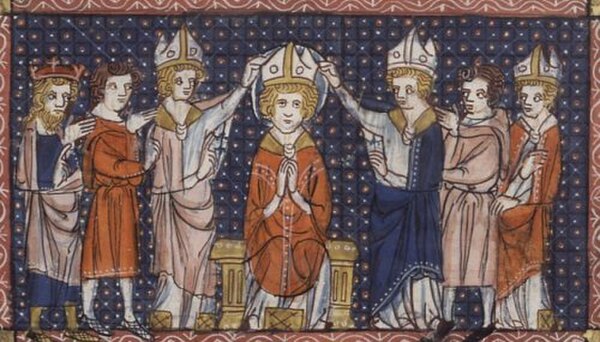 Hilary of Poitiersc. 310 – 367
Bishop of Poitiers and 'Athanasius of the West.' Defender of Nicene Trinitarianism in Latin; wrote De Trinitate while exiled in Phrygia.
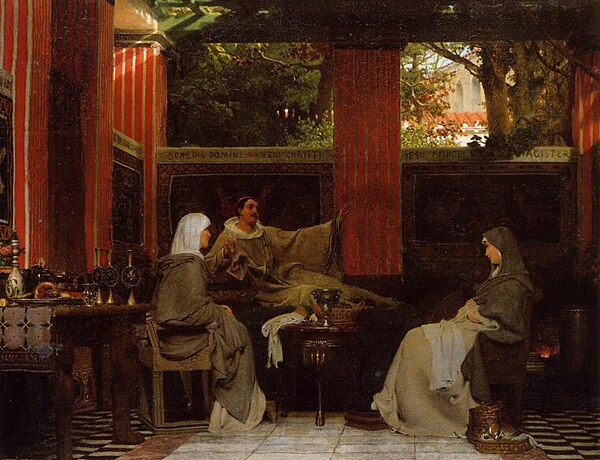 Venantius Fortunatusc. 530 – c. 610
Italian-born poet and bishop of Poitiers. Composed the great passion hymns Vexilla Regis and Pange Lingua Gloriosi. Friend of Radegund and Gregory of Tours.
Salamis (Cyprus)
Palestine1 bishop, c. 310–403.
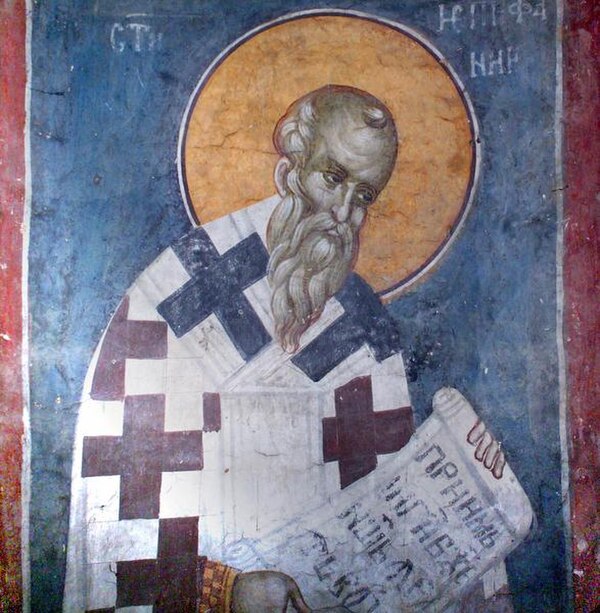 Epiphanius of Salamisc. 310 – 403
Bishop of Salamis on Cyprus. Heresiologist; author of the Panarion ('Medicine Chest') against 80 heresies. Vigorous opponent of Origenism.
Laodicea in Syria
Syria1 bishop, c. 310–390.
- Apollinaris of Laodiceac. 310 – c. 390
Bishop of Laodicea in Syria from c.
Tours
Gaul2 bishops, c. 316–594.
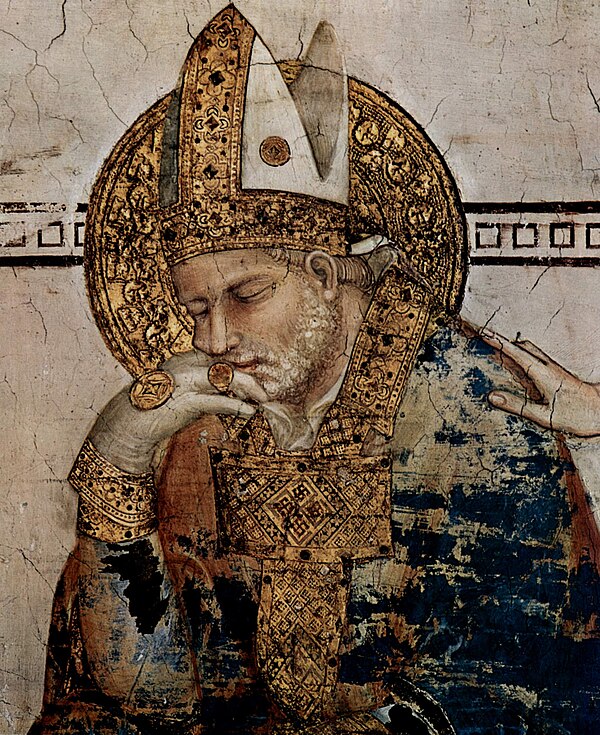 Martin of Toursc. 316 – 397
Soldier turned monk and bishop of Tours. Pioneer of Western monasticism; subject of Sulpicius Severus's Vita Martini.
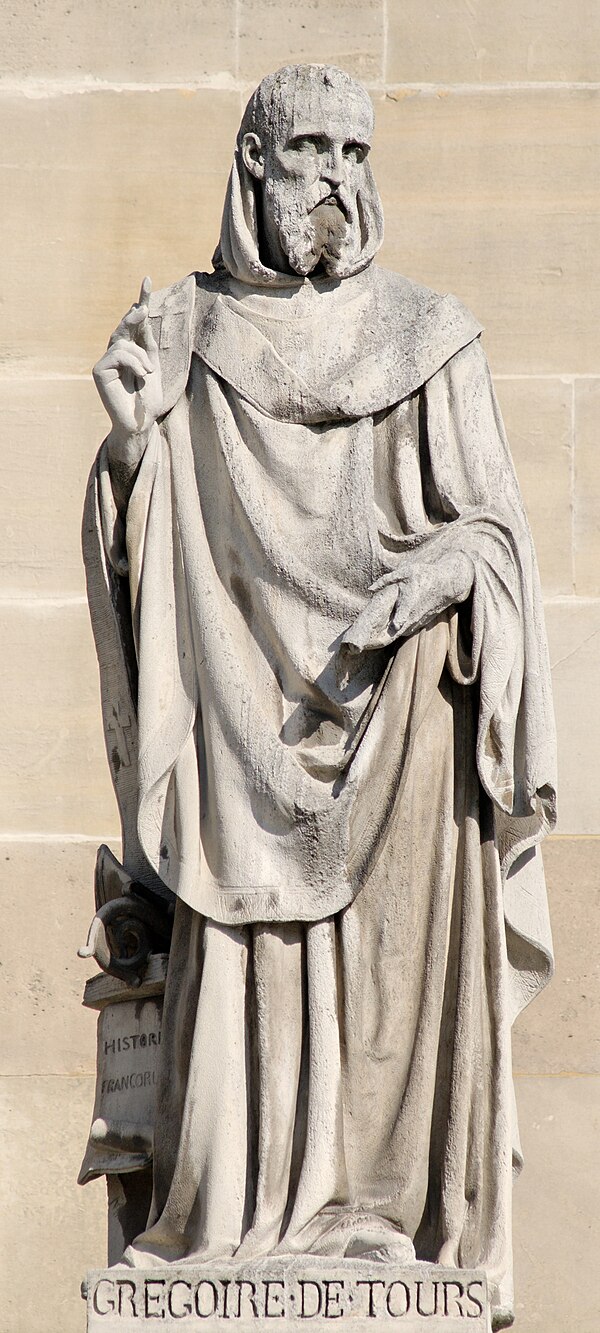 Gregory of Toursc. 538 – 594
Bishop of Tours and principal historian of the Merovingian Franks.
Caesarea Mazaca
Asia Minor1 bishop, c. 330–379.
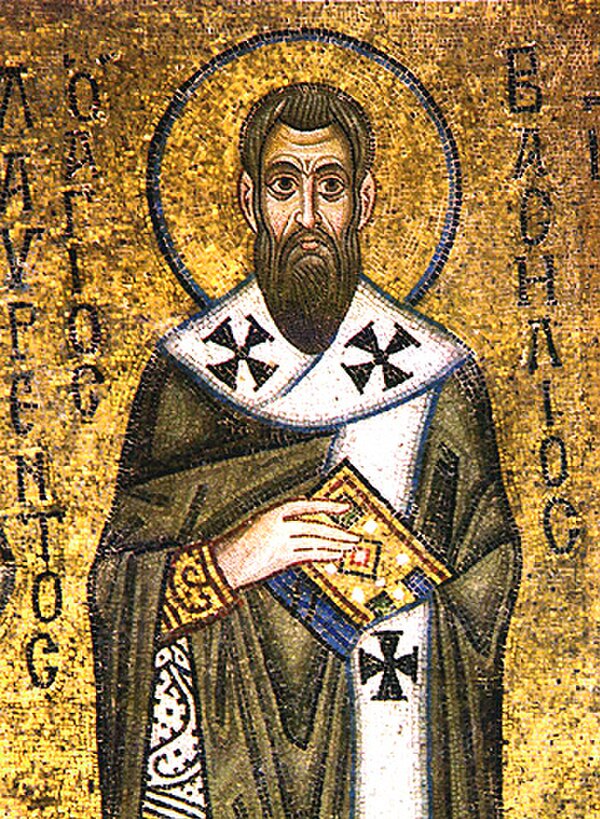 Basil of Caesarea330 – 379
Bishop of Caesarea in Cappadocia, founder of cenobitic monastic rules in the East, author of On the Holy Spirit. One of the three Cappadocian Fathers.
Tarsus
Syria1 bishop, c. 330–390.
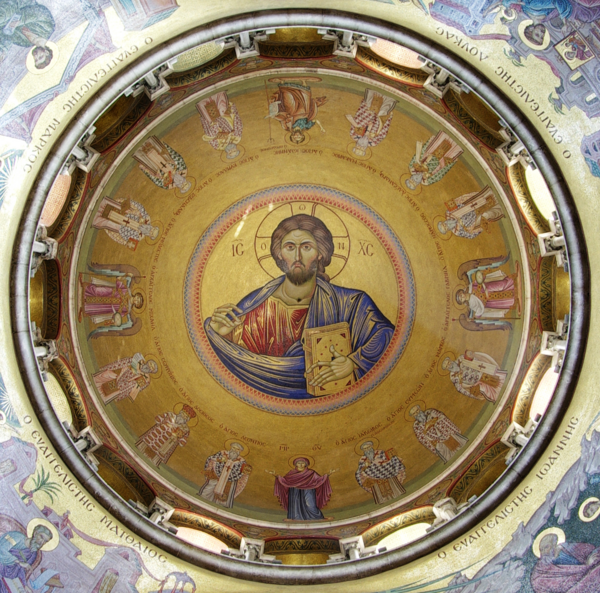 Diodore of Tarsusc. 330 – c. 390
Bishop of Tarsus, founder of the Antiochene exegetical school in its mature form. Teacher of John Chrysostom and Theodore of Mopsuestia.
Nyssa
Asia Minor1 bishop, c. 335–395.
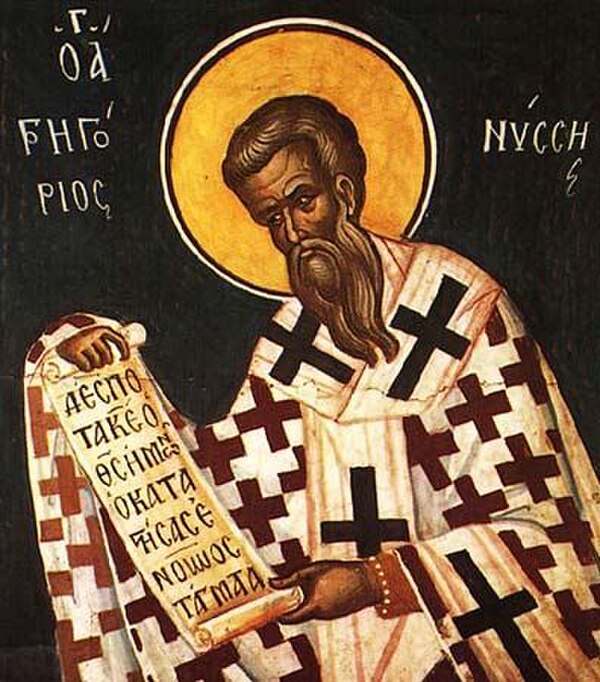 Gregory of Nyssac. 335 – c. 395
Younger brother of Basil and the third Cappadocian Father. Author of the Life of Moses, Catechetical Oration, and Life of Macrina.
Milan
West1 bishop, c. 339–397.
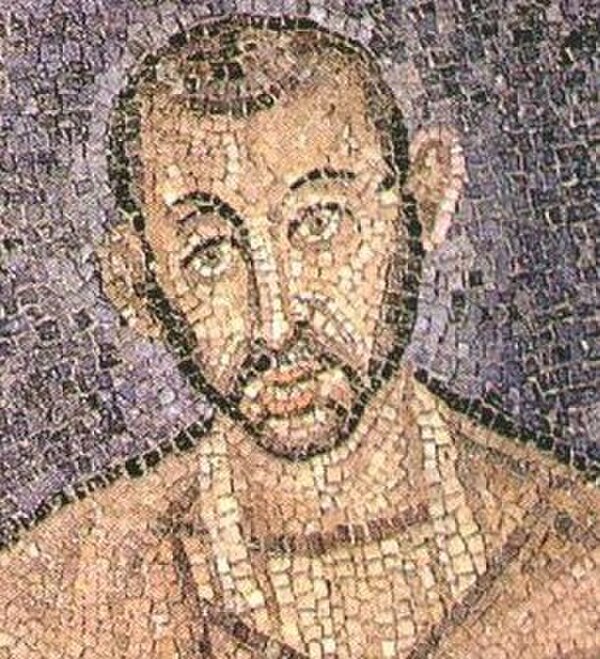 Ambrose of Milanc. 339 – 397
Bishop of Milan and one of the four Latin Doctors. Confronted emperors Theodosius and Valentinian; baptized Augustine in 387.
Sebaste
Asia Minor1 bishop, c. 340–391.
- Peter of Sebastec. 340 – c. 391
Youngest brother of Basil, Gregory of Nyssa and Macrina. Bishop of Sebaste from c. 380.
Iconium
Asia Minor1 bishop, c. 340–403.
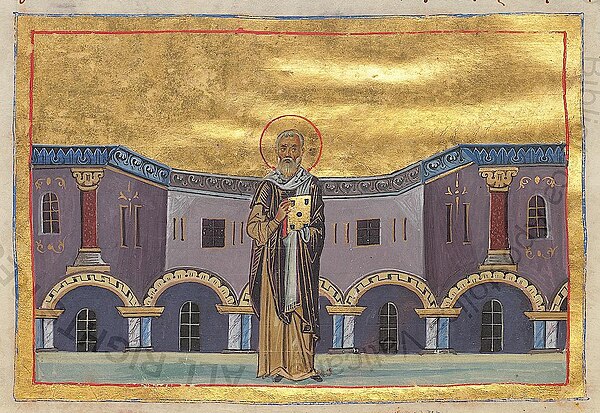 Amphilochius of Iconiumc. 340 – c. 403
Cousin of Gregory of Nazianzus and close friend of Basil. Bishop of Iconium; sometimes counted among the Cappadocians.
Aquileia
West1 bishop, c. 345–407.
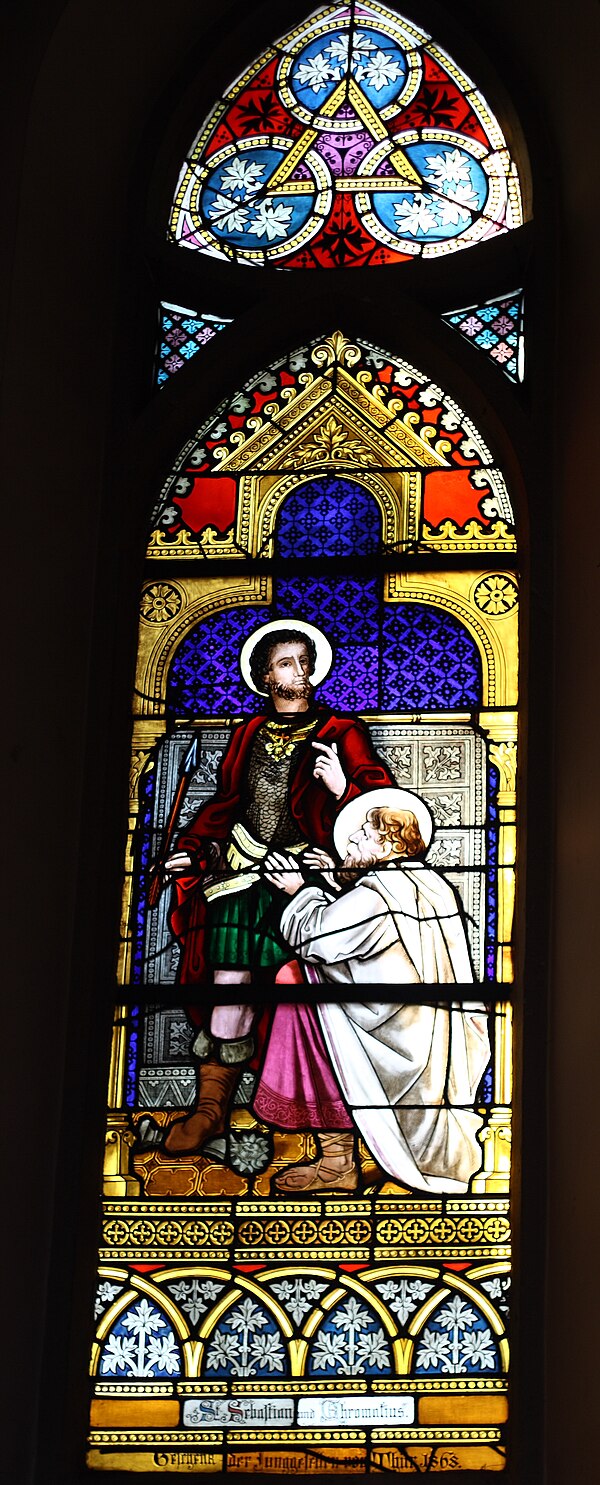 Chromatius of Aquileiac. 345 – 407
Bishop of Aquileia from 388. Patron of both Jerome and Rufinus; commissioned biblical translations and exegetical works.
Mopsuestia
Syria1 bishop, c. 350–428.
 Theodore of Mopsuestiac. 350 – 428
Bishop of Mopsuestia, leading Antiochene exegete and teacher of Nestorius. Posthumously condemned at the Second Council of Constantinople (553).
Hippo Regius
Africa1 bishop, c. 354–430.
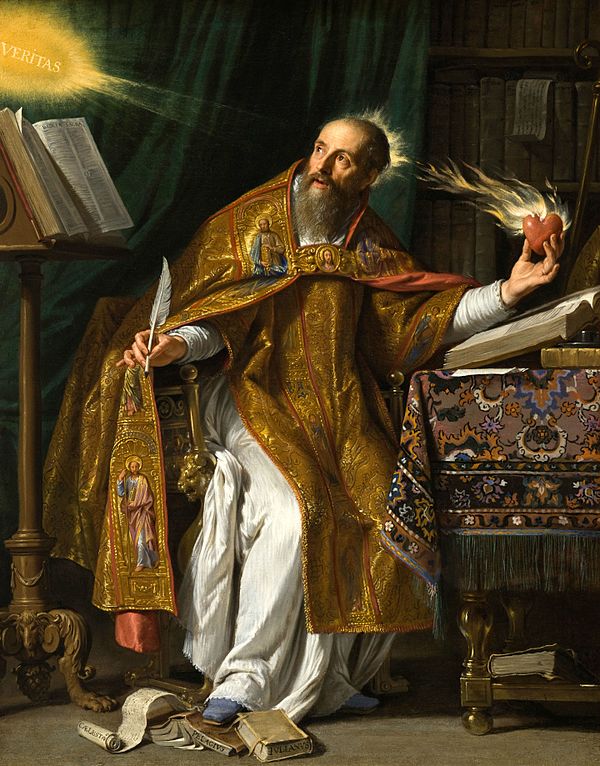 Augustine of Hippo354 – 430
Bishop of Hippo and the most influential Latin Father. Author of Confessions, City of God, On the Trinity, and the anti-Pelagian works.
Nola
West1 bishop, c. 354–431.
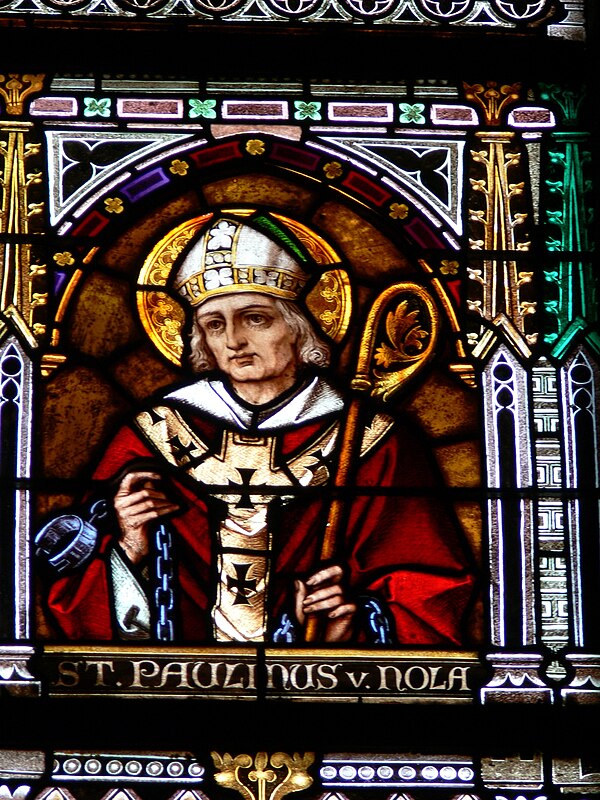 Paulinus of Nola354 – 431
Aquitanian aristocrat and poet who renounced wealth for asceticism. Bishop of Nola from c. 409. Correspondent of Augustine, Jerome, Sulpicius Severus, and Ambrose.
Thagaste
Africa1 bishop, c. 360–430.
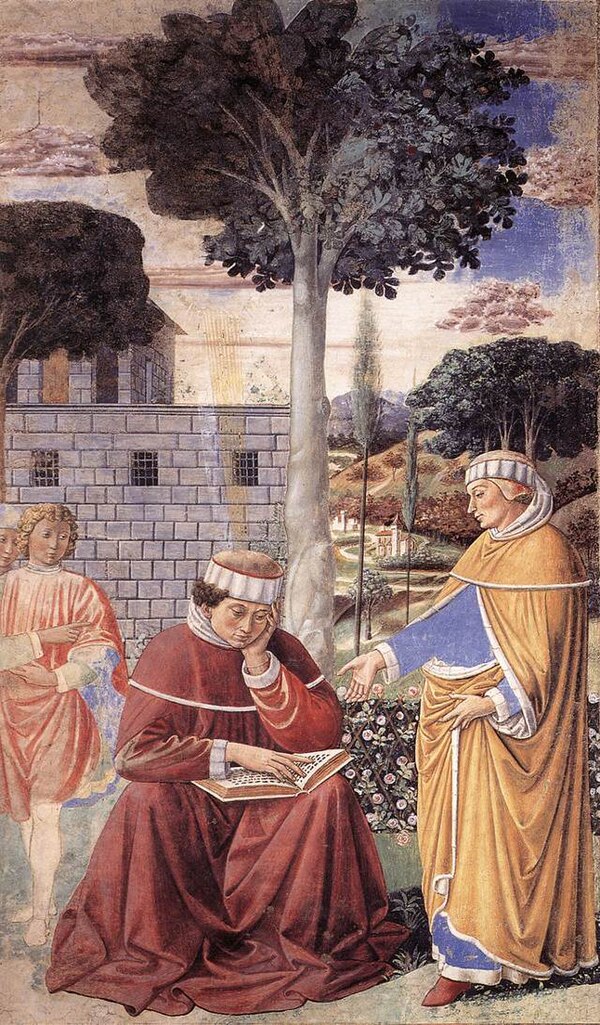 Alypius of Thagastec. 360 – c. 430
Lifelong friend of Augustine, with whom he was baptized by Ambrose in 387. Bishop of Thagaste from 394.
Helenopolis
Asia Minor1 bishop, c. 363–430.
- Palladius of Galatiac. 363 – c. 430
Disciple of Evagrius Ponticus and bishop of Helenopolis. Author of the Lausiac History on Egyptian monasticism and the Dialogue on the life of John Chrysostom.
Calama
Africa1 bishop, c. 370–440.
- Possidius of Calamac. 370 – c. 440
Bishop of Calama and disciple of Augustine. Wrote the Vita Augustini and compiled an Indiculus of Augustine's works.
Armagh
West1 bishop, c. 385–461.
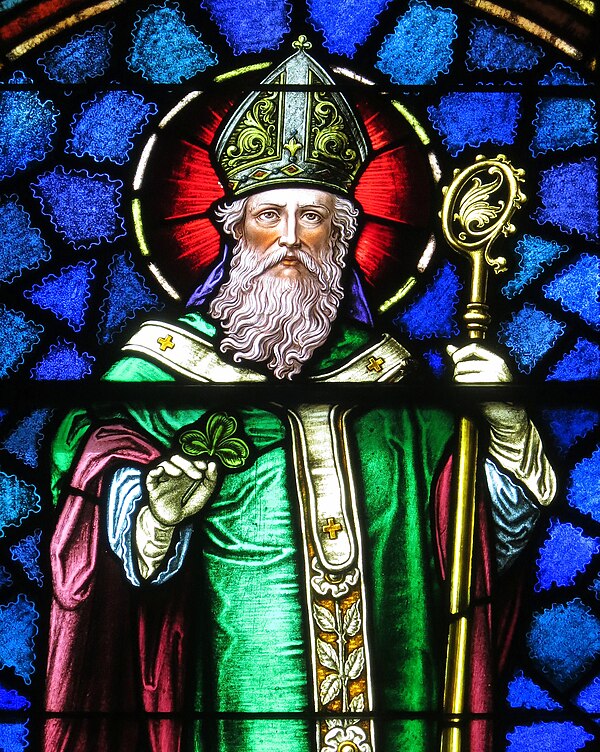 Patrick of Irelandc. 385 – c. 461
British missionary bishop who evangelized Ireland in the fifth century. Wrote the Confessio and the Letter to Coroticus, the only sure primary documents.
Eclanum
West1 bishop, c. 386–455.
- Julian of Eclanumc. 386 – c. 455
Bishop of Eclanum, intellectually most formidable Pelagian theologian. Deposed for refusing to sign the Tractoria of Pope Zosimus; opposed by Augustine in Contra Julianum.
Cyrrhus
Syria1 bishop, c. 393–460.
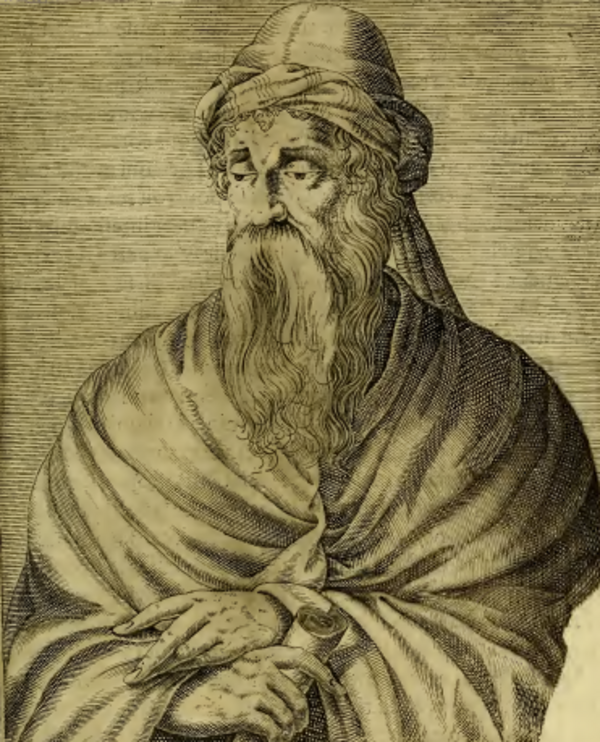 Theodoret of Cyrus393 – c. 460
Bishop of Cyrrhus, Antiochene exegete and historian. Author of an Ecclesiastical History; defended Nestorius then accepted Chalcedon (451).
Batnae of Serugh
Syria1 bishop, c. 451–521.
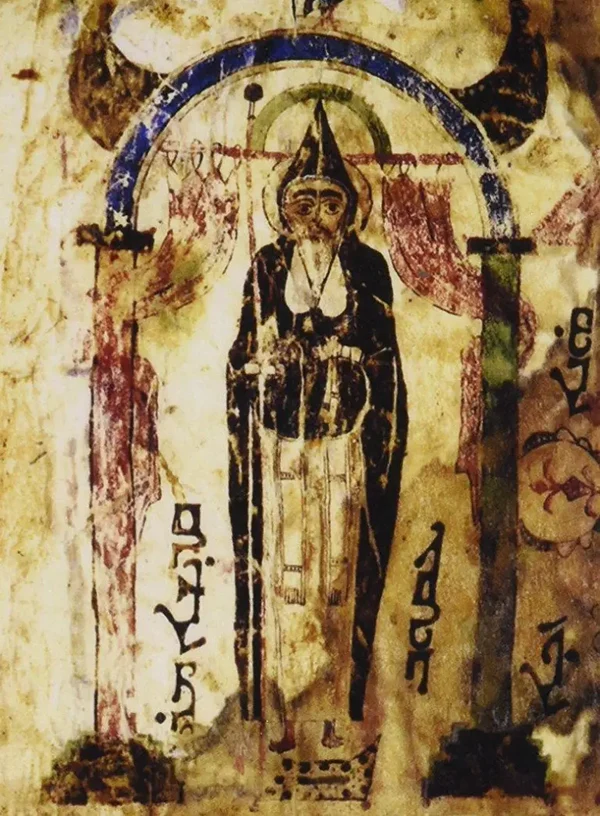 Jacob of Serughc. 451 – 521
Bishop of Batnae in Serugh and prolific Syriac poet-theologian.
Ruspe
Africa1 bishop, c. 467–533.
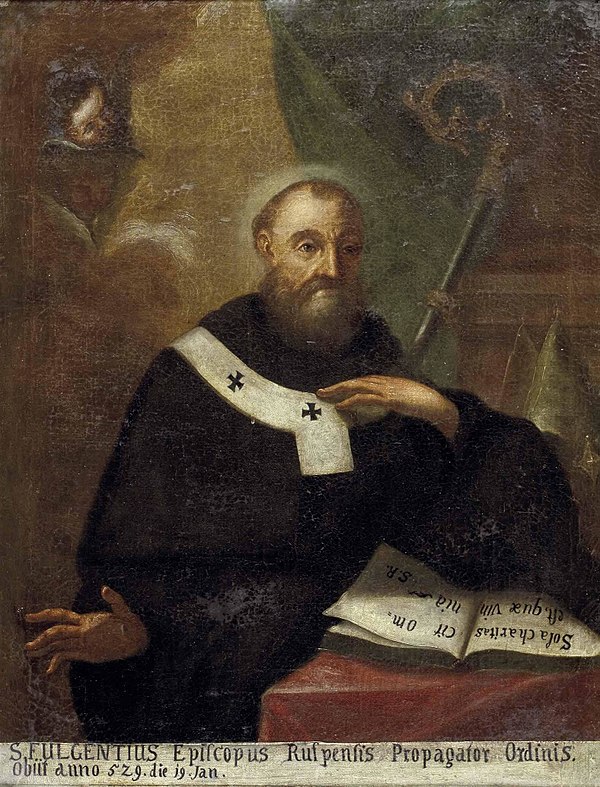 Fulgentius of Ruspec. 467 – c. 533
African bishop and major defender of Augustinian theology against Arianism and semi-Pelagianism.
Arles
Gaul1 bishop, c. 470–542.
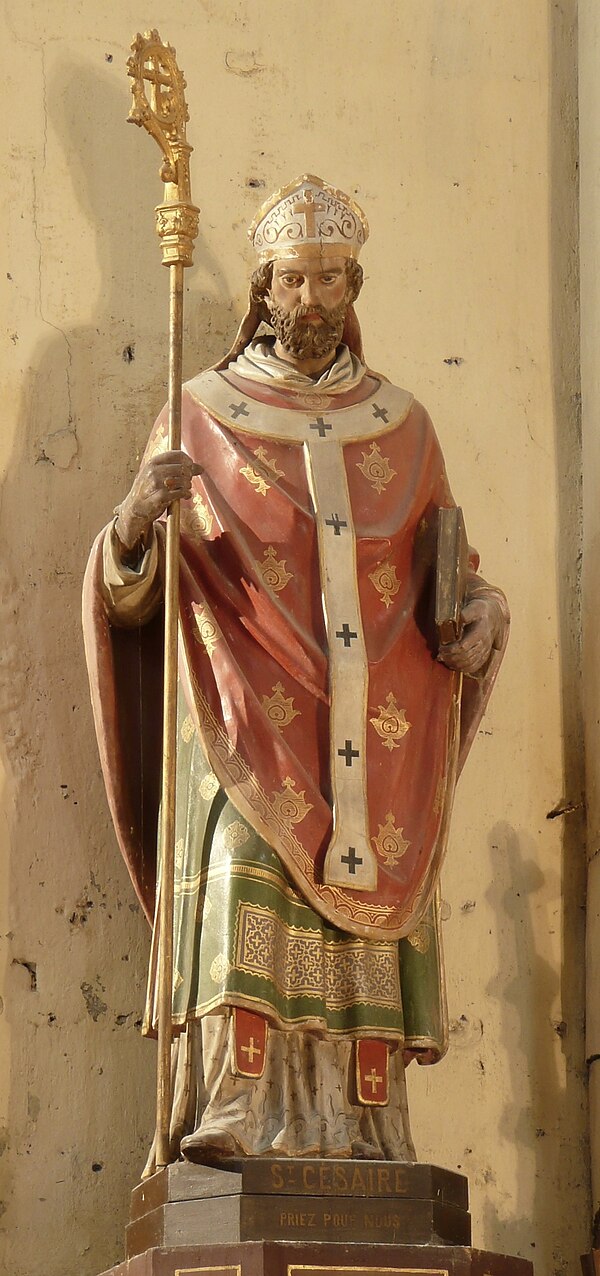 Caesarius of Arlesc. 470 – 542
Bishop of Arles and prolific preacher.
Canterbury
West2 bishops, c. 534–690.
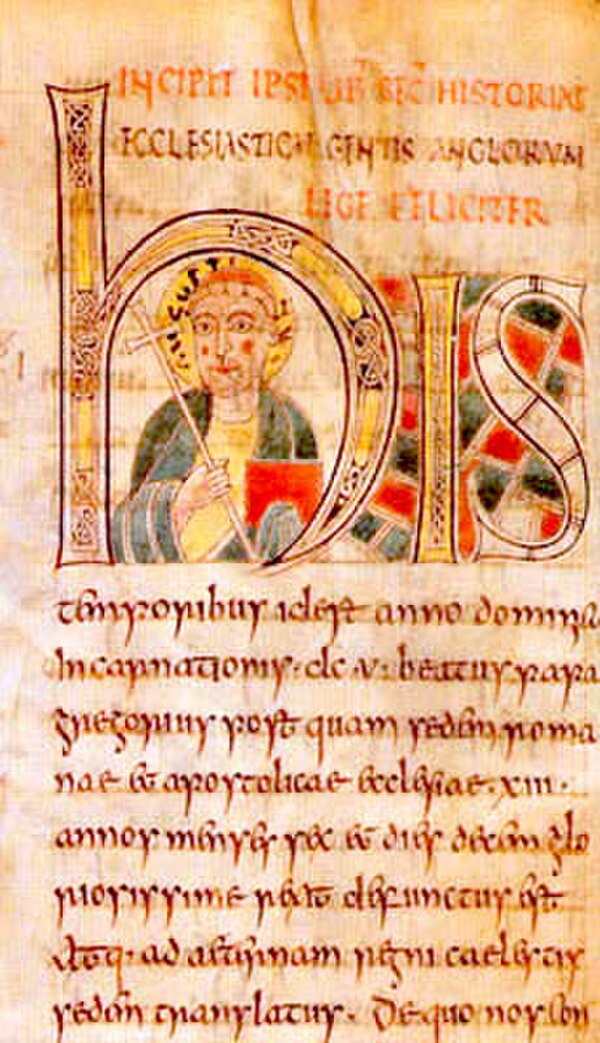 Augustine of Canterburyc. 534 – c. 604
First Archbishop of Canterbury. Sent by Pope Gregory the Great in 596 to evangelize the Anglo-Saxons; baptized King Æthelberht of Kent. Founder of the English church hierarchy.
- Theodore of Tarsusc. 602 – 690
Greek monk from Tarsus appointed Archbishop of Canterbury (668-690) by Pope Vitalian.
Seville
West2 bishops, c. 534–636.
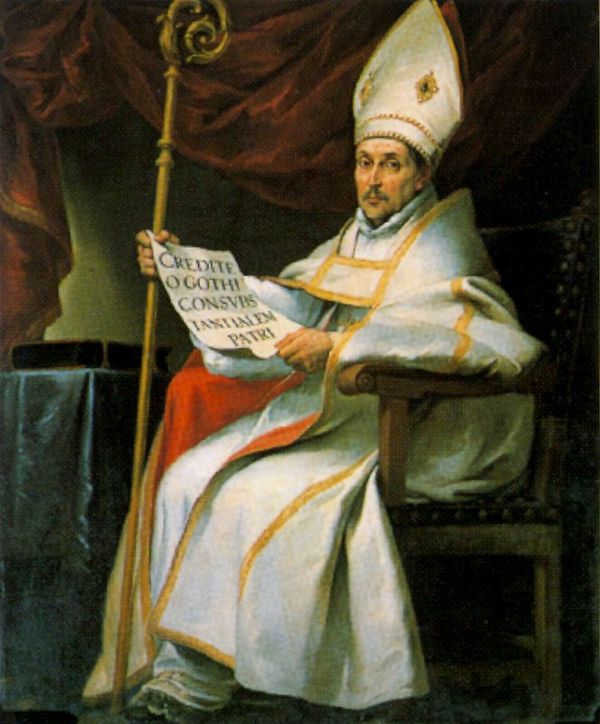 Leander of Sevillec. 534 – c. 600
Archbishop of Seville and elder brother of Isidore.
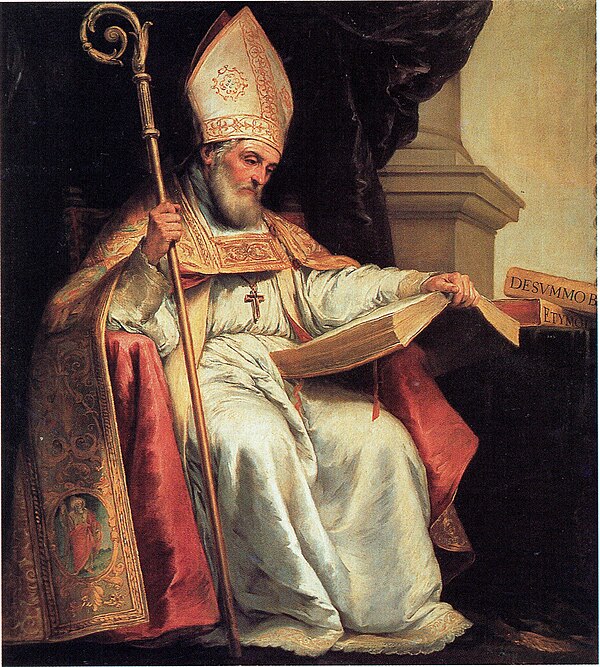 Isidore of Sevillec. 560 – 636
Archbishop of Seville and last of the Latin Fathers.
Saragossa
West1 bishop, c. 590–651.
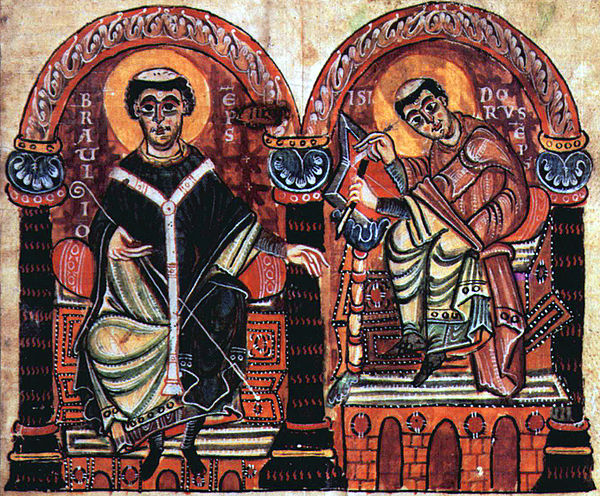 Braulio of Saragossac. 590 – 651
Bishop of Saragossa and disciple of Isidore of Seville. Edited Isidore's Etymologiae and wrote the Renotatio Librorum Domini Isidori. Significant epistolary corpus.
Toledo
West1 bishop, c. 607–667.
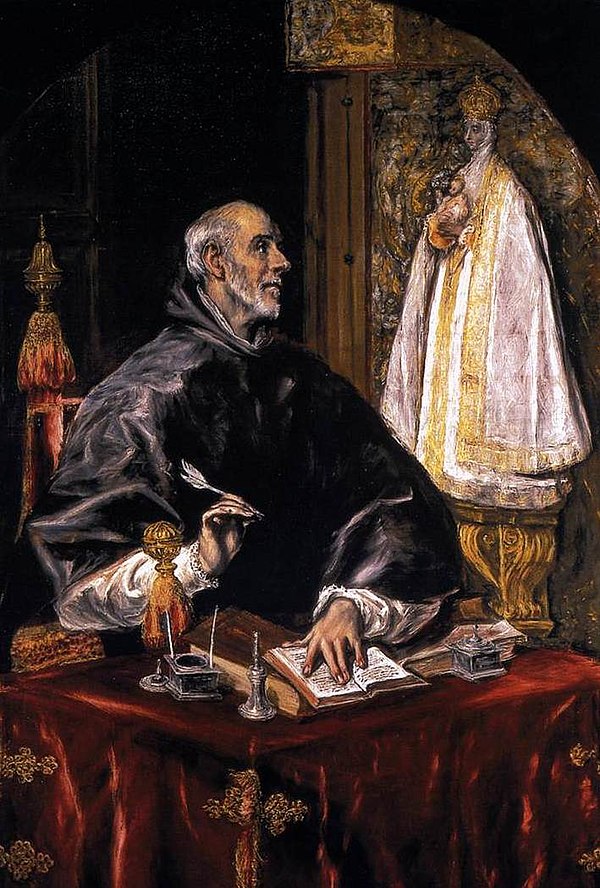 Ildefonsus of Toledoc. 607 – 667
Archbishop of Toledo (657-667). Disciple of Isidore. Wrote De Virginitate Sanctae Mariae and continued Isidore's De Viris Illustribus.
Nineveh
Syria1 bishop, c. 613–700.
- Isaac of Ninevehc. 613 – c. 700
East Syriac (Church of the East) ascetic and mystical writer.
York
West1 bishop, c. 633–709.
- Wilfridc. 633 – 709
Northumbrian bishop and champion of Roman over Celtic Christian usages at the Synod of Whitby (664). Founded monasteries at Ripon and Hexham.
Lindisfarne
West1 bishop, c. 634–687.
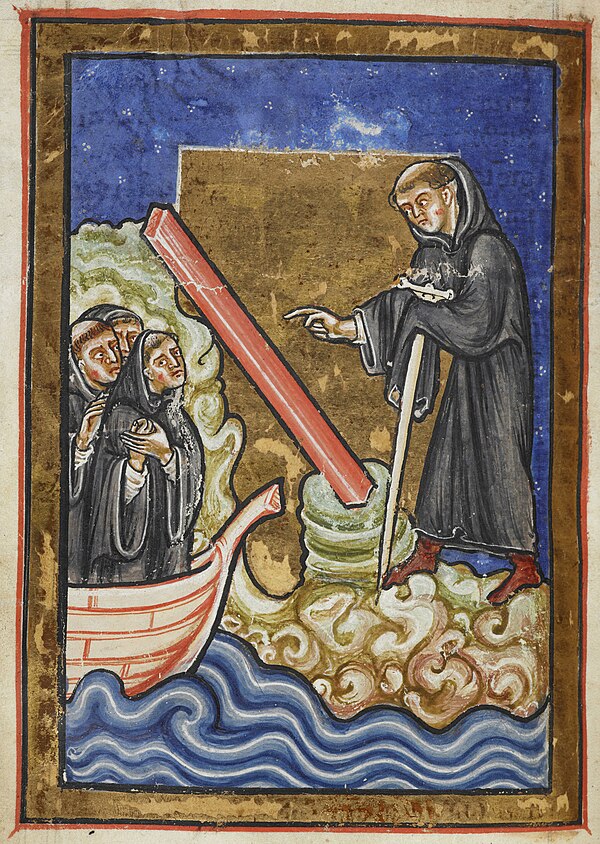 Cuthbert of Lindisfarnec. 634 – 687
Northumbrian monk and bishop of Lindisfarne. Patron saint of northern England; venerated through the prose and verse Vitae by Bede.
Sherborne
West1 bishop, c. 639–709.
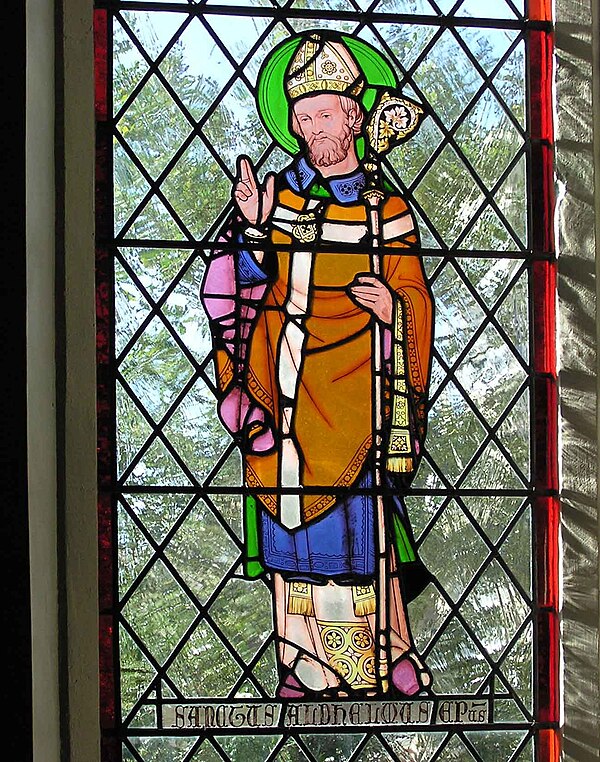 Aldhelm of Sherbornec. 639 – 709
First bishop of Sherborne and abbot of Malmesbury.
Edessa
Syria1 bishop, c. 640–708.
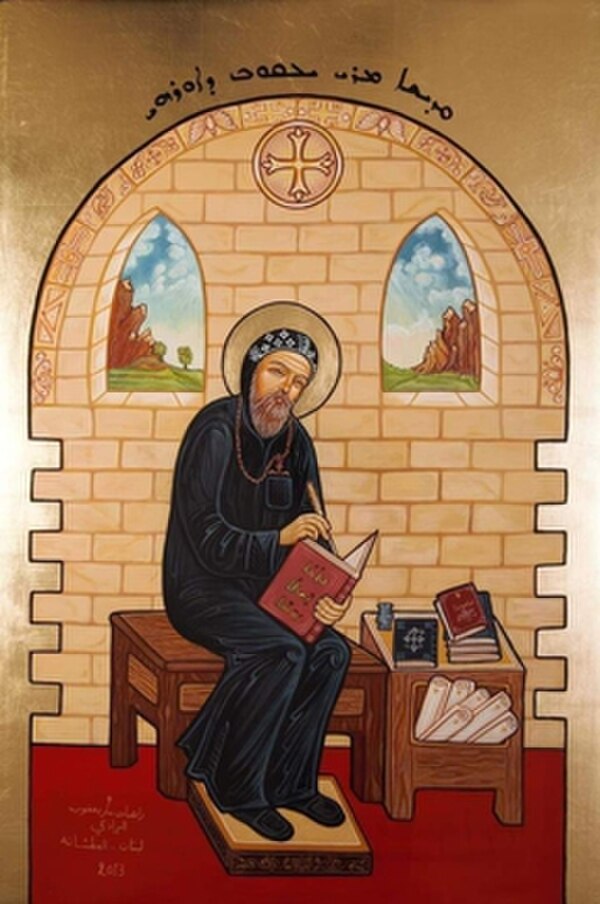 Jacob of Edessac. 640 – 708
Syriac Orthodox bishop of Edessa, scholar, grammarian, translator, and chronicler.
Gortyn (Crete)
East1 bishop, c. 660–740.
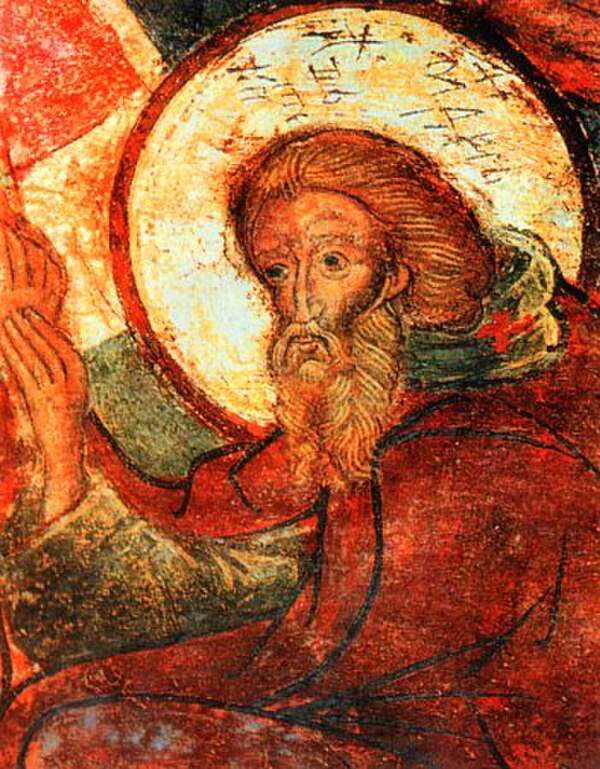 Andrew of Cretec. 660 – c. 740
Archbishop of Crete and major Byzantine hymnographer.
Mainz
West1 bishop, c. 675–754.
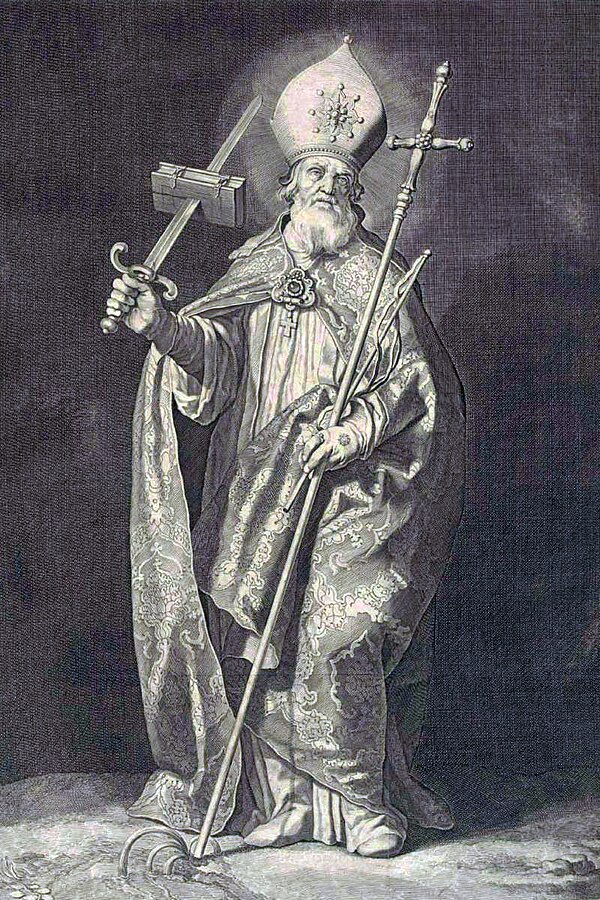 Bonifacec. 675 – 754
Anglo-Saxon missionary and Archbishop of Mainz.
Limits of this view
What you see here is incomplete by design. Many bishops we have on file have no dates at all — they sit in their see but we can't place them in time. Whole stretches of some succession lists are missing because the only ancient source for them (often Hegesippus, via Eusebius) is lost. First- and second-century Roman and Antiochene successions in particular are reconstructions, not contemporary records.
We also only show bishops we already track on the site. The full episcopal succession of Rome runs to the present day; this page stops, like the rest of the site, around AD 750. And sees as institutions are not nodes in our graph — only the men who held them.
For how each link is graded (documented vs tradition vs disputed), and which lists we flag as honest weak spots, see the methodology page.