Apologists
AD 130 – 200
Once Christianity got big enough that emperors and philosophers had to take notice, it had to learn to argue back. The Apologists are the first Christians to write for outsiders — addressing emperors directly, refuting pagan philosophy on its own terms, taking the gnostic and Marcionite heresies apart line by line.
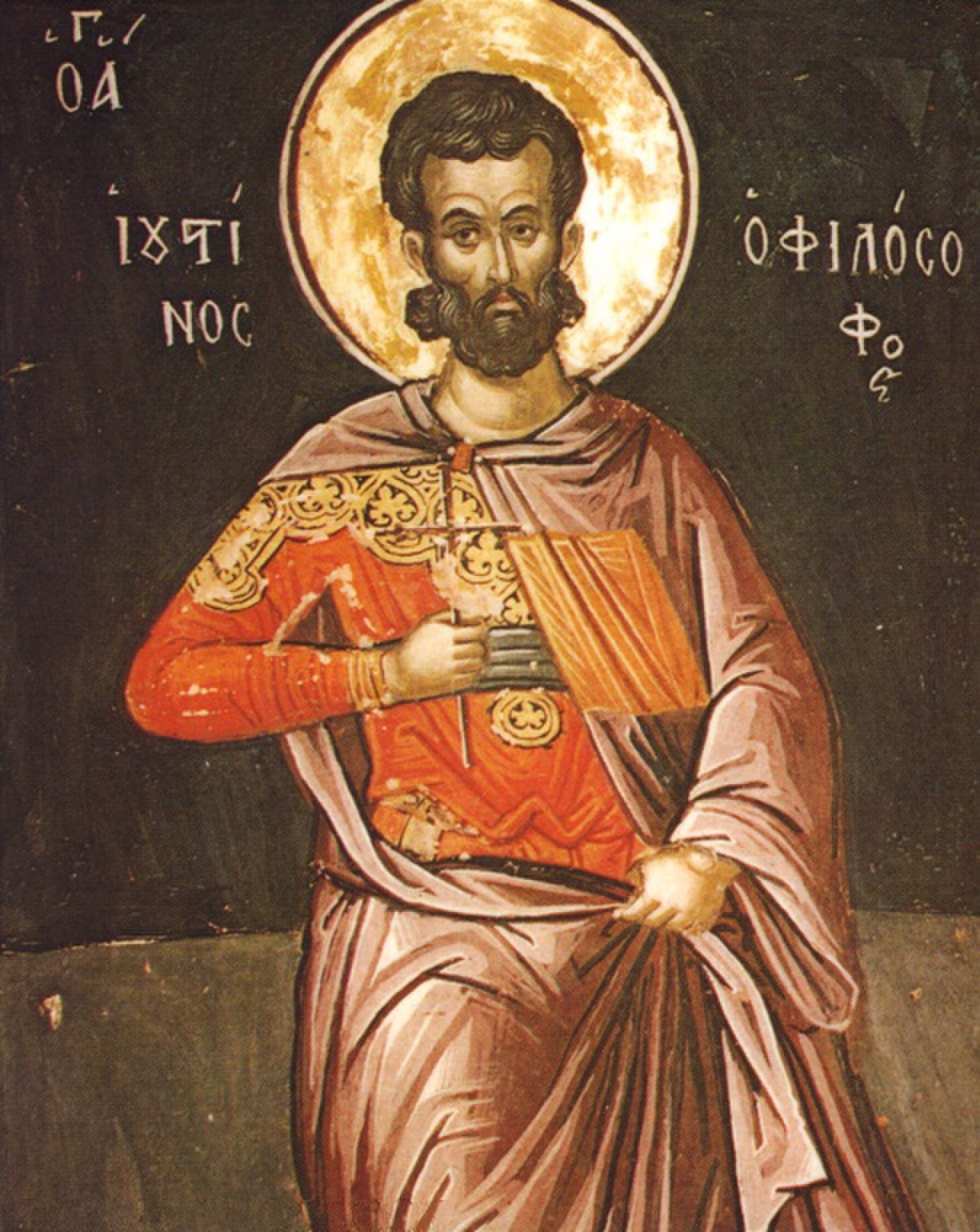
Justin Martyr is the prototype: a philosopher in a philosopher's cloak who walked into Rome, opened a school, and wrote two Apologies to Antoninus Pius arguing that Christianity is the true philosophy and Socrates was a Christian without knowing it. He was beheaded for his trouble around 165. Tatian, his student, wrote the Diatessaron — the four gospels woven into one narrative, the standard Syrian gospel for centuries. Athenagoras pleaded for tolerance. Theophilus of Antioch coined the word 'Trinity.'
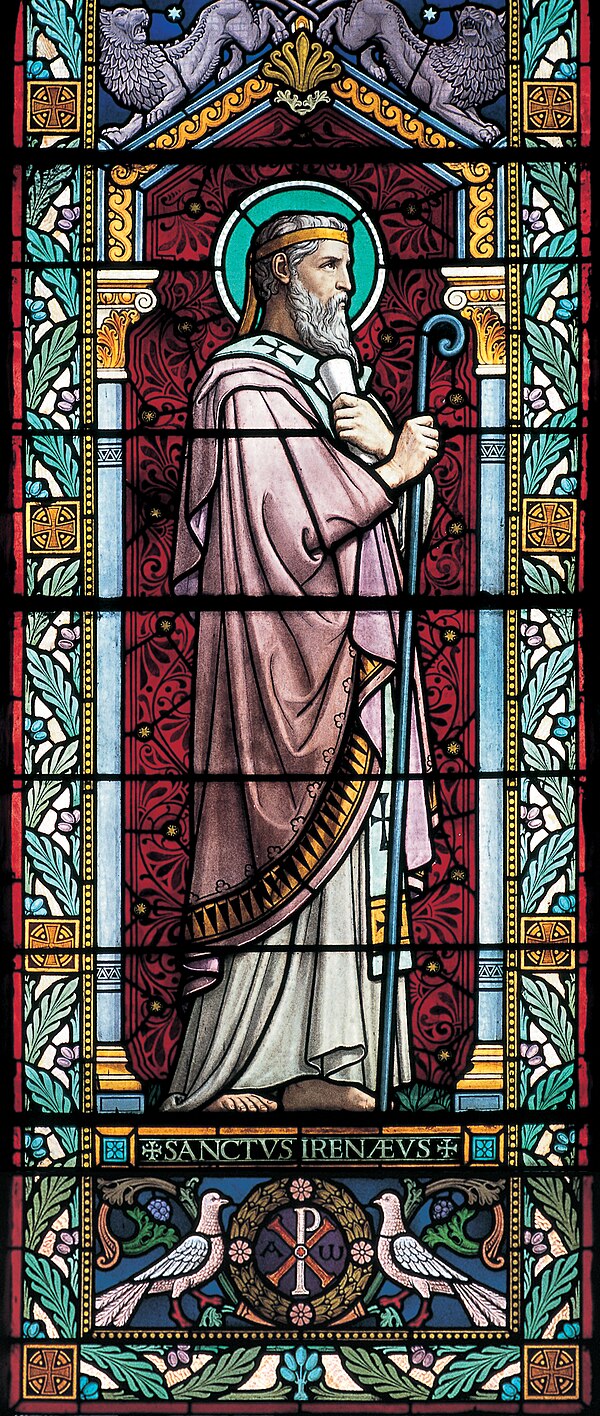
Late in the period Irenaeus of Lyon writes Against Heresies, the first systematic theology in Christian history. He had heard Polycarp as a boy; Polycarp had heard John. Irenaeus puts the apostolic-succession argument on the map: the gnostics have secret traditions, but the bishops have a public chain back to the apostles, and that's where you find the truth. The argument has run ever since.
Major figures
42 figures placed in this era. Showing the most prominent.
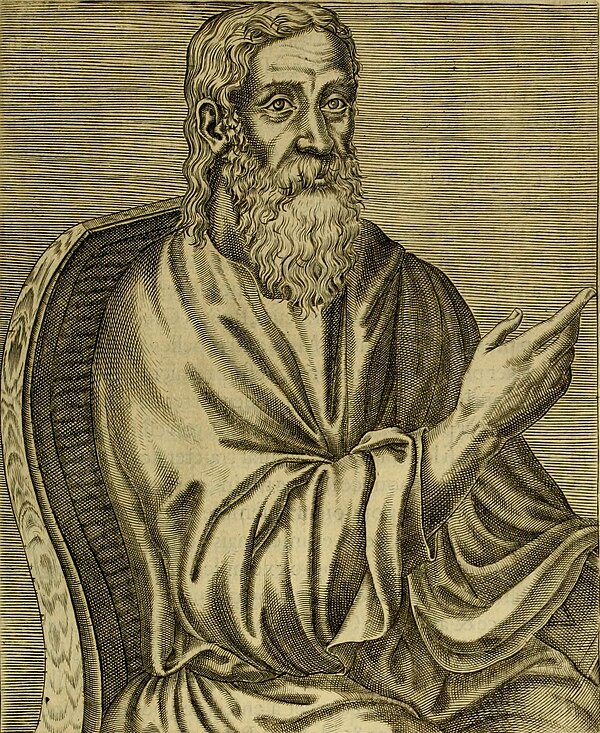
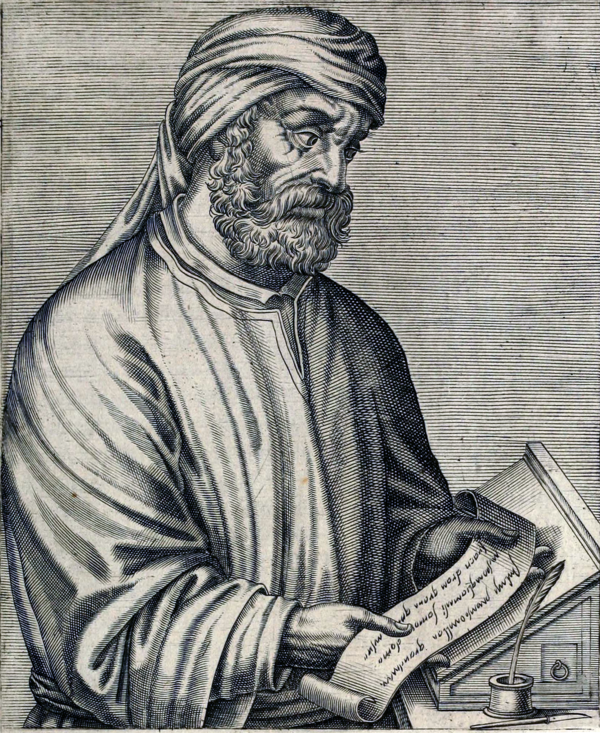
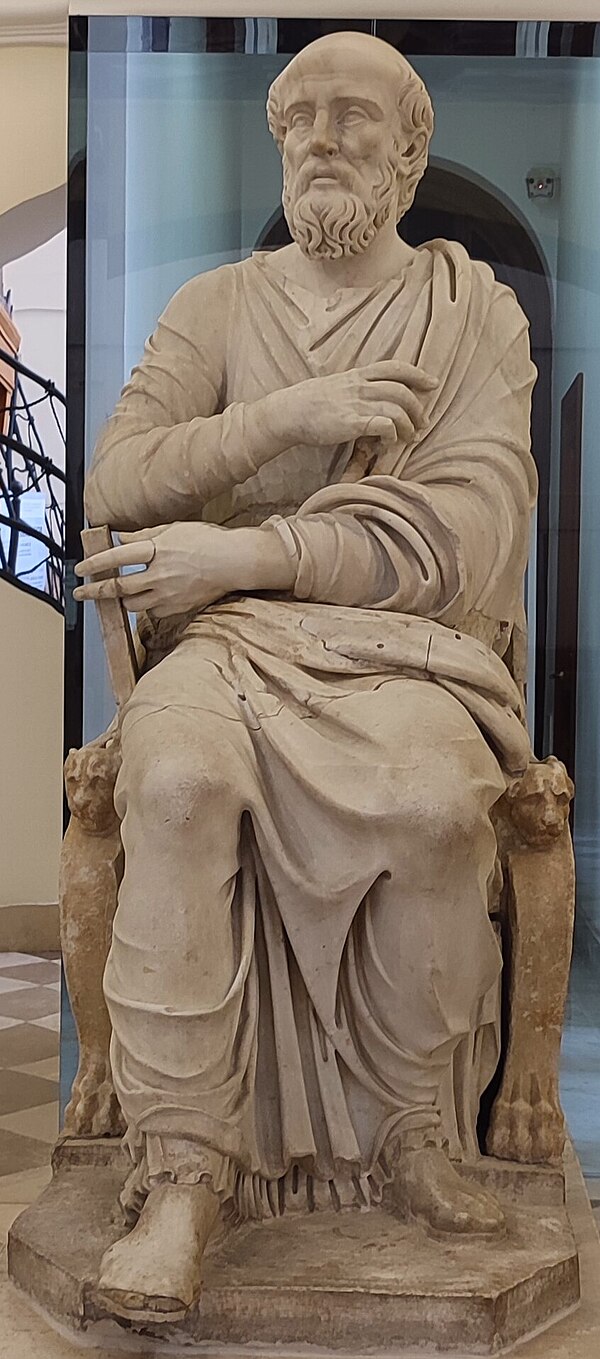
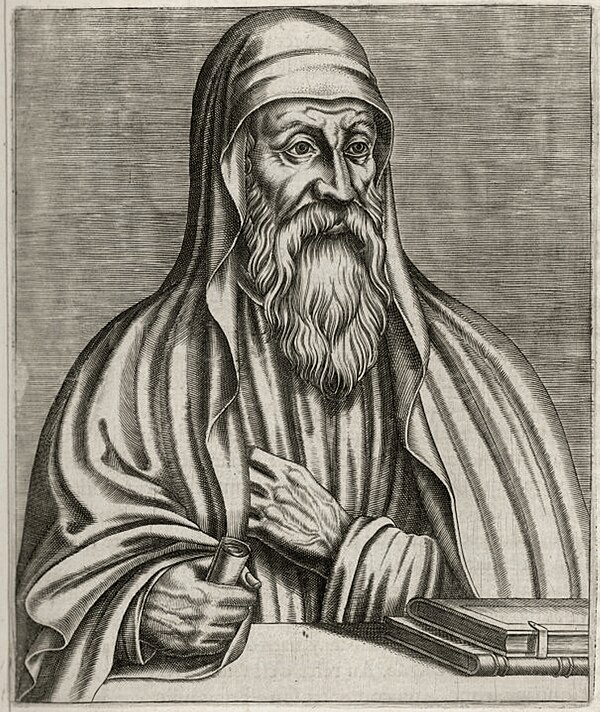
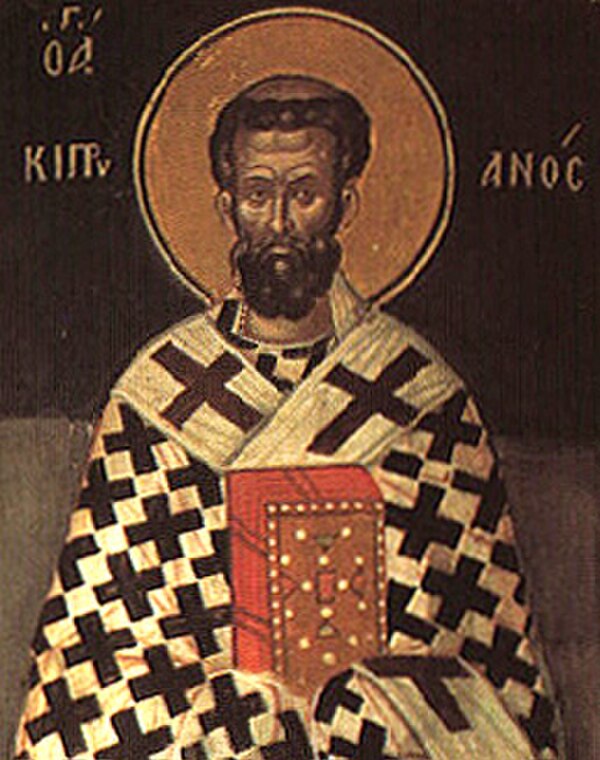
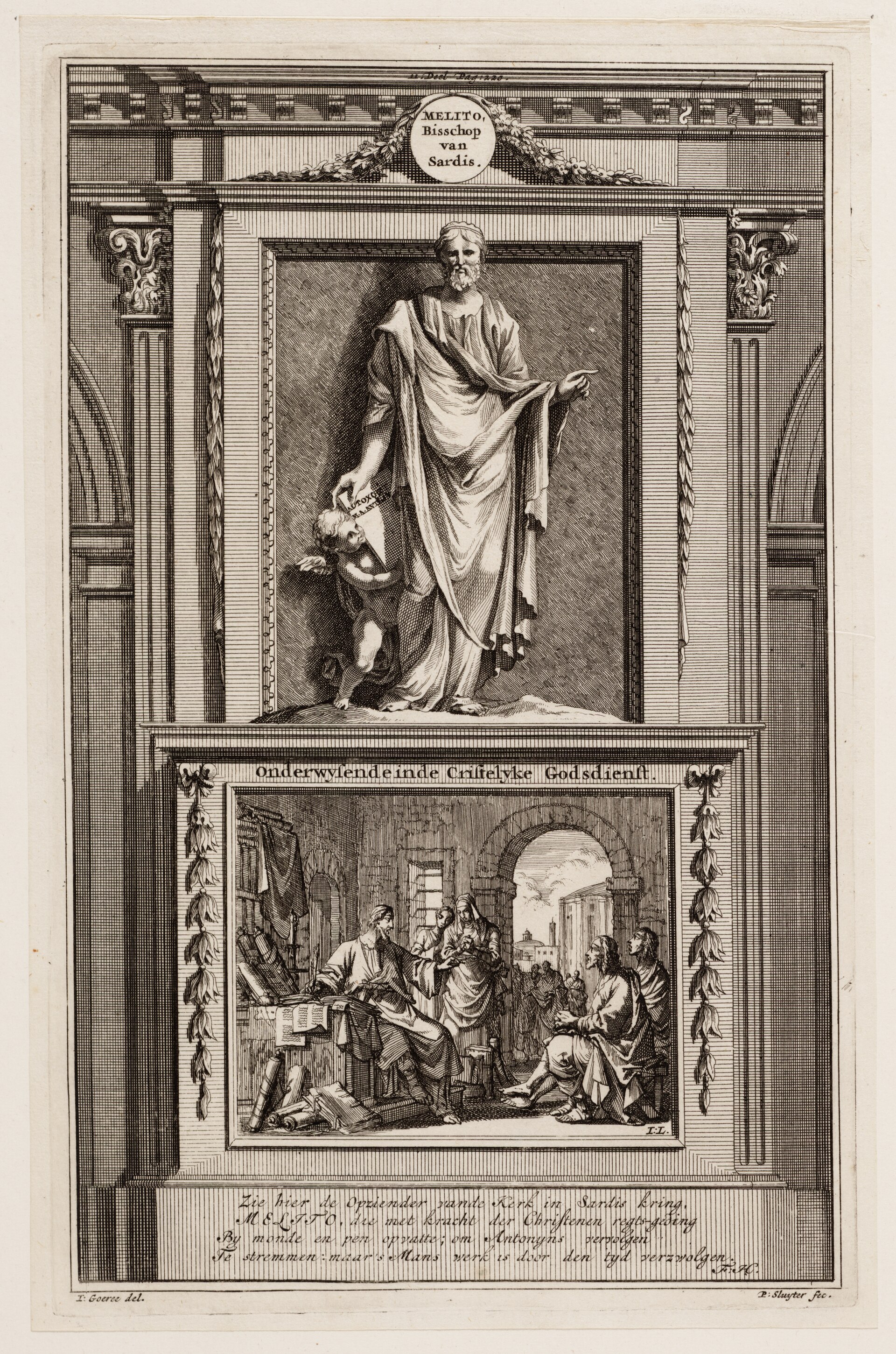
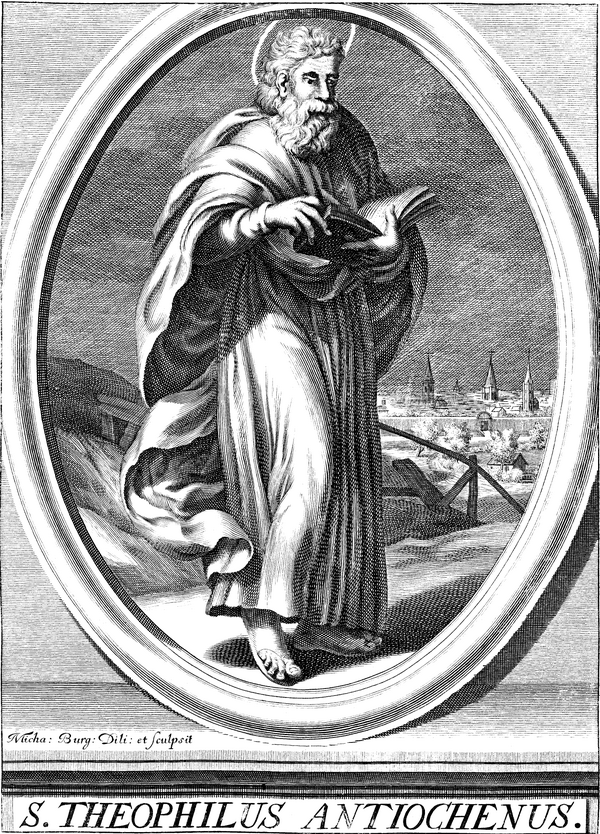
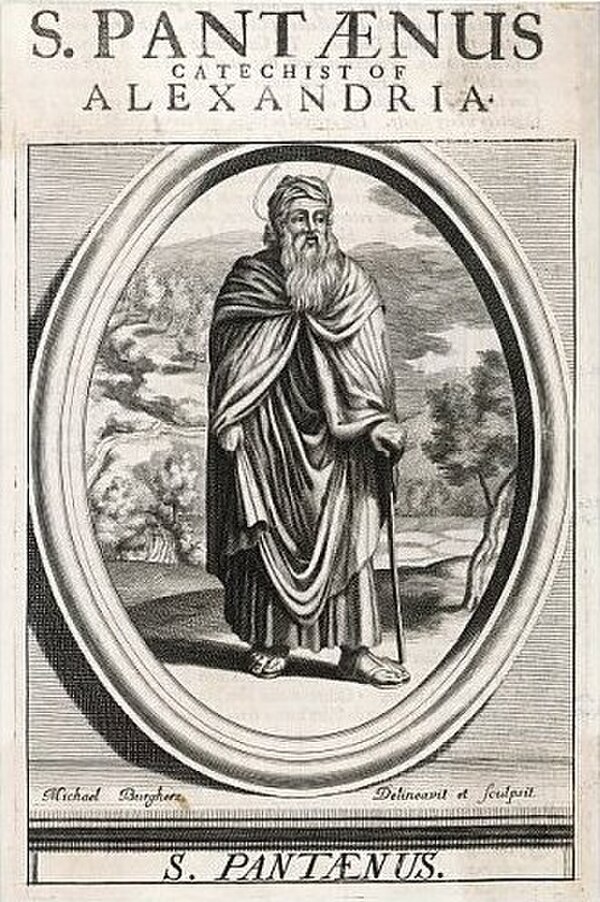
Plus 30 more — see the full directory.
What was decided
- Christianity is publicly defensible philosophy, not a mystery cult.
- Apostolic succession of bishops is the test of authentic teaching (Irenaeus).
- Gnosticism — secret saving knowledge, evil creator — is heresy.
- The four-gospel canon is fixed (Irenaeus: 'four gospels, no more, no less').
Recommended books for Apologists
A short reading shelf for this era, chosen from the works already attached to figure pages.

First and Second Apologies
Justin MartyrThe classic first stop for Christians explaining their faith before emperors, philosophers, and pagan Rome.

The key text for public apostolic tradition, anti-gnostic argument, and the chain from John to Polycarp to Irenaeus.