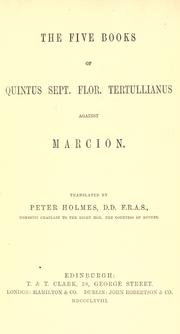
The classic Latin attack on Marcion's rejection of the Old Testament and two-god theology.
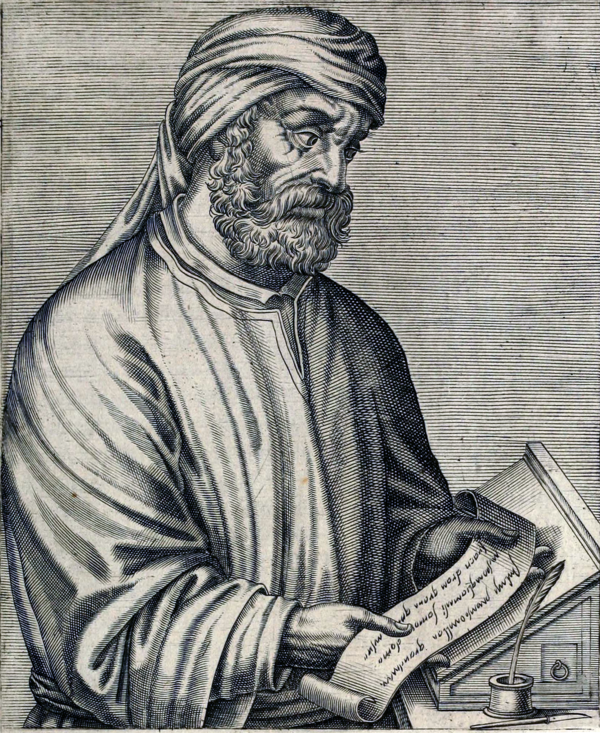
First major Latin Christian author; coined much of Western theological vocabulary (trinitas, persona, substantia). Apologeticus, Adv. Marcionem, De Praescriptione. Later joined the New Prophecy (Montanism).
Tertullian gave the Latin West much of the vocabulary it still uses to speak about God. He wrote when serious Christian theology was still mostly Greek, and he made Latin bear words such as Trinity, person, substance, sacrament, and New Testament. Augustine and later Western theologians could argue with greater precision because Tertullian had already made the language possible. His later Montanism kept him from the usual saintly category, but his words outlived the controversy.
A cover-visible starting point chosen from the curated reading path, either by this figure or by their era.
The classic Latin attack on Marcion's rejection of the Old Testament and two-god theology.
Loading…
Public defense of Christianity to Roman governors — a masterpiece of early Christian rhetoric.
Five-book refutation of Marcion's two-god theology, foundational for canon and Old Testament theology.
Argues heretics have no right to argue from scripture; only the church has true apostolic succession.
Earliest surviving Christian treatise on the sacrament; argues for adult baptism + against women's authority to baptize.
Coined 'Trinity' (trinitas) in Latin; defends three persons in one substance.
As an Amazon Associate we earn from qualifying purchases.