Early Medieval
AD 600 – 750
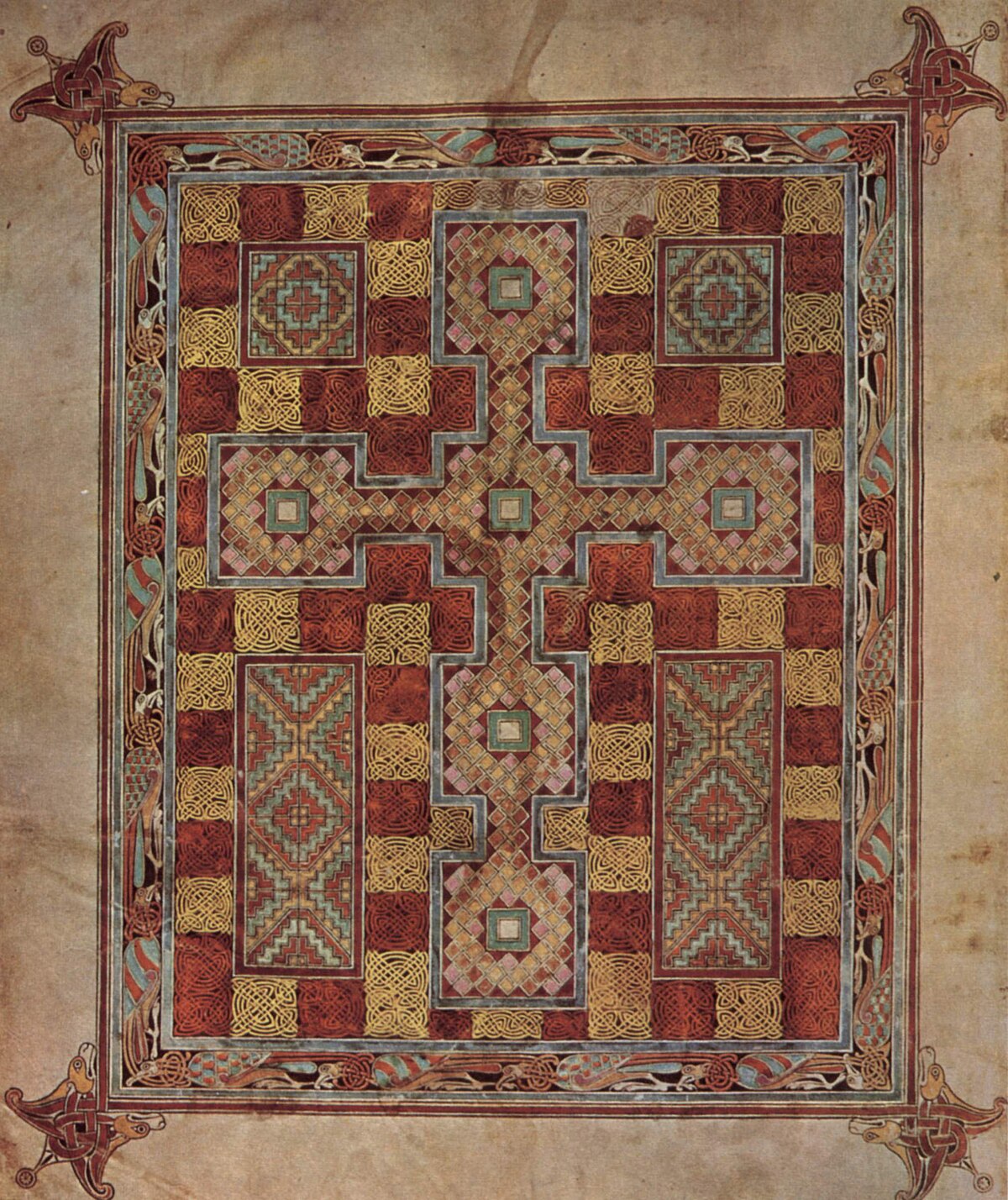
Theology in this period is done in monasteries, not cities. The western half of the old empire is now a patchwork of Frankish, Anglo-Saxon, Visigothic, and Lombard kingdoms, and the bishops have either died, fled, or become petty kings. What survives of patristic learning survives because monks copy it. Cassiodorus had the right idea a century earlier; now it's policy. Bede in Northumbria writes the Ecclesiastical History of the English People in 731 with a library of two hundred volumes that monks shipped to him from Rome.
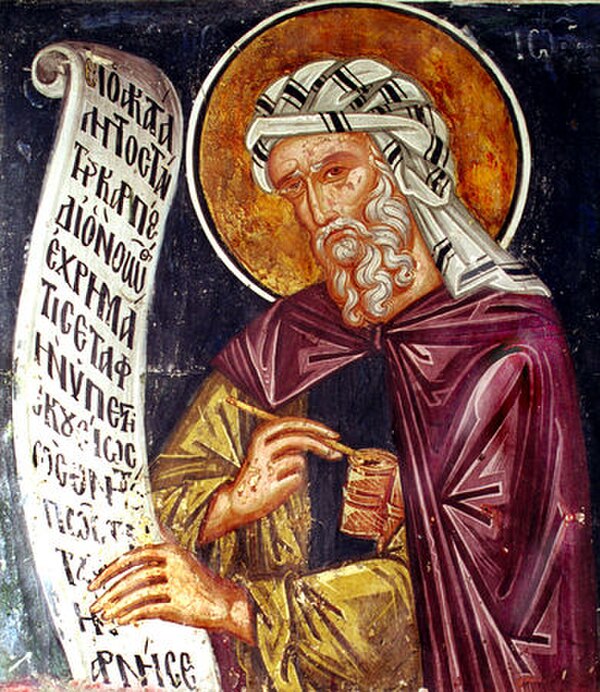
The other big story is Islam. Muhammad dies in 632; within a century Arab armies have taken Syria, Palestine, Egypt, North Africa, and most of Spain. Three of the five great patriarchates — Antioch, Jerusalem, Alexandria — are now under a Muslim caliphate. The Christian intellectual centre of the east contracts to Constantinople. John of Damascus, the last Greek Father, writes from inside the caliphate as a civil servant of the Umayyads. He composes the first Christian engagement with Islam, defends icon veneration against the Byzantine emperors who want to ban it, and sums up the entire Greek patristic tradition in his Exposition of the Orthodox Faith.
He dies around 749. The patristic age is conventionally said to end with him. After this, theology in the west becomes scholastic — done by monks then professors in cathedral schools and universities, with new tools (Aristotelian logic, dialectical method) and new questions. The relay race ends; the seminar begins.
Major figures
53 figures placed in this era. Showing the most prominent.
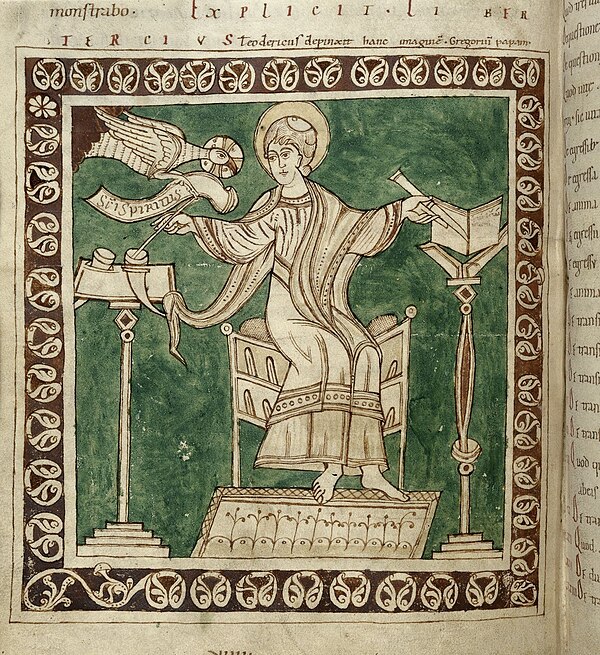
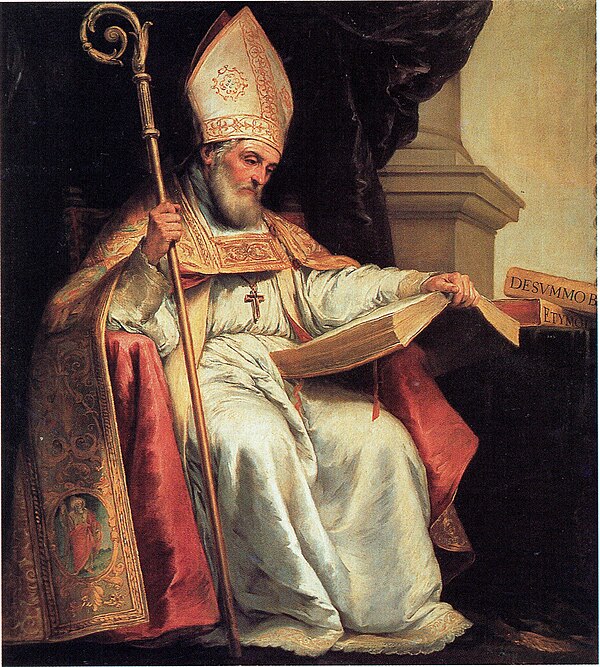
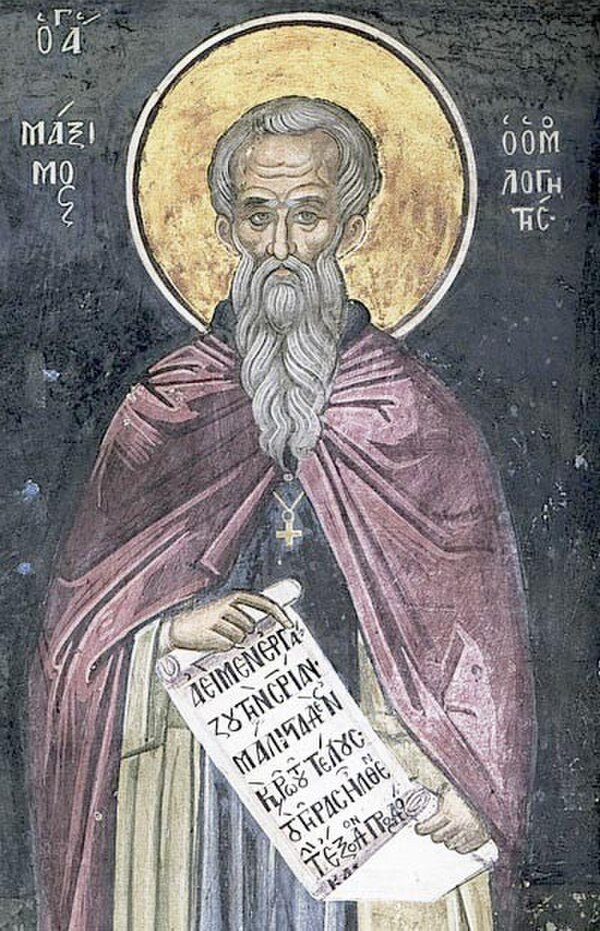
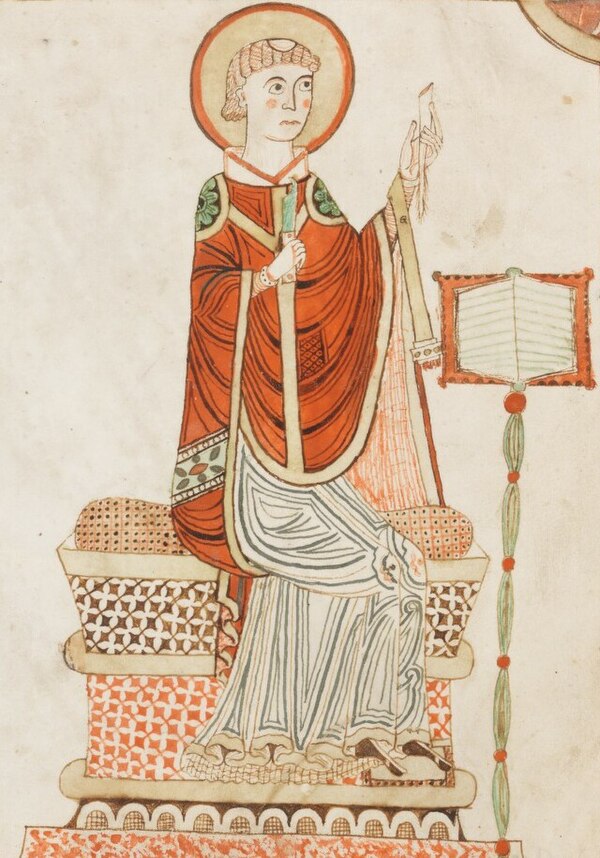
Plus 41 more — see the full directory.
What was decided
- Christ has two wills, divine and human, not one (Constantinople III, 680).
- Icon veneration is defended theologically (John of Damascus, On the Divine Images).
- The patristic age formally closes; scholasticism begins.
- Monastic copying becomes the lifeline of patristic learning in the west.
Recommended books for Early Medieval
A short reading shelf for this era, chosen from the works already attached to figure pages.

The Rule of Saint Benedict
Benedict of NursiaThe compact rule that shaped Western monastic life for centuries.
Ecclesiastical History of the English People
Bede the VenerableThe classic early medieval church history in the West, written at the far end of this site's timeline.
Three Treatises on the Divine Images
John of DamascusThe great defense of icons and a natural closing book for the patristic age.