
Read this for the bridge from patristic learning into medieval practice.
The Rule of Saint Benedict
Benedict of NursiaThe compact rule that shaped Western monastic life for centuries.
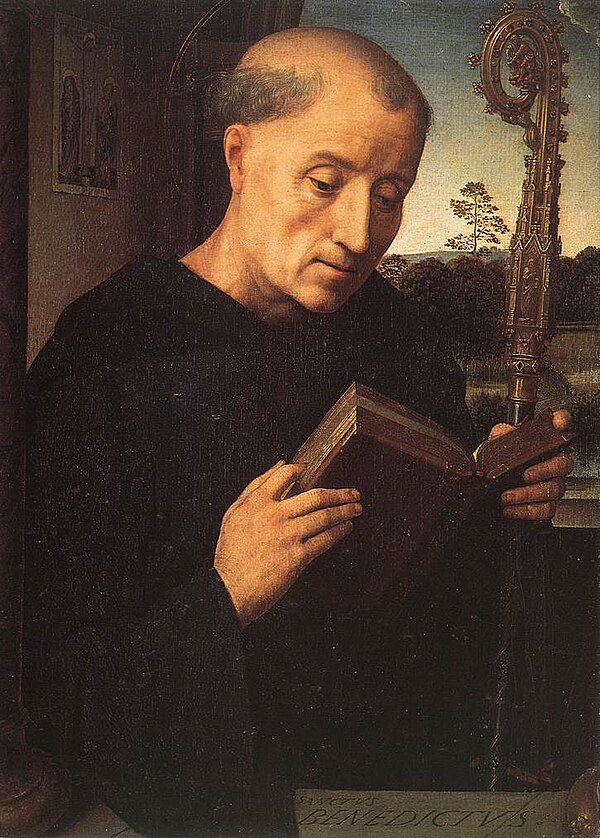
Founder of Western monasticism. Established Monte Cassino c. 529 and authored the Rule of St Benedict, which became the foundational rule for Western cenobitic life. Known almost entirely through Gregory the Great's Dialogues Book 2.
Benedict wrote a short rule that taught Western monastic communities how to endure. The Rule of St Benedict organised prayer, work, obedience, correction, hospitality, leadership, and ordinary community life with unusual moderation. For centuries it shaped monasteries that preserved texts, trained clergy, cultivated land, and carried Christian learning through the early medieval West. Its power is that it makes holiness practical: a daily pattern rather than a dramatic gesture.
A cover-visible starting point chosen from the curated reading path, either by this figure or by their era.
The compact rule that shaped Western monastic life for centuries.
Loading…
Seventy-three chapters that organized Western monasticism for fifteen centuries.
As an Amazon Associate we earn from qualifying purchases.