Post-Nicene
AD 451 – 600
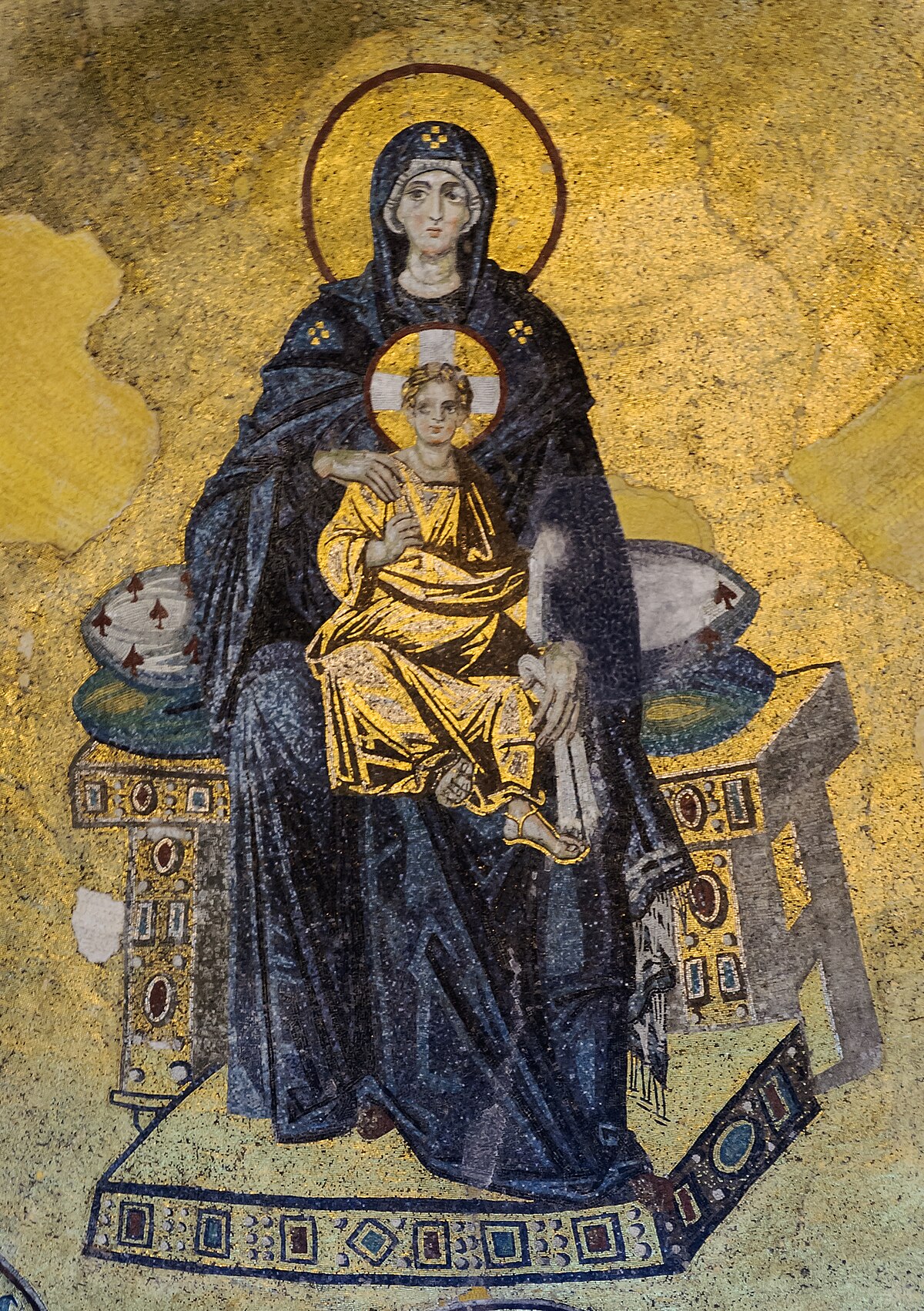
Chalcedon settled the doctrine but split the church. The Coptic, Ethiopian, Syriac, and Armenian churches reject Chalcedon as too Nestorian and go their own way — they are still going their own way fifteen centuries later. The Byzantine emperors spend the rest of the century trying and failing to reconcile them; Justinian's Three Chapters edict (544) and the Second Council of Constantinople (553) are the high-water mark of that effort.
The bigger story is the collapse of the Western empire and the rise of the monasteries. Rome had already fallen to Alaric in 410. By the late 400s the western provinces are run by Goths, Vandals, and Franks. The bishops are now the only Roman institution still standing in the west — Leo the Great talks Attila the Hun out of sacking Rome in 452. Augustine's vast theological corpus is being sorted, copied, and transmitted by Cassiodorus and Boethius. Benedict of Nursia writes the Rule around 540 that will define western monasticism for the next millennium.
In the east, the great age of liturgy and mysticism. Pseudo-Dionysius writes the Mystical Theology around 500. The hymns of Romanos the Melodist fill the Hagia Sophia. Justinian rebuilds the Hagia Sophia itself in 537, the largest church in Christendom for a thousand years. Gregory the Great closes the period — bishop of Rome 590–604, sends Augustine to evangelise the English, and is conventionally counted as the last Latin Father.
Major figures
53 figures placed in this era. Showing the most prominent.
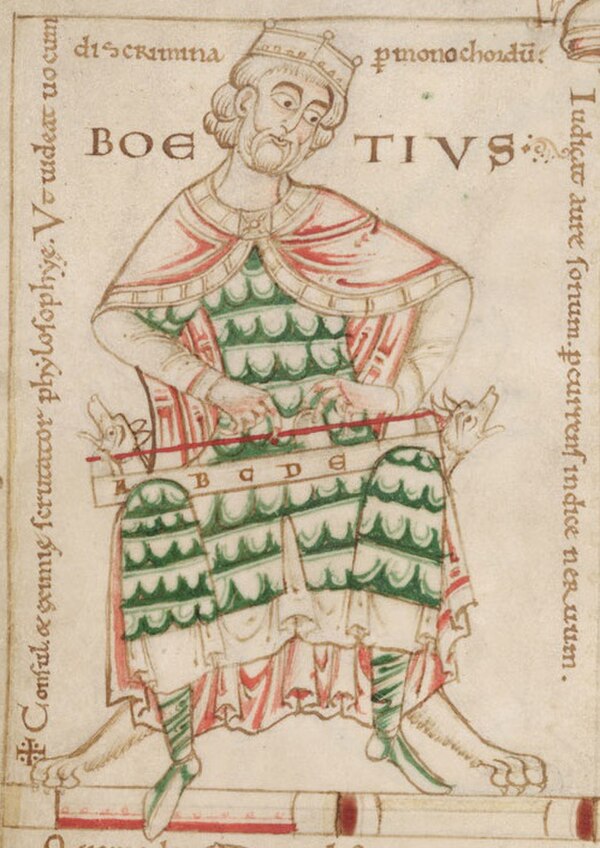
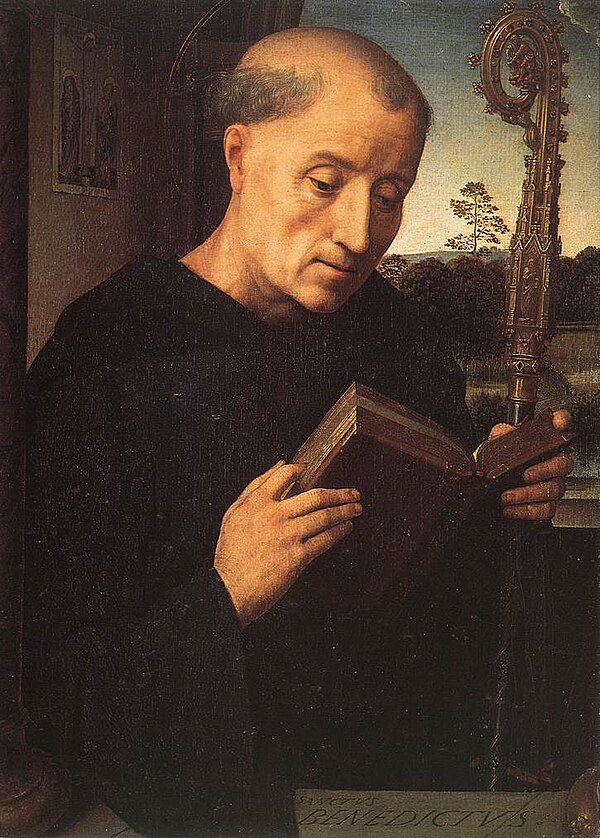
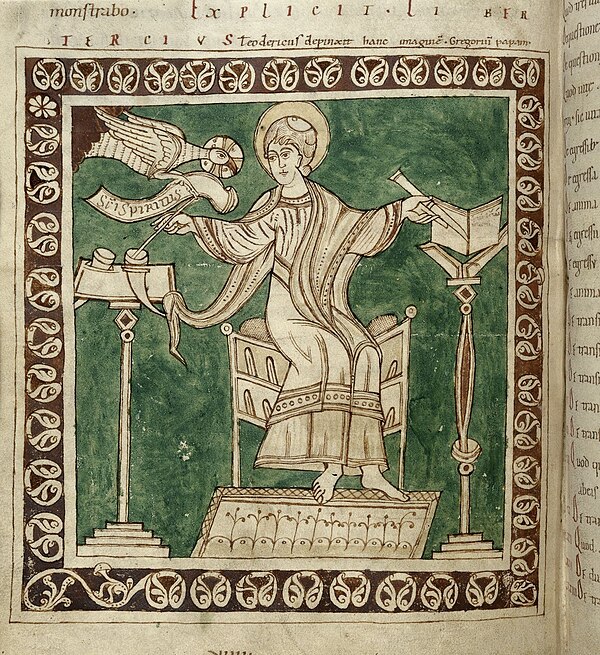
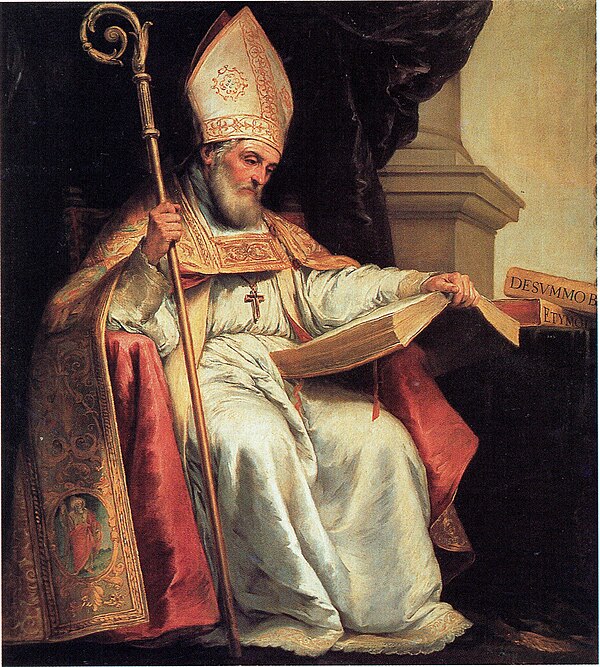
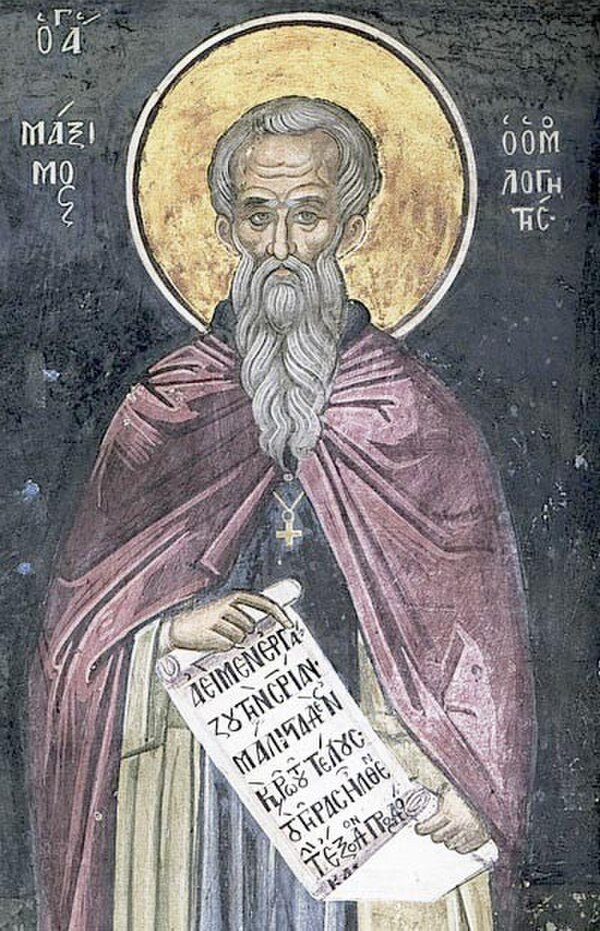
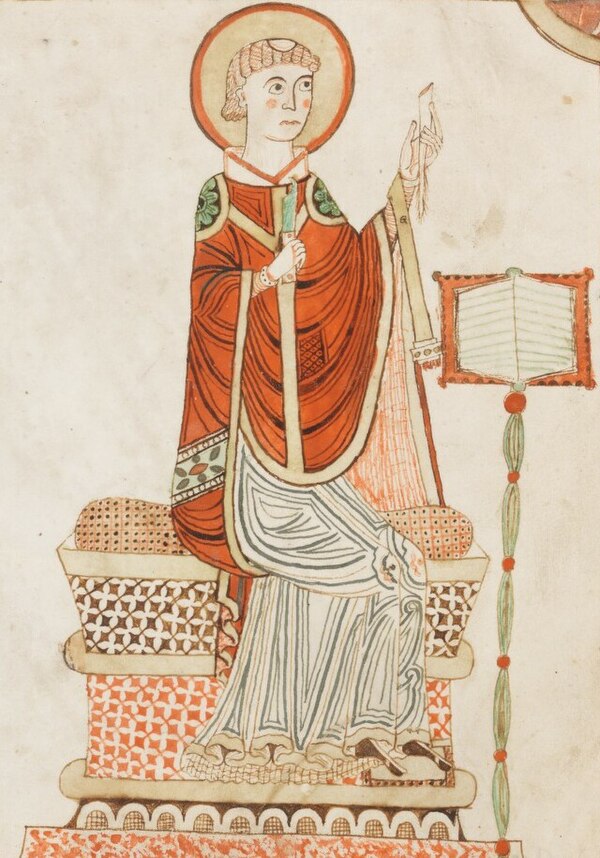
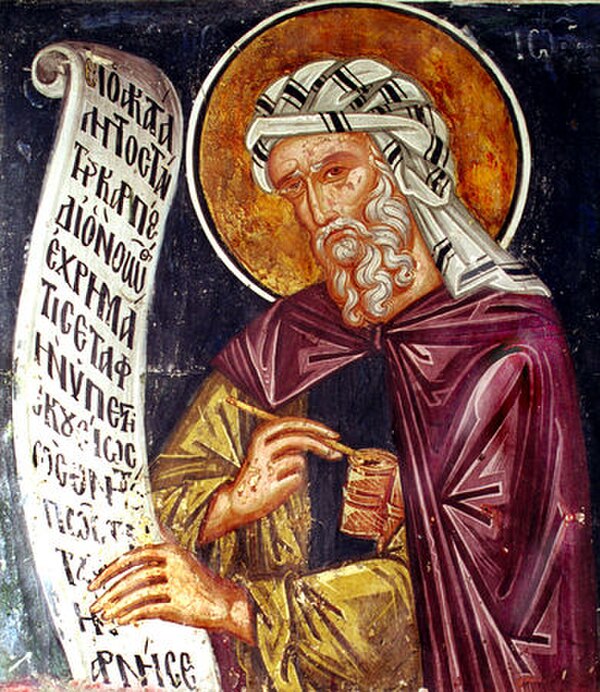
Plus 41 more — see the full directory.
What was decided
- The Rule of Benedict becomes the norm of Western monasticism.
- Origenism is formally condemned (Constantinople II, 553).
- Latin theology consolidates around an Augustinian framework.
- Non-Chalcedonian churches (Coptic, Syriac, Armenian) separate permanently.
Recommended books for Post-Nicene
A short reading shelf for this era, chosen from the works already attached to figure pages.
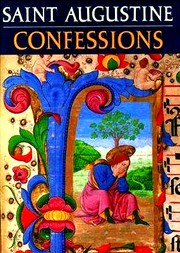
The most approachable major Latin Father: autobiography, prayer, memory, sin, grace, and desire.
The best short entry into the Nestorian controversy and why 'one Christ' mattered so much.

Leo's letter becomes a central text for Chalcedon and the two-natures formula.