Portrait of Pseudo-Dionysius the Areopagite
via Wikipedia

Pseudo-Dionysius the Areopagite

c. 470* – c. 530

* Date marked with an asterisk is a placeholder estimate (lifespan heuristic), not a sourced claim. Hover for the derivation.

TheologianMonk

Quick facts

Born
c. 470*
Died
c. 530
Region
syria
Era
post nicene
Significance
Major Father(3/4)
Also known as
Dionysius the Areopagite · Denys · Pseudo-Denys

Highlights

Main contribution
Anonymous late 5th/early 6th-century Syrian Christian Neoplatonist who wrote under the pseudonym of Dionysius the Areopagite (Acts 17:34).
Best first read
The Complete Works
Primary source
Pseudo-Dionysius, De Divinis Nominibus

Anonymous late 5th/early 6th-century Syrian Christian Neoplatonist who wrote under the pseudonym of Dionysius the Areopagite (Acts 17:34). Author of the Corpus Areopagiticum: Divine Names, Mystical Theology, Celestial Hierarchy, Ecclesiastical Hierarchy, and Letters. Hugely influential on later mystical and scholastic theology. NOT Paul's Athenian convert; identity disputed.

Recommended reading near Pseudo-Dionysius the Areopagite

A cover-visible starting point chosen from the curated reading path, either by this figure or by their era.

More books →
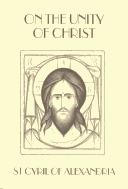
Cover of On the Unity of Christ by Cyril of Alexandria
Read this when Christology gets confusing.

On the Unity of Christ

Cyril of Alexandria

The best short entry into the Nestorian controversy and why 'one Christ' mattered so much.
Chain to Jesus

Loading…

Works

  • The Complete Worksc. 500

    Mystical Theology, Divine Names, Celestial and Ecclesiastical Hierarchies — the most influential mystical corpus in Christian history.

As an Amazon Associate we earn from qualifying purchases.

Sources for biography

  • Pseudo-Dionysius, De Divinis Nominibus primary
  • Pseudo-Dionysius, De Mystica Theologia primary
  • ODCC s.v. Dionysius (5) secondary

documented connections(2)

  • cited (incoming) Maximus the Confessor
    Maximus wrote scholia on the Dionysian corpus (transmitted with John of Scythopolis' scholia) and integrated Dionysian theology into his own.
    Maximus, Ambigua ad Iohannem · Scholia in Corpus Areopagiticum
  • cited (incoming) John of Damascus
    John quotes Pseudo-Dionysius extensively in De Fide Orthodoxa, especially in discussions of the divine names and apophatic theology.
    John of Damascus, De Fide Orthodoxa 1.4, 1.12

External resources

·XFacebookRedditEmail