
Start here for the Apologists and Christianity's public defense.
First and Second Apologies
Justin MartyrThe classic first stop for Christians explaining their faith before emperors, philosophers, and pagan Rome.
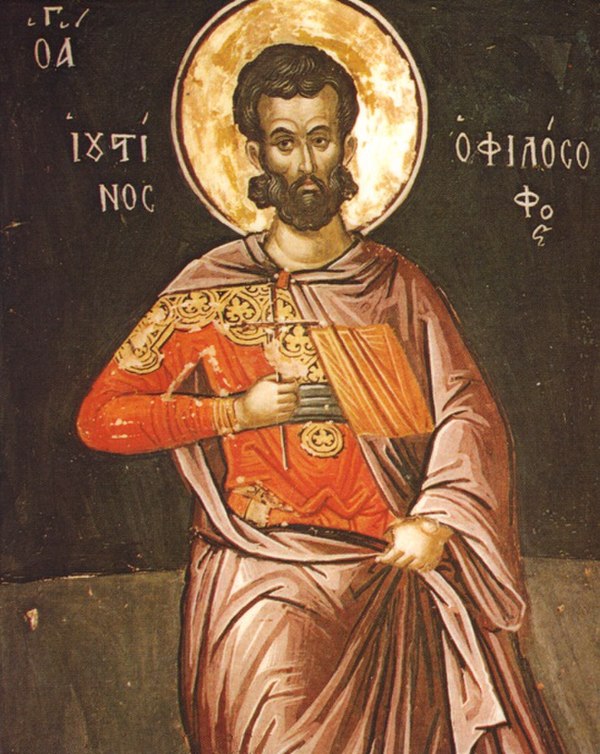
Greek philosopher converted to Christianity who wrote two Apologies and the Dialogue with Trypho. Taught in Rome and was martyred under Marcus Aurelius c. 165.
Justin walked into the Roman intellectual world and argued that Christianity could answer it on its own terms. He had studied philosophy before conversion, then wrote to emperors and educated pagans explaining why worshipping Christ was not superstition, atheism, or sedition. That move matters: Christian apologetics became more than denunciation, because Justin showed how to engage Plato, Stoicism, Roman law, Jewish scripture, and martyrdom in the same argument. He died for the faith he tried to make intelligible.
A cover-visible starting point chosen from the curated reading path, either by this figure or by their era.
The classic first stop for Christians explaining their faith before emperors, philosophers, and pagan Rome.
Loading…
Public defenses of Christianity addressed to Antoninus Pius, the earliest sustained Christian apologetics.
Long imagined dialogue with a Jewish interlocutor, arguing Christ from the Hebrew scriptures.
As an Amazon Associate we earn from qualifying purchases.