← Lineage
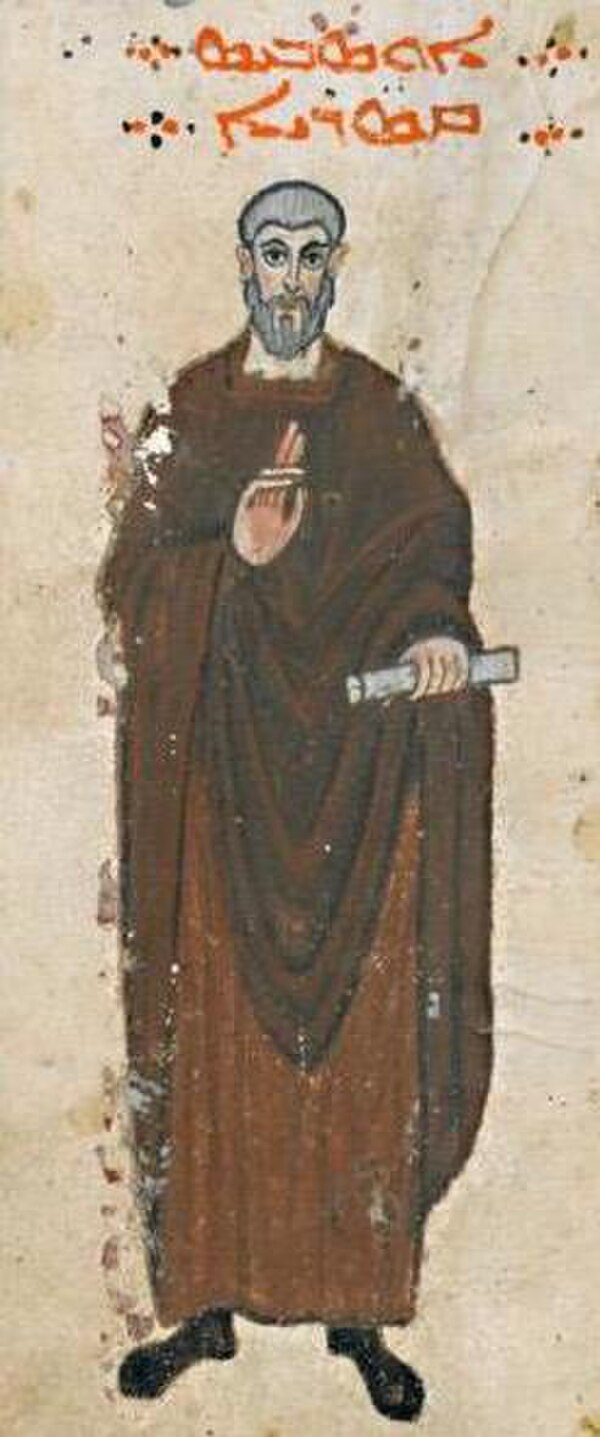
Portrait of Eusebius of Caesarea
via Wikipedia

Eusebius of Caesarea

c. 263 – c. 339 · b. Caesarea Maritima · Bishop of Caesarea
bishoptheologian

Bishop of Caesarea; the 'Father of Church History,' author of Historia Ecclesiastica, Praeparatio Evangelica, Demonstratio Evangelica, and the Life of Constantine. Pupil of Pamphilus.

Why Eusebius matters

Without Eusebius we wouldn't know early Christianity. His Ecclesiastical History is the source for almost every story about the first three centuries — apostolic succession lists, persecutions, heretics, Christian intellectual life — and he had access to the libraries of Caesarea and Jerusalem that we lost. Modern historians constantly second-guess him (he had agendas) but he's the only door we have. He also baptised the dying Constantine. Christianity's transition from persecuted sect to imperial religion runs through one man's library.

Chain to Jesus

Loading…

Common questions

Who was Eusebius of Caesarea?
Eusebius of Caesarea (263–339) — Bishop of Caesarea; the 'Father of Church History,' author of Historia Ecclesiastica, Praeparatio Evangelica, Demonstratio Evangelica, and the Life of Constantine. Pupil of Pamphilus.
Who taught Eusebius of Caesarea?
Pamphilus of Caesarea.
Who did Eusebius of Caesarea correspond with?
Constantine the Great.
Who did Eusebius of Caesarea oppose?
Marcellus of Ancyra.

Works

  • Ecclesiastical Historyc. 325

    Ten-book history of the Church from the apostles to Constantine — our principal source for early Christianity.

As an Amazon Associate we earn from qualifying purchases.

Sources for biography

  • Eusebius, Hist. Eccl. (passim) primary
  • Jerome, De Viris Illustribus 81 primary
  • Socrates, Hist. Eccl. 1.8 primary
  • Eusebius, Hist. Eccl. (passim, autobiographical references) primary
  • Socrates Scholasticus, Hist. Eccl. 1.8 primary

documented connections(10)

  • Eusebius styled himself 'Pamphili' in tribute to his master Pamphilus, with whom he co-authored the Apology for Origen.
    Eusebius, Hist. Eccl. 6.32, 7.32 · Jerome, De Viris Illustribus 75, 81
  • Book 6 of the Historia Ecclesiastica is largely devoted to Origen, drawing on his letters and works.
    Eusebius, Hist. Eccl. 6 passim
  • Eusebius devotes substantial space to Justin's life, works, and martyrdom in HE 4.16-18, quoting from his apologies and Dialogue with Trypho.
    Eusebius, Hist. Eccl. 4.16-18
  • Eusebius preserves substantial fragments of Melito (including the canon list and the Apology to Marcus Aurelius) in HE 4.26.
    Eusebius, Hist. Eccl. 4.26
  • corresponded (incoming) Constantine the Great
    Eusebius preserves multiple letters from Constantine and delivered an oration in his presence.
    Eusebius, Vita Constantini 2.46, 3.60-63, 4.35-36
  • Eusebius wrote the Vita Constantini and the Tricennial Oration in his honour.
    Eusebius, Vita Constantini 1-4
  • cited (incoming) Rufinus of Aquileia
    Rufinus translated and continued Eusebius's HE.
    Rufinus, Hist. Eccl. (preface)
  • cited (incoming) Socrates Scholasticus
    Socrates' Hist. Eccl. begins where Eusebius left off.
    Socrates Scholasticus, Hist. Eccl. 1 (preface)
  • cited (incoming) Theodoret of Cyrus
    Theodoret continues Eusebius in his Hist. Eccl.
    Theodoret, Hist. Eccl. 1.1
  • Eusebius wrote Contra Marcellum and De Ecclesiastica Theologia against him.
    Eusebius, Contra Marcellum

tradition connections(2)

  • Eusebius discusses the Epistle of Barnabas among the disputed/spurious writings (HE 3.25, 6.14). Marked tradition because the author is anonymous.
    Eusebius, Hist. Eccl. 3.25, 6.14
  • Athenagoras is mentioned by Methodius and Philip of Side rather than by Eusebius's HE proper; the link is via the later patrologists who preserved his works.
    Philip of Side, Hist. Christ. fragm. (in Dodwell) · Methodius, On the Resurrection (cited in Photius, Bibl. cod. 234)

Read more