Theodore of Tarsus

c. 602 – 690 · b. Tarsus · Bishop of Canterbury
BishopMonk

Quick facts

Born
c. 602, Tarsus
Died
690, Canterbury
See
Canterbury
Region
west
Era
post nicene
Significance
Notable(2/4)
Also known as
Theodore of Canterbury

Highlights

Main contribution
Greek monk from Tarsus appointed Archbishop of Canterbury (668-690) by Pope Vitalian.
Primary source
Bede, Hist. Eccl. 4.1-2

Greek monk from Tarsus appointed Archbishop of Canterbury (668-690) by Pope Vitalian. Reorganized the English church and, with Hadrian, founded the Canterbury school of Greek and Latin learning.

Recommended reading near Theodore

A cover-visible starting point chosen from the curated reading path, either by this figure or by their era.

More books →
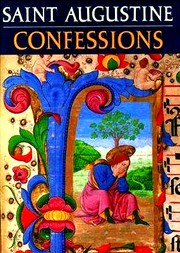
Cover of Augustine's Confessions
Start here if you want something personal rather than technical.

Confessions

Augustine of Hippo

The most approachable major Latin Father: autobiography, prayer, memory, sin, grace, and desire.

Chain to Jesus

Loading…

Common questions

Who was Theodore of Tarsus?
Theodore of Tarsus (602–690) — Greek monk from Tarsus appointed Archbishop of Canterbury (668-690) by Pope Vitalian. Reorganized the English church and, with Hadrian, founded the Canterbury school of Greek and Latin learning.
Who did Theodore of Tarsus oppose?
Wilfrid.
Who did Theodore of Tarsus succeed as bishop of Canterbury?
Augustine of Canterbury.

Sources for biography

  • Bede, Hist. Eccl. 4.1-2 primary
  • Penitentiale Theodori primary

documented connections(1)

  • opposed (incoming) Wilfrid
    Theodore divided Wilfrid's Northumbrian diocese without his consent, leading to Wilfrid's appeals to Rome. Stephen of Ripon's Vita Wilfridi is the principal source.
    Stephen of Ripon, Vita Wilfridi 24-30 · Bede, Hist. Eccl. 4.12-13

tradition connections(1)

  • succeeded in see Augustine of Canterbury
    Theodore was the seventh (not direct) Archbishop of Canterbury after Augustine, sent by Pope Vitalian. The compressed succession is reported by Bede ~70 years later.
    Bede, Hist. Eccl. 4.1

External resources

·XFacebookRedditEmail