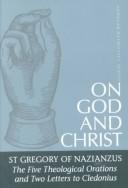
Read this when you want the high-theology version of Nicaea.
Five Theological Orations
Gregory of NazianzusDense but decisive sermons on the Trinity from the theologian of Constantinople.
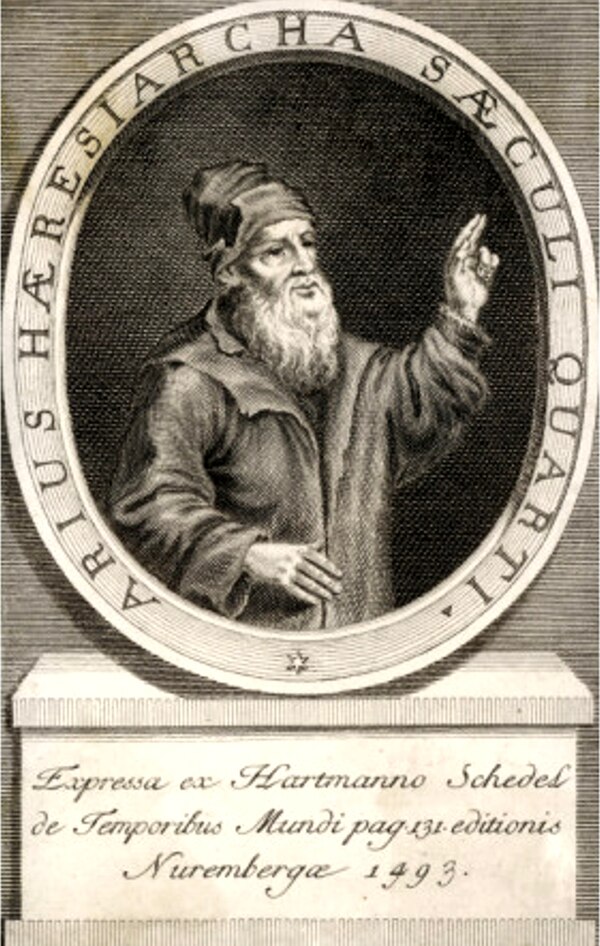
Alexandrian presbyter whose teaching that the Son was a created being sparked the Arian controversy. Condemned at Nicaea (325). Heretic.
Arius matters because his answer almost won. He taught that the Son was created by the Father, so there was a 'when' when the Son was not; that seemed to protect God's uniqueness while still honouring Christ highly. Nicaea condemned him in 325, but Arian and semi-Arian positions kept imperial and episcopal support for decades. Athanasius and the Cappadocians had to fight the issue through a generation of exile, councils, and compromise formulas. The Creed's language about the Son being 'one in being with the Father' is impossible to understand without knowing what Arius made the church reject.
A cover-visible starting point chosen from the curated reading path, either by this figure or by their era.
Dense but decisive sermons on the Trinity from the theologian of Constantinople.
Loading…