Events
Councils, schisms, condemnations, and turning points from the daily emails. Each page explains what happened, what was being argued, what changed, and why it mattered.
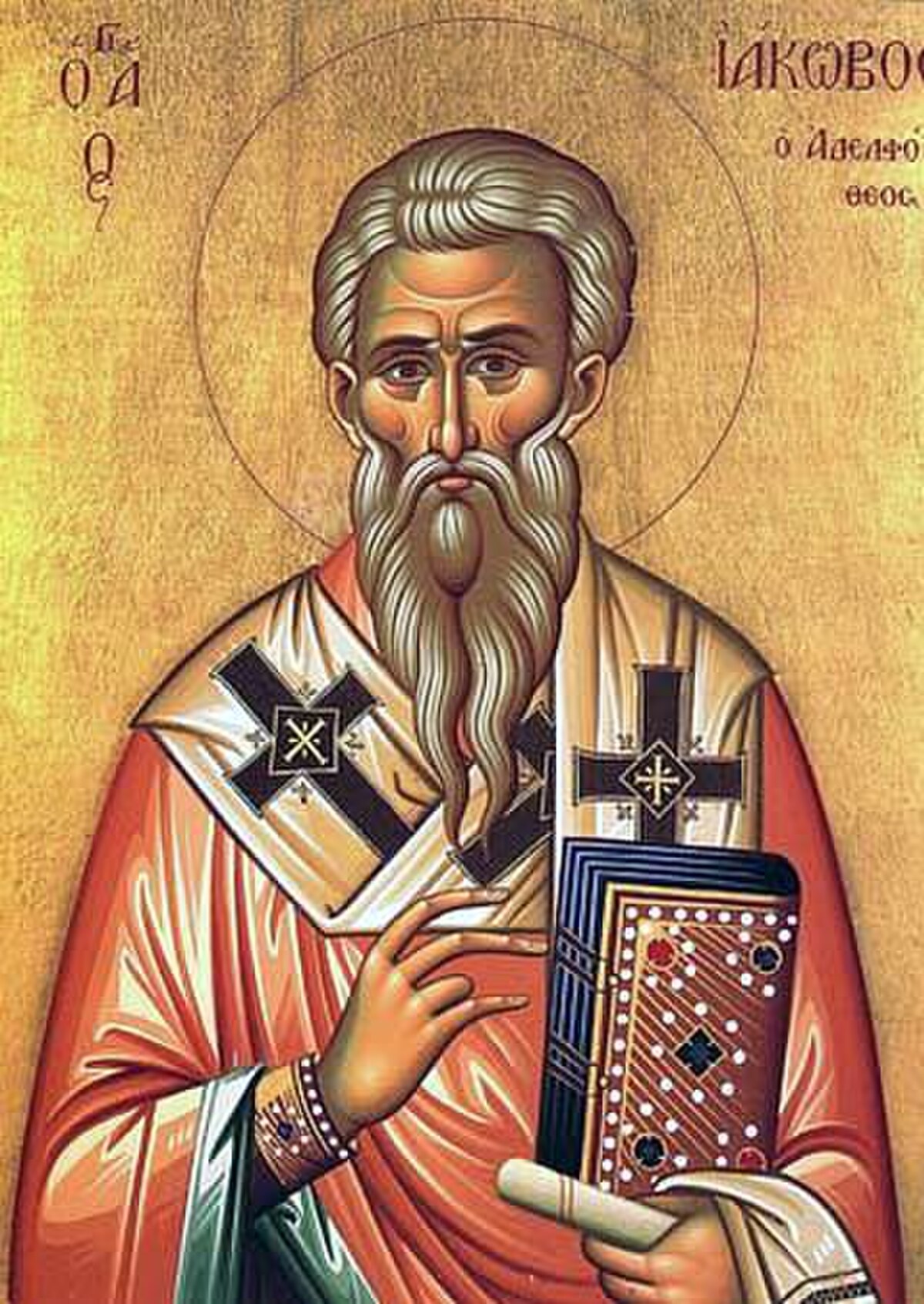
Council of Jerusalem
Council · AD 50Christianity could become a mission to the nations without ceasing to read Israel's scriptures as its own.
Novatian schism in Rome
Schism · AD 251The schism made mercy, discipline, and the church's authority to forgive into public questions.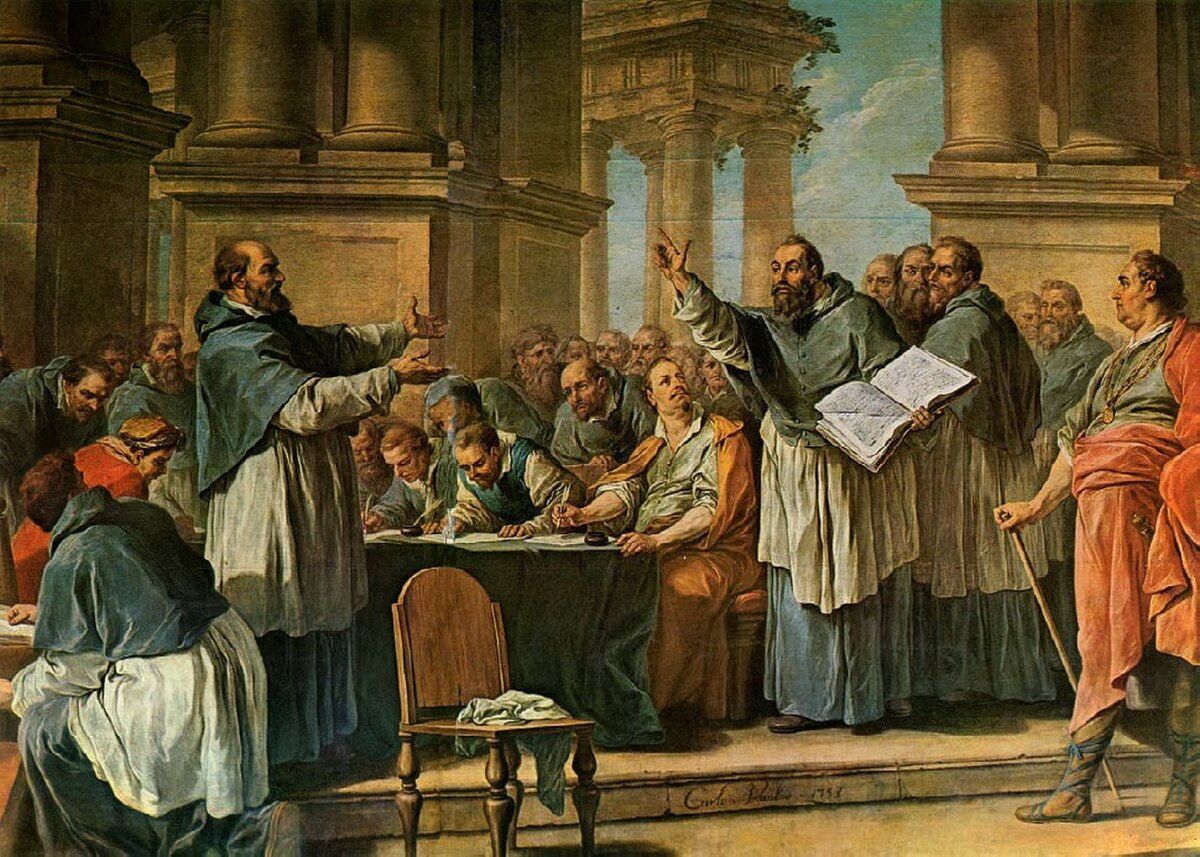
Donatist schism opens in Africa
Schism · AD 311The Donatist dispute shaped later Western teaching on sacraments, church purity, coercion, and unity.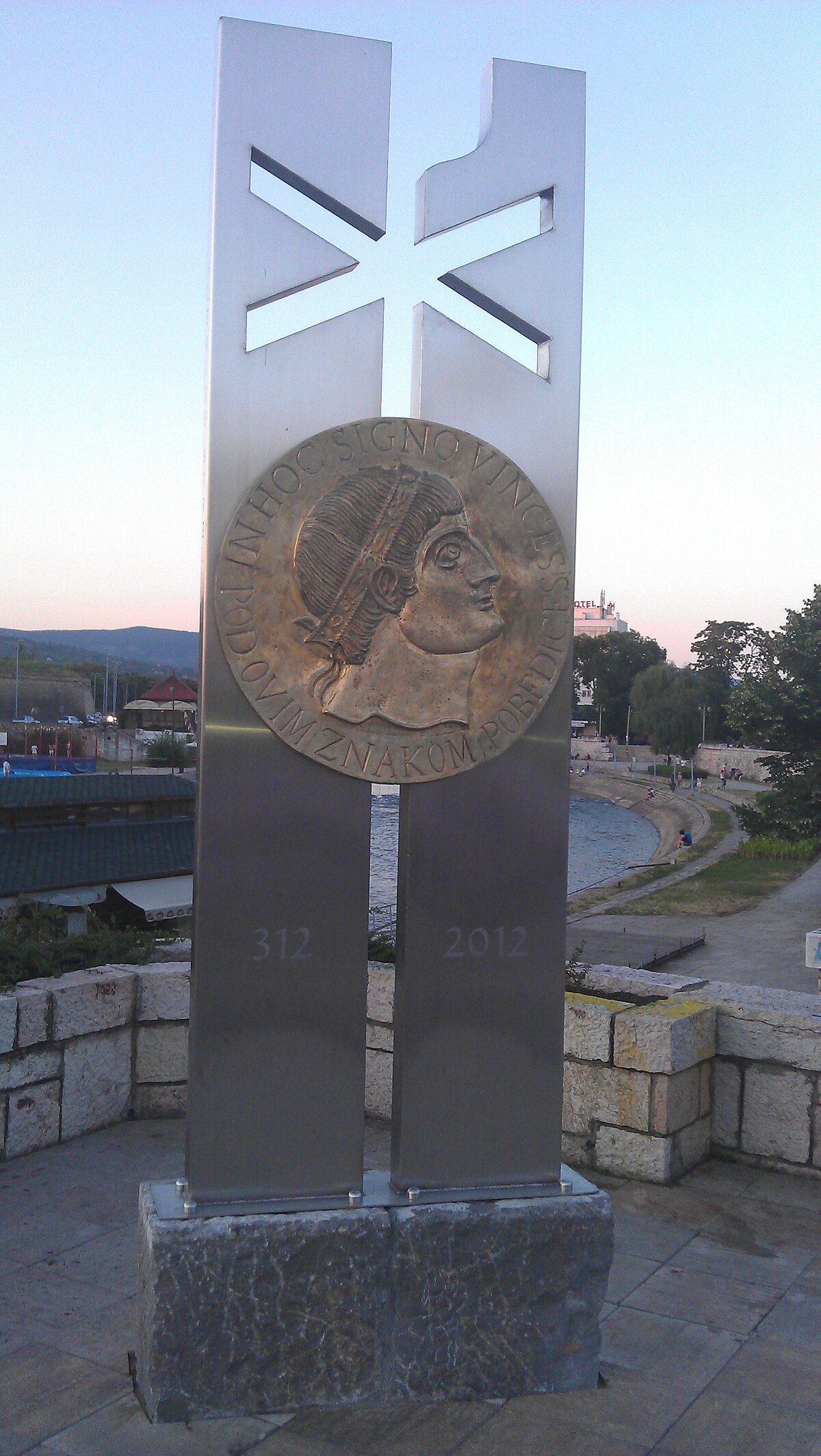
Edict of Milan
Council · AD 313The change made the council age possible, with all its opportunities and dangers.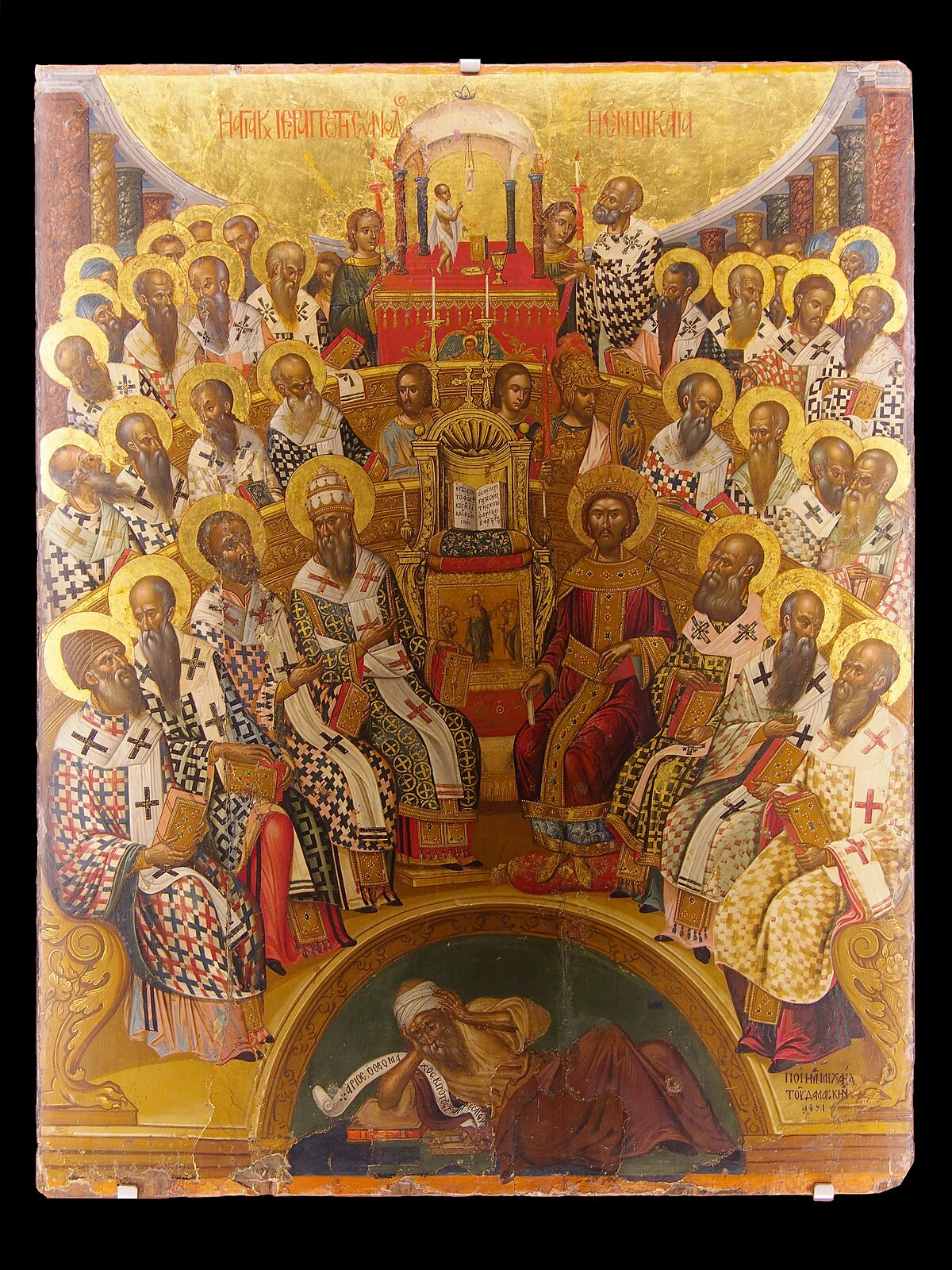
First Council of Nicaea
Council · AD 325If the Son is not truly God, then God himself has not come to save. Nicaea made that line non-negotiable.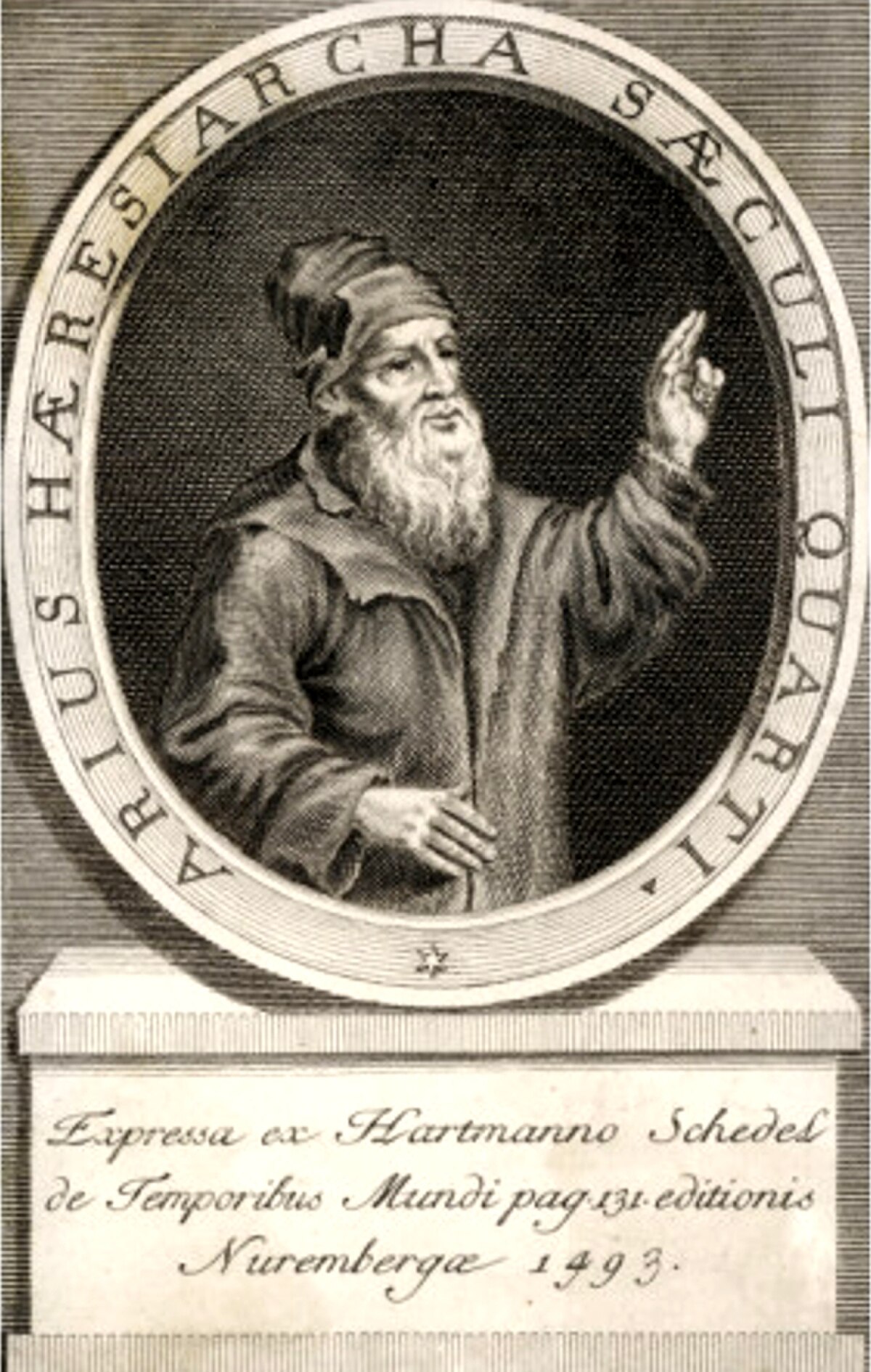
Arius condemned at Nicaea
Condemnation · AD 325The condemnation protected the claim that salvation is God's own act in Christ.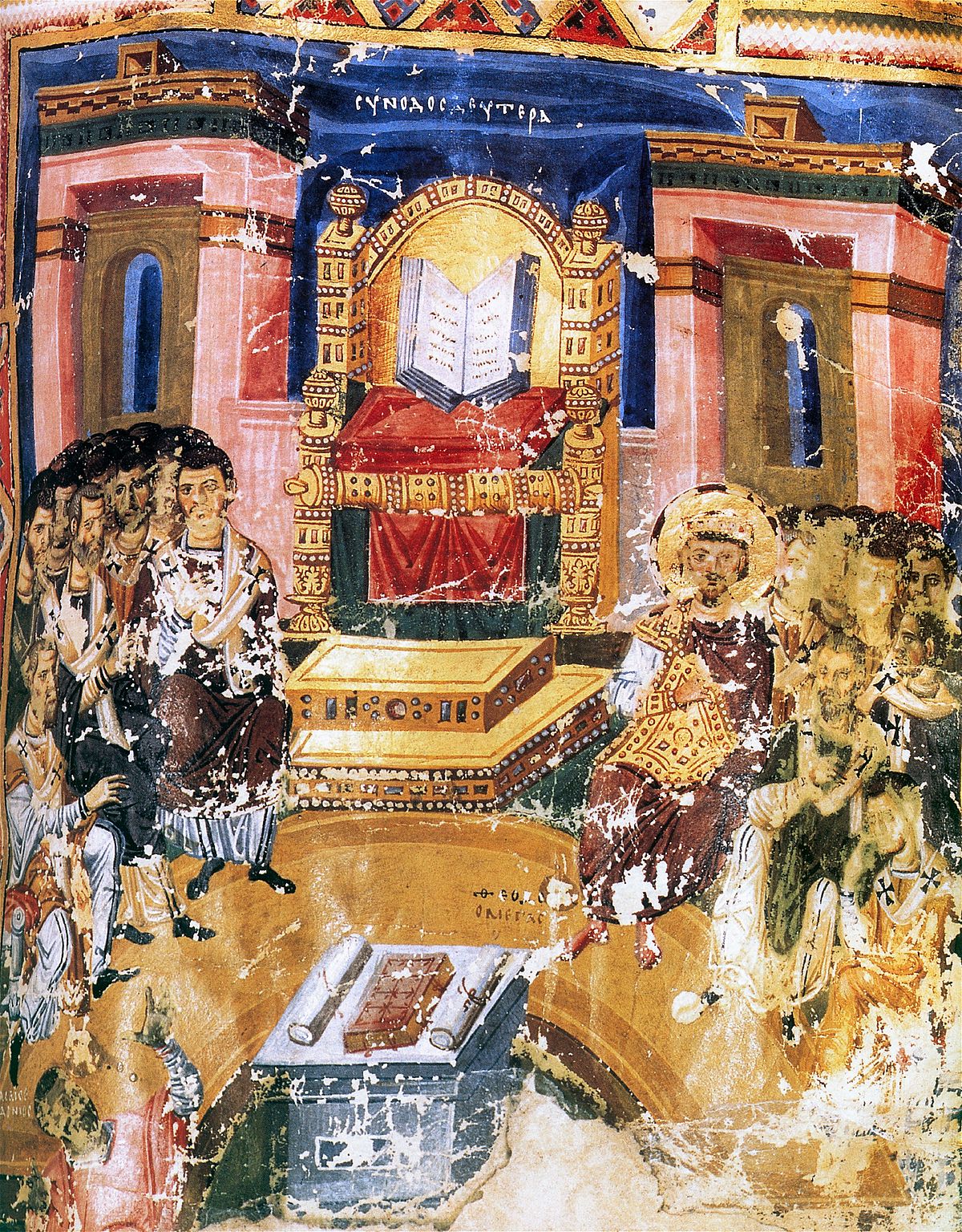
First Council of Constantinople
Council · AD 381Constantinople gave the church stable language for confessing Father, Son, and Holy Spirit as one God.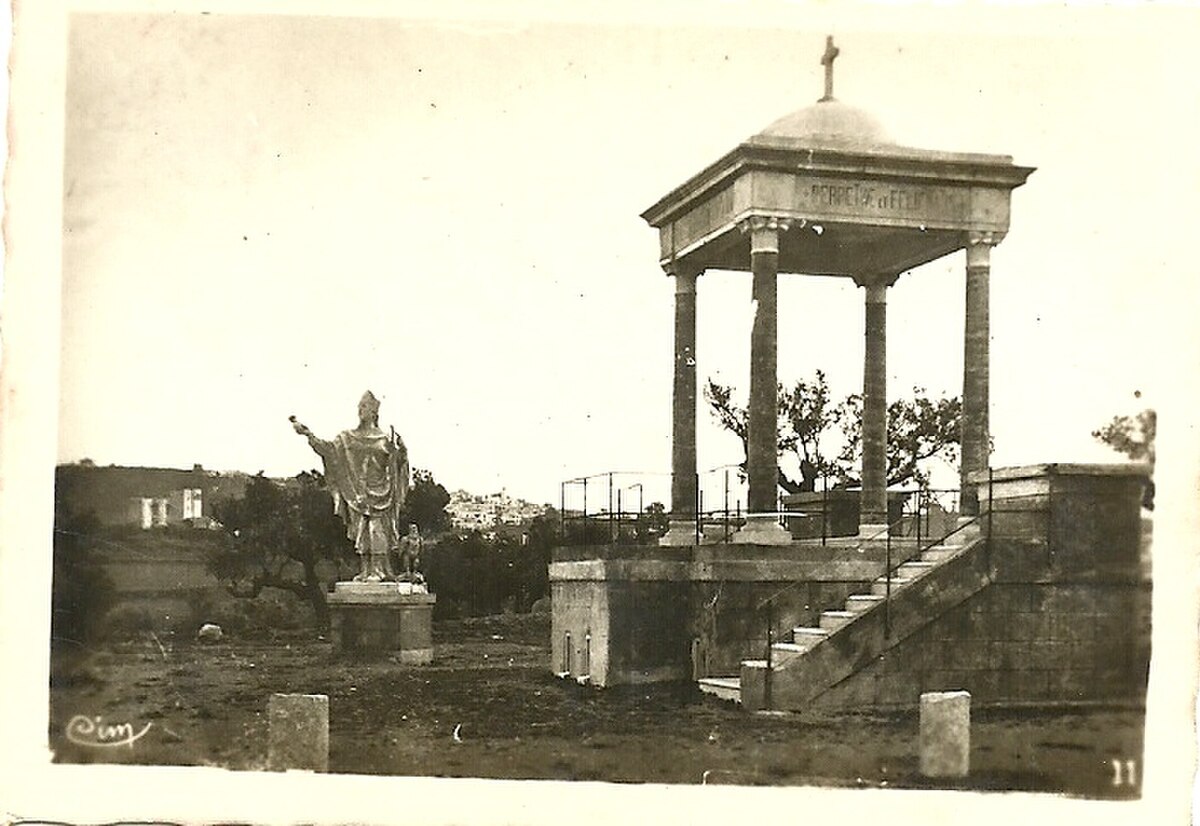
Council of Carthage
Council · AD 397Carthage became one of the major reference points for later Western discussions of the biblical canon.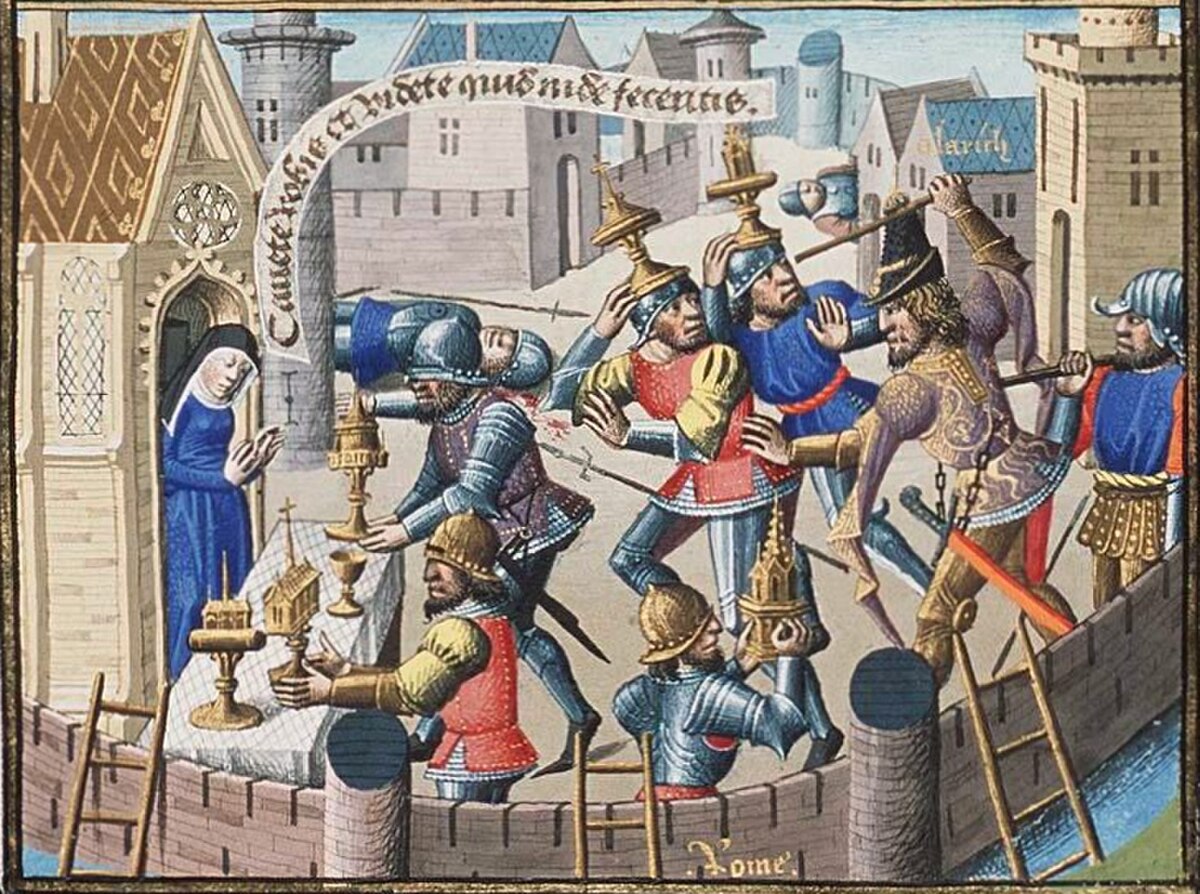
Sack of Rome by Alaric
Schism · AD 410The event pushed Christian theology to explain political collapse without losing hope.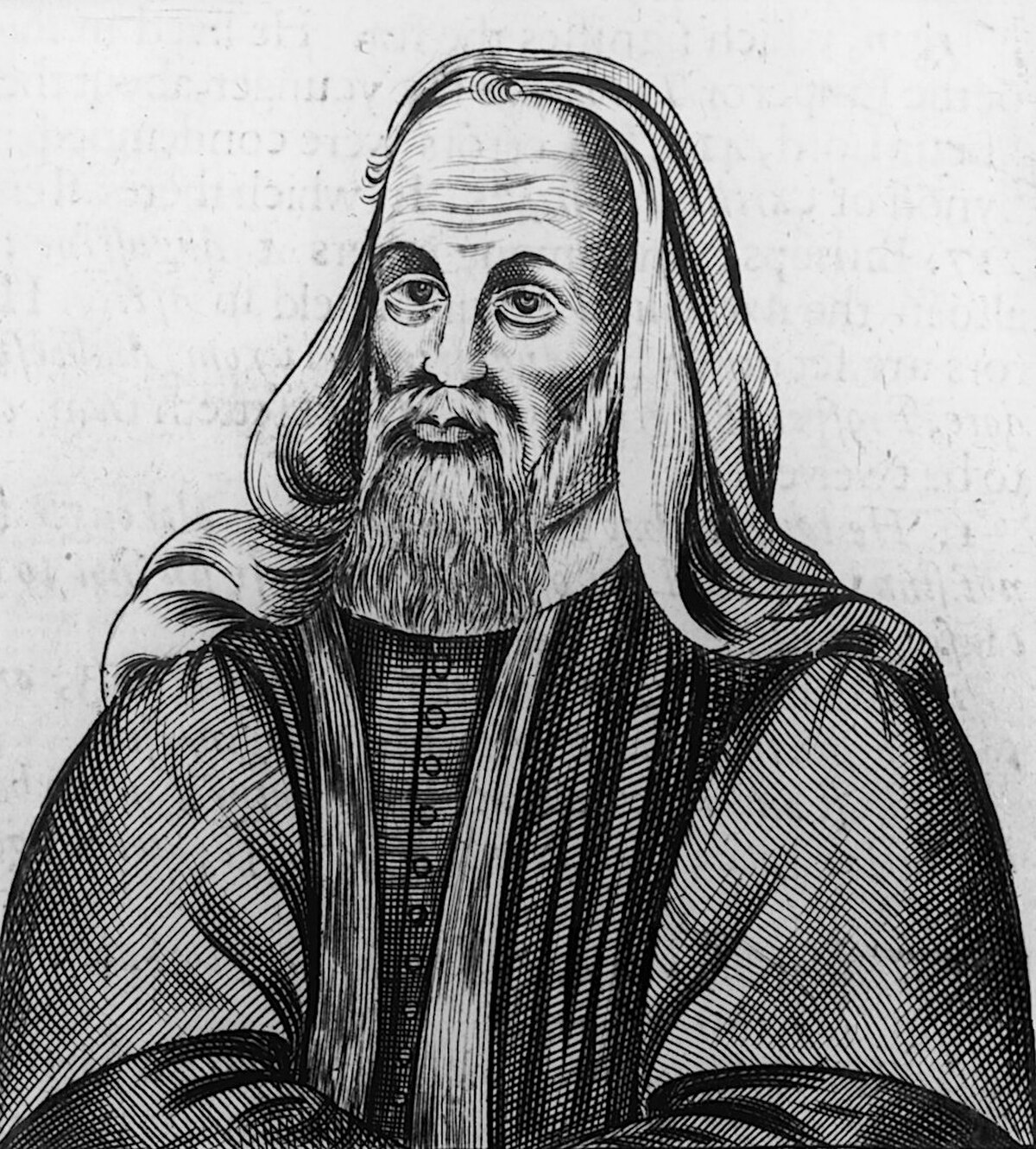
Pelagius condemned at Carthage
Condemnation · AD 418It shaped later debates about sin, freedom, baptism, merit, and salvation.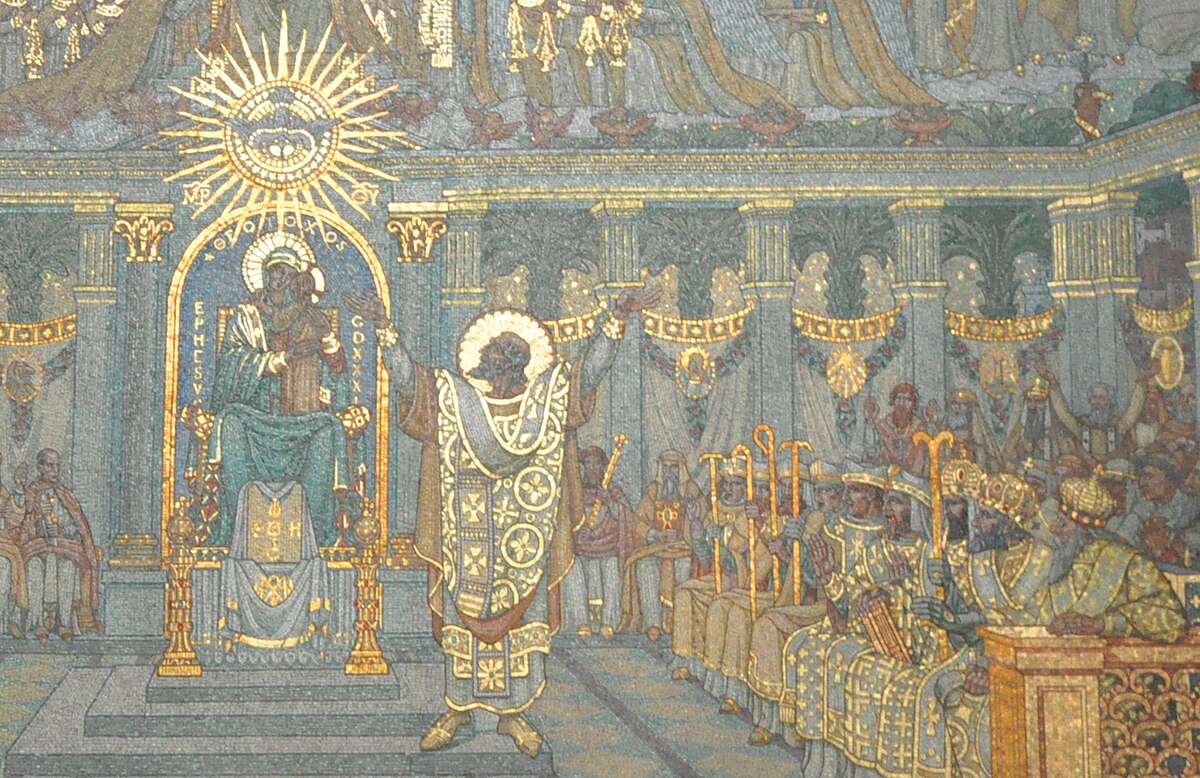
Council of Ephesus
Council · AD 431Ephesus protected the claim that Jesus is one Lord, not a loose partnership between a divine person and a human person.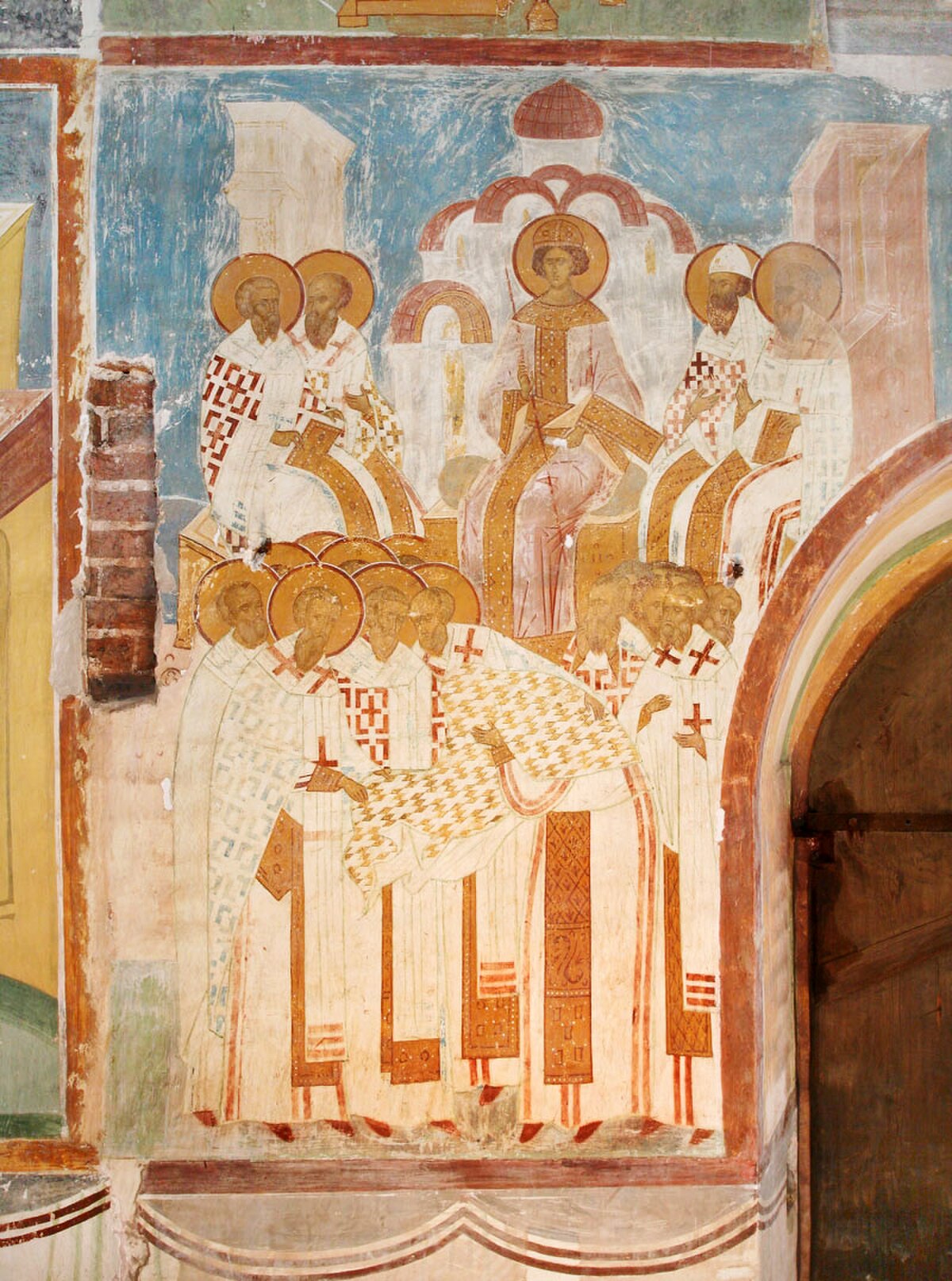
Nestorius condemned at Ephesus
Condemnation · AD 431It made clear that Marian language was serving Christology, not replacing it.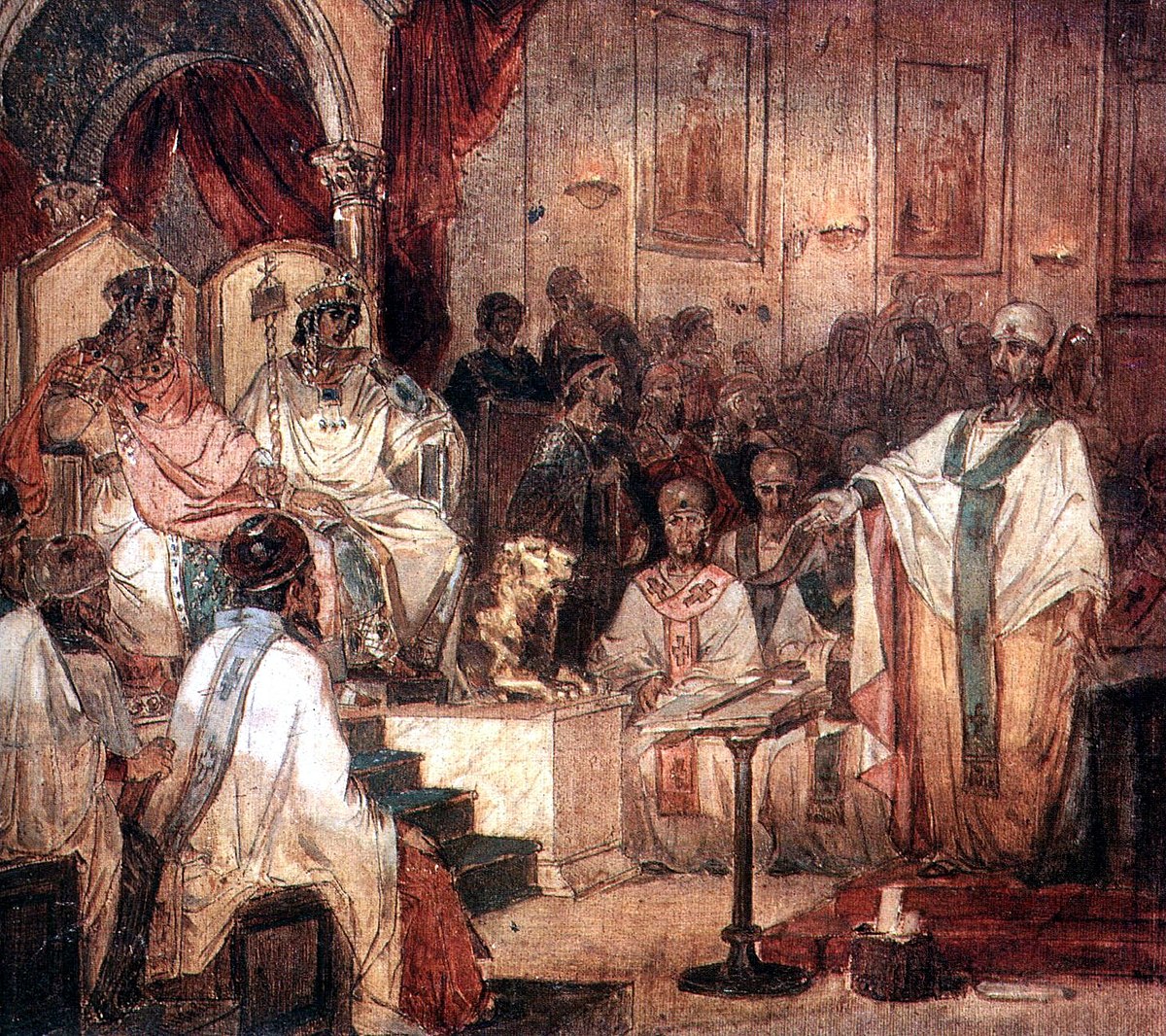
Council of Chalcedon
Council · AD 451Chalcedon became the main guardrail for saying that Jesus is fully God, fully human, and one Lord.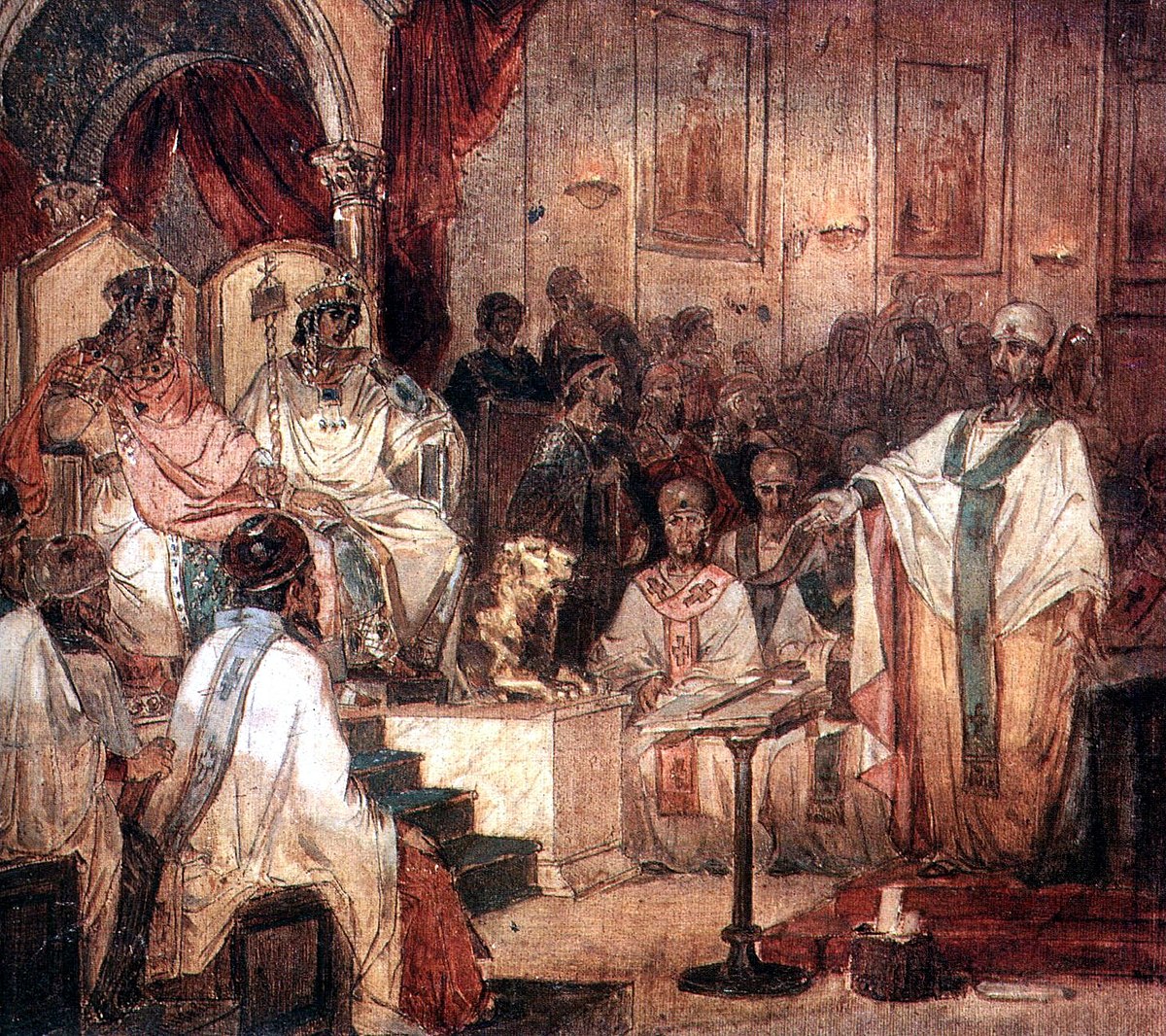
Eutyches condemned at Chalcedon
Condemnation · AD 451A Saviour without real humanity cannot heal real human nature.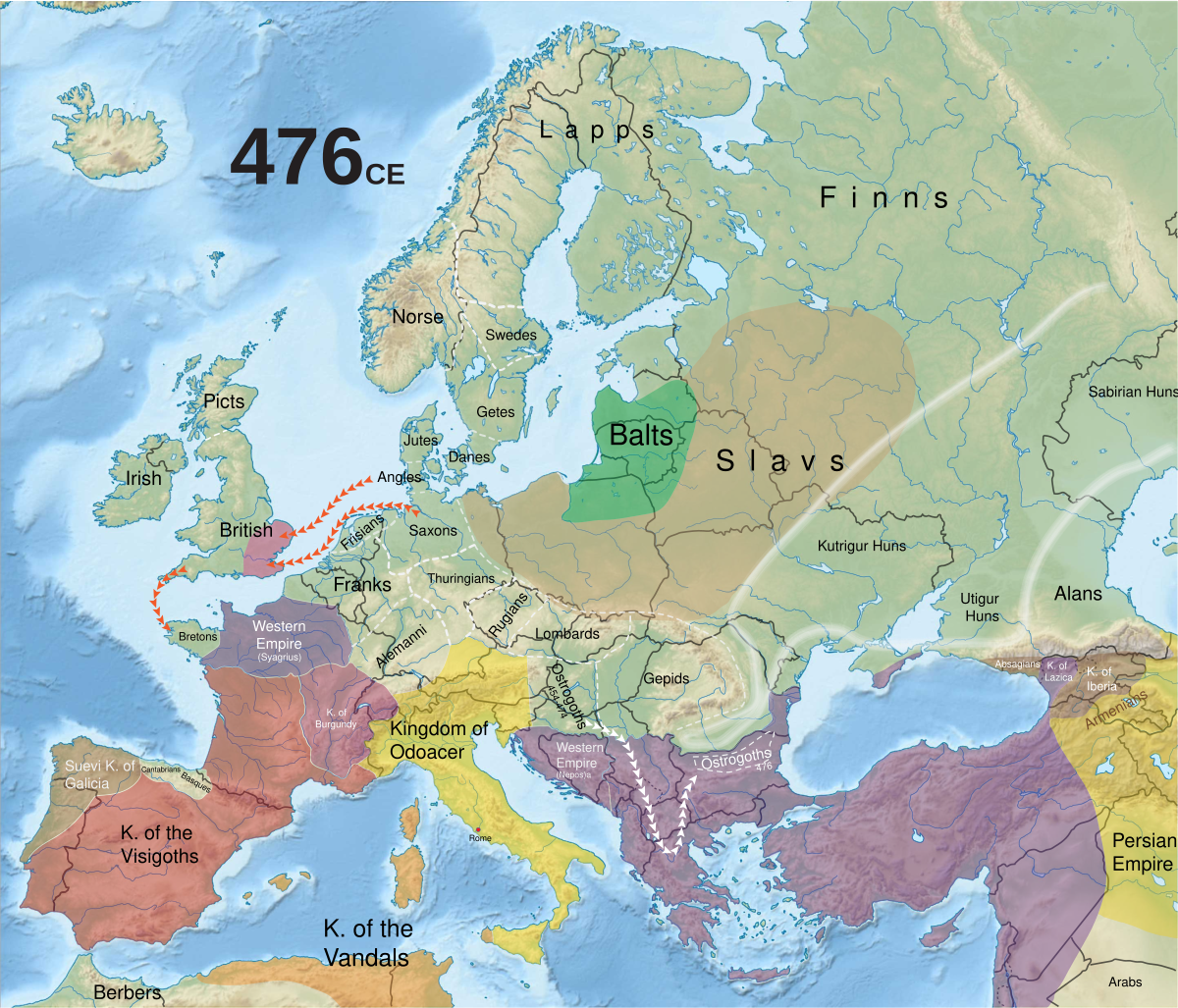
Acacian Schism begins
Schism · AD 484It shows a recurring Christian dilemma: can a carefully vague formula heal a division, or does clarity about the faith matter more than a quick political peace?
Second Council of Orange
Council · AD 529It gave the West a durable anti-Pelagian account of grace without making all later Augustinian conclusions mandatory.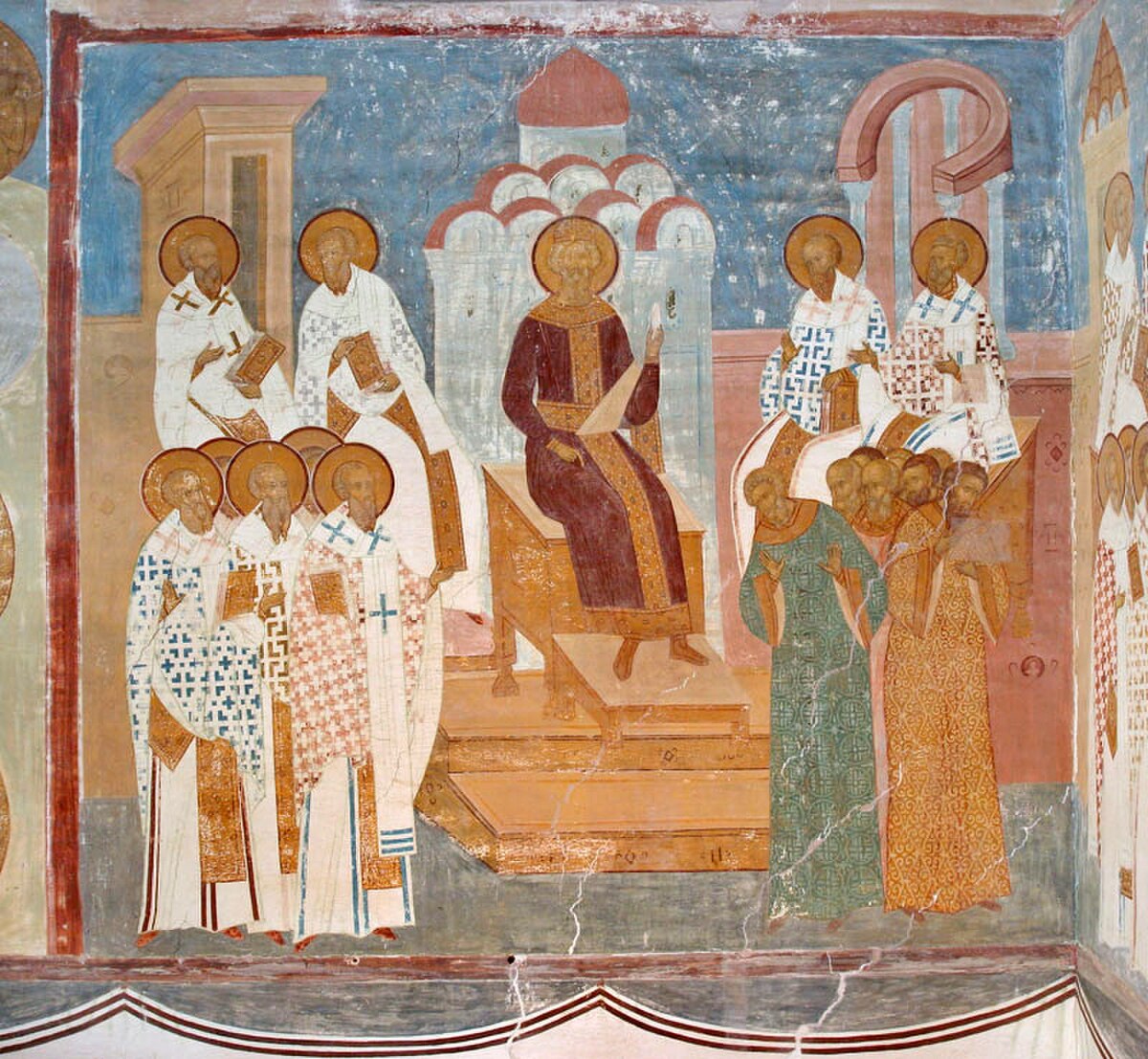
Second Council of Constantinople
Council · AD 553It shows the cost of trying to heal doctrinal division by imperial pressure and retrospective condemnation.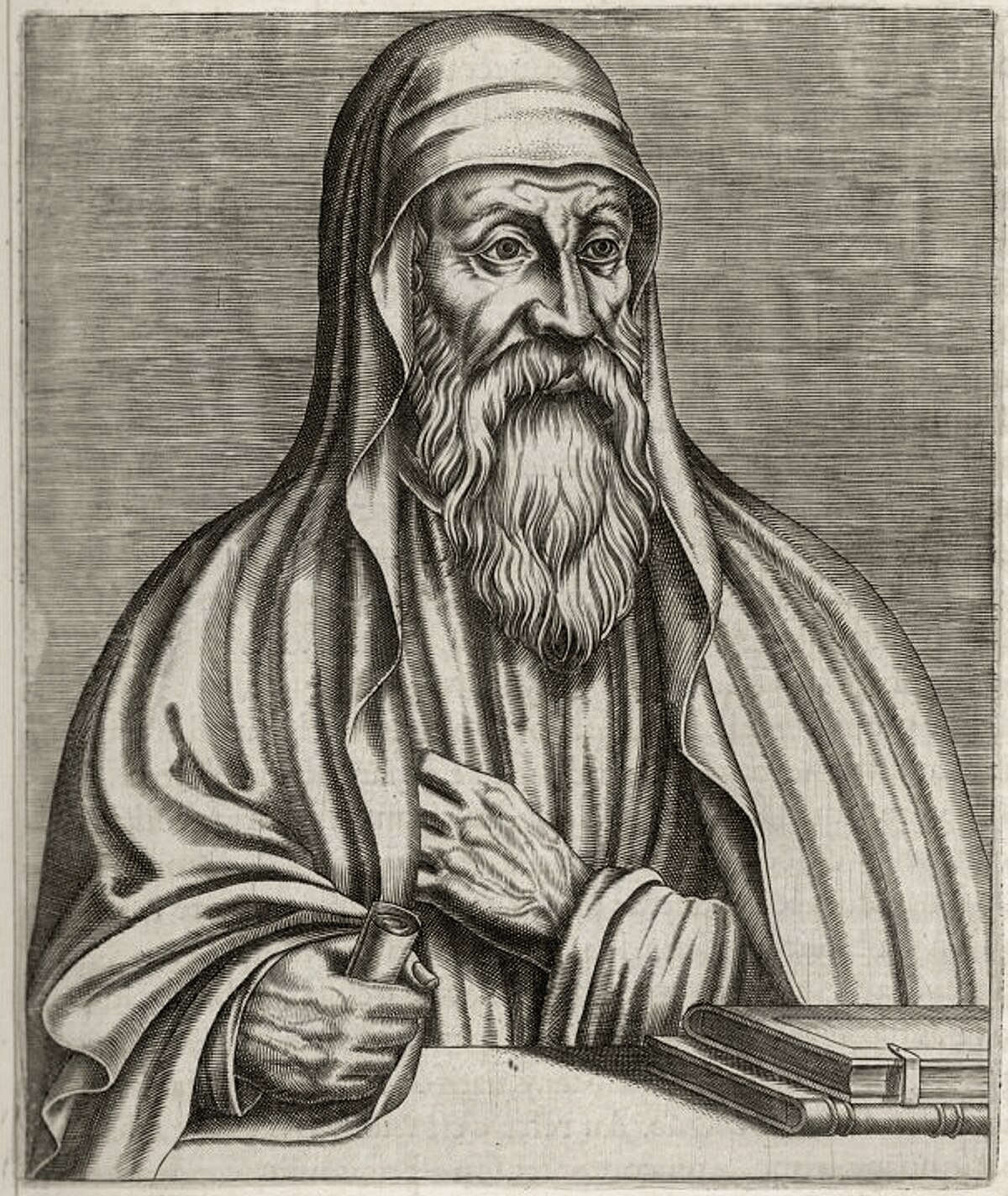
Origen condemned at Constantinople II
Condemnation · AD 553The episode shows the difference between receiving a theologian's brilliance and receiving all of his speculative conclusions.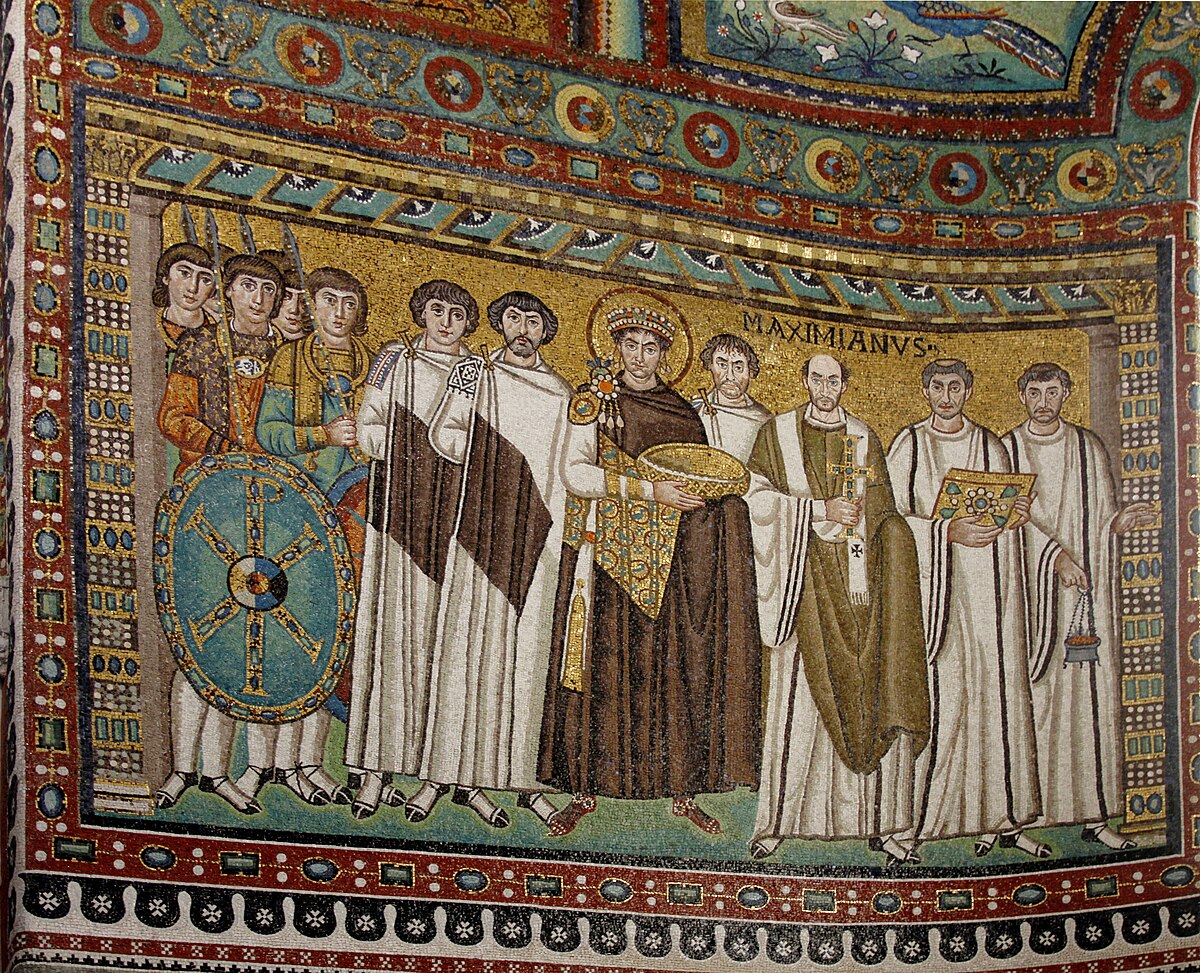
Three Chapters controversy
Schism · AD 553The controversy shows that posthumous condemnations could destabilize communion as much as clarify doctrine.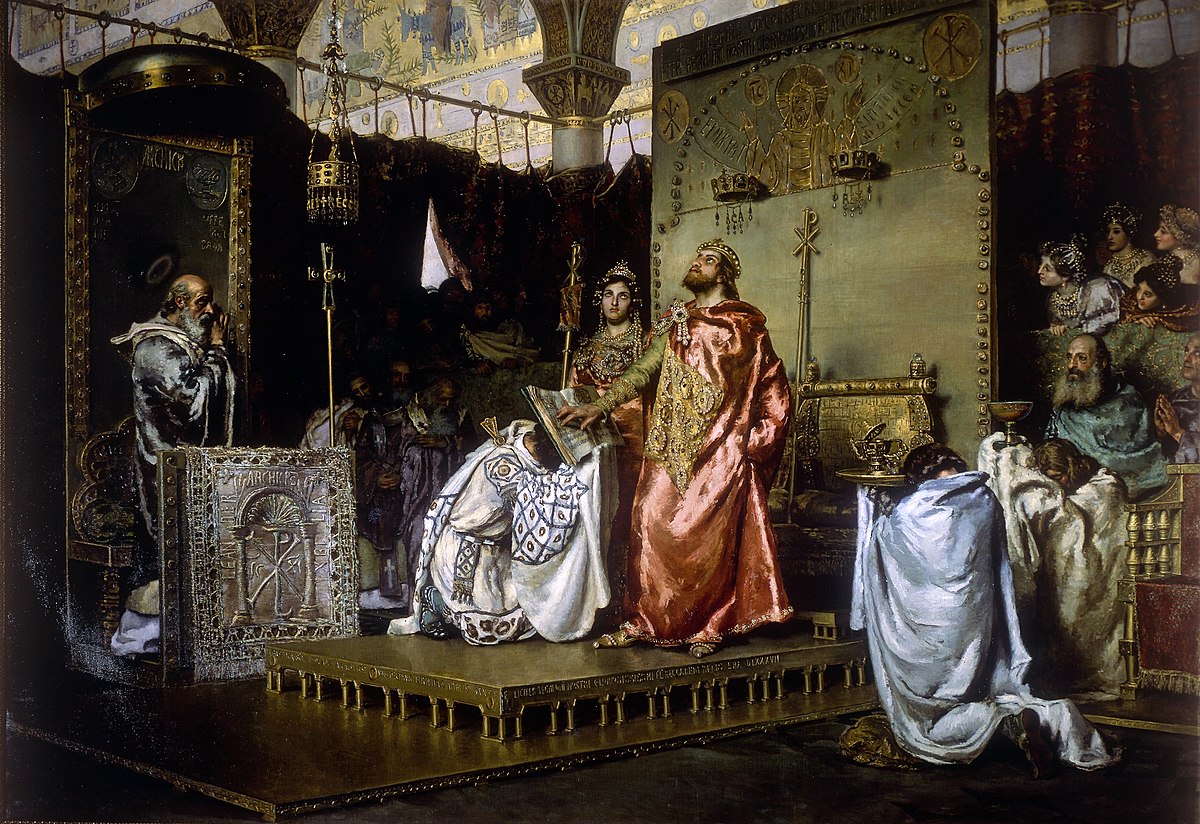
Third Council of Toledo
Council · AD 589Toledo shows that Arianism still mattered in the West long after Constantinople I.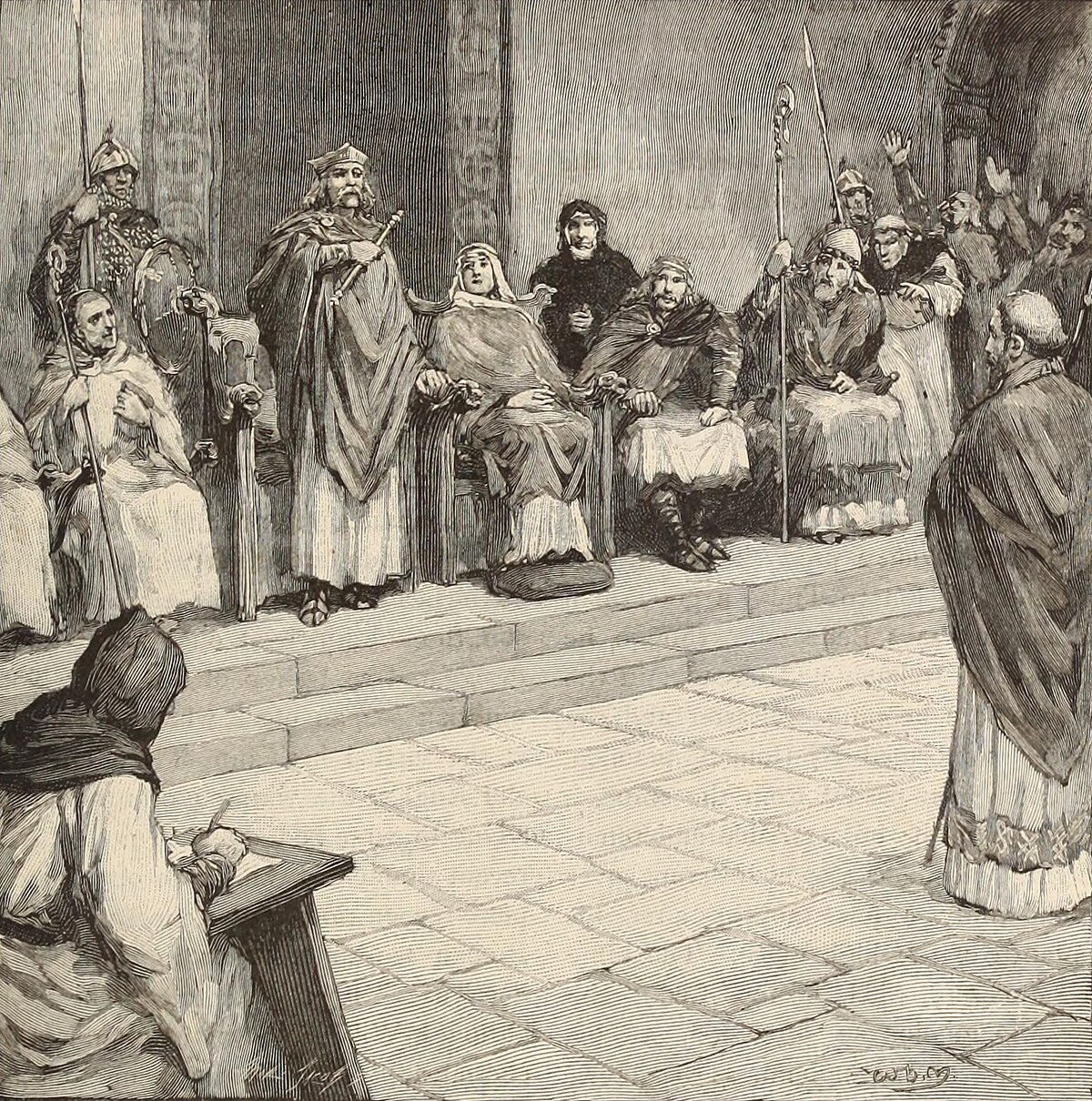
Synod of Whitby
Council · AD 664Whitby aligned Northumbria more closely with the Roman and continental church.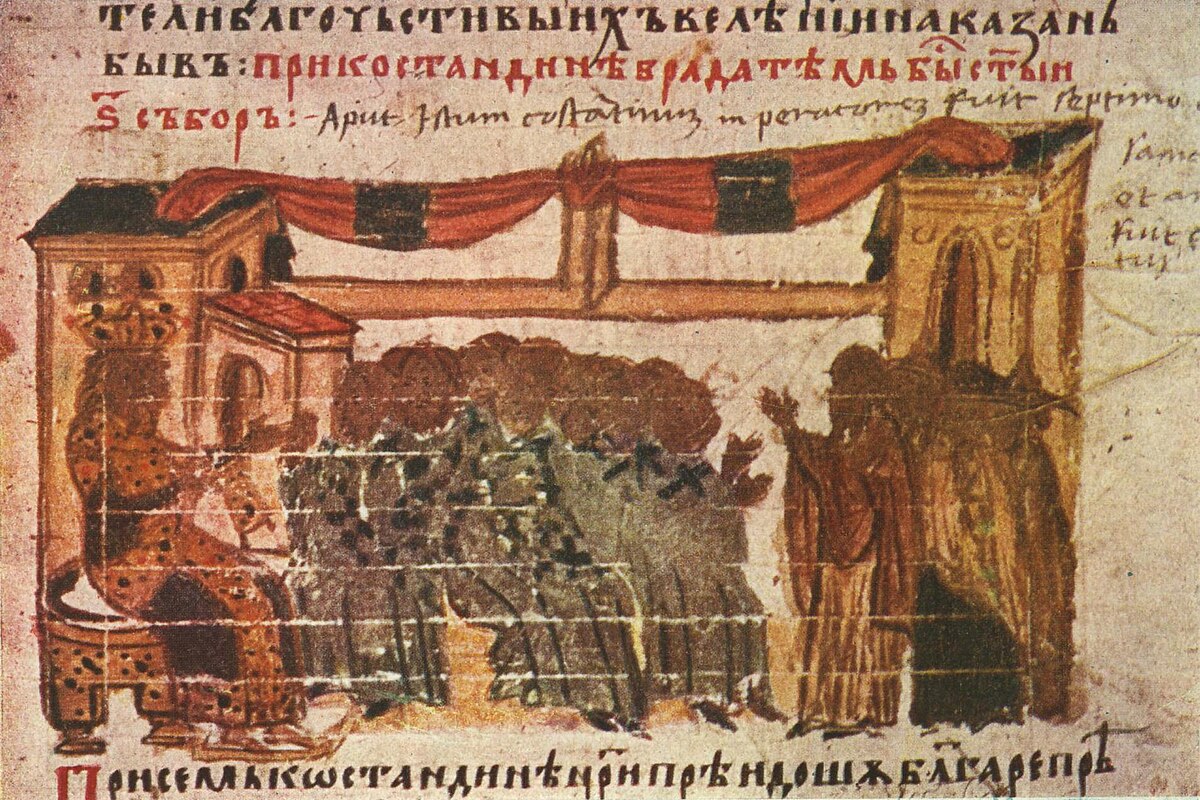
Third Council of Constantinople
Council · AD 680It completed Chalcedonian logic: what Christ does not assume, he does not heal.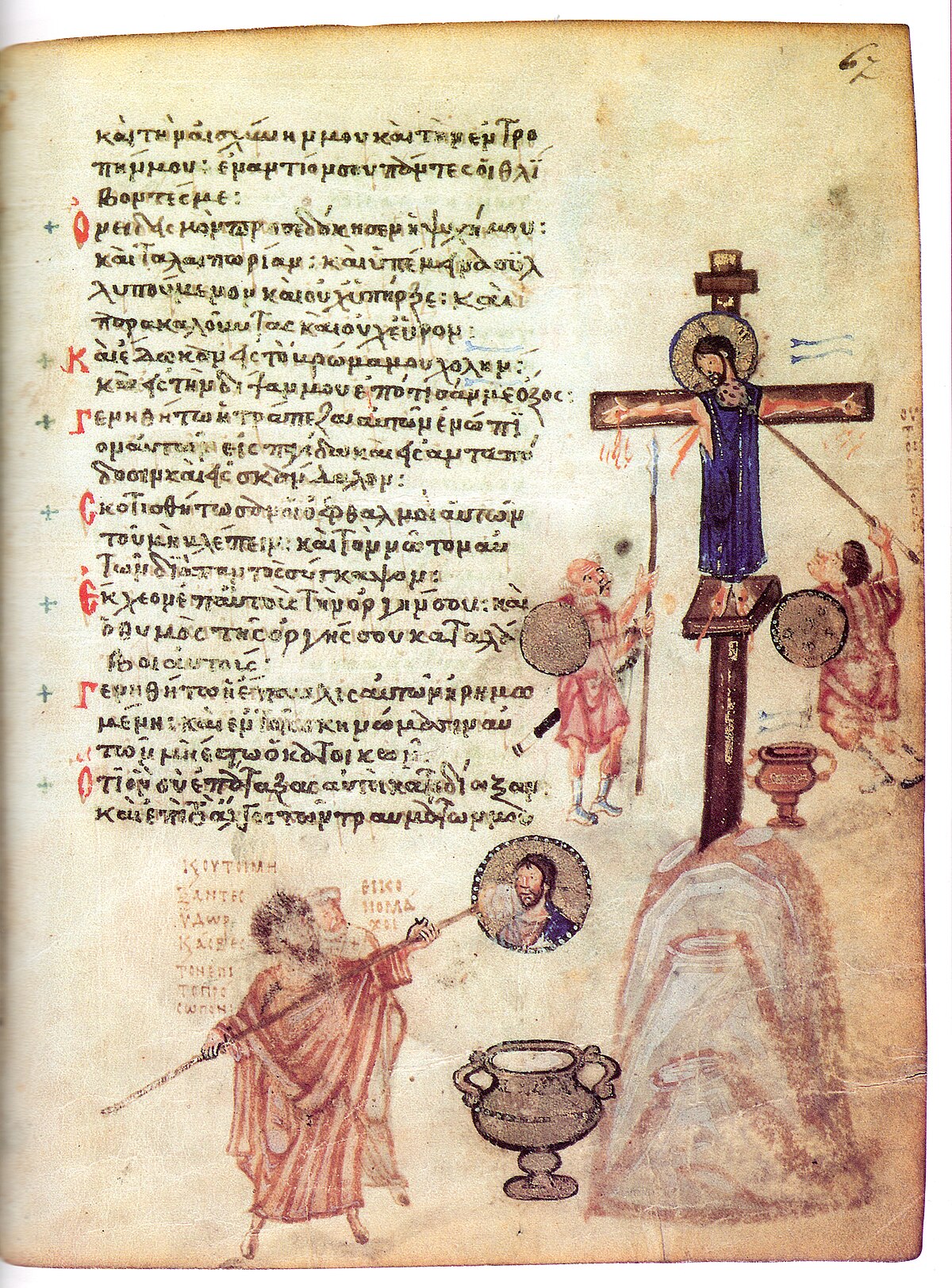
Iconoclasm imposed in the East
Schism · AD 730The icon debate made the incarnation's claim on matter impossible to avoid.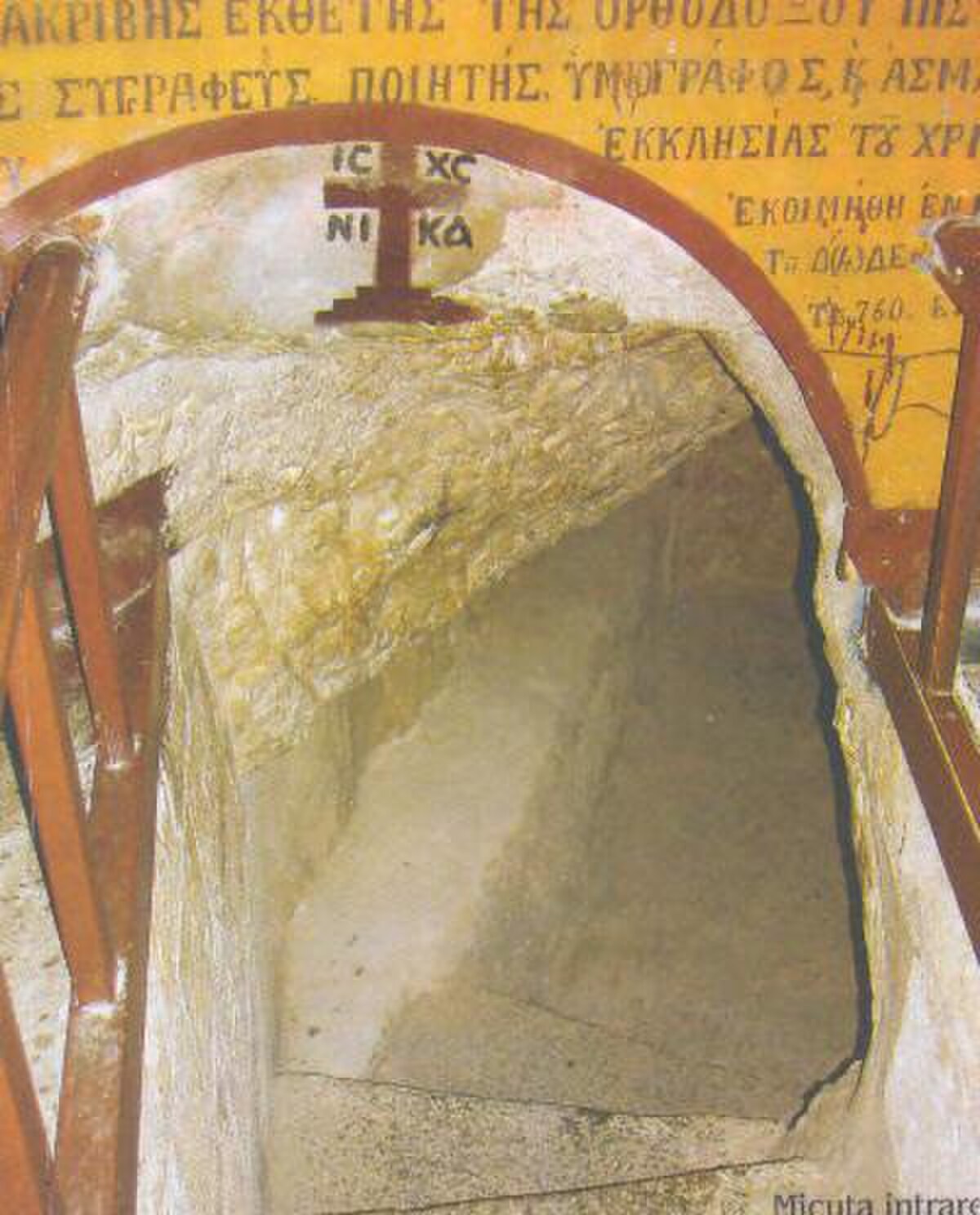
Death of John of Damascus - patristic age closes
Council · AD 749John's work became a bridge: summary of the Greek Fathers behind him, source for later theologians after him.