Schism · 730 · 17 January
Iconoclasm imposed in the East
Emperor Leo III ordered religious images destroyed because he feared that Christians were treating them as idols. His opponents, especially John of Damascus, said that images of Jesus could be honoured without being worshipped. Their argument turned on the incarnation: if God truly became visible in Jesus, then an image can point to him. The fight over icons divided Christian communities for decades before Nicaea II restored their use.
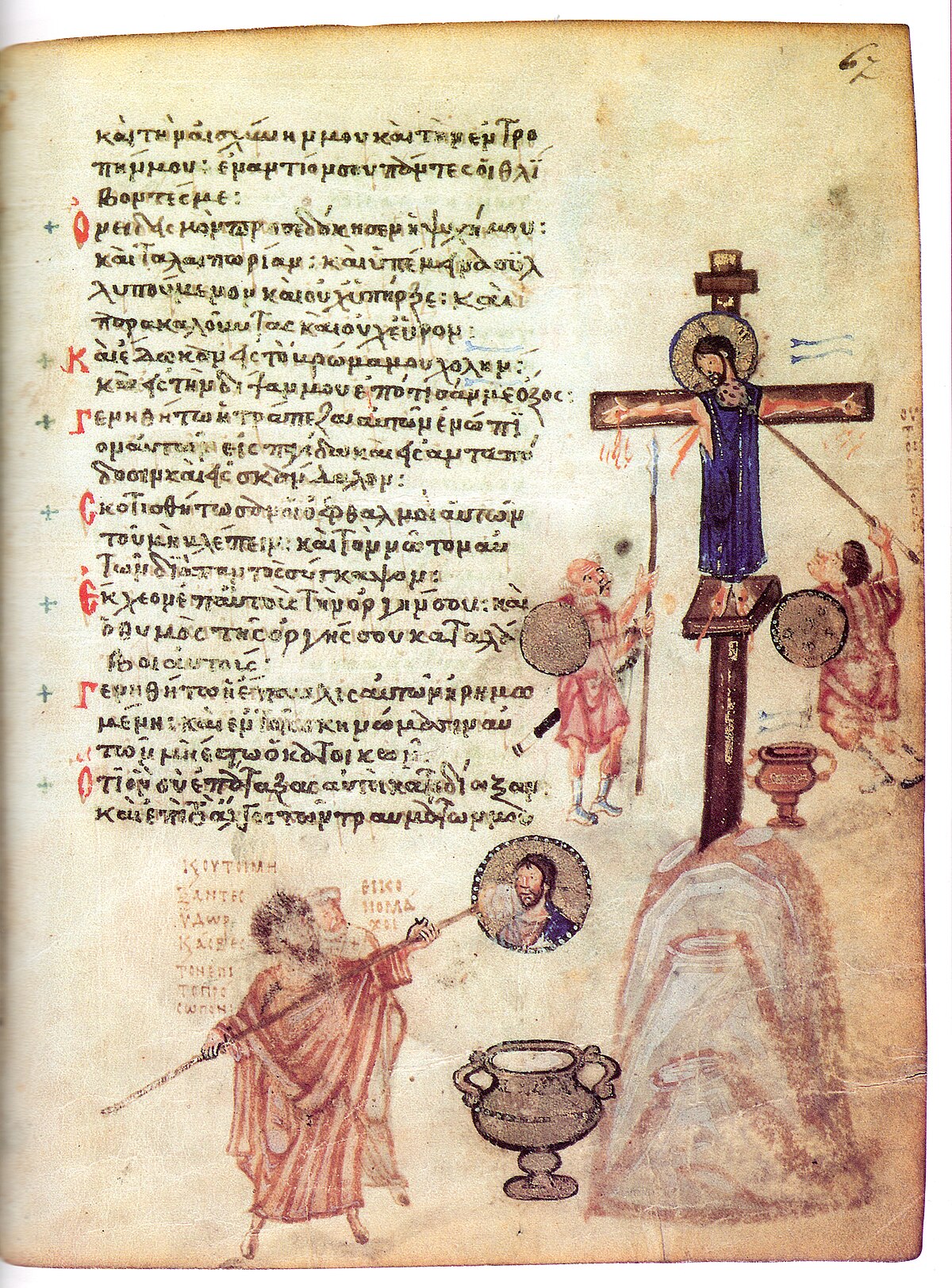
At a glance
- Type
- Schism
- Date remembered
- 17 January, AD 730
- What kind of event is this?
- A break in communion where an unresolved argument became a visible division.
- Key line
- Because Christ became visible, images can witness to him.
Highlights
- Leo III ordered icon destruction.
- John of Damascus defended images.
- East and West clashed.
- Nicaea II later restored icon veneration.
How it happened
What happened
Leo III imposed iconoclast policy in the Byzantine East.
The argument
Were icons violations of worship, or witnesses to the Word made visible in flesh?
What changed
Images became a public test of imperial authority, worship, and Christology.
Why it matters
The icon debate made the incarnation's claim on matter impossible to avoid.
Aftermath
Nicaea II restored icons in 787, though the controversy returned before final restoration in 843.
People in the story
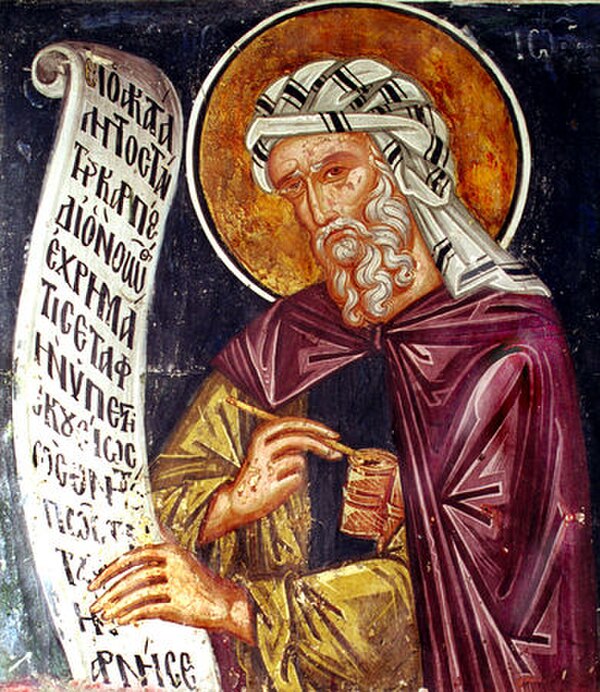
Recommended reading
Primary texts from figures tied to this event.
John of Damascus
An Exact Exposition of the Orthodox Faith · 743
Third book of the Fount of Knowledge — the great systematic theology of the Christian East.
John of Damascus
Three Treatises on the Divine Images · 730
Defense of icons during iconoclasm — set Eastern Christian aesthetics for a millennium.