Council · 787 · 24 September
Second Council of Nicaea
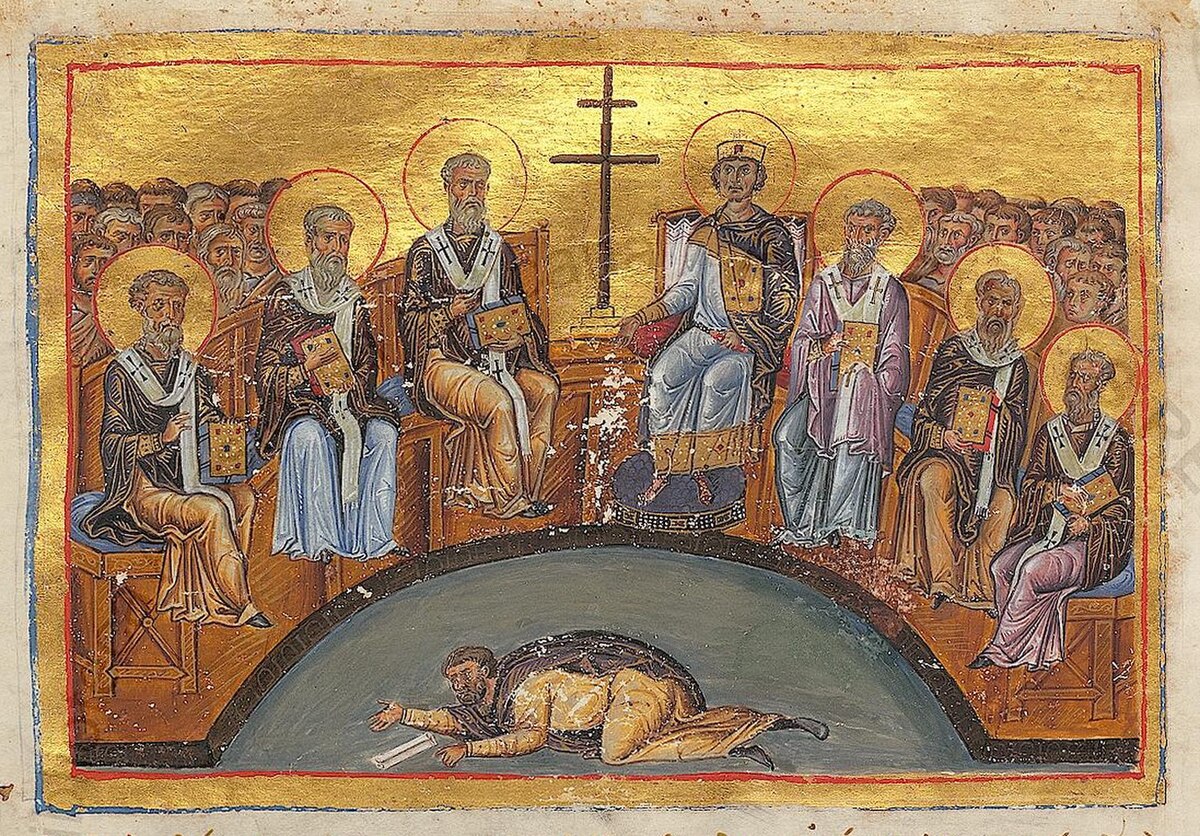
Should Christians use images of Jesus and the saints in worship, or are they idols? Emperors had ordered icons destroyed, while their defenders said an image can point beyond itself to the person it depicts. Nicaea II defended the use of holy images while making an important distinction: Christians may honour an icon, but worship belongs to God alone. Its reasoning was simple: because God truly became visible in Jesus, images can bear witness to him.
At a glance
- Type
- Council
- Date remembered
- 24 September, AD 787
- What kind of event is this?
- A council or settlement that changed the church's public teaching, discipline, or historical direction.
- Key line
- An image may be honoured, but worship belongs to God alone.
Highlights
- Icons were restored.
- Honouring an image was distinguished from worshipping God.
- John of Damascus's arguments were vindicated.
- It became the last council accepted by both East and West.
How it happened
What happened
The council restored the veneration of icons after decades of iconoclast policy in the Byzantine empire.
The argument
Are icons idolatry, or can images of Christ and the saints be venerated without worshipping matter?
What changed
The council distinguished veneration from worship and defended images on incarnational grounds.
Why it matters
If God truly became visible in Christ, the material world can bear witness to God without becoming an idol.
Aftermath
Iconoclasm returned for a time, but Nicaea II became the decisive council for icon veneration.
People in the story
Recommended reading
Primary texts from figures tied to this event.
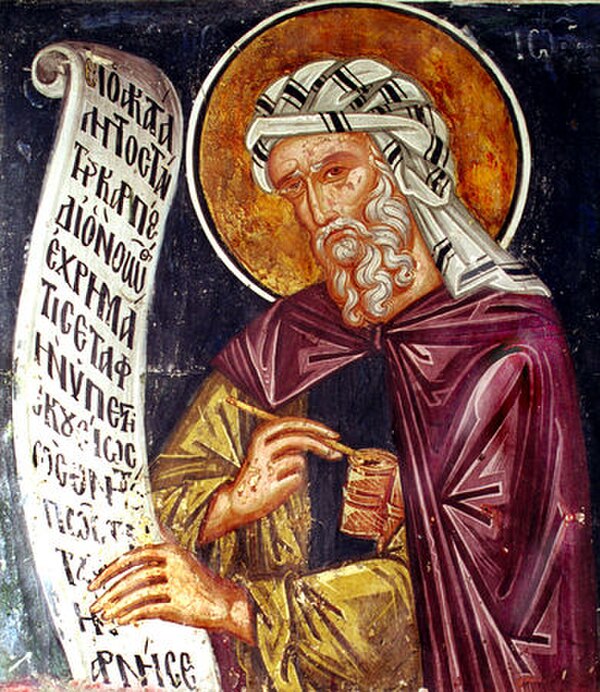
John of Damascus
An Exact Exposition of the Orthodox Faith · 743
Third book of the Fount of Knowledge — the great systematic theology of the Christian East.
John of Damascus
Three Treatises on the Divine Images · 730
Defense of icons during iconoclasm — set Eastern Christian aesthetics for a millennium.