Council · 529 · 3 July
Second Council of Orange
Can a person take the first step toward God by sheer willpower, or does God meet us first with grace? This was the question behind a long Western argument after Augustine. Orange answered that even our first desire to turn to God is enabled by grace. It did not try to settle every later debate about predestination. Its lasting pastoral point is clearer: salvation begins with God's mercy, not with self-improvement.
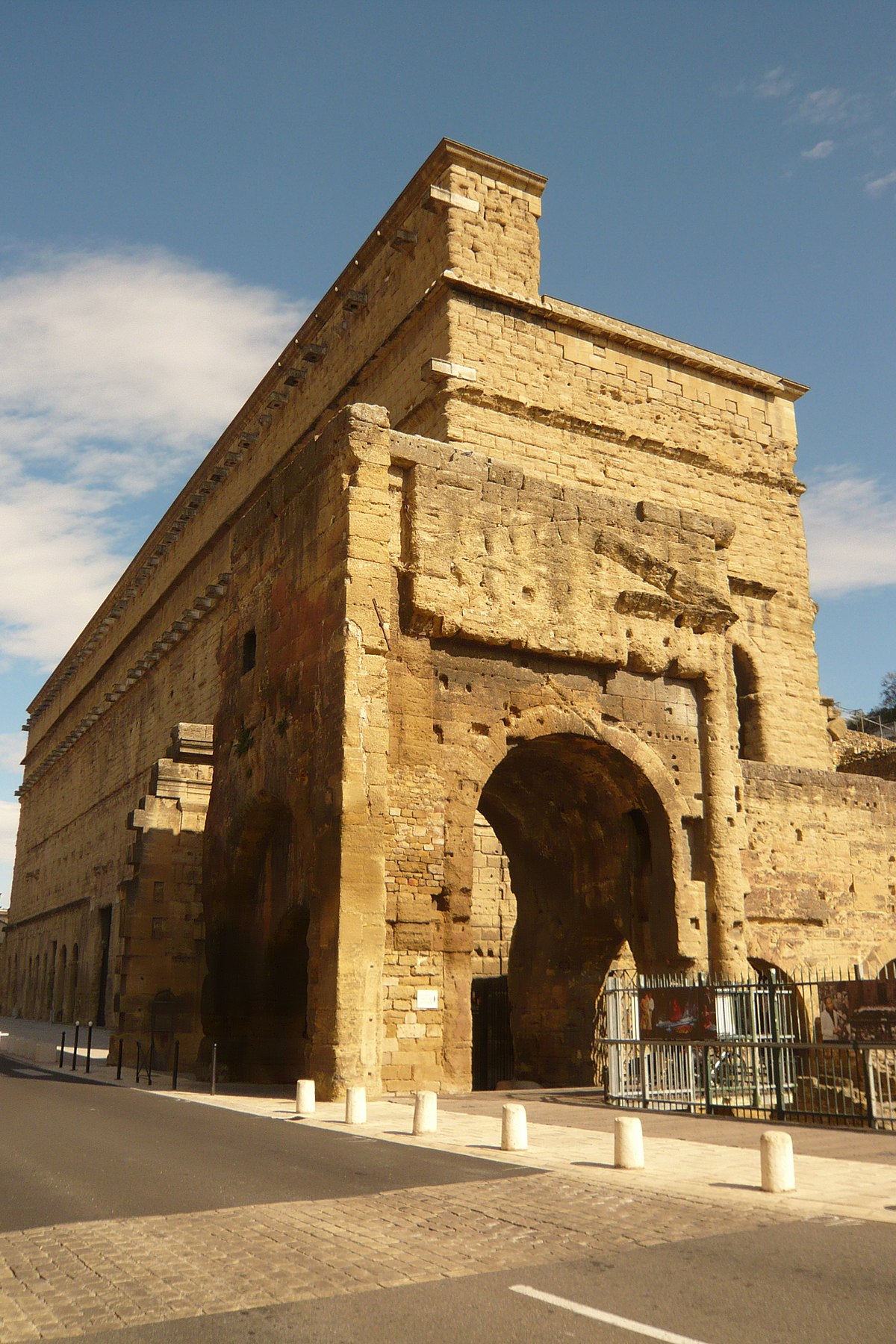
At a glance
- Type
- Council
- Date remembered
- 3 July, AD 529
- What kind of event is this?
- A council or settlement that changed the church's public teaching, discipline, or historical direction.
- Key line
- Faith itself begins as gift.
Highlights
- The idea that people begin salvation unaided was rejected.
- Grace was placed before human initiative.
- Augustine's influence was preserved.
- The council did not settle every question about predestination.
How it happened
What happened
A regional council in Gaul addressed the legacy of Augustine's arguments about grace and free will.
The argument
Does the first step toward faith arise from unaided human initiative, or from prevenient grace?
What changed
Orange affirmed that grace comes first, including the desire to believe.
Why it matters
It gave the West a durable anti-Pelagian account of grace without making all later Augustinian conclusions mandatory.
Aftermath
Orange became a key reference point for Catholic and Protestant debates about grace.
People in the story
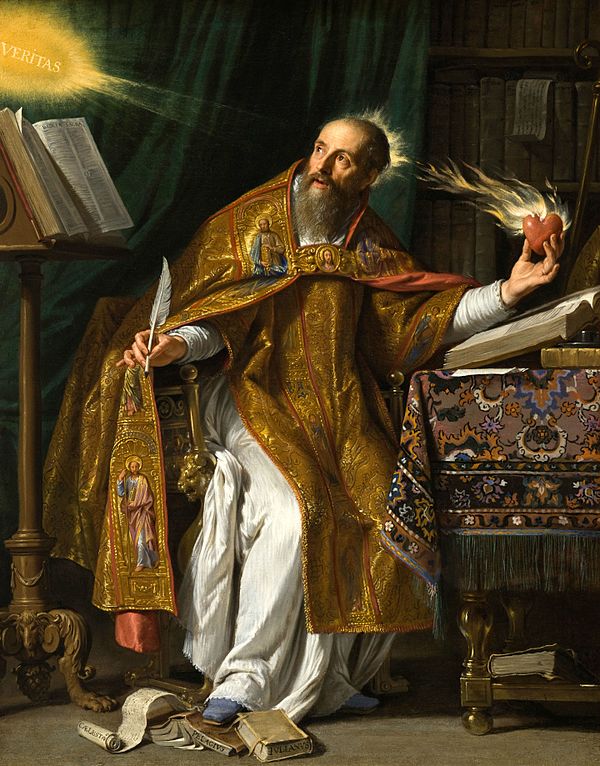 Augustine of Hippo354 – 430Bishop of Hippo and the most influential Latin Father. Author of Confessions, City of God, On the Trinity, and the anti-Pelagian works.
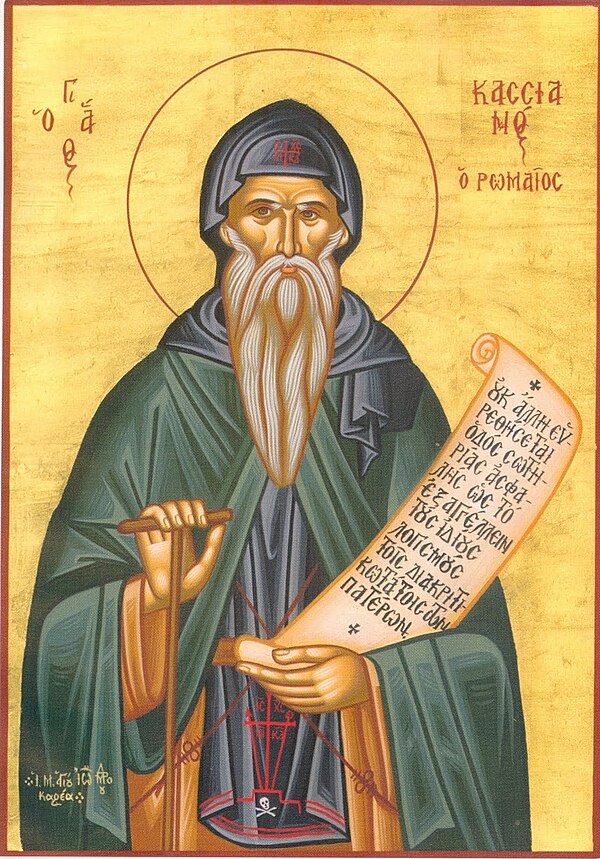 John Cassianc. 360 – c. 435Brought Egyptian monastic spirituality to the Latin West. Author of the Institutes and Conferences; founded monasteries at Marseilles.
Recommended reading
Primary texts from figures tied to this event.
Augustine of Hippo
Confessions · 400
Spiritual autobiography in thirteen books — the founding text of introspective Christian writing.
Augustine of Hippo
City of God · 426
Twenty-two books defending Christianity after the sack of Rome and articulating the two-cities theology of history.
John Cassian
Conferences · 425
Twenty-four conferences with Egyptian desert masters — Benedict required them in the Rule.
John Cassian
Institutes · 425
Twelve books on monastic life and the eight principal vices — bridge between Egypt and Western monasticism.