Condemnation · 431 · 22 June
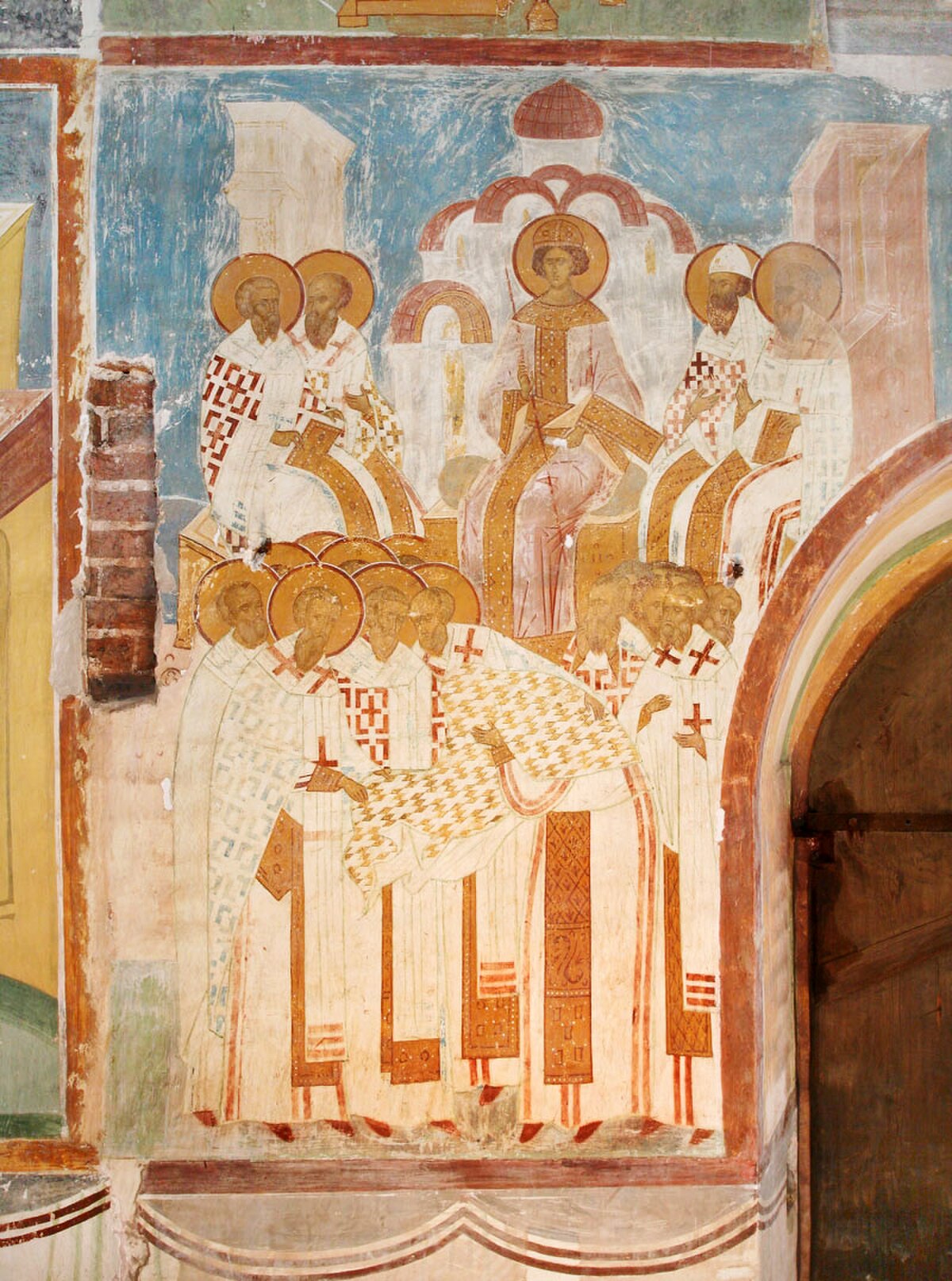
Nestorius condemned at Ephesus
Nestorius objected to calling Mary 'God-bearer.' He feared the title confused Jesus' humanity and divinity. But to Cyril of Alexandria and the Council of Ephesus, his language sounded as though the human Jesus and the divine Son were too separate. Nestorius was removed as bishop. The point was not mainly Mary's status; it was the church's insistence that the baby she bore was truly the one Jesus Christ: God who had become human.
At a glance
- Type
- Condemnation
- Date remembered
- 22 June, AD 431
- What kind of event is this?
- A doctrinal line drawn against a teaching the church judged outside the apostolic faith.
- Key line
- The one born of Mary is God the Word incarnate.
Highlights
- Nestorius was deposed.
- Theotokos was defended.
- Cyril's anathemas shaped the East.
- Later churches disputed the label 'Nestorian.'
How it happened
What happened
The Council of Ephesus deposed Nestorius from the see of Constantinople.
The argument
Could one refuse Theotokos without dividing Christ into a human subject beside the divine Word?
What changed
The unity of Christ became the decisive test in the controversy.
Why it matters
It made clear that Marian language was serving Christology, not replacing it.
Aftermath
The Church of the East later developed outside the imperial church's anti-Nestorian settlement.
People in the story
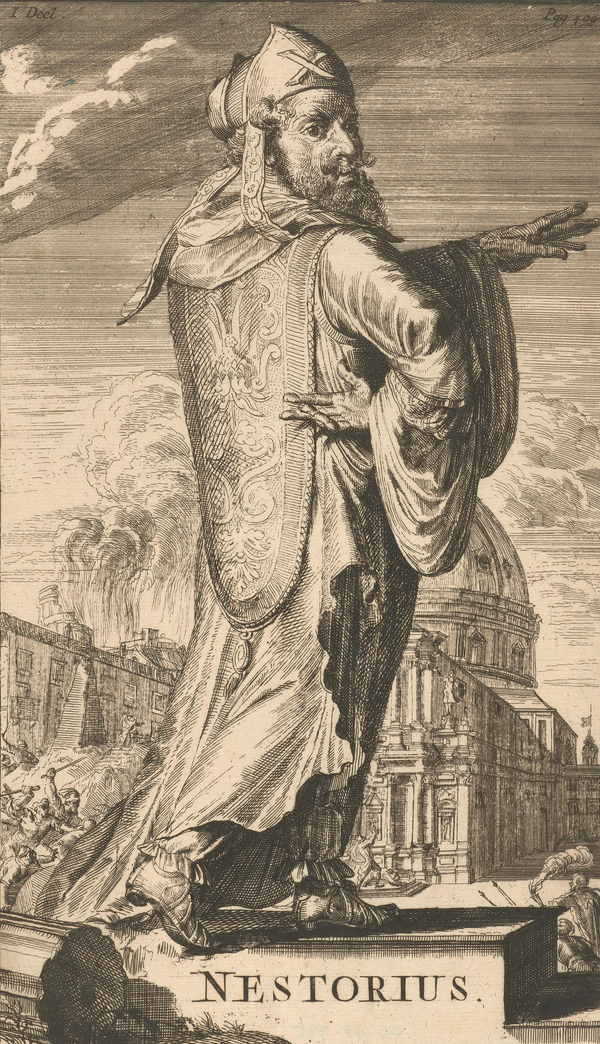 Nestoriusc. 386 – c. 451Archbishop of Constantinople (428-431). Condemned at Ephesus (431) for distinguishing two persons in Christ and denying the title Theotokos. Heretic.
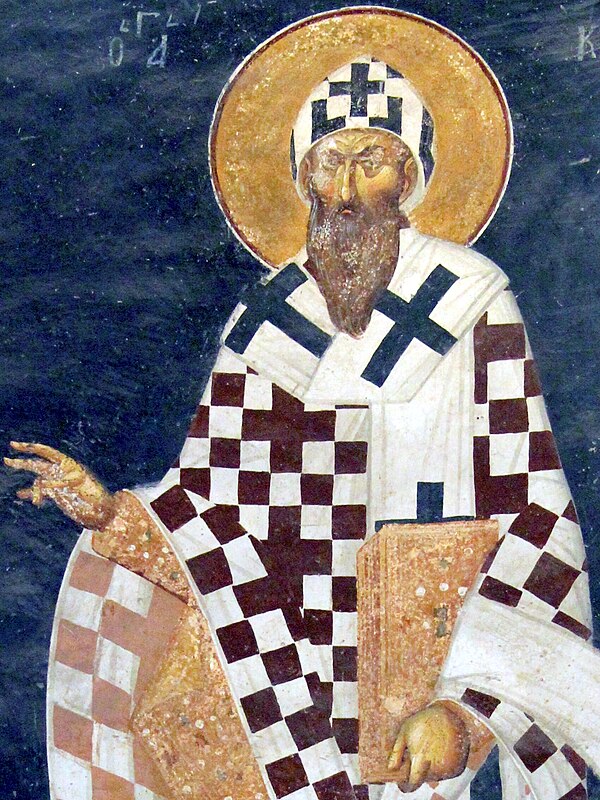 Cyril of Alexandriac. 376 – 444Patriarch of Alexandria. Chief architect of Christological orthodoxy; presided over the Council of Ephesus (431) which condemned Nestorius.
Recommended reading
Primary texts from figures tied to this event.
Cyril of Alexandria
On the Unity of Christ · 438
Cyril's mature Christology defending the single subject of the incarnate Word.