Council · 431 · 22 June
Council of Ephesus
The question at Ephesus was simple to state, even if hard to settle: when Mary gave birth to Jesus, was the one she bore truly God in human flesh? Nestorius disliked calling Mary 'God-bearer' because he feared it blurred Jesus' humanity and divinity. Cyril of Alexandria argued that refusing the title split Jesus into two too sharply. The council agreed with Cyril: Jesus is one person, the eternal Son who truly became human. The debate was not mainly about Mary; it was about who Jesus is.
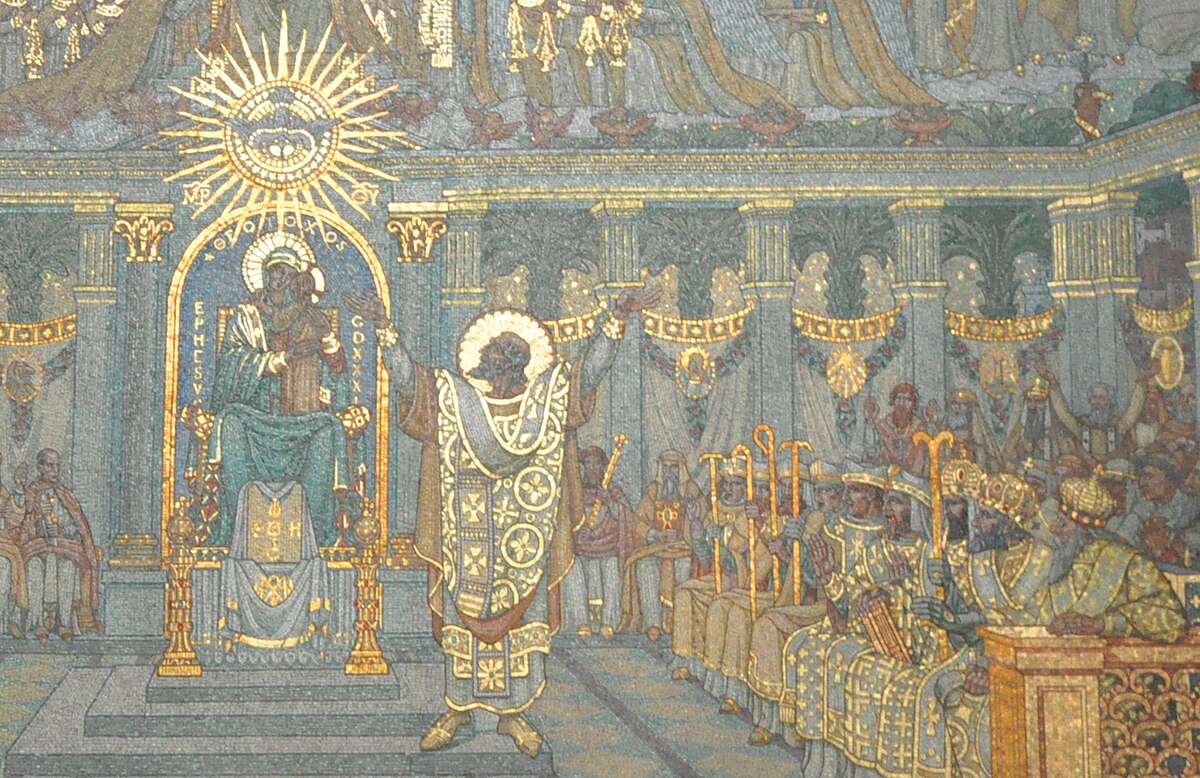
At a glance
- Type
- Council
- Date remembered
- 22 June, AD 431
- What kind of event is this?
- A council or settlement that changed the church's public teaching, discipline, or historical direction.
- Key line
- The one born of Mary is God who became human.
Highlights
- Nestorius was removed as bishop.
- Mary was affirmed as 'God-bearer.'
- Cyril's teaching carried the council.
- The controversy shaped later Eastern divisions.
How it happened
What happened
The council deposed Nestorius after a bitter conflict with Cyril of Alexandria.
The argument
Was Mary Theotokos, God-bearer, or only Christotokos, Christ-bearer? The real issue was the unity of Christ.
What changed
The council affirmed Theotokos because the one born of Mary is the Word incarnate.
Why it matters
Ephesus protected the claim that Jesus is one Lord, not a loose partnership between a divine person and a human person.
Aftermath
The condemnation of Nestorius deepened divisions with Antiochene and Persian Christian communities.
People in the story
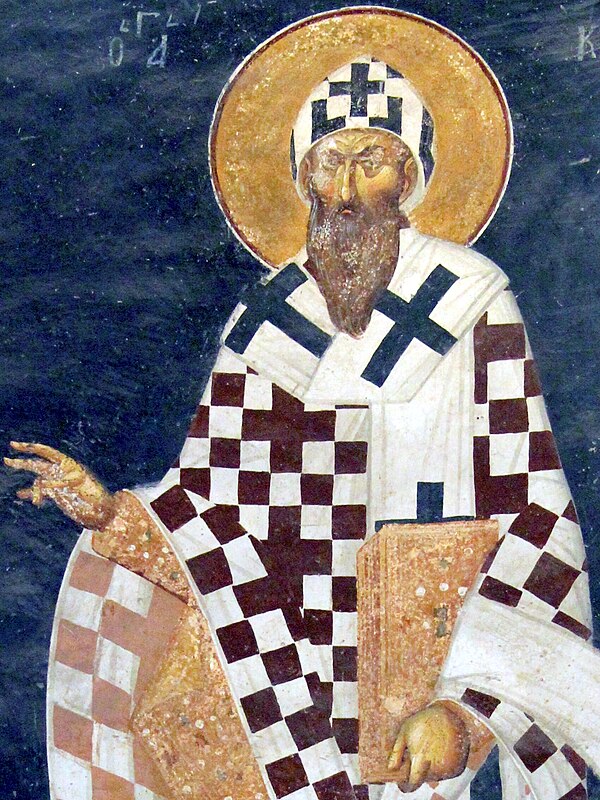 Cyril of Alexandriac. 376 – 444Patriarch of Alexandria. Chief architect of Christological orthodoxy; presided over the Council of Ephesus (431) which condemned Nestorius.
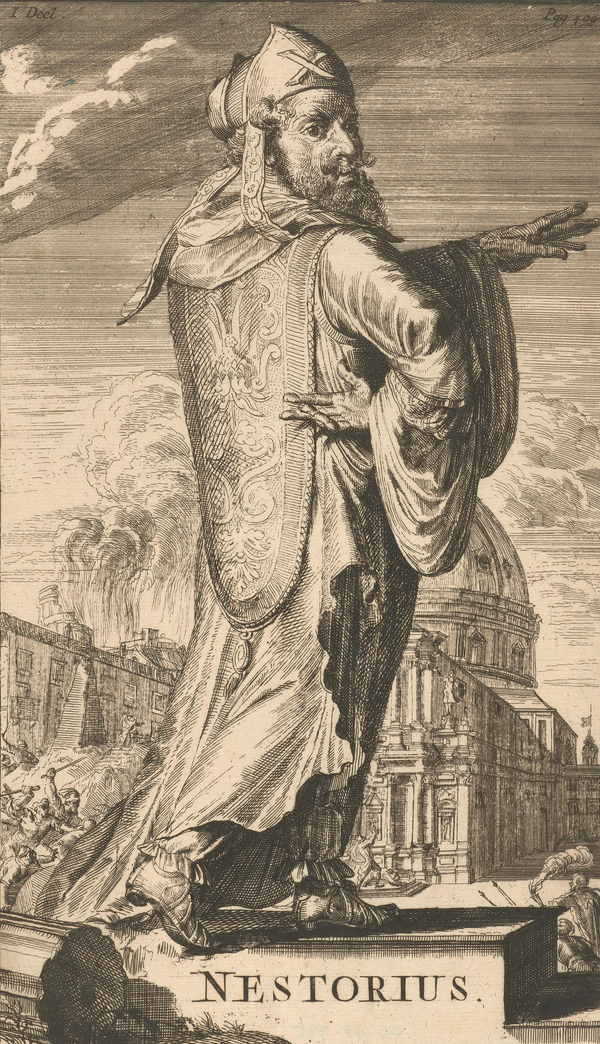 Nestoriusc. 386 – c. 451Archbishop of Constantinople (428-431). Condemned at Ephesus (431) for distinguishing two persons in Christ and denying the title Theotokos. Heretic.
Recommended reading
Primary texts from figures tied to this event.
Cyril of Alexandria
On the Unity of Christ · 438
Cyril's mature Christology defending the single subject of the incarnate Word.