Condemnation · 418 · 1 May
Pelagius condemned at Carthage
Pelagius urged Christians to take moral responsibility seriously. His opponents worried that his teaching made God's grace seem optional: as though people could begin the journey to God by their own effort alone. African bishops, influenced by Augustine, disagreed. They said grace is needed not only to do good but even to begin wanting God rightly. The question was simple and lasting: does salvation begin with our effort, or with God's mercy?

At a glance
- Type
- Condemnation
- Date remembered
- 1 May, AD 418
- What kind of event is this?
- A doctrinal line drawn against a teaching the church judged outside the apostolic faith.
- Key line
- Grace is necessary from the beginning.
Highlights
- Pelagius was condemned.
- Augustine's theology shaped the decision.
- Grace was treated as necessary for desire and action.
- The West kept debating the consequences.
How it happened
What happened
African bishops condemned Pelagian teaching in the wake of Augustine's long anti-Pelagian campaign.
The argument
Can human beings begin choosing God without grace, or is grace needed even for the first movement of faith?
What changed
The council made anti-Pelagian grace doctrine a formal Western boundary.
Why it matters
It shaped later debates about sin, freedom, baptism, merit, and salvation.
Aftermath
The argument continued in modified form through the Semi-Pelagian controversy and Orange.
People in the story
 Pelagiusc. 354 – c. 420British ascetic teacher at Rome whose denial of original sin and emphasis on free will sparked the Pelagian controversy. Condemned at Carthage (418) and Ephesus (431). Heretic.
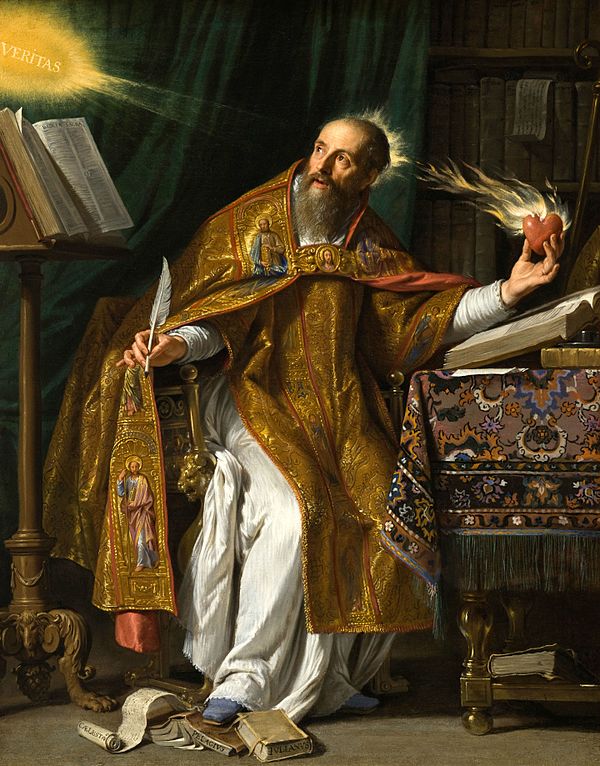 Augustine of Hippo354 – 430Bishop of Hippo and the most influential Latin Father. Author of Confessions, City of God, On the Trinity, and the anti-Pelagian works.
Recommended reading
Primary texts from figures tied to this event.
Augustine of Hippo
Confessions · 400
Spiritual autobiography in thirteen books — the founding text of introspective Christian writing.
Augustine of Hippo
City of God · 426
Twenty-two books defending Christianity after the sack of Rome and articulating the two-cities theology of history.