Condemnation · 451 · 8 October
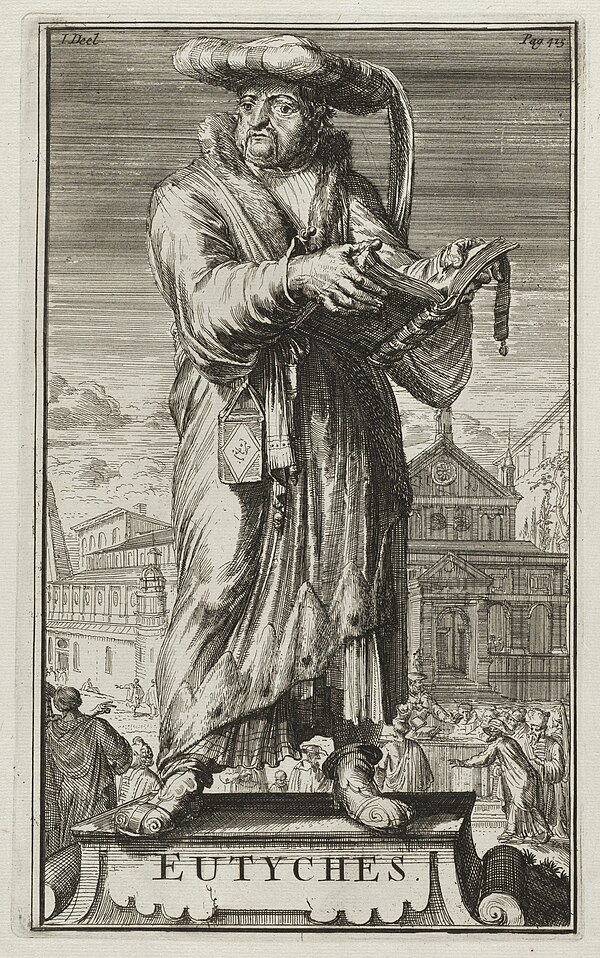
Eutyches condemned at Chalcedon
Eutyches wanted to protect the truth that Jesus is divine. But his opponents thought he did so by making Jesus' humanity fade away after God and humanity were joined in him. The bishops rejected that idea. If Jesus did not have a real human nature, they argued, then he had not fully shared and healed our human life. Chalcedon therefore insisted on both truths together: Jesus is fully God and fully human.
At a glance
- Type
- Condemnation
- Date remembered
- 8 October, AD 451
- What kind of event is this?
- A doctrinal line drawn against a teaching the church judged outside the apostolic faith.
- Key line
- Fully God, fully human, one Lord.
Highlights
- Eutyches was condemned.
- Absorption language was rejected.
- Two natures were confessed.
- The Chalcedonian split followed.
How it happened
What happened
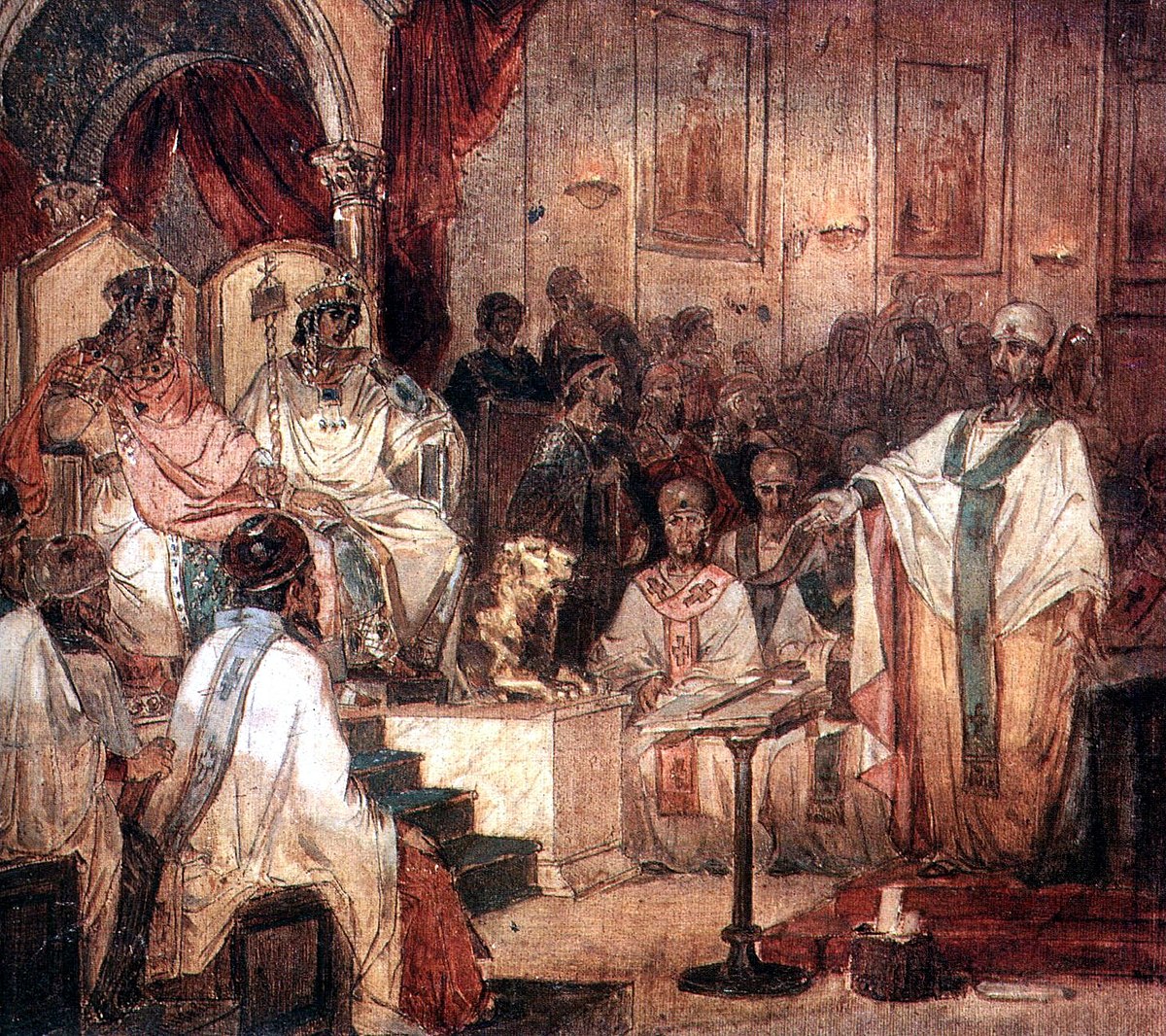
Chalcedon rejected Eutyches's language about Christ's humanity after the incarnation.
The argument
Does the union with the Word absorb Christ's humanity, or does his humanity remain real and complete?
What changed
The council confessed Christ in two natures after the union.
Why it matters
A Saviour without real humanity cannot heal real human nature.
Aftermath
The anti-Eutychian settlement helped define Chalcedon but also sharpened non-Chalcedonian resistance.