Council · 50 · 18 October
Council of Jerusalem
The first Christians were Jewish, and the earliest believers had to decide what following Jesus would mean for non-Jews. Did Gentile converts need to be circumcised and keep the whole law of Moses? Peter, Paul, Barnabas, and James gathered in Jerusalem to decide. According to Acts 15, they welcomed Gentiles without first requiring them to become Jews. That decision opened the Christian mission to the wider world while keeping its roots in Israel's Scriptures.
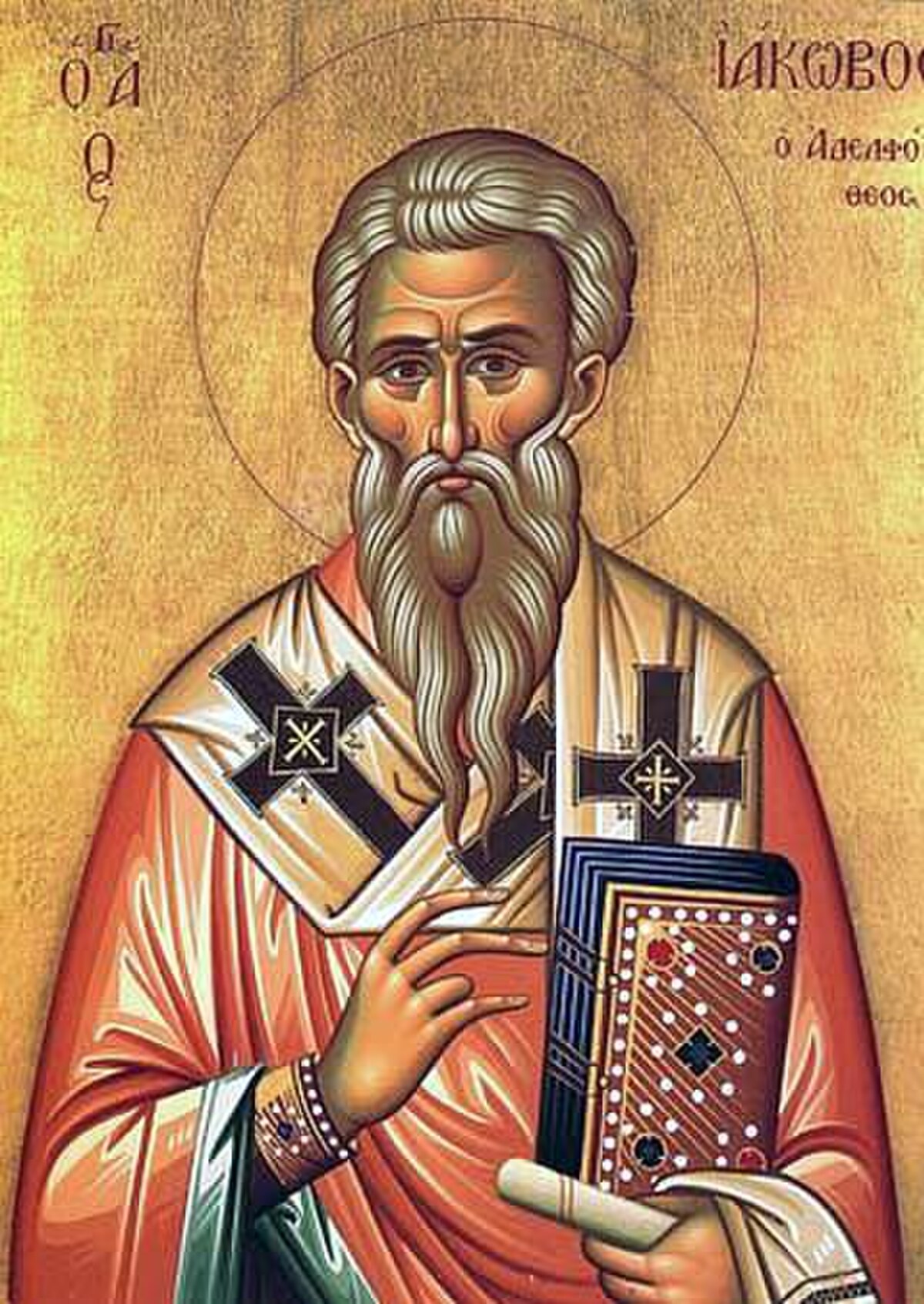
At a glance
- Type
- Council
- Date remembered
- 18 October, AD 50
- What kind of event is this?
- A council or settlement that changed the church's public teaching, discipline, or historical direction.
- Key line
- Gentiles enter without becoming Jews first.
Highlights
- Peter, Paul, Barnabas, and James appear in Acts 15.
- Circumcision was not required.
- Gentile mission was protected.
- The church made its first conciliar decision.
How it happened
What happened
The apostles and elders met in Jerusalem to decide how Gentiles could enter the church.
The argument
Must Gentile believers be circumcised and keep the Mosaic law to belong to Christ?
What changed
Gentiles were received without circumcision, with limited instructions for table fellowship and holiness.
Why it matters
Christianity could become a mission to the nations without ceasing to read Israel's scriptures as its own.
Aftermath
Paul's Gentile mission continued with conciliar backing, though Jewish-Gentile tensions did not vanish.
People in the story
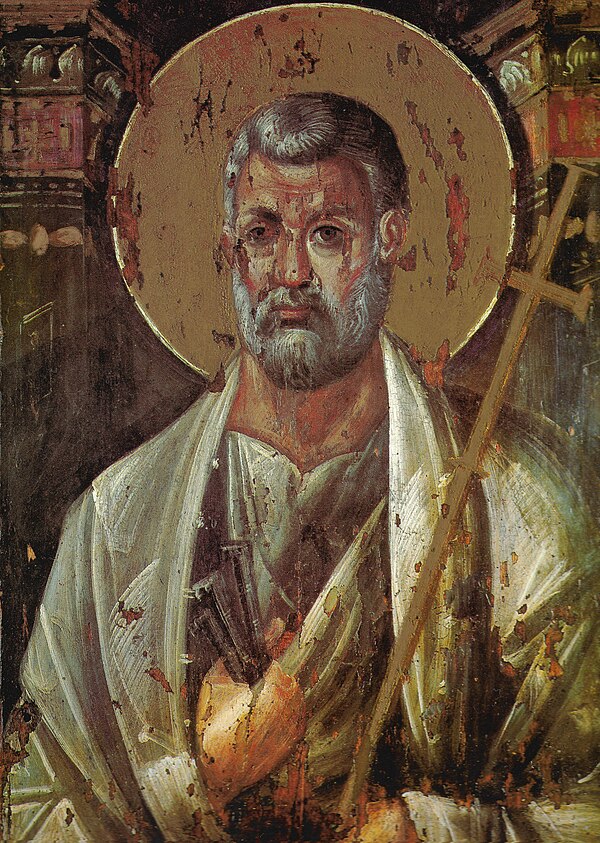 Peterc. 1 – c. 64Chief of the Twelve Apostles. Fisherman from Bethsaida; preached at Pentecost, traveled widely, and traditionally martyred in Rome under Nero. Counted by Roman tradition as first bishop of Rome.
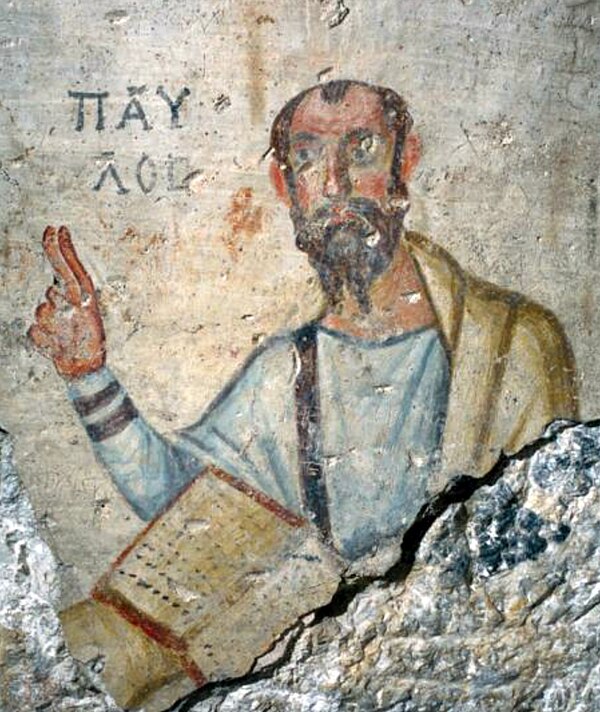 Paul of Tarsusc. 5 – c. 65Pharisee turned apostle to the Gentiles after his Damascus-road encounter. Author of at least seven undisputed letters in the New Testament; martyred in Rome under Nero.
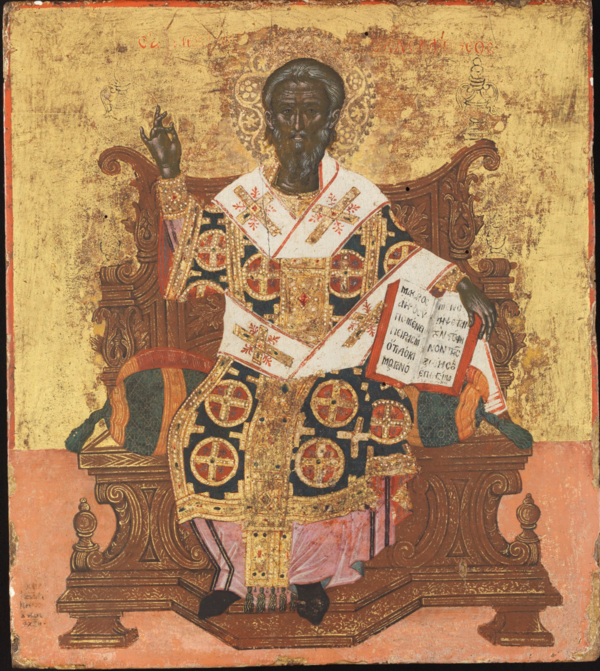 James the Justc. 1 – c. 62Called 'brother of the Lord' in the New Testament (Galatians 1:19; Mark 6:3) — Catholic and Orthodox tradition reads this as kinsman or step-brother through Joseph's prior marriage; most Protestants read it as a literal sibling. Either way, leader of the Jerusalem church for some thirty years. Presided at the Apostolic Council (Acts 15); martyred c. 62 by stoning under high priest Ananus per Josephus and Hegesippus.