Council · 397 · 28 August
Council of Carthage
Early Christians had long read certain books as Scripture, but they had not all written down the same official list. At Carthage, bishops in North Africa named the books their churches received as the Bible. The council did not invent the Bible in a single afternoon. It recorded a practice that had grown over time, including books later disputed at the Reformation. It is an important moment in the Western church's story of recognising its canon.
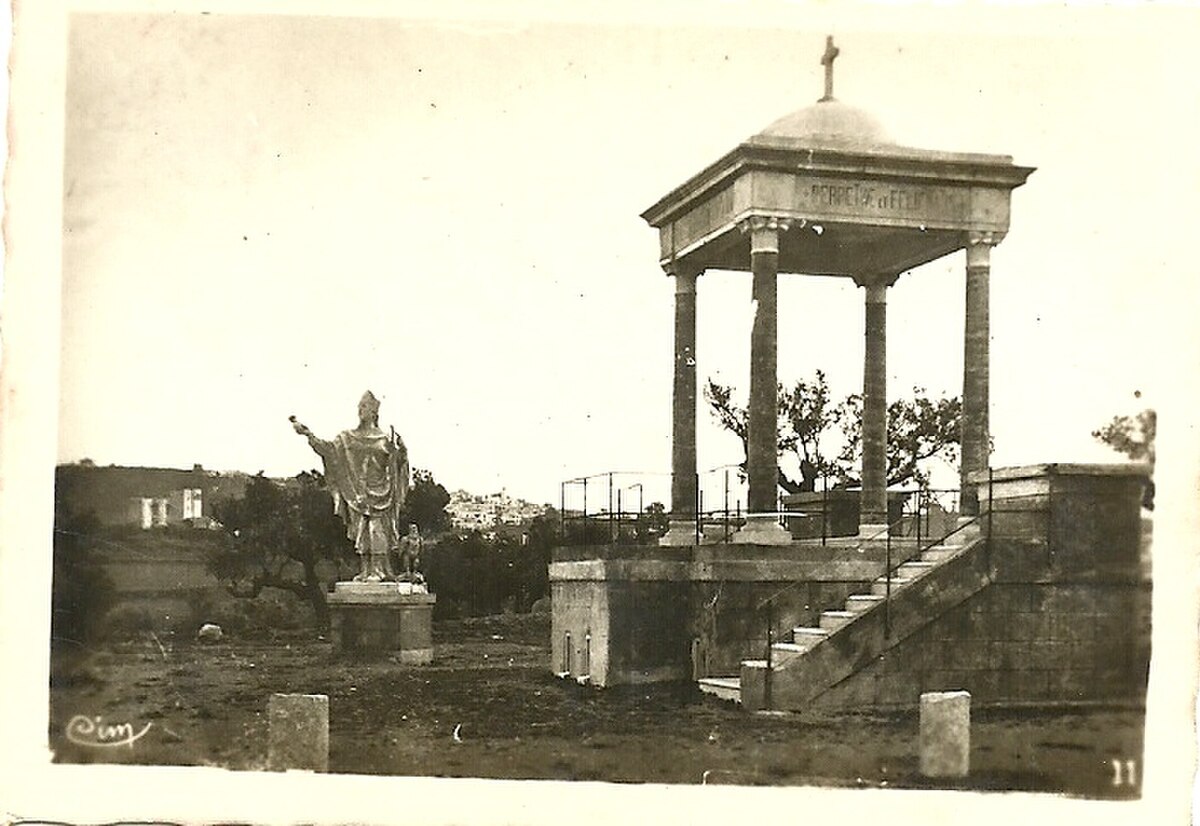
At a glance
- Type
- Council
- Date remembered
- 28 August, AD 397
- What kind of event is this?
- A council or settlement that changed the church's public teaching, discipline, or historical direction.
- Key line
- The Latin West names the books it receives as Scripture.
Highlights
- The list of biblical books was confirmed.
- Augustine's usage was reflected.
- Jerome's translation work became central.
- The Reformation later revisited the same list.
How it happened
What happened
North African bishops confirmed the list of biblical books used in the Latin churches.
The argument
The issue was not creating Scripture from nothing, but naming which books the churches received for public reading and doctrine.
What changed
The canon was expressed in conciliar form in the Latin West.
Why it matters
Carthage became one of the major reference points for later Western discussions of the biblical canon.
Aftermath
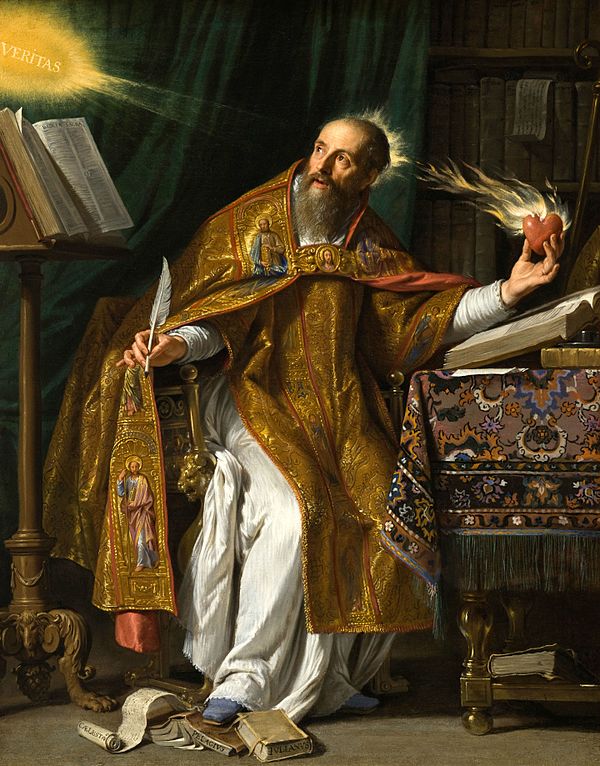
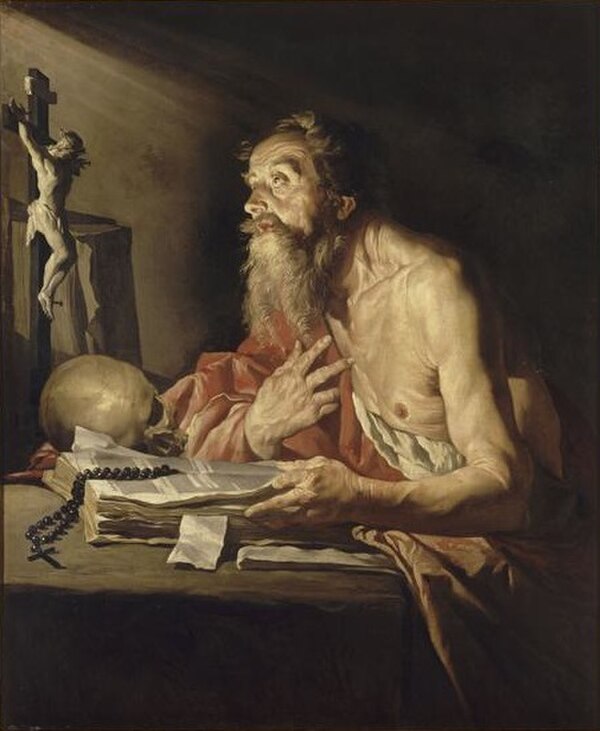
Augustine defended this canon, while Jerome's translation work carried it into the Vulgate tradition.
People in the story
Recommended reading
Primary texts from figures tied to this event.
Augustine of Hippo
Confessions · 400
Spiritual autobiography in thirteen books — the founding text of introspective Christian writing.
Augustine of Hippo
City of God · 426
Twenty-two books defending Christianity after the sack of Rome and articulating the two-cities theology of history.
Jerome
Letters · 405
Voluminous correspondence covering scripture, monasticism, controversy, and spiritual direction.
Jerome
On Illustrious Men (De Viris Illustribus) · 393
Brief biographies of Christian writers — the first Christian literary history.