Condemnation · 553 · 5 May
Origen condemned at Constantinople II
Origen was one of the early church's most brilliant Bible teachers, yet he was condemned about three centuries after he died. The target was not everything he wrote, but ideas later linked with his name—such as souls living before birth and the hope that every being might finally be saved. The condemnation drew a line around speculation that later bishops thought went too far. It also left a lasting tension: Origen's work shaped Christian reading of Scripture, but Christians could not simply accept every conclusion he reached.
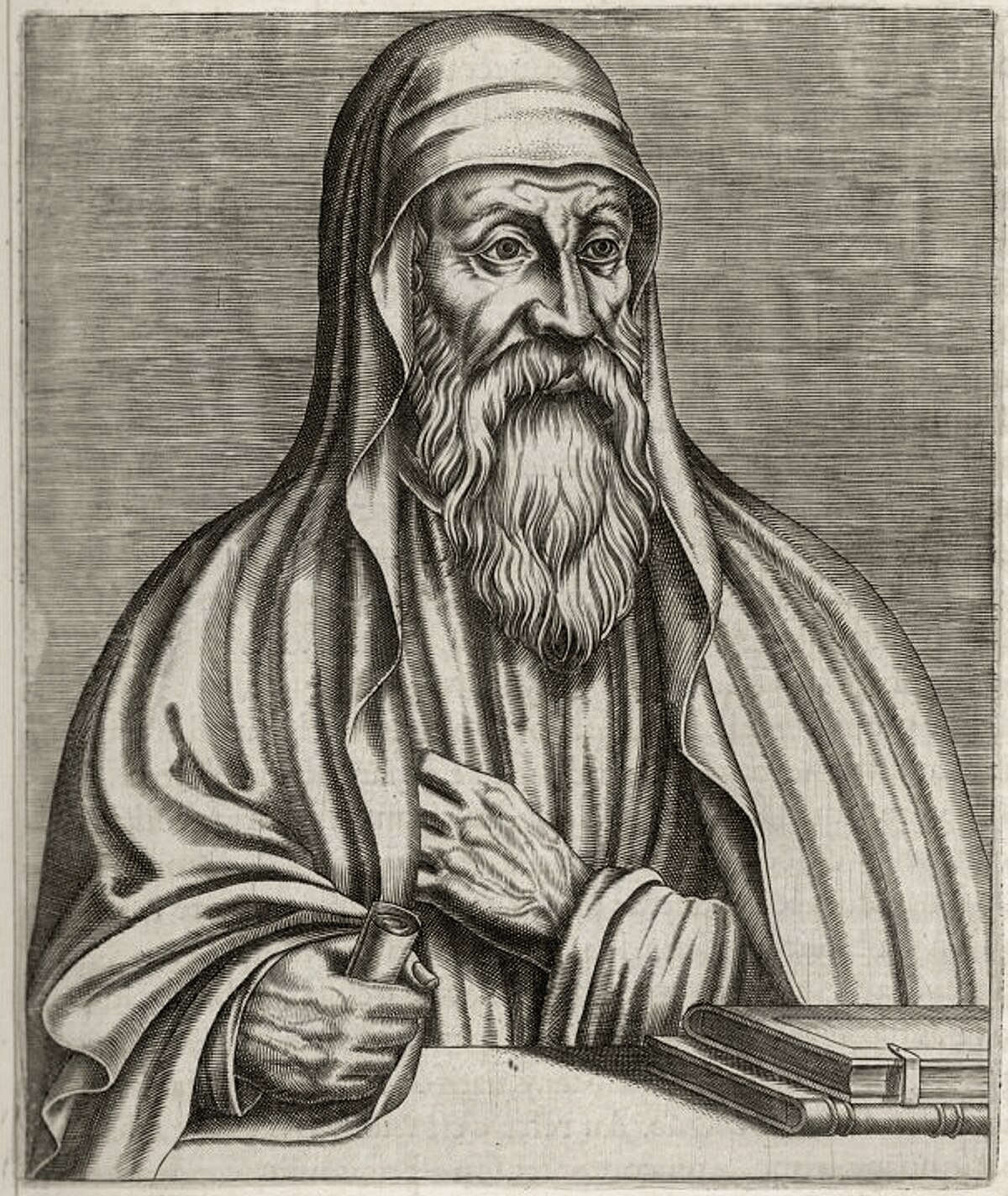
At a glance
- Type
- Condemnation
- Date remembered
- 5 May, AD 553
- What kind of event is this?
- A doctrinal line drawn against a teaching the church judged outside the apostolic faith.
- Key line
- Origen was too important to ignore and too contested to receive whole.
Highlights
- The condemnation came three centuries after his death.
- Pre-existent souls were rejected.
- Universal restoration was rejected.
- Origen's influence still survived.
How it happened
What happened
Origenist teachings were anathematized long after Origen himself had died.
The argument
How far could Christian speculation go on souls, restoration, and the final destiny of creation?
What changed
Several Origenist claims were placed outside acceptable doctrine.
Why it matters
The episode shows the difference between receiving a theologian's brilliance and receiving all of his speculative conclusions.
Aftermath
Origen remained influential in exegesis and spirituality even while Origenism was condemned.
People in the story

Recommended reading
Primary texts from figures tied to this event.
Origen of Alexandria
On First Principles (De Principiis) · 230
First systematic Christian theology — controversial but enduringly influential.
Origen of Alexandria
Contra Celsum · 248
Eight-book reply to the philosopher Celsus, the most important early Christian apologetic work.