Council · 749 · 4 December
Death of John of Damascus - patristic age closes
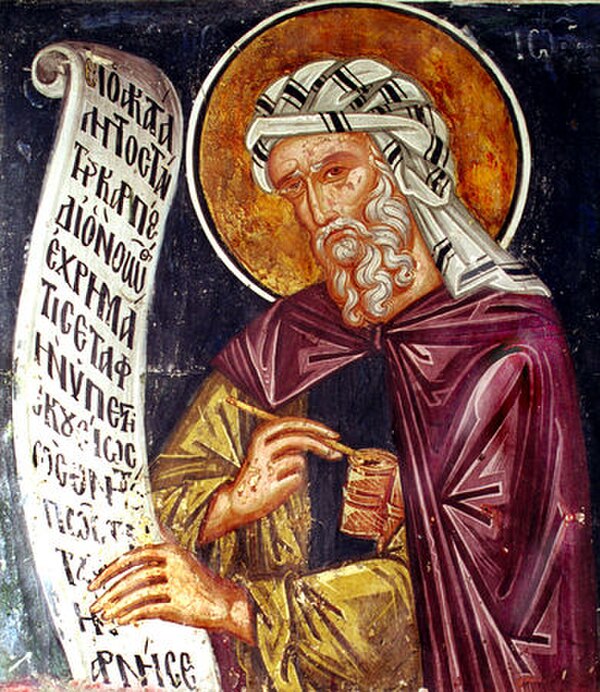
John of Damascus is often called the last great Greek Church Father. His death does not mean Christian theology suddenly stopped. It marks a change in how it was carried forward. John gathered and explained much of the Greek tradition that came before him. After his time, the Latin West increasingly developed theology through monasteries, schools, and eventually the medieval thinkers known as scholastics. He stands at the threshold between the Fathers and the Middle Ages.
At a glance
- Type
- Council
- Date remembered
- 4 December, AD 749
- What kind of event is this?
- A council or settlement that changed the church's public teaching, discipline, or historical direction.
- Key line
- The Fathers give way to the medieval theologians.
Highlights
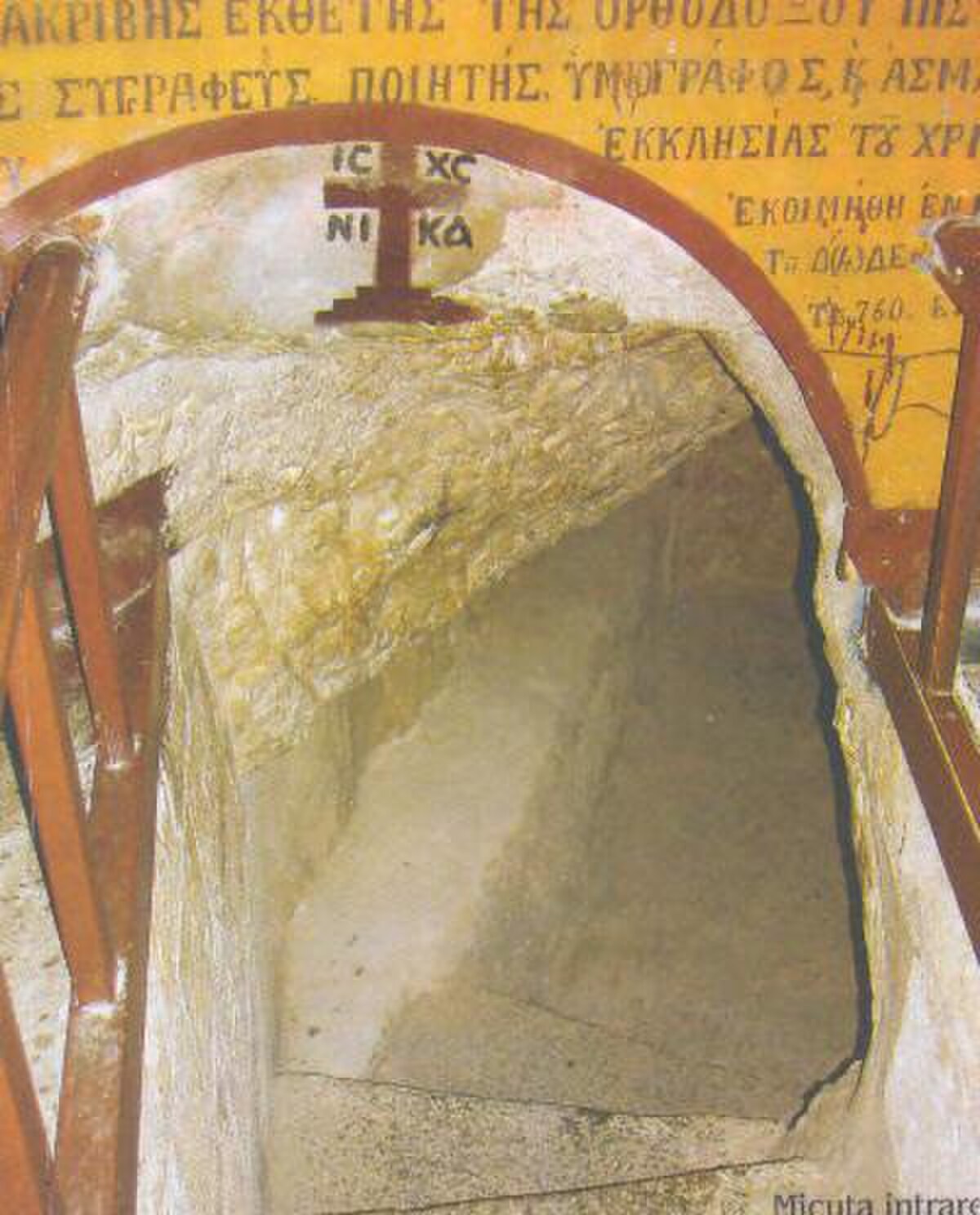
- John died at Mar Saba.
- The Greek tradition had been synthesized.
- The West moved toward scholastic settings.
- Nicaea II later vindicated his icon theology.
How it happened
What happened
John died at Mar Saba after producing one of the great syntheses of Greek patristic theology.
The argument
The event is not a doctrinal dispute; it marks a historical transition in how theology was carried forward.
What changed
The patristic era gives way to medieval theological methods and institutions.
Why it matters
John's work became a bridge: summary of the Greek Fathers behind him, source for later theologians after him.
Aftermath
His defense of icons was vindicated at Nicaea II after his death.
People in the story
Recommended reading
Primary texts from figures tied to this event.
John of Damascus
An Exact Exposition of the Orthodox Faith · 743
Third book of the Fount of Knowledge — the great systematic theology of the Christian East.
John of Damascus
Three Treatises on the Divine Images · 730
Defense of icons during iconoclasm — set Eastern Christian aesthetics for a millennium.