Council · 325 · 19 June
First Council of Nicaea
A dispute over Jesus was splitting churches across the Roman Empire. Arius taught that the Son of God was the greatest being God had made, but not fully God himself. His opponents believed that Christians worship Jesus precisely because he is truly God. Emperor Constantine gathered bishops at Nicaea to settle the matter. They said the Son is 'of one substance' with the Father—meaning not a creature, but fully God. This was the decisive beginning of the creed many Christians still recite today.
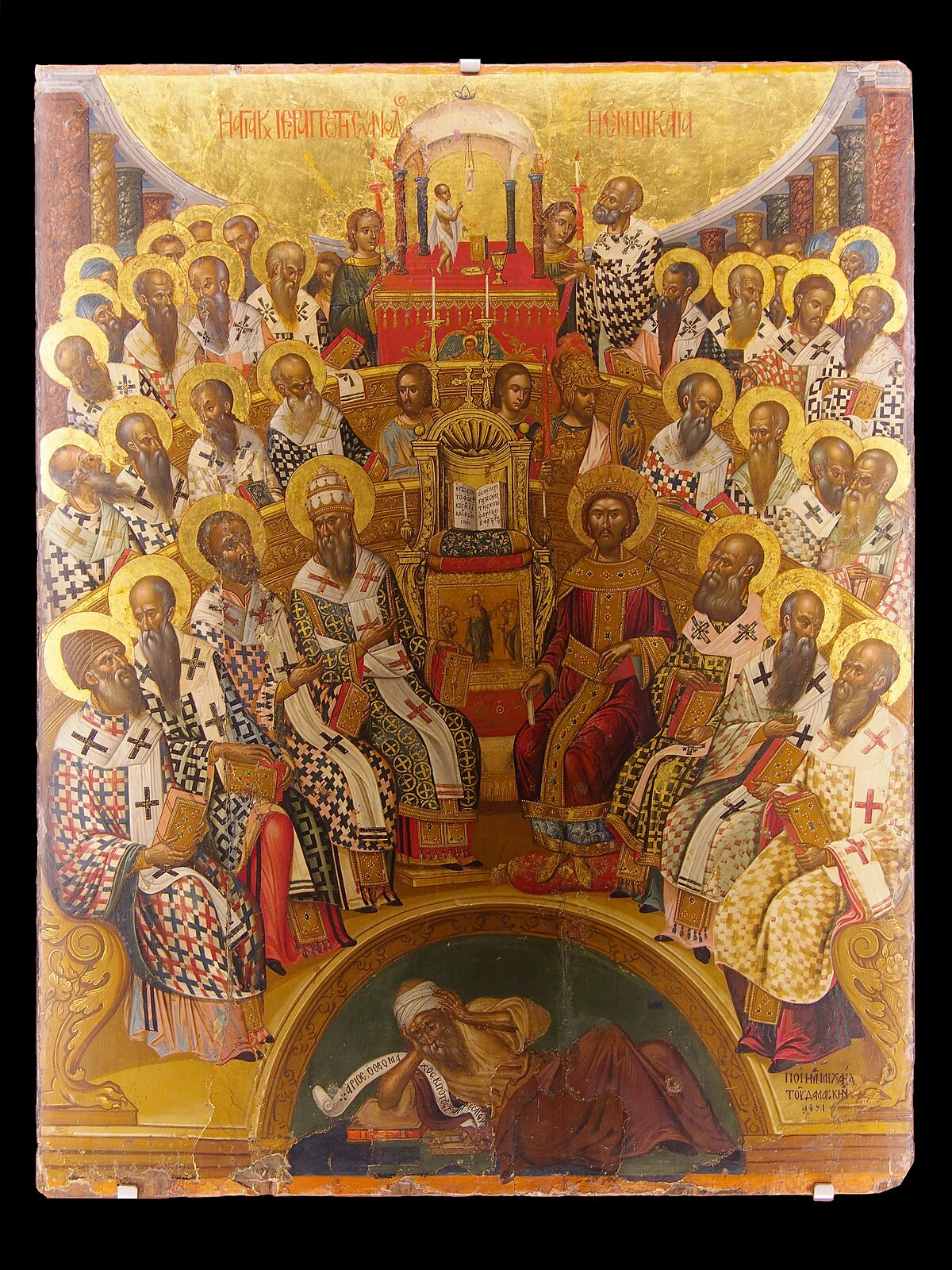
At a glance
- Type
- Council
- Date remembered
- 19 June, AD 325
- What kind of event is this?
- A council or settlement that changed the church's public teaching, discipline, or historical direction.
- Key line
- Jesus the Son is fully God, not a created being.
Highlights
- Constantine summoned the council.
- Arius was condemned.
- The bishops said the Son is fully God.
- The later creed grew from this settlement.
How it happened
What happened
Constantine gathered bishops at Nicaea to answer the Arian controversy and restore unity across the imperial church.
The argument
Arius said the Son was created by the Father. The Nicene party insisted that the Son is fully divine, not the highest creature.
What changed
The council used homoousios to confess that the Son is of one substance with the Father.
Why it matters
If the Son is not truly God, then God himself has not come to save. Nicaea made that line non-negotiable.
Aftermath
Arian and semi-Arian positions kept imperial support for decades, so Nicaea began rather than ended the fourth-century fight.
People in the story
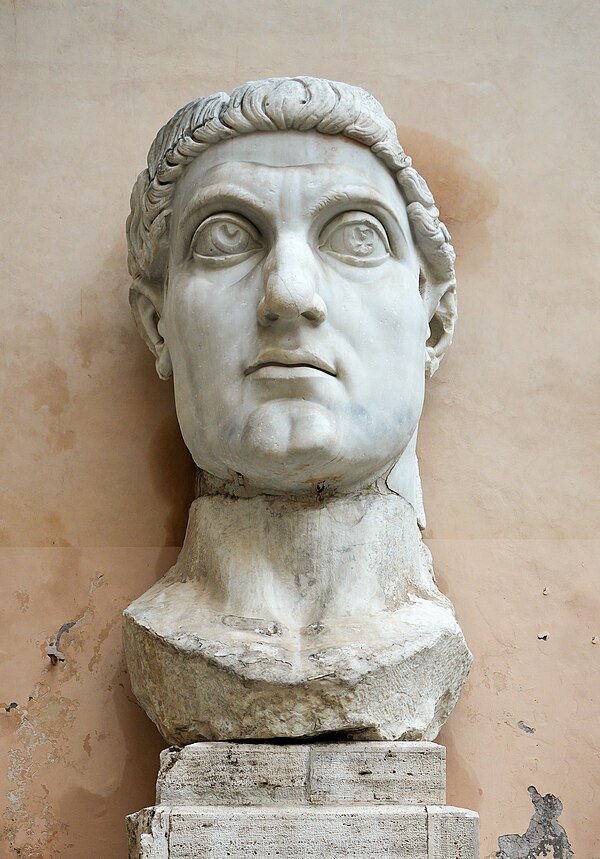 Constantine the Greatc. 272 – 337First Christian Roman emperor. Issued the Edict of Milan (313), convened the Council of Nicaea (325), and was baptized on his deathbed by Eusebius of Nicomedia.
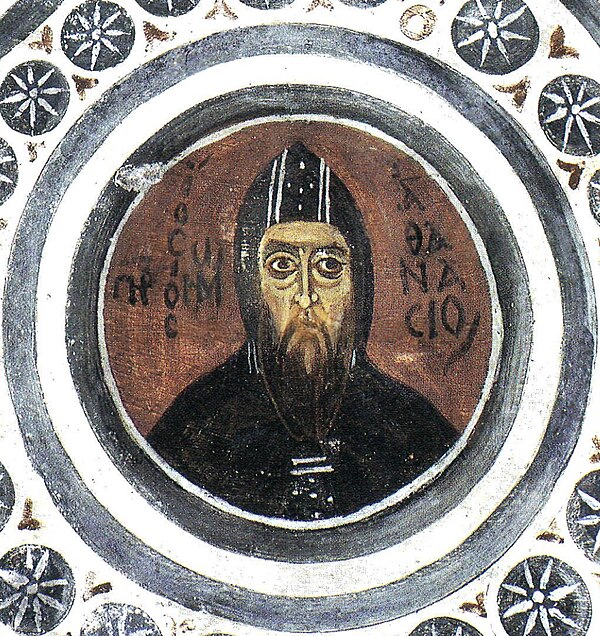 Athanasius of Alexandriac. 296 – 373Bishop of Alexandria and chief defender of Nicene orthodoxy against Arianism. Five times exiled. Wrote On the Incarnation and the Vita Antonii.
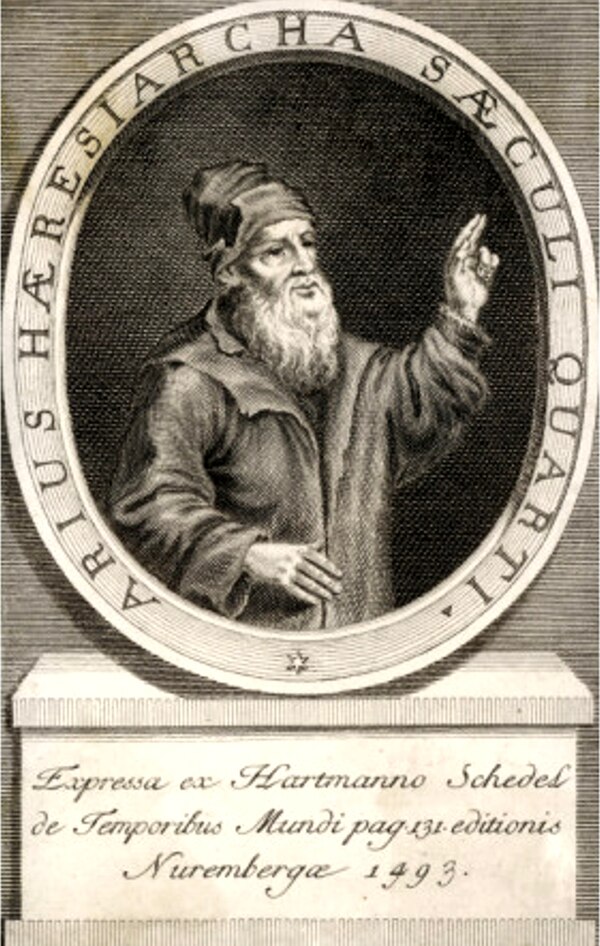 Ariusc. 256 – 336Alexandrian presbyter whose teaching that the Son was a created being sparked the Arian controversy. Condemned at Nicaea (325). Heretic.
Recommended reading
Primary texts from figures tied to this event.
Athanasius of Alexandria
On the Incarnation · 318
Short, clear classic on why God became man; modern editions often include C.S. Lewis's famous introduction.
Athanasius of Alexandria
Life of Antony · 360
Hagiography of the desert father Antony — the founding text of monastic literature.
Source
Eusebius, Vita Constantini 3.6-14