Council · 381 · 9 July
First Council of Constantinople
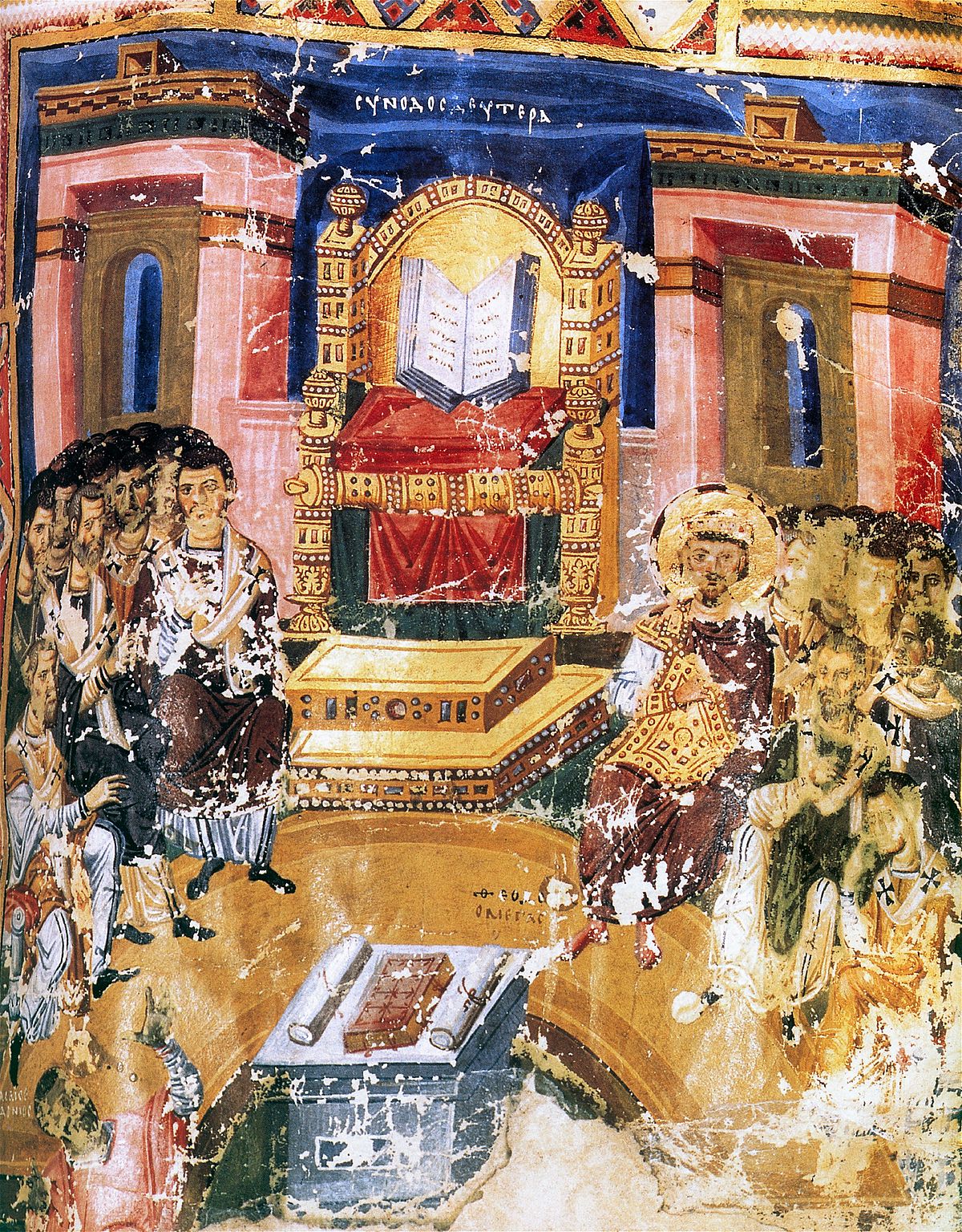
Nicaea had said that Jesus the Son is truly God. But the argument was not over: some Christians still denied the full divinity of the Holy Spirit. The bishops at Constantinople reaffirmed that Christians worship one God—Father, Son, and Holy Spirit. They also expanded the creed from Nicaea. When most churches say the Nicene Creed in worship today, this is largely the version they mean.
At a glance
- Type
- Council
- Date remembered
- 9 July, AD 381
- What kind of event is this?
- A council or settlement that changed the church's public teaching, discipline, or historical direction.
- Key line
- One God: Father, Son, and Holy Spirit.
Highlights
- Reaffirmed Nicaea.
- Confessed that the Holy Spirit is fully God.
- Expanded the creed.
- Set the basic language of the Trinity.
How it happened
What happened
Theodosius called Eastern bishops to Constantinople after decades of conflict over the Nicene faith.
The argument
The council had to reaffirm Nicaea and answer groups that denied the Holy Spirit's full divinity.
What changed
The creed was expanded into the form most Christians now know as the Nicene Creed.
Why it matters
Constantinople gave the church stable language for confessing Father, Son, and Holy Spirit as one God.
Aftermath
Its creed became the central ecumenical creed of Catholic, Orthodox, and many Protestant churches.
People in the story
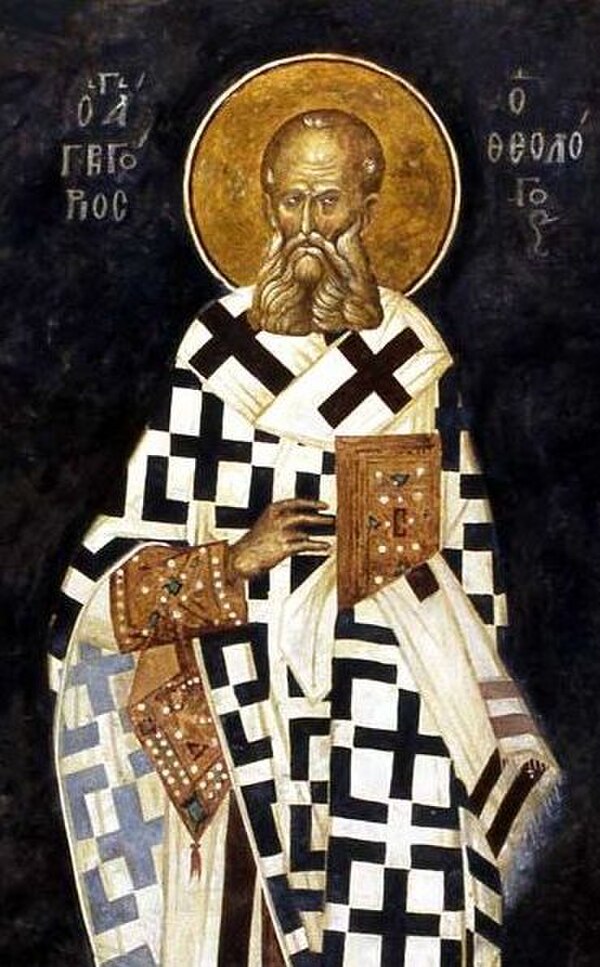 Gregory of Nazianzusc. 329 – 390Cappadocian Father, briefly Archbishop of Constantinople (380-381) and presider over the First Council of Constantinople. Known as 'the Theologian' for his Five Theological Orations.
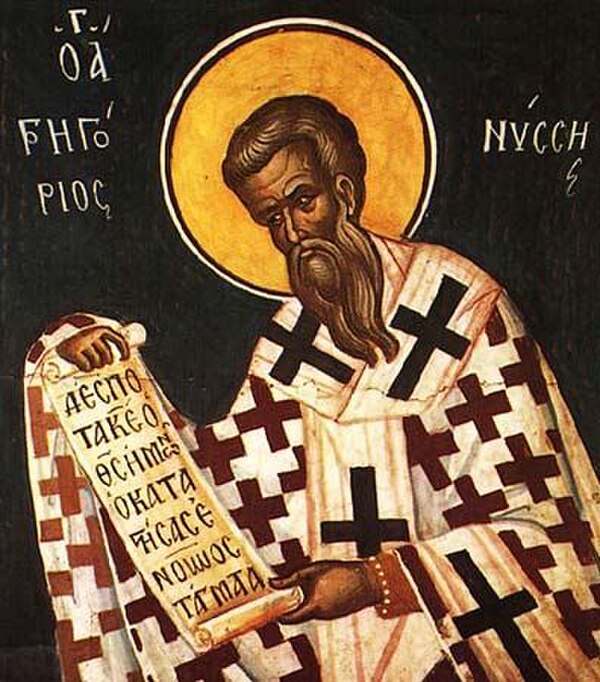 Gregory of Nyssac. 335 – c. 395Younger brother of Basil and the third Cappadocian Father. Author of the Life of Moses, Catechetical Oration, and Life of Macrina.
Recommended reading
Primary texts from figures tied to this event.
Gregory of Nazianzus
Five Theological Orations · 380
Constantinople sermons that earned him the title 'the Theologian' — defining Trinitarian orthodoxy.
Gregory of Nazianzus
Orations · 380
45 surviving sermons; sets the standard for patristic homiletics.
Gregory of Nyssa
The Life of Moses · 390
Allegorical reading of Moses as the model of Christian spiritual progress.
Gregory of Nyssa
Catechetical Oration · 385
Comprehensive catechism of Christian faith for instructing pagans and heretics.