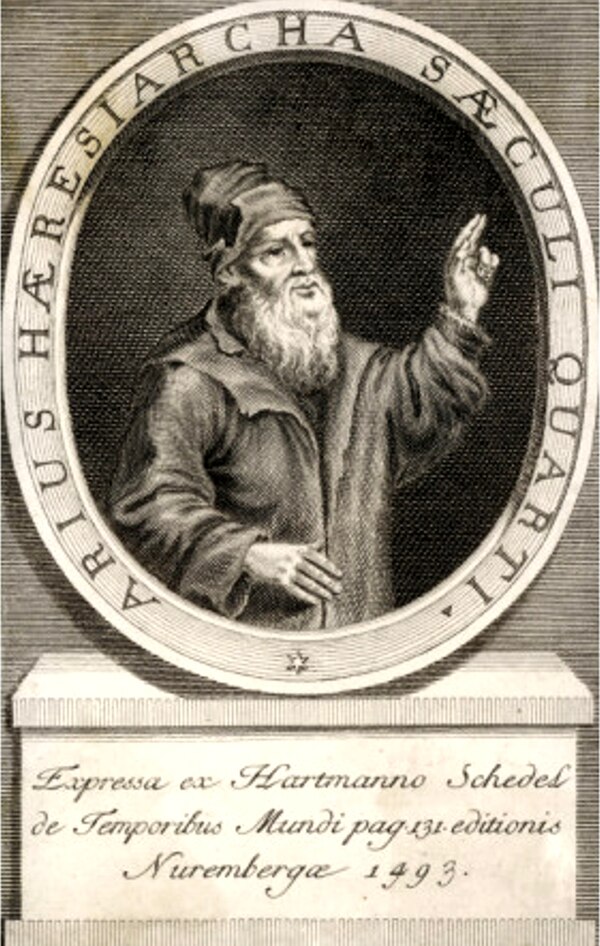
Condemnation · 325 · 19 June
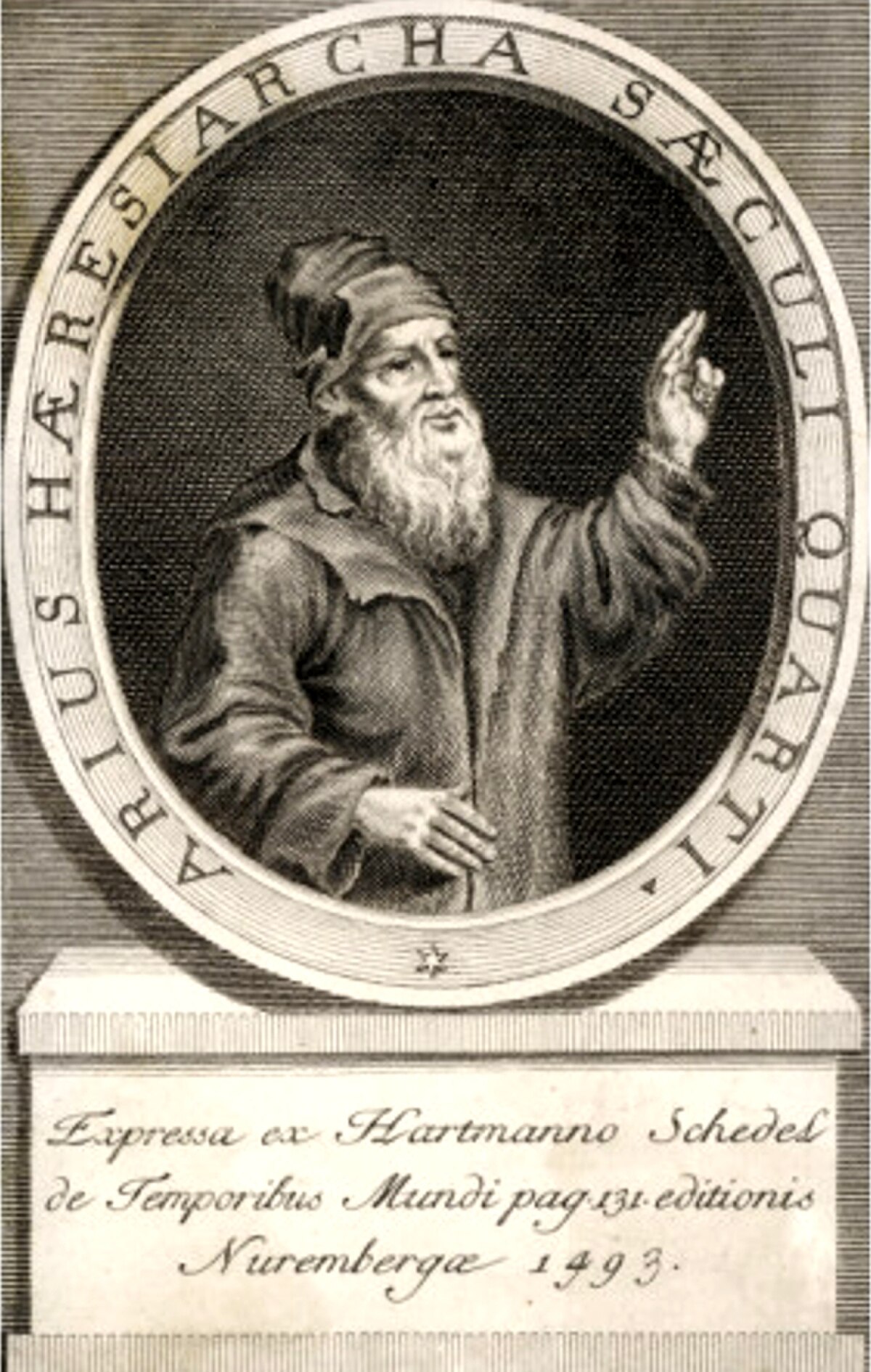
Arius condemned at Nicaea
Arius taught that the Son of God was created by God: higher than every other creature, but not eternal or fully divine. The bishops at Nicaea rejected that teaching. Why did it matter so much? They believed Christian salvation depends on God himself coming to save us in Jesus—not on a magnificent creature acting for God. The condemnation of Arius began decades of further argument, but it set the line behind the Nicene Creed.
At a glance
- Type
- Condemnation
- Date remembered
- 19 June, AD 325
- What kind of event is this?
- A doctrinal line drawn against a teaching the church judged outside the apostolic faith.
- Key line
- There was not when the Son was not.
Highlights
- Arius was anathematized.
- The Son was confessed as eternal.
- Creature-Christ language was rejected.
- The Arian controversy continued after Nicaea.
How it happened
What happened
Nicaea attached anathemas to teachings associated with Arius and his supporters.
The argument
Is the Son eternal God from God, or a created being brought into existence by the Father?
What changed
The church drew a formal line against saying 'there was when he was not.'
Why it matters
The condemnation protected the claim that salvation is God's own act in Christ.
Aftermath
The controversy continued for decades through exile, imperial pressure, and rival formulas.