Council · 664 · 25 September
Synod of Whitby
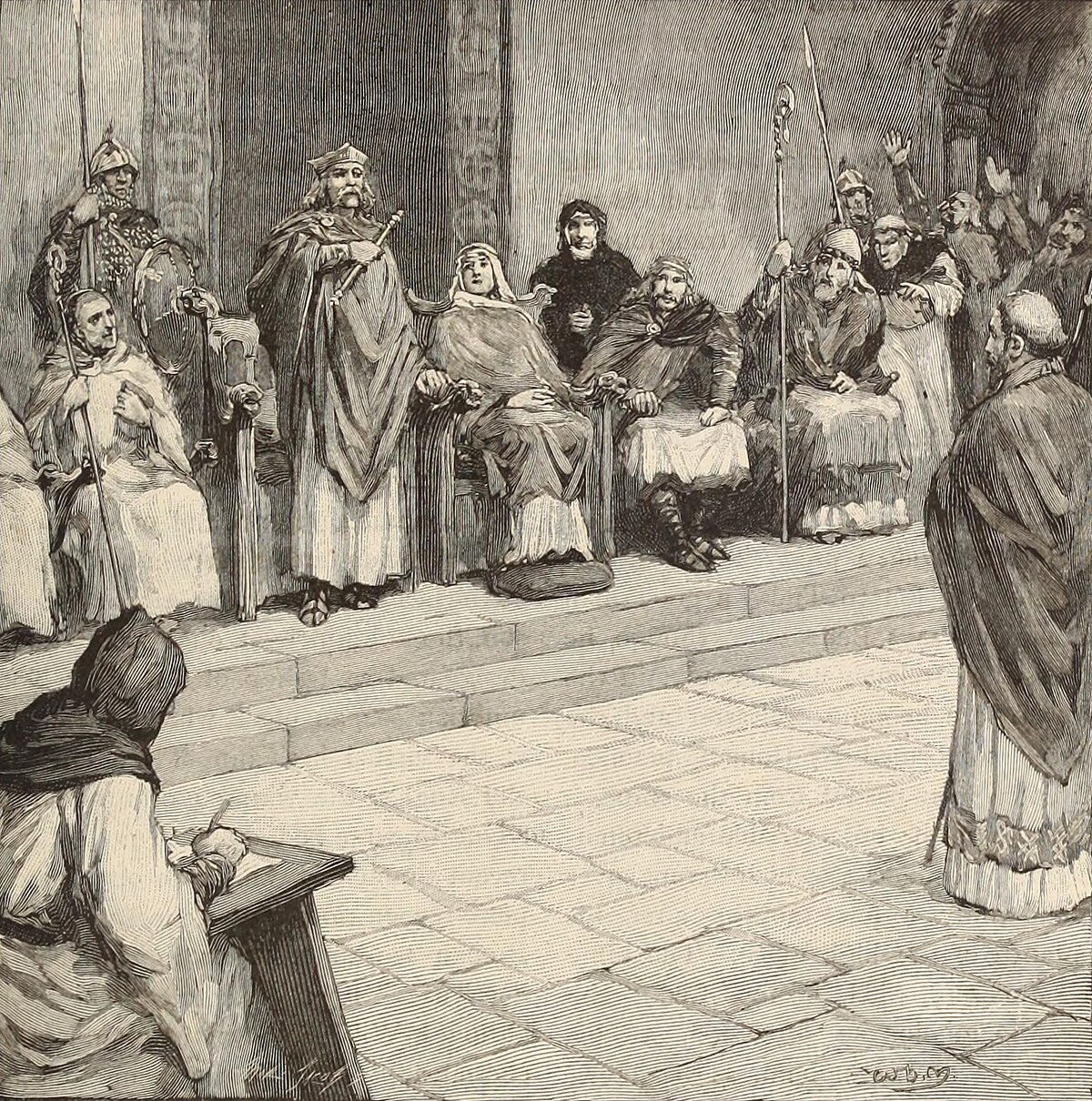
Christians in Northumbria were observing Easter on different dates and following different customs. The disagreement may sound minor, but it reflected a larger question: should the English church follow Irish monastic traditions or the practice of Rome? King Oswiu chose the Roman way. That decision brought Northumbria into closer step with the churches of continental Europe. For the historian Bede, it showed that shared worship and a shared calendar helped form a united English church.
At a glance
- Type
- Council
- Date remembered
- 25 September, AD 664
- What kind of event is this?
- A council or settlement that changed the church's public teaching, discipline, or historical direction.
- Key line
- Northumbria chose the Roman calendar.
Highlights
- Easter dating was disputed.
- Irish and Roman customs competed.
- King Oswiu chose Rome.
- Bede preserved the story.
How it happened
What happened
Northumbrian leaders met at Whitby to decide between Irish and Roman customs.
The argument
The visible issue was Easter dating and tonsure; the deeper issue was which wider communion Northumbria would follow.
What changed
King Oswiu chose Roman practice.
Why it matters
Whitby aligned Northumbria more closely with the Roman and continental church.
Aftermath
Bede made the synod a key moment in his account of English ecclesiastical unity.
People in the story
Recommended reading
Primary texts from figures tied to this event.
Bede the Venerable
Ecclesiastical History of the English People · 731
Foundational history of England's Christianization — five books from Gregory's mission to Bede's day.