Council · 553 · 5 May
Second Council of Constantinople
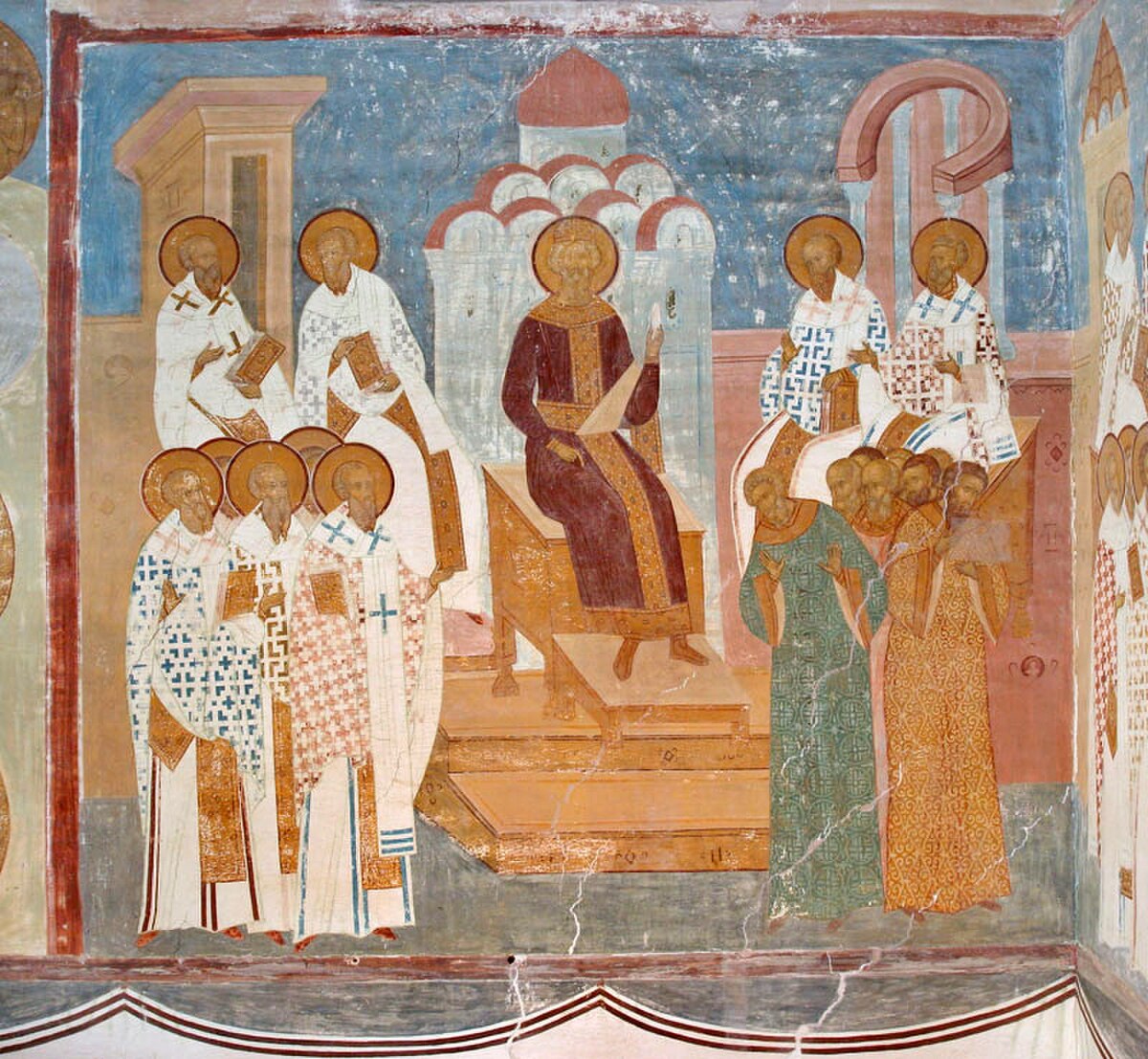
After Chalcedon, many Christians still feared that its language made Jesus seem divided. Emperor Justinian hoped to rebuild trust by condemning three older sets of writings that seemed to separate Christ's humanity from his divinity too sharply. The council supported that move. It was meant to reassure Christians who distrusted Chalcedon, but it also created new suspicion—especially in the West, where bishops worried that an emperor was rewriting yesterday's decisions to solve today's problems.
At a glance
- Type
- Council
- Date remembered
- 5 May, AD 553
- What kind of event is this?
- A council or settlement that changed the church's public teaching, discipline, or historical direction.
- Key line
- Keep Chalcedon, but reject readings that split Jesus too sharply.
Highlights
- Three older sets of writings were condemned.
- Justinian drove the agenda.
- Some speculative teachings linked to Origen were rejected.
- Western resentment deepened.
How it happened
What happened
Justinian pressed the council to condemn the Three Chapters and distance Chalcedon from Nestorian-sounding theology.
The argument
Could the empire reassure anti-Chalcedonian Christians without betraying Chalcedon itself?
What changed
The council condemned writings linked to Theodore of Mopsuestia, Theodoret, and Ibas, and became associated with condemnations of Origenism.
Why it matters
It shows the cost of trying to heal doctrinal division by imperial pressure and retrospective condemnation.
Aftermath
Instead of ending the division, it provoked Western resistance and new schisms, especially around Aquileia.
People in the story
Recommended reading
Primary texts from figures tied to this event.
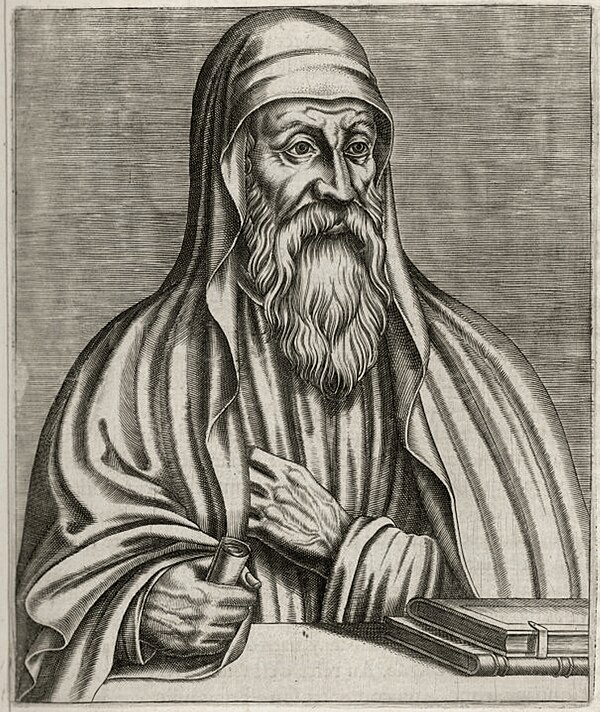
Origen of Alexandria
On First Principles (De Principiis) · 230
First systematic Christian theology — controversial but enduringly influential.
Origen of Alexandria
Contra Celsum · 248
Eight-book reply to the philosopher Celsus, the most important early Christian apologetic work.