Council · Today in 381
First Council of Constantinople
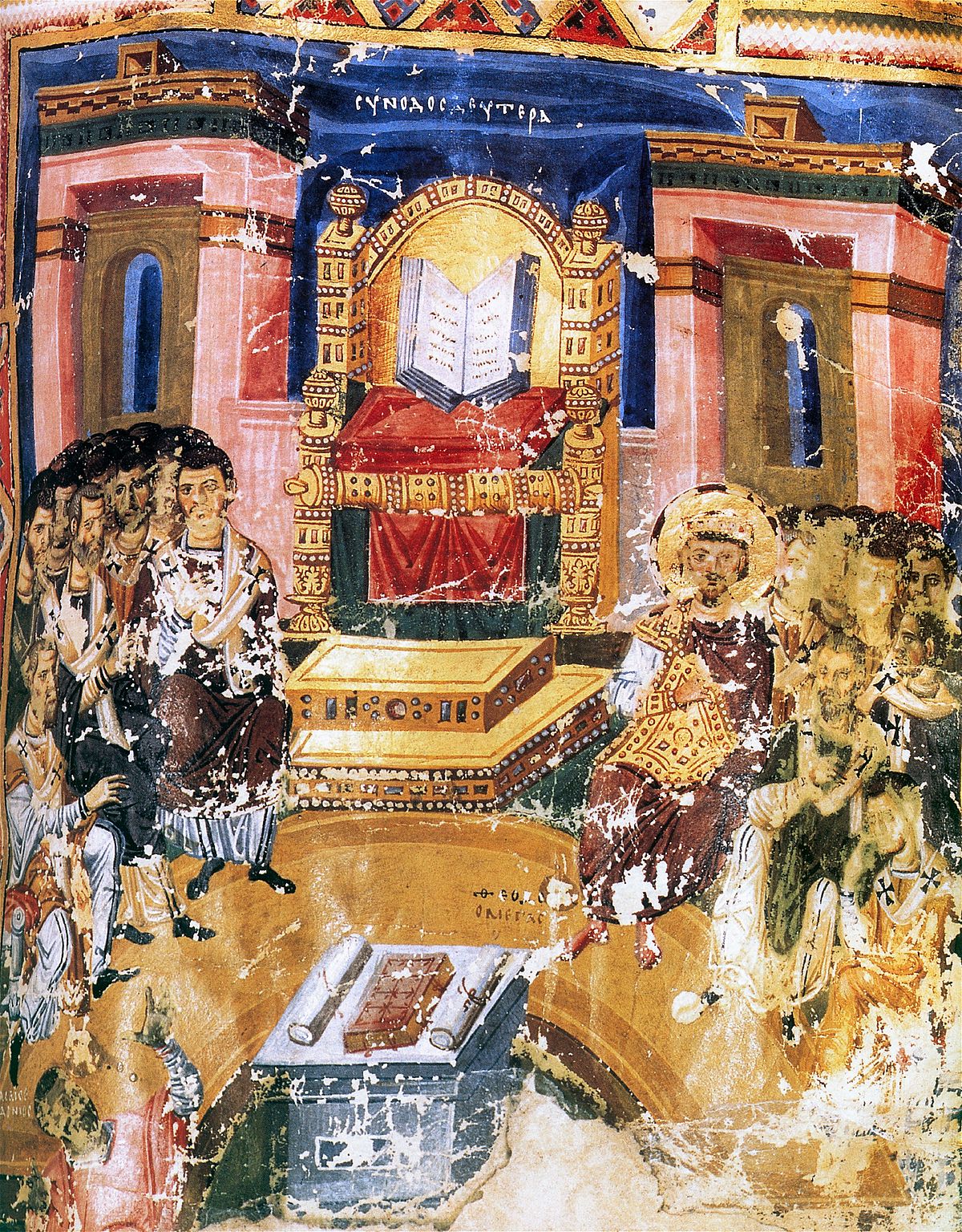
Nicaea had said that Jesus the Son is truly God. But the argument was not over: some Christians still denied the full divinity of the Holy Spirit. The bishops at Constantinople reaffirmed that Christians worship one God—Father, Son, and Holy Spirit. They also expanded the creed from Nicaea. When most churches say the Nicene Creed in worship today, this is largely the version they mean.
One God: Father, Son, and Holy Spirit.
Highlights
- Reaffirmed Nicaea.
- Confessed that the Holy Spirit is fully God.
- Expanded the creed.
- Set the basic language of the Trinity.
How it happened
What happened
Theodosius called Eastern bishops to Constantinople after decades of conflict over the Nicene faith.
The argument
The council had to reaffirm Nicaea and answer groups that denied the Holy Spirit's full divinity.
What changed
The creed was expanded into the form most Christians now know as the Nicene Creed.
Why it matters
Constantinople gave the church stable language for confessing Father, Son, and Holy Spirit as one God.
People in the story
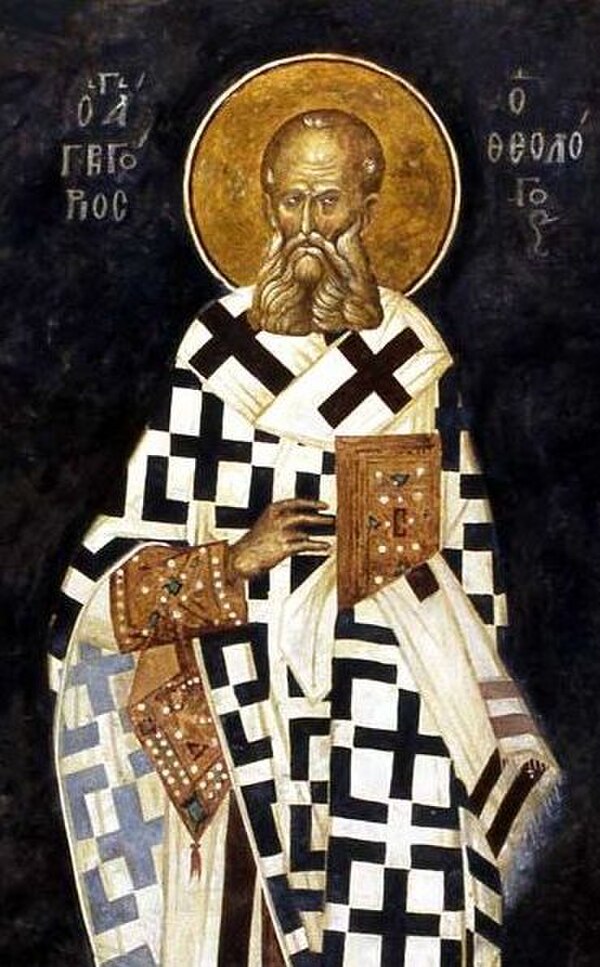 Gregory of NazianzusCappadocian Father, briefly Archbishop of Constantinople (380-381) and presider over the First Council of Constantinople. Known as 'the Theologian' for his Five Theological Orations.
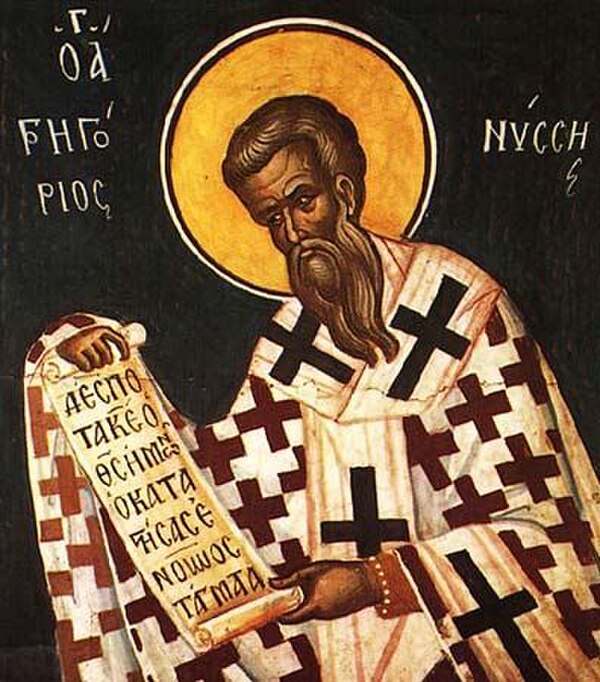 Gregory of NyssaYounger brother of Basil and the third Cappadocian Father. Author of the Life of Moses, Catechetical Oration, and Life of Macrina.
Book of the day
On the Holy Spirit
Basil of CaesareaA reading pick tied to today's figure, quote, era, or event. Basil gives the mature Cappadocian defense of the Spirit's divinity after Nicaea.
Daily Patristic Wisdom in your inbox
Get one early Church quote each morning, with historical context in plain English. Free. Unsubscribe whenever.