This week
Apostolic Fathers
AD 100 – 150 · The generation that knew the apostles or their immediate students.
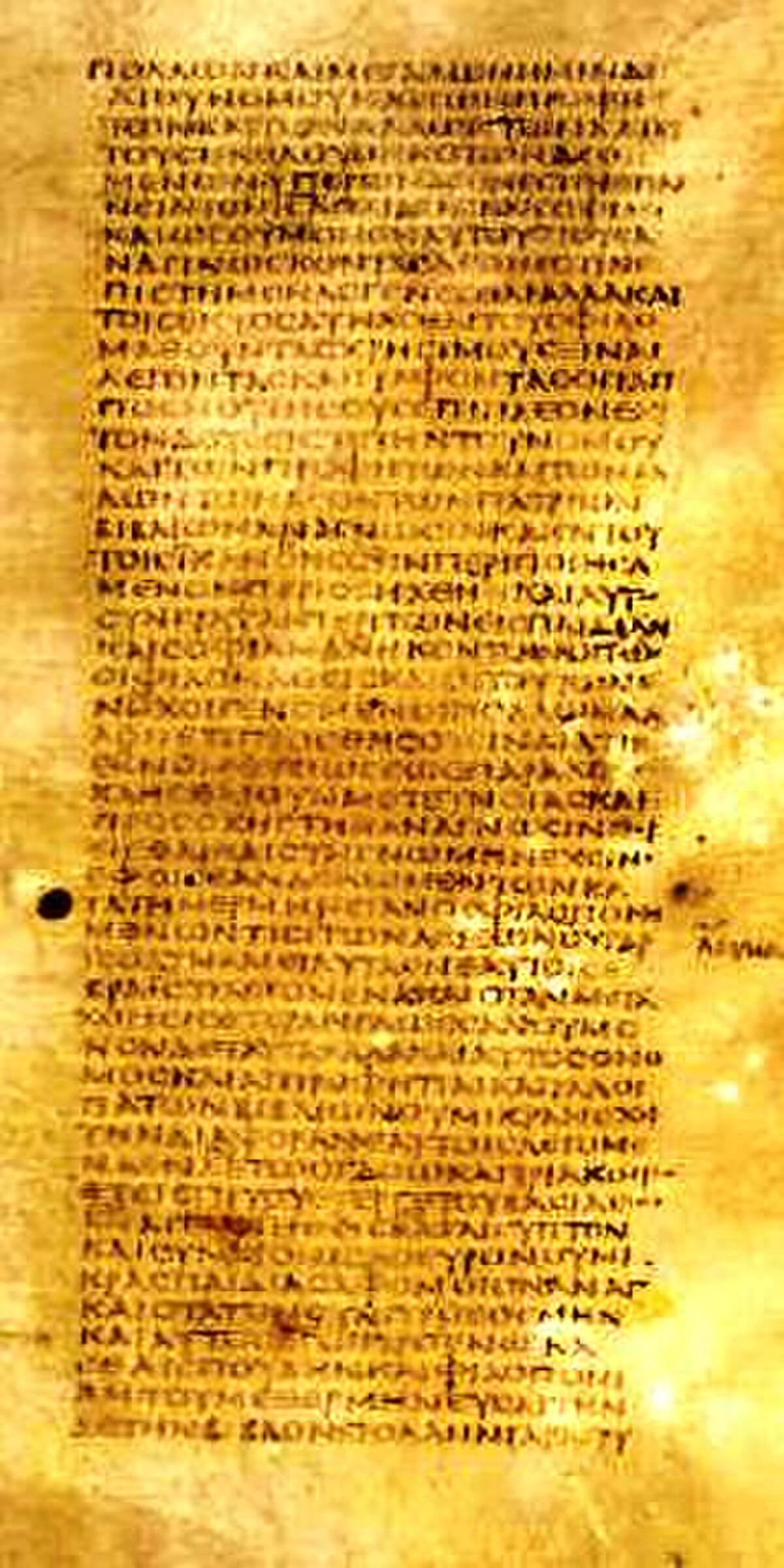
Why this week matters
The first Christians who weren't Christians by birth. The apostles were dead or dying when this generation was being formed; they grew up hearing about Jesus from people who'd touched him and heard him talk. None of them wrote a gospel. They wrote letters — to congregations in trouble, to bishops they'd never met, to the emperors who were starting to notice.
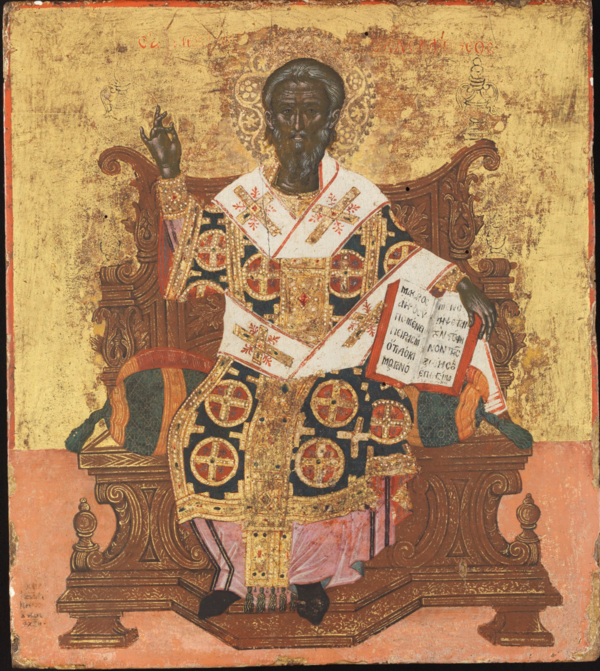
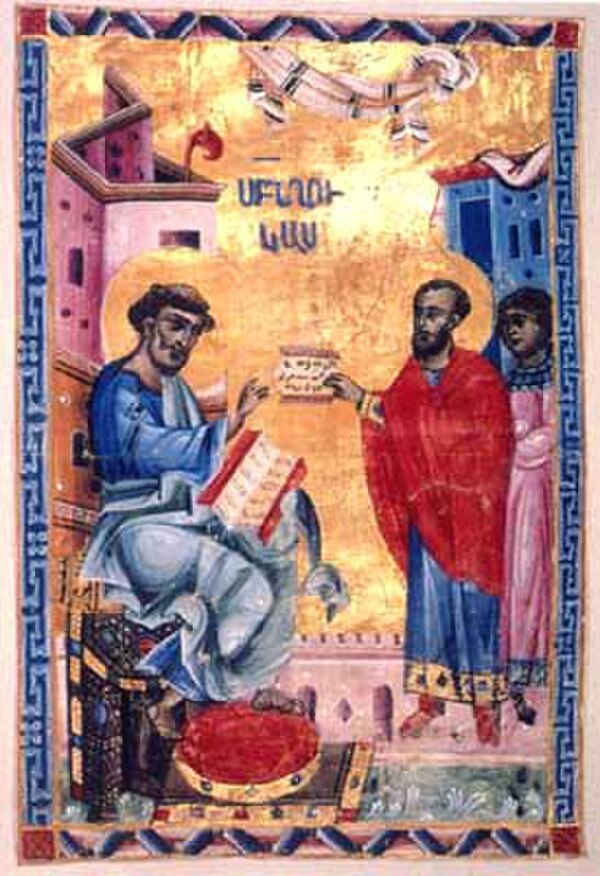
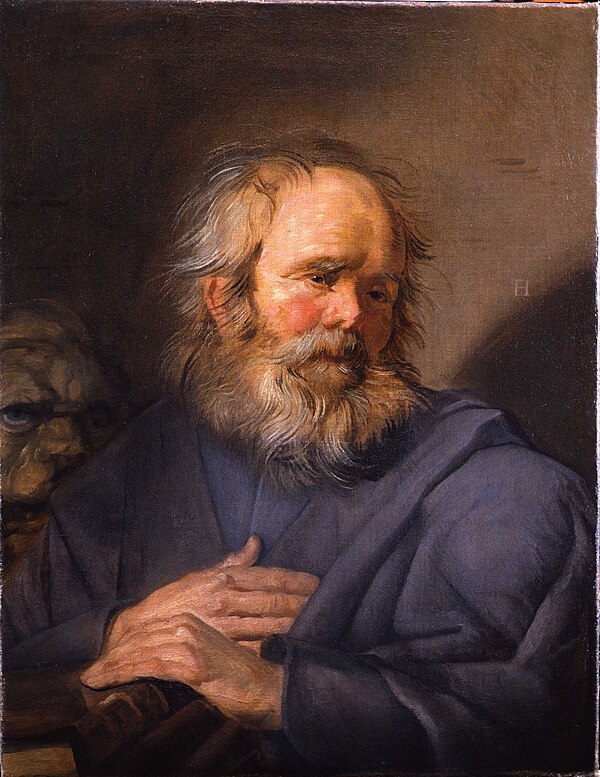
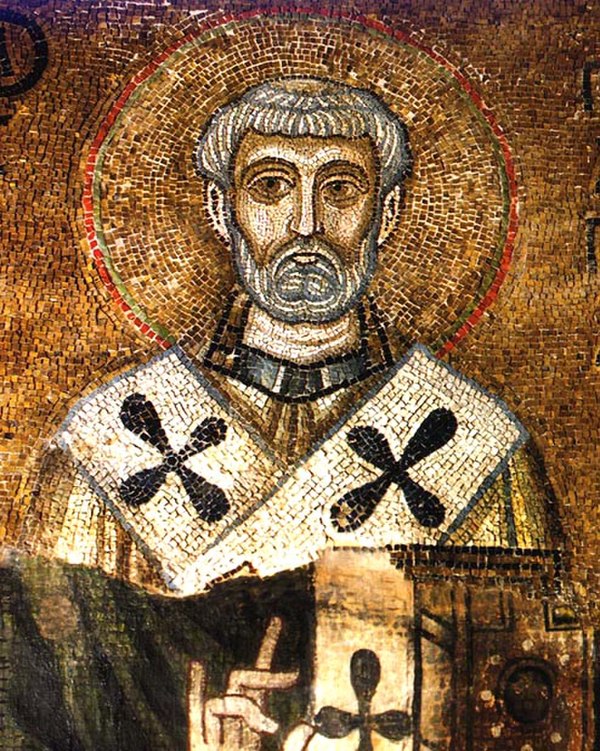
Three names carry the weight of the period. Clement of Rome, writing to the Corinthians around AD 96, is already invoking apostolic authority to settle a leadership dispute — the first non-canonical Christian text we have. Ignatius of Antioch, on his way to martyrdom in Rome around 110, fires off seven letters that fix the shape of the church: one bishop per city, no Eucharist without him, hold the line on the real humanity and real divinity of Christ. Polycarp of Smyrna, taught by John himself, lives until 155 and becomes the bridge from the apostles to Irenaeus and the next century.
What this era gives the church
- Monepiscopacy: one bishop per city, presbyters and deacons under him.
- No Eucharist apart from the bishop or his delegate.
- Christ is fully God and fully man — Docetism rejected.
- The Old Testament is Christian scripture (against Marcion).
Four people to know
Recommended reading
Primary texts and standard starting points tied to this period.
Clement of Rome
1 Clement (Letter to the Corinthians) · 96
Earliest surviving non-canonical Christian writing — a letter from Rome calling Corinth back to order amid factional strife, and the first witness to Roman intervention in another church's affairs.
Ignatius of Antioch
Letter to the Ephesians · 107
His longest letter; lays out the bishop-as-symbol-of-God-the-Father model that became universal.
Ignatius of Antioch
Letter to the Magnesians · 107
Argues Christians have moved beyond Sabbath observance to the Lord's Day.
Polycarp of Smyrna
Letter to the Philippians · 110
Pastoral letter and the bridge between the apostolic age and the Apostolic Fathers.
Book of the day
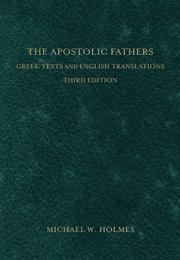
The Apostolic Fathers
Clement of RomeA reading pick tied to today's figure, quote, era, or event. Best first collection for Clement, Ignatius, Polycarp, the Didache, Barnabas, Hermas, and Papias in one place.
Daily Patristic Wisdom in your inbox
Get one early Church quote each morning, with historical context in plain English. Free. Unsubscribe whenever.