Constantine the Great
c. 272 – 337 · Naissus
Also known as Constantine I · Flavius Valerius Constantinus
Feast: 21 May (Orthodox)
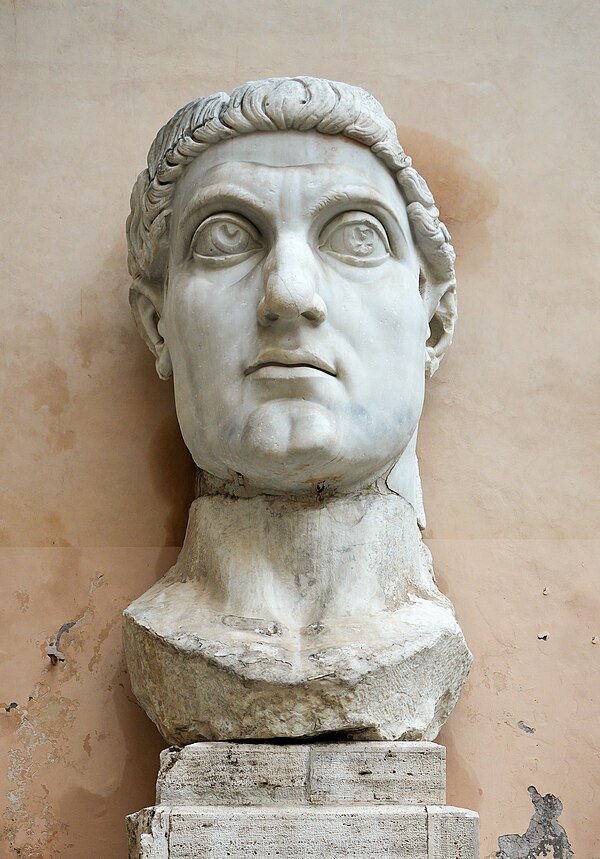
First Christian Roman emperor. Issued the Edict of Milan (313), convened the Council of Nicaea (325), and was baptized on his deathbed by Eusebius of Nicomedia.
Highlights
- Main contribution
- Constantine changed the conditions under which Christianity lived.
- Event connection
- Edict of Milan (313)
- Primary source
- Eusebius, Vita Constantini 1-4
Constantine changed the conditions under which Christianity lived. Before him, the church could be persecuted; after the Edict of Milan in 313, it could own property, build openly, receive imperial favour, and gather bishops under imperial summons. He convened the Council of Nicaea in 325, founded Constantinople, and tied Christian history to Roman power in a new way. He did not make Christianity the state religion, and his own baptism came only at the end of his life, but every later Christian argument about empire, patronage, and political power runs through him.
Primary sources
- ·Eusebius, Vita Constantini 1-4
- ·Lactantius, De Mortibus Persecutorum 44-48
- ·Socrates Scholasticus, Hist. Eccl. 1.1-1.39
Book of the day
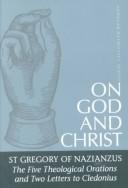
Five Theological Orations
Gregory of NazianzusA reading pick tied to today's figure, quote, era, or event. Dense but decisive sermons on the Trinity from the theologian of Constantinople.
Daily Patristic Wisdom in your inbox
Get one early Church quote each morning, with historical context in plain English. Free. Unsubscribe whenever.