This week
Ante-Nicene
AD 200 – 325 · Bishops define orthodoxy under persecution. Ends with the Council of Nicaea.
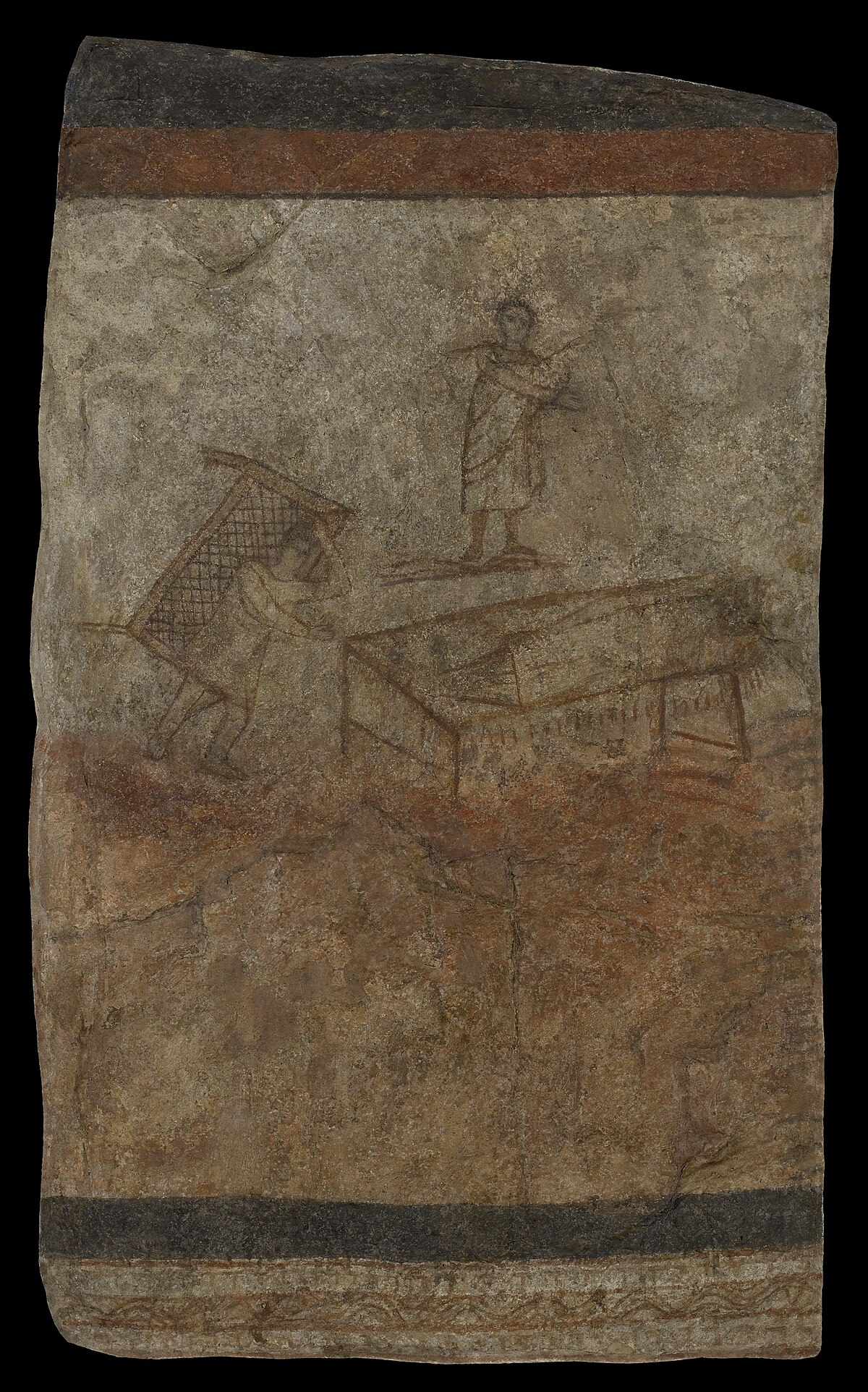
Why this week matters
The two centuries before Constantine are when Christianity stops being a fringe movement and becomes a durable institution. Three things drive the period: persecution, theological consolidation, and the rise of the great catechetical schools.
Persecution comes in waves — Severus (202), Decius (250), Valerian (257), and finally the Great Persecution under Diocletian (303–311), the most systematic and bloody of all. Cyprian of Carthage is martyred in 258 wrestling with what to do with Christians who lapsed; the church almost splits over forgiveness. Origen of Alexandria, the most prolific theologian of antiquity, is tortured in the Decian persecution and dies of his injuries. Through it all the church grows.
What this era gives the church
- Trinitarian and Christological vocabulary (persona, substantia, hypostasis) takes shape.
- Apostolic succession + rule of faith + scripture are the three-legged stool of orthodoxy.
- The Son is homoousios — of the same substance as the Father (Nicaea, against Arius).
- Easter date partially standardised at Nicaea.
Four people to know
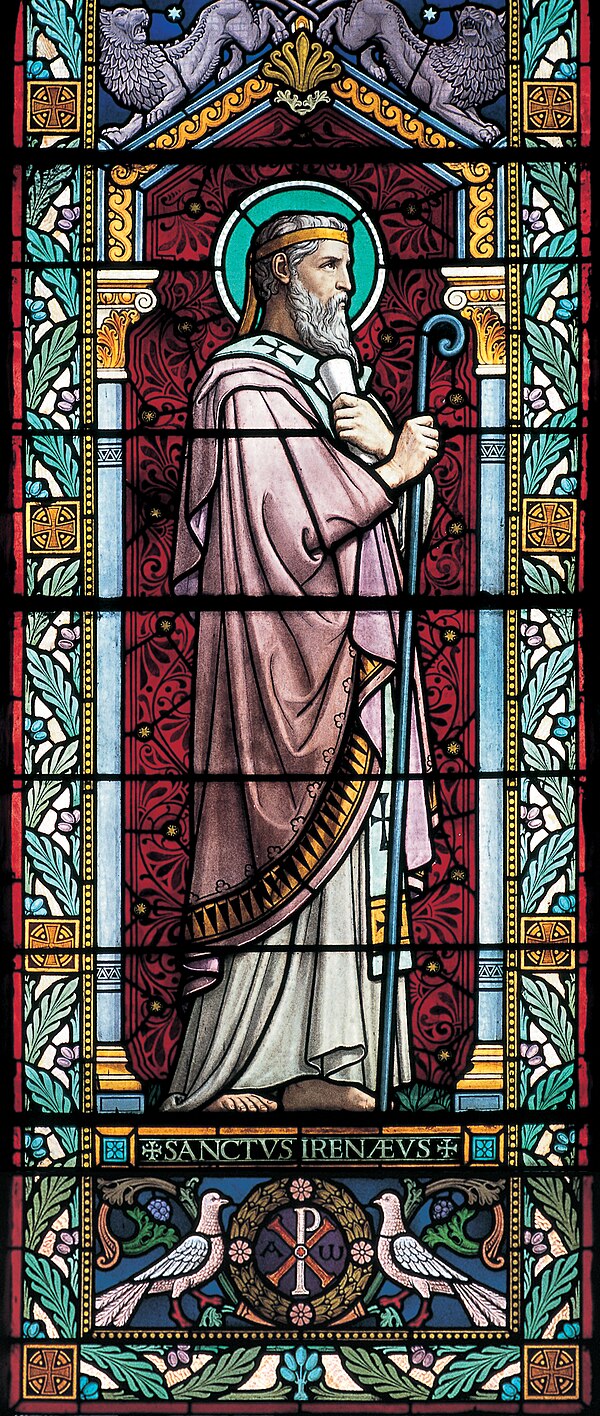

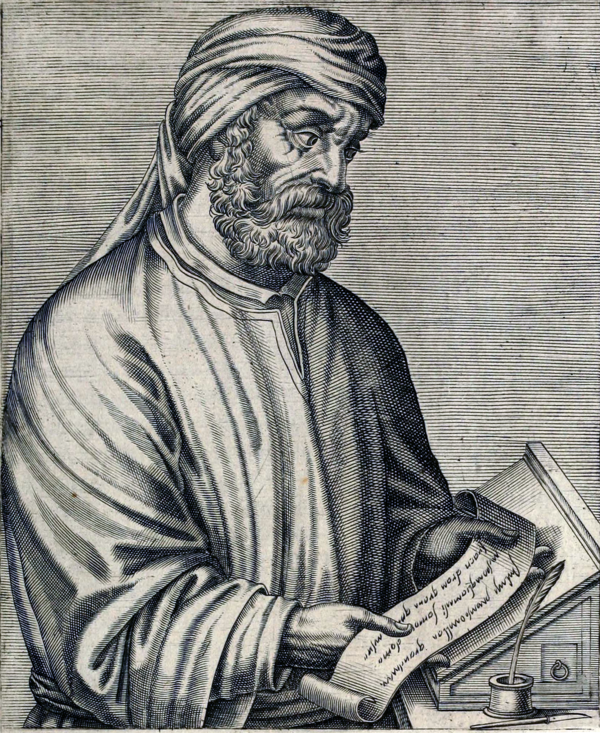
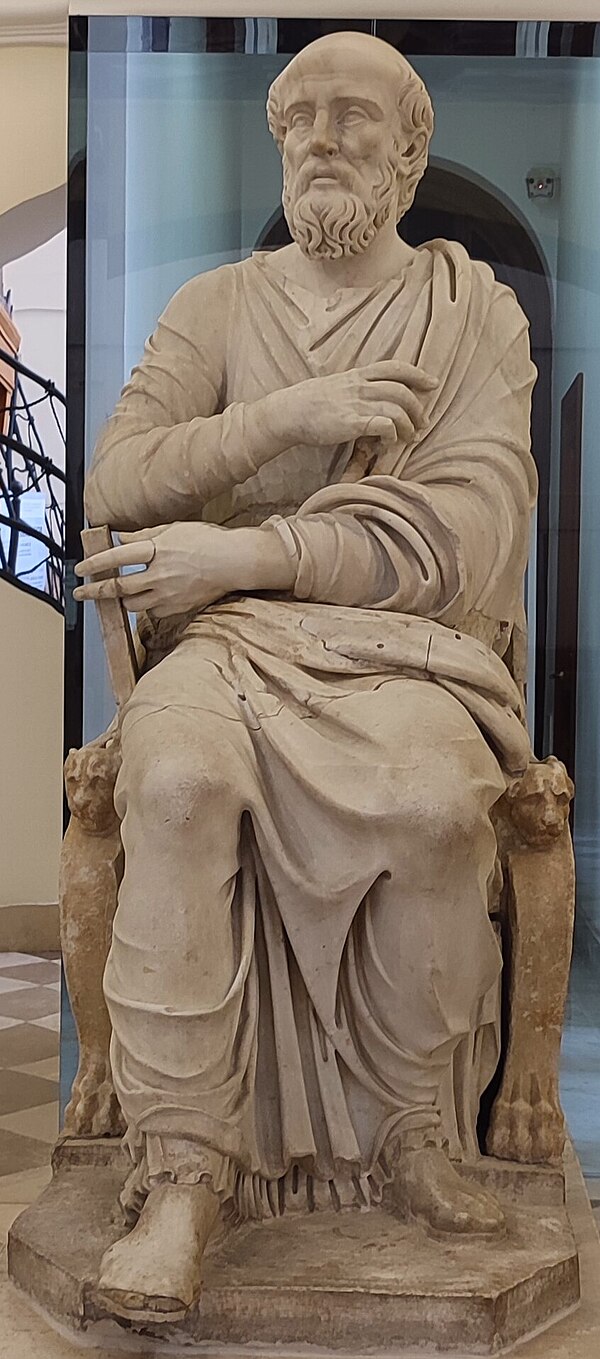
Recommended reading
Primary texts and standard starting points tied to this period.
Justin Martyr
First and Second Apology · 155
Public defenses of Christianity addressed to Antoninus Pius, the earliest sustained Christian apologetics.
Justin Martyr
Dialogue with Trypho · 160
Long imagined dialogue with a Jewish interlocutor, arguing Christ from the Hebrew scriptures.
Irenaeus of Lyons
Against Heresies · 180
Five-book refutation of Gnosticism — the earliest large-scale defense of apostolic Christianity.
Clement of Alexandria
Stromata (Miscellanies) · 200
Eight books weaving Greek philosophy and Christian doctrine — an early Christian intellectual synthesis.

Book of the day
Against Heresies
Irenaeus of LyonsA reading pick tied to today's figure, quote, era, or event. The key text for public apostolic tradition, anti-gnostic argument, and the chain from John to Polycarp to Irenaeus.
Daily Patristic Wisdom in your inbox
Get one early Church quote each morning, with historical context in plain English. Free. Unsubscribe whenever.