This week
Apologists
AD 130 – 200 · Christians defending the faith in writing to pagans and heretics.
Why this week matters
Once Christianity got big enough that emperors and philosophers had to take notice, it had to learn to argue back. The Apologists are the first Christians to write for outsiders — addressing emperors directly, refuting pagan philosophy on its own terms, taking the gnostic and Marcionite heresies apart line by line.
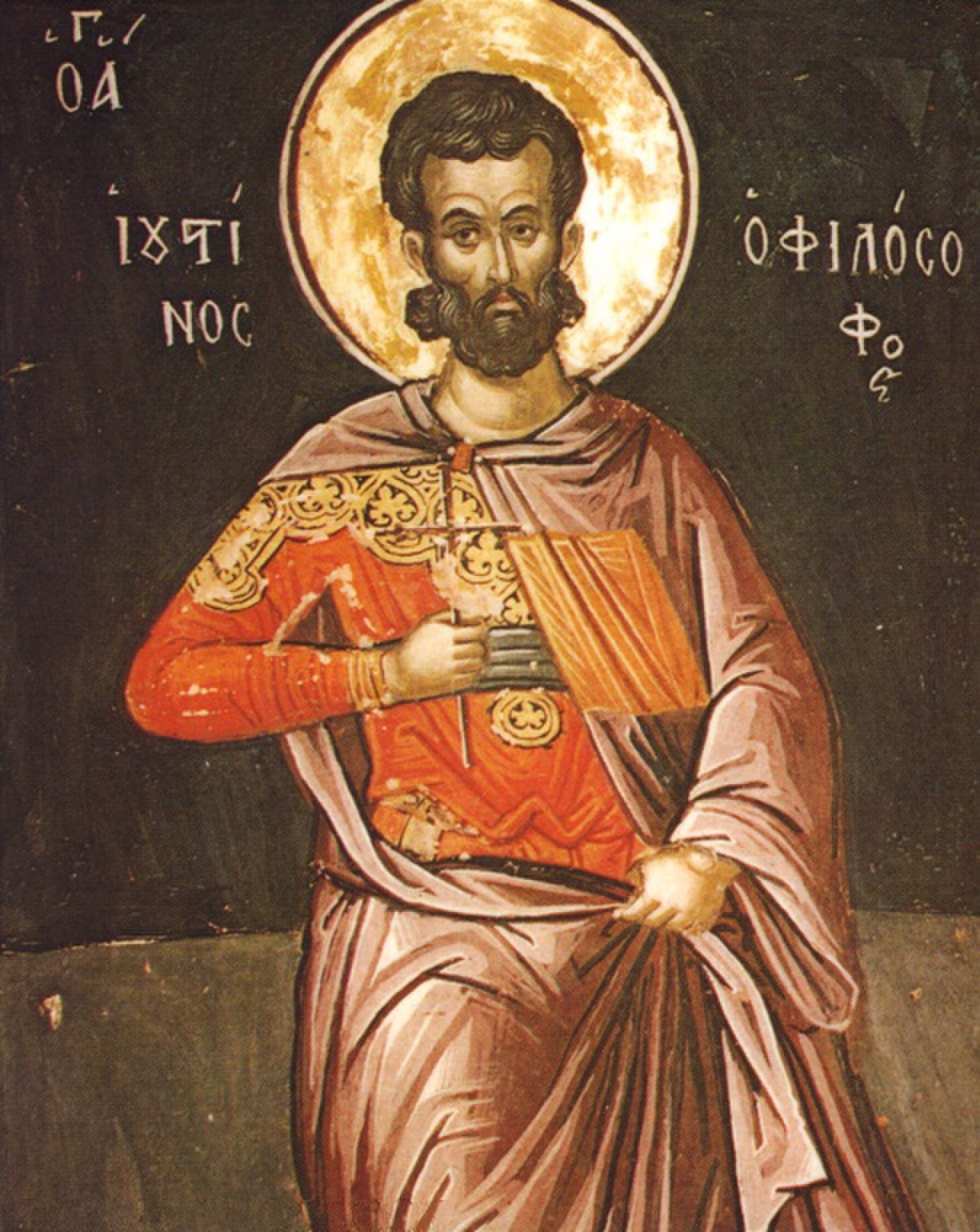
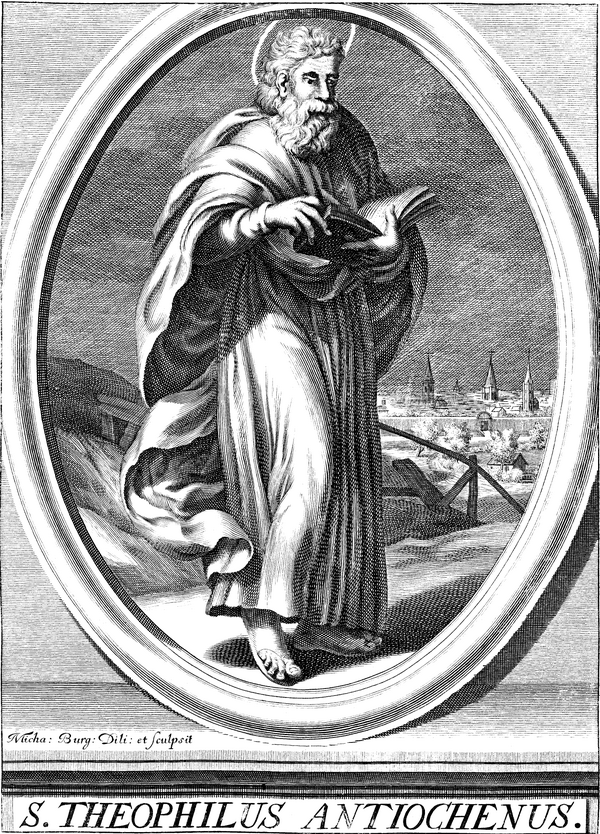
Justin Martyr is the prototype: a philosopher in a philosopher's cloak who walked into Rome, opened a school, and wrote two Apologies to Antoninus Pius arguing that Christianity is the true philosophy and Socrates was a Christian without knowing it. He was beheaded for his trouble around 165. Tatian, his student, wrote the Diatessaron — the four gospels woven into one narrative, the standard Syrian gospel for centuries. Athenagoras pleaded for tolerance. Theophilus of Antioch coined the word 'Trinity.'
What this era gives the church
- Christianity is publicly defensible philosophy, not a mystery cult.
- Apostolic succession of bishops is the test of authentic teaching (Irenaeus).
- Gnosticism — secret saving knowledge, evil creator — is heresy.
- The four-gospel canon is fixed (Irenaeus: 'four gospels, no more, no less').
Four people to know
Recommended reading
Primary texts and standard starting points tied to this period.
Justin Martyr
First and Second Apology · 155
Public defenses of Christianity addressed to Antoninus Pius, the earliest sustained Christian apologetics.
Justin Martyr
Dialogue with Trypho · 160
Long imagined dialogue with a Jewish interlocutor, arguing Christ from the Hebrew scriptures.

Book of the day
First and Second Apologies
Justin MartyrA reading pick tied to today's figure, quote, era, or event. The classic first stop for Christians explaining their faith before emperors, philosophers, and pagan Rome.
Daily Patristic Wisdom in your inbox
Get one early Church quote each morning, with historical context in plain English. Free. Unsubscribe whenever.