Council · Today in 313
Edict of Milan
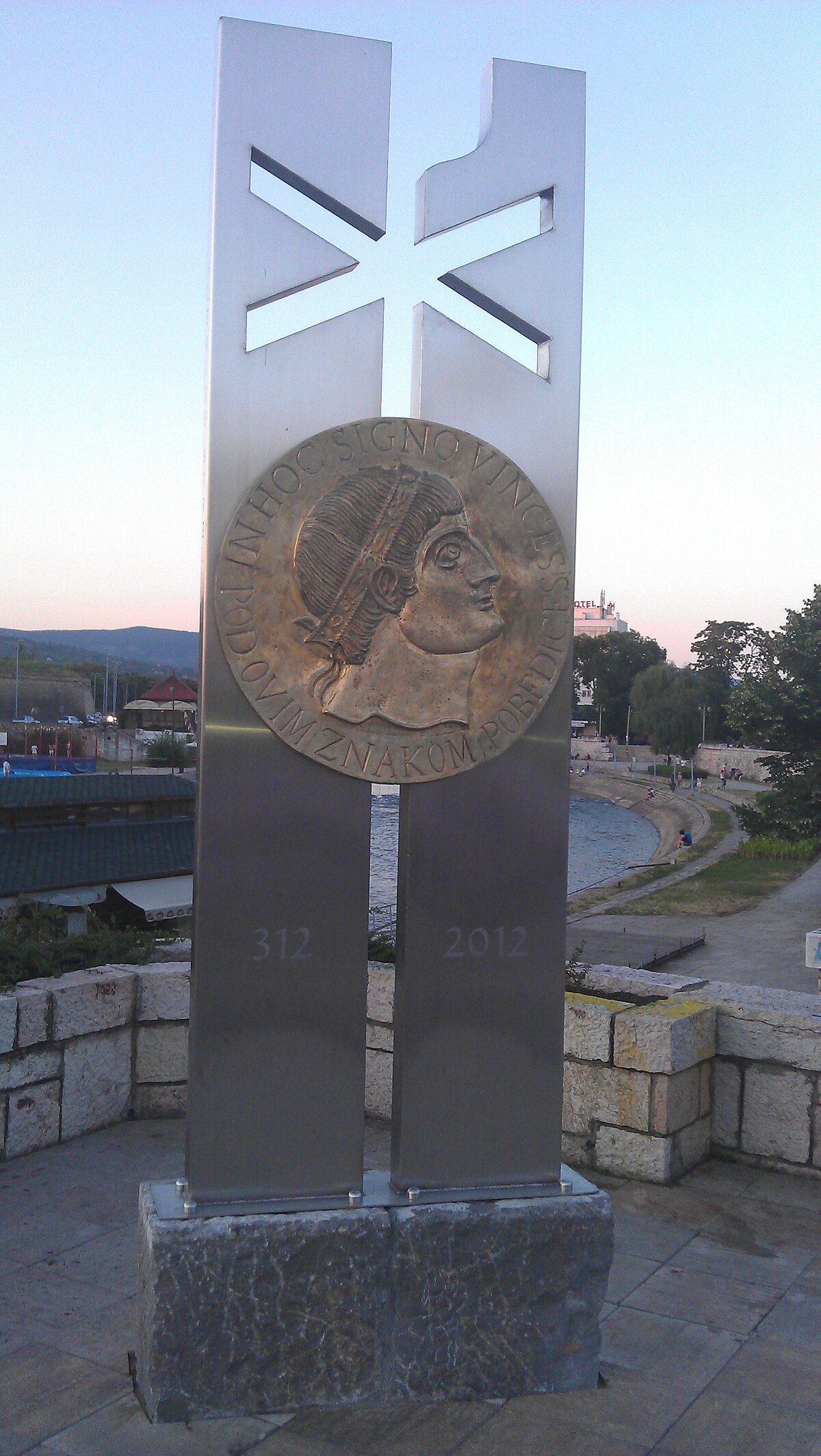
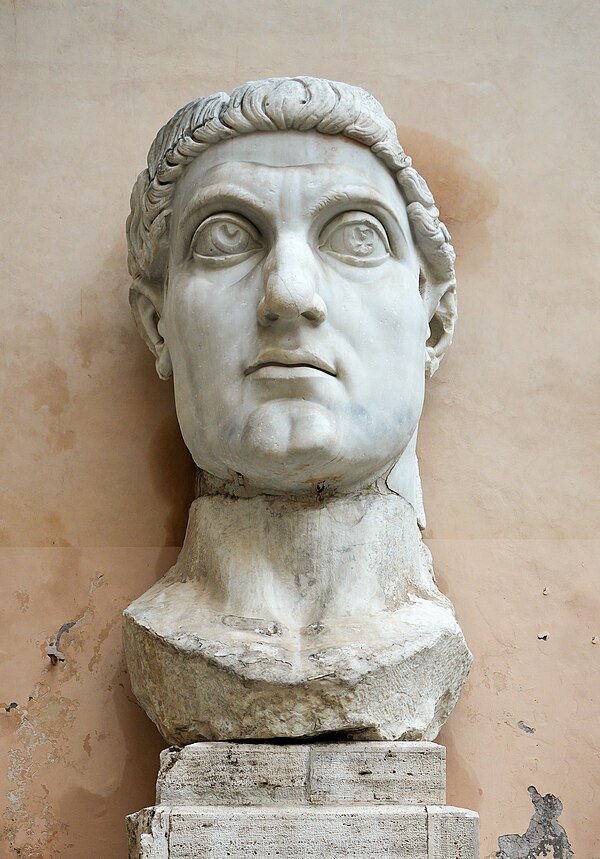
For centuries, Christians could lose property, freedom, or even their lives because of their faith. In 313, emperors Constantine and Licinius ended that legal persecution and returned property that had been seized. Christianity did not become the empire's official religion overnight. But churches could now meet openly, own buildings, and organise publicly. That new freedom made great councils and basilicas possible—and brought the church much closer to imperial power.
The persecution era ended; the council age began.
Highlights
- Christian property was restored.
- Public worship became safer.
- The church could build openly.
- Imperial patronage reshaped Christian life.
How it happened
What happened
Constantine and Licinius granted religious toleration and restored confiscated Christian property.
The argument
This was not a doctrinal council; it was a political settlement about religious freedom after persecution.
What changed
Christianity moved from vulnerable illegal status to public legality and imperial favor.
Why it matters
The change made the council age possible, with all its opportunities and dangers.
Book of the day
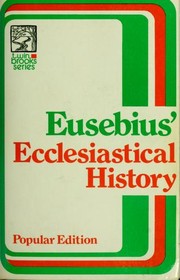
Ecclesiastical History
Eusebius of CaesareaA reading pick tied to today's figure, quote, era, or event. The ancient source behind a huge amount of what we know about bishops, martyrs, succession lists, and early controversies.
Daily Patristic Wisdom in your inbox
Get one early Church quote each morning, with historical context in plain English. Free. Unsubscribe whenever.