Pambo of Nitria

c. 303 – c. 375
MonkPresbyter

Quick facts

Born
c. 303
Died
c. 375, Nitria
Region
egypt
Era
desert father
Significance
Notable(2/4)
Also known as
Abba Pambo

Highlights

Main contribution
One of the founding generation of monks at Nitria in Lower Egypt, ordained presbyter and remembered as a teacher of silence and discernment.
Primary source
Palladius, Historia Lausiaca 10

One of the founding generation of monks at Nitria in Lower Egypt, ordained presbyter and remembered as a teacher of silence and discernment. According to Palladius and the Apophthegmata he taught the Tall Brothers and received a visit from Melania the Elder shortly before his death. His sayings on guarding the tongue and on holy reading were widely transmitted in the desert literature.

Recommended reading near Pambo

A cover-visible starting point chosen from the curated reading path, either by this figure or by their era.

More books →
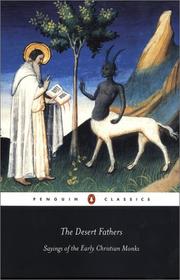
Cover of The Desert Fathers, translated by Benedicta Ward
Start here if doctrine pages feel too abstract.

Sayings of the Desert Fathers

Anthony the Great

Short sayings from Egyptian monasticism: memorable, strange, practical, and easy to read in small doses.

Chain to Jesus

Loading…

Common questions

Who was Pambo of Nitria?
Pambo of Nitria (303–375) — One of the founding generation of monks at Nitria in Lower Egypt, ordained presbyter and remembered as a teacher of silence and discernment. According to Palladius and the Apophthegmata he taught the Tall Brothers and received a visit from Melania the Elder shortly before his death. His sayings on guarding the tongue and on holy reading were widely transmitted in the desert literature.
Who did Pambo of Nitria meet?
Melania the Elder.

Sources for biography

  • Palladius, Historia Lausiaca 10 primary
  • Apophthegmata Patrum, alphabetical collection s.v. Pambo primary
  • Socrates, Hist. Eccl. 4.23 primary

documented connections(1)

  • Palladius records Melania the Elder visiting Pambo at Nitria shortly before his death and Pambo dying in her presence.
    Palladius, Historia Lausiaca 10, 46

External resources

·XFacebookRedditEmail