Council · Today in 680
Third Council of Constantinople
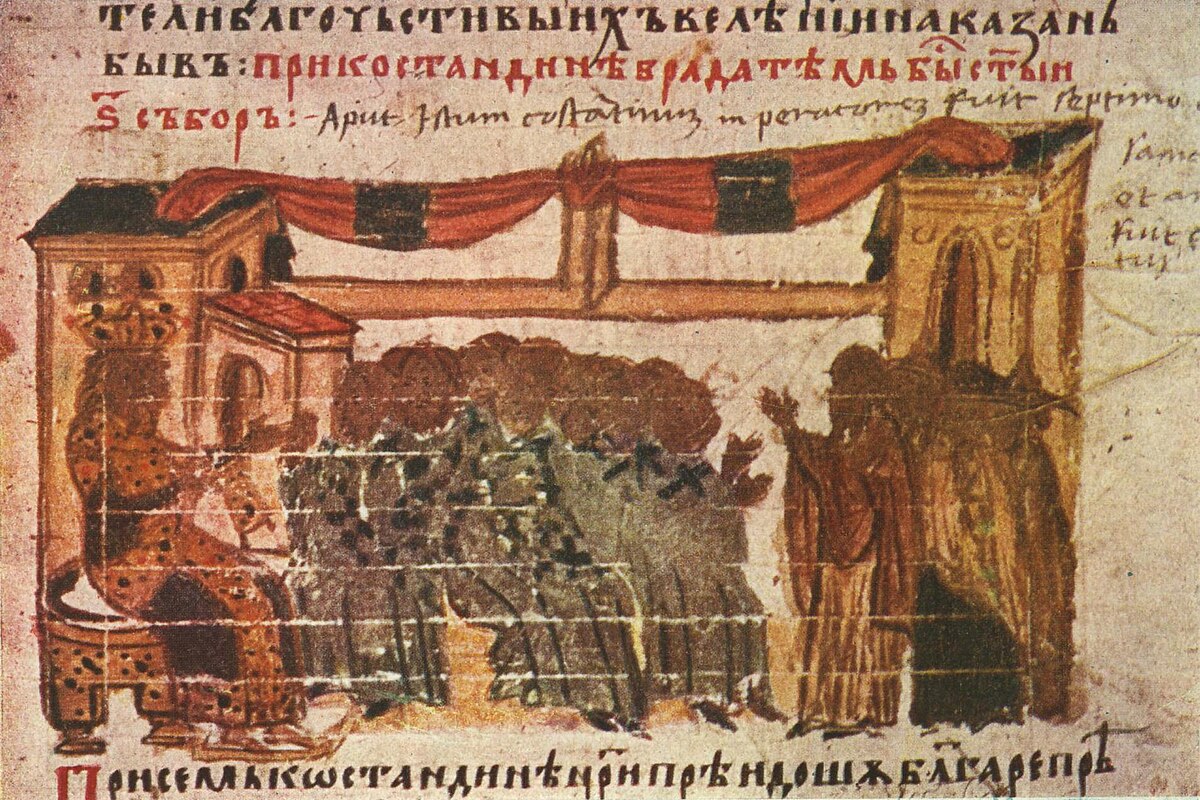
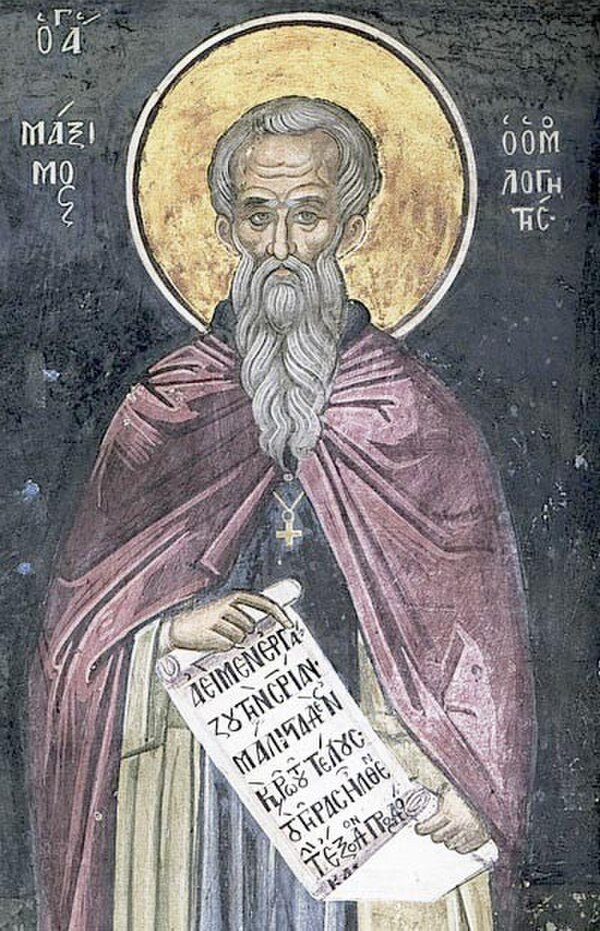
A new compromise tried to end old arguments about Jesus: perhaps he had both a divine and a human nature, but only one will. Maximus the Confessor objected. If Jesus did not take on a real human will, he argued, then human willing had not been healed. The council agreed after Maximus' death: Jesus has both a divine will and a human will, united without conflict in one person.
Christ has two wills because he is fully God and fully human.
Highlights
- The one-will compromise was condemned.
- Maximus was vindicated.
- Jesus was said to have both a human and divine will.
- The council built on Chalcedon's teaching.
How it happened
What happened
The council condemned Monothelitism after decades of imperial attempts to use it as a compromise formula.
The argument
Does Christ have one will or two? Maximus argued that a complete human nature includes a human will.
What changed
The council confessed two wills in Christ, divine and human, united without opposition.
Why it matters
It completed Chalcedonian logic: what Christ does not assume, he does not heal.
Book of the day
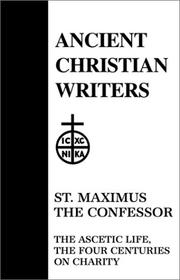
Centuries on Charity
Maximus the ConfessorA reading pick tied to today's figure, quote, era, or event. A more approachable route into Maximus than starting with the Ambigua.
Daily Patristic Wisdom in your inbox
Get one early Church quote each morning, with historical context in plain English. Free. Unsubscribe whenever.