This week
Post-Nicene
AD 451 – 600 · Christology aftermath, the rise of monasticism, and Augustine's legacy.
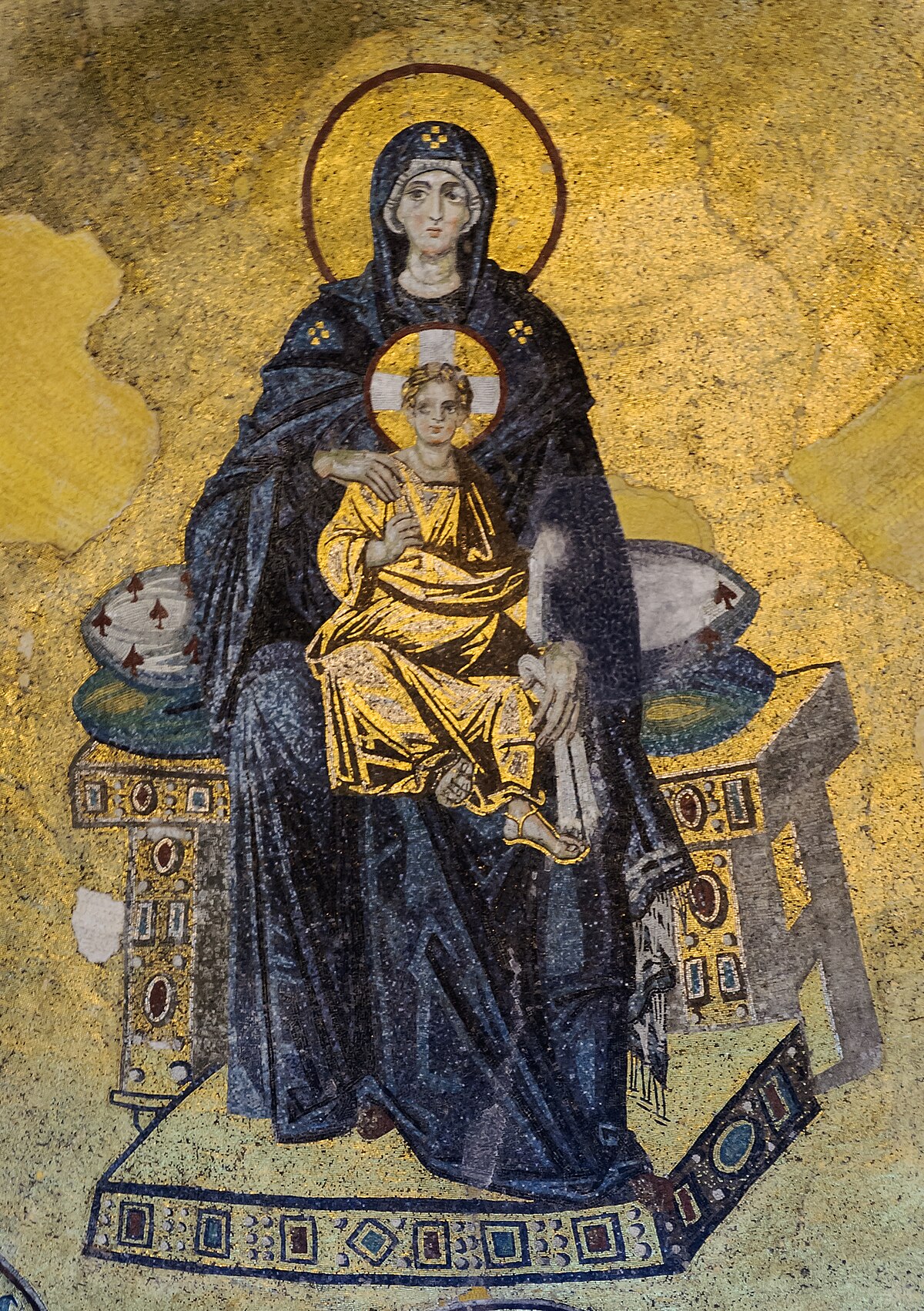
Why this week matters
Chalcedon settled the doctrine but split the church. The Coptic, Ethiopian, Syriac, and Armenian churches reject Chalcedon as too Nestorian and go their own way — they are still going their own way fifteen centuries later. The Byzantine emperors spend the rest of the century trying and failing to reconcile them; Justinian's Three Chapters edict (544) and the Second Council of Constantinople (553) are the high-water mark of that effort.
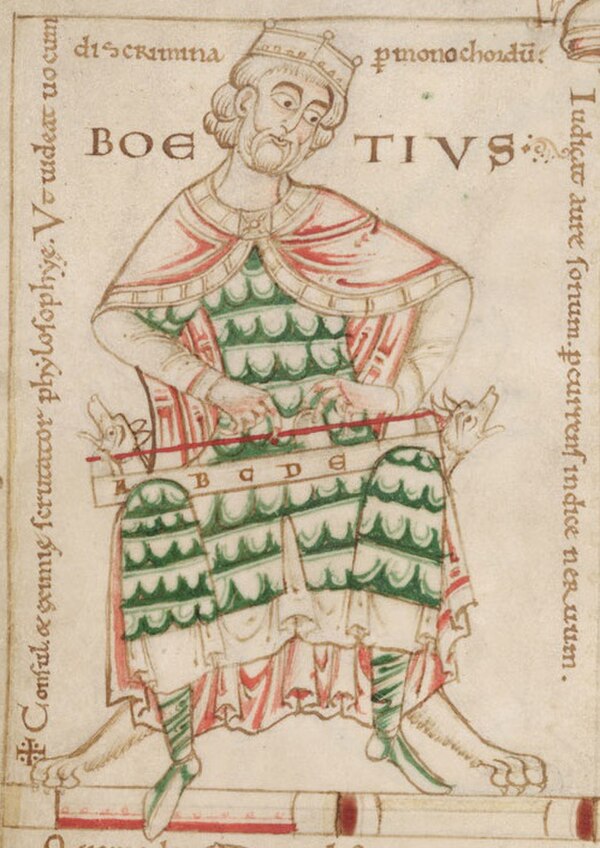
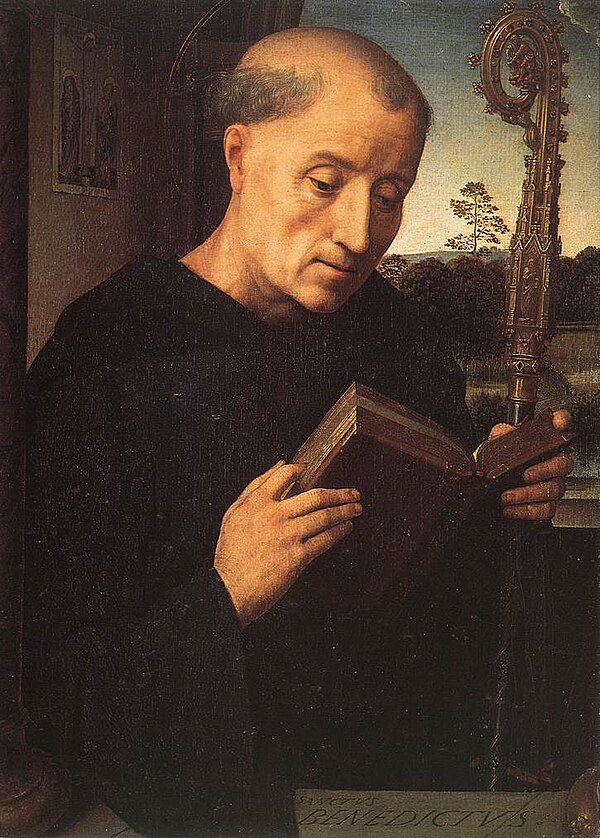
The bigger story is the collapse of the Western empire and the rise of the monasteries. Rome had already fallen to Alaric in 410. By the late 400s the western provinces are run by Goths, Vandals, and Franks. The bishops are now the only Roman institution still standing in the west — Leo the Great talks Attila the Hun out of sacking Rome in 452. Augustine's vast theological corpus is being sorted, copied, and transmitted by Cassiodorus and Boethius. Benedict of Nursia writes the Rule around 540 that will define western monasticism for the next millennium.
What this era gives the church
- The Rule of Benedict becomes the norm of Western monasticism.
- Origenism is formally condemned (Constantinople II, 553).
- Latin theology consolidates around an Augustinian framework.
- Non-Chalcedonian churches (Coptic, Syriac, Armenian) separate permanently.
Four people to know
Recommended reading
Primary texts and standard starting points tied to this period.
Boethius
The Consolation of Philosophy · 524
Prison dialogue with Lady Philosophy — the most-read book of the Middle Ages outside the Bible.
Benedict of Nursia
The Rule of Saint Benedict · 540
Seventy-three chapters that organized Western monasticism for fifteen centuries.
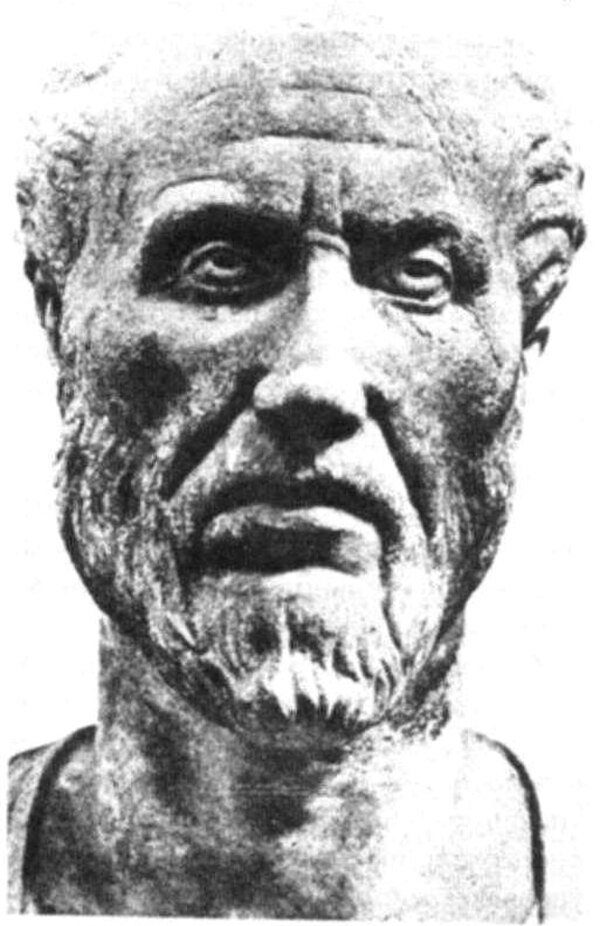
Pseudo-Dionysius the Areopagite
The Complete Works · 500
Mystical Theology, Divine Names, Celestial and Ecclesiastical Hierarchies — the most influential mystical corpus in Christian history.
Pope Gregory I (the Great)
Pastoral Care (Liber Regulae Pastoralis) · 591
Manual for bishops — the standard handbook for medieval prelates.

Book of the day
City of God
Augustine of HippoA reading pick tied to today's figure, quote, era, or event. Augustine's answer to Rome's collapse: two cities, providence, empire, worship, and Christian hope.
Daily Patristic Wisdom in your inbox
Get one early Church quote each morning, with historical context in plain English. Free. Unsubscribe whenever.