Schism · Today in 410
Sack of Rome by Alaric
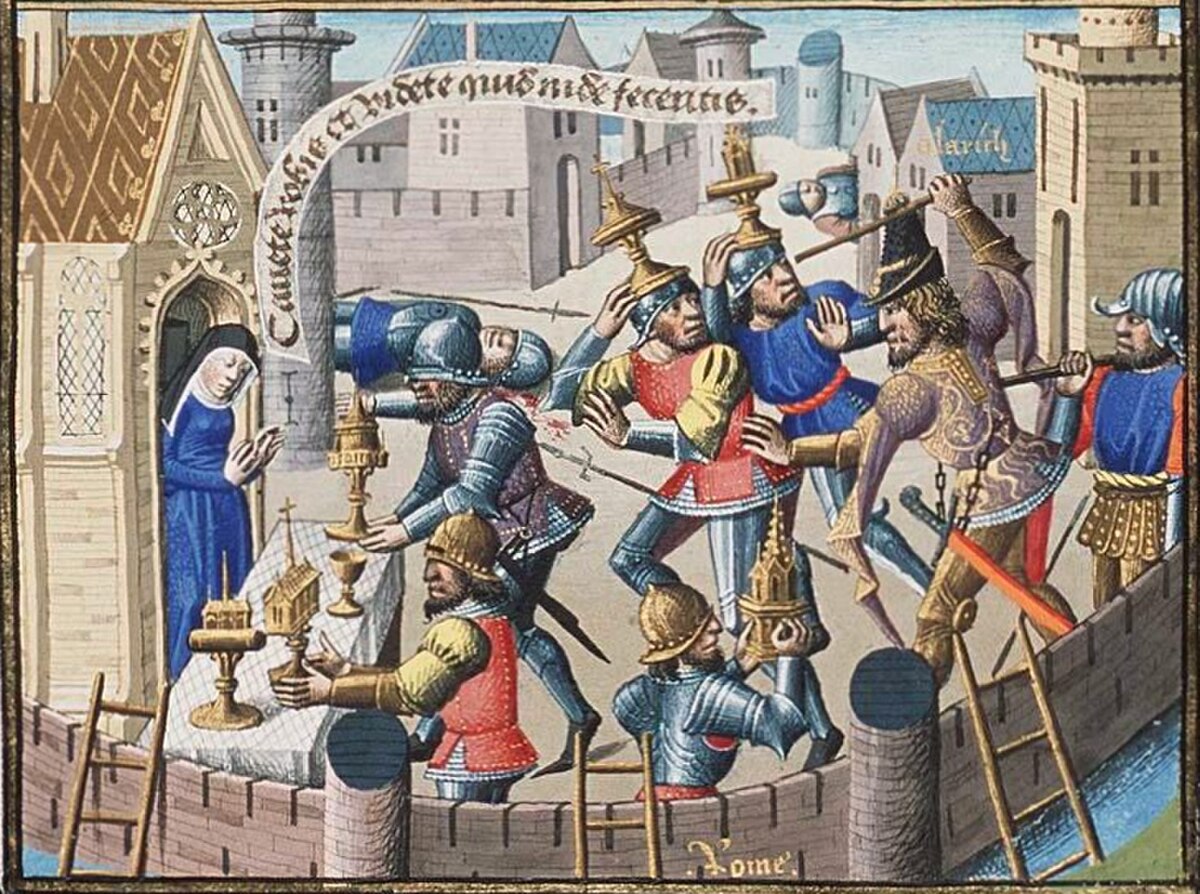
When Alaric's army sacked Rome, the supposedly eternal city suddenly looked fragile. Critics blamed Christianity, saying the old gods had protected Rome better. Christians wondered what to make of a world in which Rome itself could fall. Augustine answered in his great book City of God. He said no earthly empire—not even Rome—is God's final city. The disaster became the occasion for a new Christian way of understanding history, politics, and hope.
Rome can fall; the city of God cannot.
Highlights
- Rome was sacked in 410.
- Pagans blamed Christians.
- Augustine wrote City of God.
- Christian history was reimagined.
How it happened
What happened
Alaric's Goths sacked Rome, shocking Christians and pagans across the empire.
The argument
Did Christianity cause Rome's fall by abandoning the old gods, or had Christians misunderstood what earthly cities can promise?
What changed
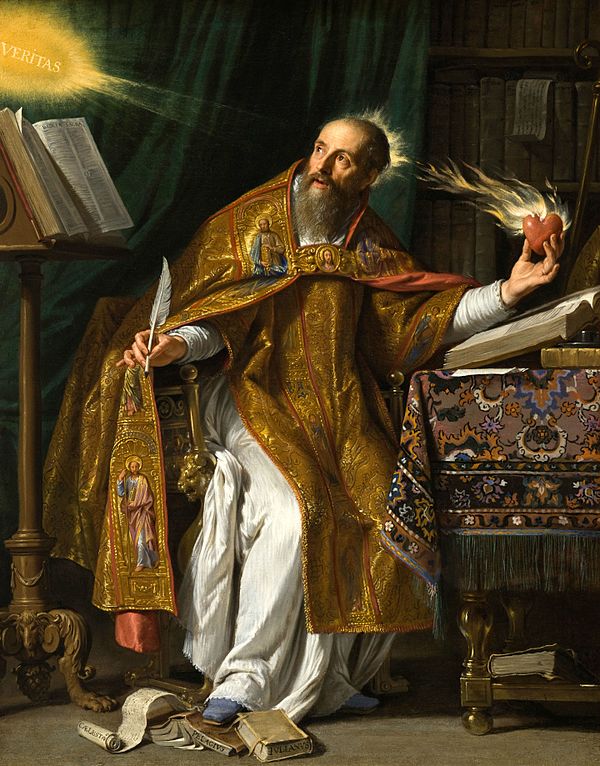
Augustine answered the crisis with City of God, reframing history around two loves and two cities.
Why it matters
The event pushed Christian theology to explain political collapse without losing hope.
People in the story

Book of the day
City of God
Augustine of HippoA reading pick tied to today's figure, quote, era, or event. Augustine's answer to Rome's collapse: two cities, providence, empire, worship, and Christian hope.
Daily Patristic Wisdom in your inbox
Get one early Church quote each morning, with historical context in plain English. Free. Unsubscribe whenever.