Schism · Today in 311
Donatist schism opens in Africa
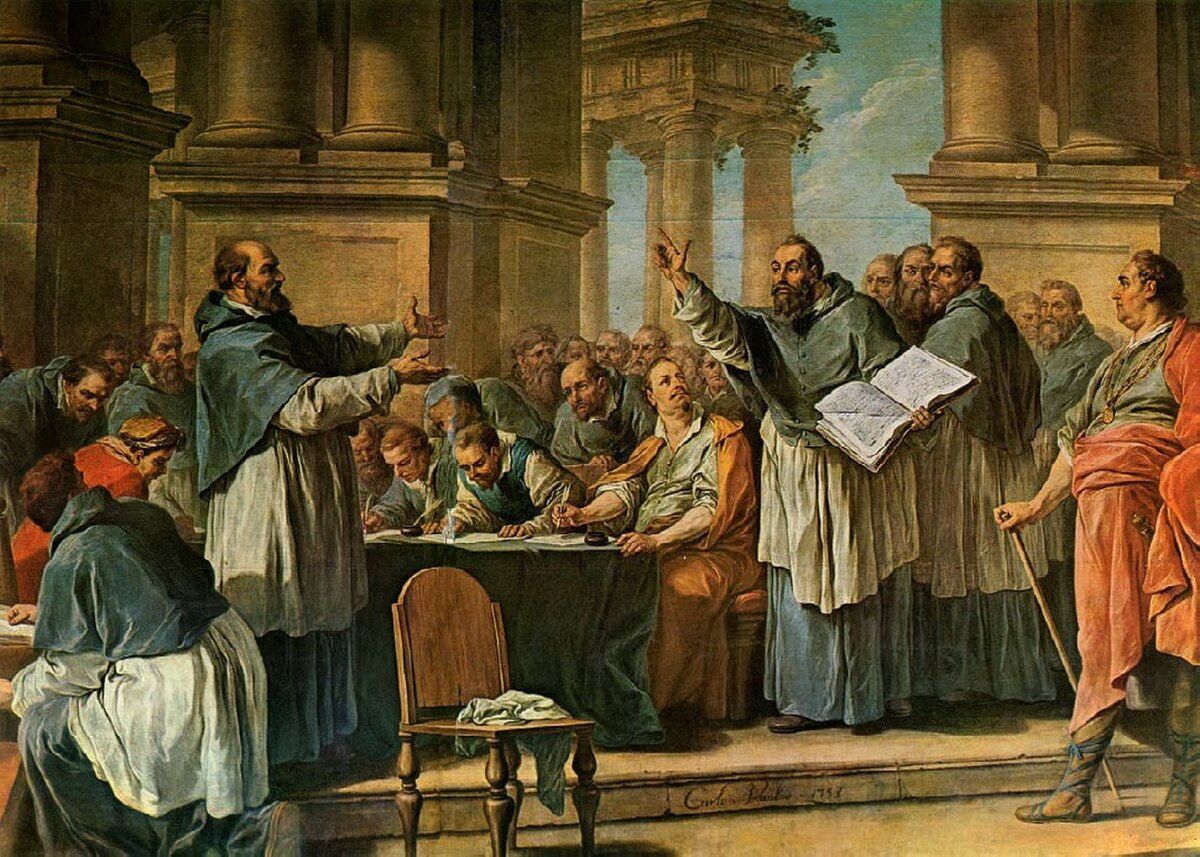
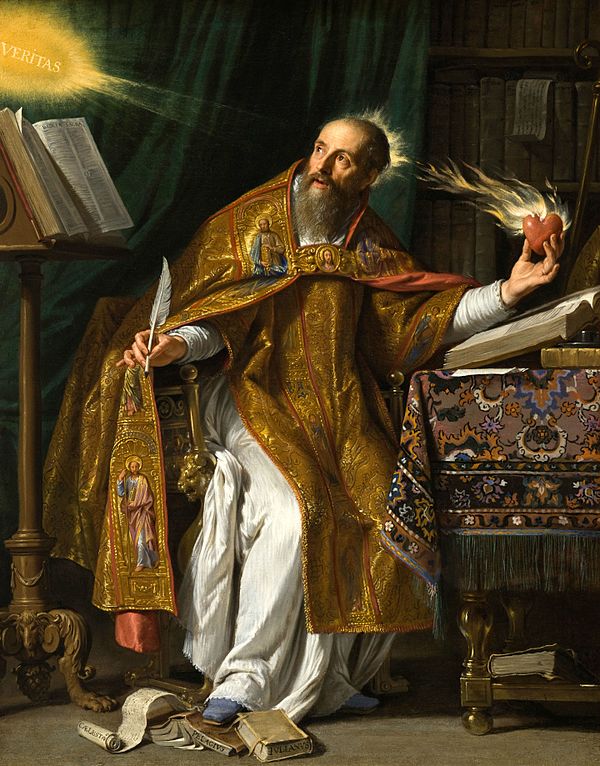
After a brutal persecution, Christians faced a painful question: could a bishop who had handed over sacred books or denied the faith under pressure still lead the church and administer baptism or communion? Donatus and his followers said no—the church had to remain pure. Other North African Christians said the sacraments depend on Christ, not on the moral record of the minister. Augustine spent years defending that second view: the church is a place where sinners are healed, not a club reserved for the flawless.
The church is a hospital, not a society of the flawless.
Highlights
- The issue came from persecution.
- Donatus rejected compromised clergy.
- Augustine defended sacramental objectivity.
- The dispute lasted for generations.
How it happened
What happened
North African Christians split over the legitimacy of clergy accused of betrayal during persecution.
The argument
Do sacraments depend on the holiness of the minister, or on Christ who acts through the church?
What changed
The Catholic answer treated sacramental validity as resting on Christ rather than clerical purity.
Why it matters
The Donatist dispute shaped later Western teaching on sacraments, church purity, coercion, and unity.
People in the story
Book of the day
On the Unity of the Catholic Church
Cyprian of CarthageA reading pick tied to today's figure, quote, era, or event. A compact North African argument for episcopal unity during persecution and schism.
Daily Patristic Wisdom in your inbox
Get one early Church quote each morning, with historical context in plain English. Free. Unsubscribe whenever.