Maximus the Confessor
c. 580 – 662 · Constantinople
Also known as Maximus Confessor · Maximos
Feast: 13 August (Catholic) · 21 January (Orthodox)
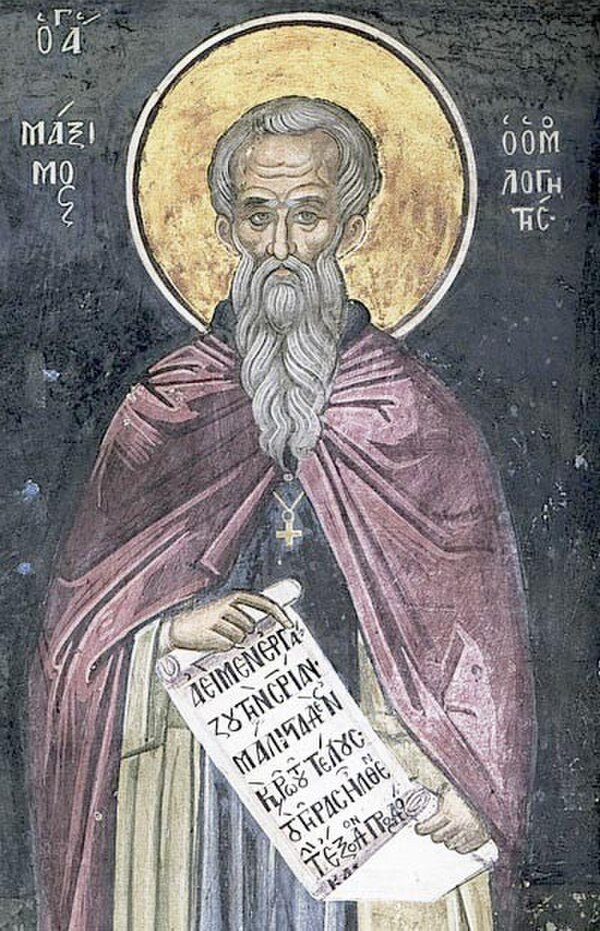
Greek monk and the principal theological opponent of Monothelitism. Defended two wills (divine and human) in Christ. Tried, mutilated (tongue and right hand cut off), and exiled by Constans II. Major systematizer of Greek patristic theology; deep influence on John of Damascus and later Byzantine theology.
Highlights
- Main contribution
- Maximus paid for Christology with his body.
- Event connection
- Third Council of Constantinople (680)
- Best first read
- Ambigua
- Primary source
- Maximus, Opuscula Theologica et Polemica
Maximus paid for Christology with his body. He opposed Monothelitism, the imperial compromise that said Christ had only one will, because he believed a Saviour without a human will could not heal the human will. For that refusal he was tried, mutilated, and exiled, dying far from the centres of power. His theology is demanding, but its centre is pastoral: everything human must be assumed by Christ if everything human is to be saved.
Notable works
- ·Ambigua · 634
- ·Centuries on Charity · 626
Primary sources
- ·Maximus, Opuscula Theologica et Polemica
- ·Maximus, Ambigua
- ·Maximus, Mystagogia
- ·Relatio Motionis (Trial of Maximus)
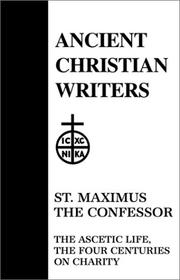
Book of the day
Centuries on Charity
Maximus the ConfessorA reading pick tied to today's figure, quote, era, or event. A more approachable route into Maximus than starting with the Ambigua.
Daily Patristic Wisdom in your inbox
Get one early Church quote each morning, with historical context in plain English. Free. Unsubscribe whenever.