Bede the Venerable
c. 673 – 735 · Northumbria
Also known as Venerable Bede · Beda Venerabilis
Feast: 25 May (Catholic) · 27 May (Orthodox)
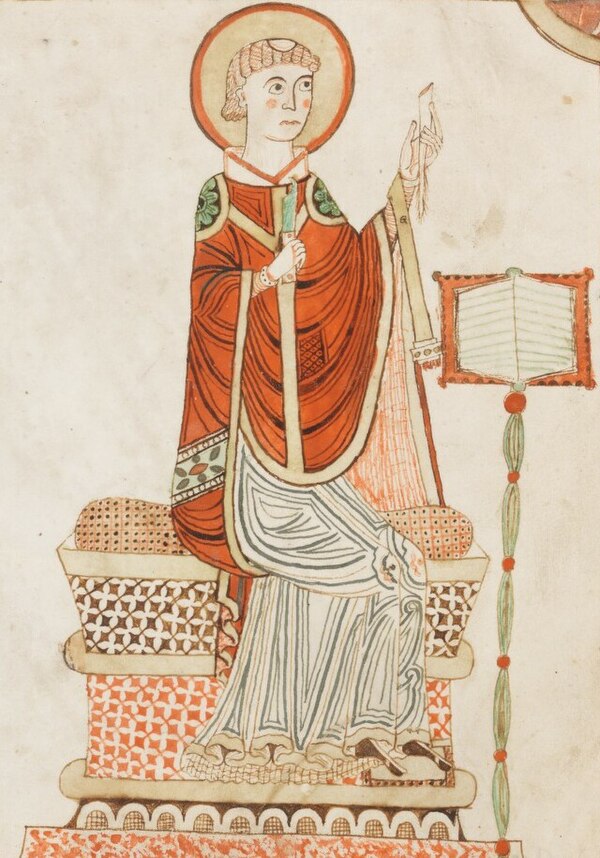
Anglo-Saxon Benedictine monk at Jarrow. Author of Historia Ecclesiastica Gentis Anglorum, the principal source for early English Christianity. Wrote extensive biblical commentaries drawing on Augustine, Jerome, Ambrose, and Gregory the Great. Declared Doctor of the Church.
Highlights
- Main contribution
- Bede wrote from a monastery in Northumbria and gave the English church a memory of itself.
- Event connection
- Synod of Whitby (664)
- Best first read
- Ecclesiastical History of the English People
- Primary source
- Bede, Historia Ecclesiastica Gentis Anglorum
Bede wrote from a monastery in Northumbria and gave the English church a memory of itself. His Ecclesiastical History preserves the conversion of the Anglo-Saxons, the conflicts and compromises of early English Christianity, and the lives of missionaries, kings, monks, and bishops who would otherwise be faint names. He also popularised dating by Anno Domini, which helped standardise how the West told time. Patristic learning did not simply fade after 600; in Bede, it crossed the sea and kept working.
Notable works
- ·Ecclesiastical History of the English People · 731
Primary sources
- ·Bede, Historia Ecclesiastica Gentis Anglorum
- ·Bede, De Temporum Ratione
- ·Cuthbert, Epistola de obitu Bedae
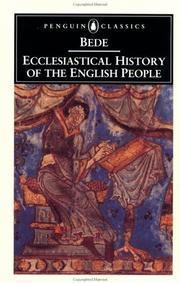
Book of the day
Ecclesiastical History of the English People
Bede the VenerableA reading pick tied to today's figure, quote, era, or event. The classic early medieval church history in the West, written at the far end of this site's timeline.
Daily Patristic Wisdom in your inbox
Get one early Church quote each morning, with historical context in plain English. Free. Unsubscribe whenever.